
The CM Punjab Model Villages Program, also known as the Misali Gaon initiative, is the flagship rural development project led by Chief Minister Maryam Nawaz to equip over 2,000 villages across Punjab with modern urban-style amenities including 24/7 clean water, underground sewerage, paved streets, and solar infrastructure.
In this comprehensive guide, you will learn:
- How to verify if your village is included in the program
- Complete breakdown of facilities provided in each model village
- Detailed budget allocations across all 10 Punjab divisions
- Step-by-step process for contractors to apply for tenders
- Current completion status and future expansion plans to 7,500 villages
Key Takeaways
- No Single Master List Exists: The Government of Punjab has not published a static PDF containing all 2,000 villages. The list is dynamic and updated progressively as the program rolls out in phases through the Punjab Rural Municipal Services Company (PRMSC).
- Massive Scale of Transformation: Work is already underway in 302 villages, with tenders issued for 359 villages. The program has expanded from an initial 485 villages to ultimately target 7,500 villages across the province at a cost exceeding Rs59 billion for Phase I alone.
- Urban Amenities Reach Rural Punjab: Each selected village receives a complete infrastructure overhaul including solar-powered water supply, covered underground sewerage, concrete street paving, children‘s parks, and restoration of traditional village ponds.
- Read More: Suthra Punjab Grand Cleanliness Operation For Eid-ul-Adha (By Maryam Nawaz)
- Read More: Prime Minister House Loan Scheme In Pakistan Online Apply
- Read More: Apna Ghar Scheme – Wazir-e-Azam Apna Ghar Program (1CR Home Loan)
- Read More: Zarai Qarza Scheme – Farmer Loan Scheme (10 Lakh Zarkhez-e App)
CM Punjab Model Villages Program (2,000 Model Villages List)
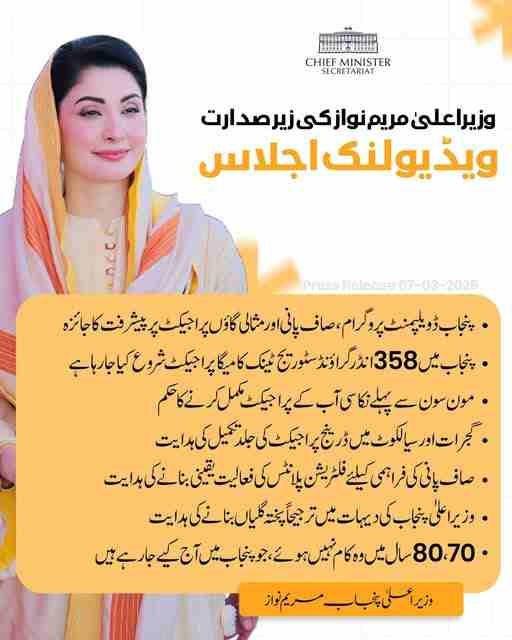
Table Of Contents
What is the CM Punjab Model Villages Program and why was it launched?
The CM Punjab Model Villages Program (Misali Gaon) is a transformative rural uplift initiative designed to eliminate the development gap between urban and rural areas across Punjab province.
Origin and Vision: Chief Minister Maryam Nawaz launched this flagship initiative as part of the broader “Sohna Punjab” (Beautiful Punjab) vision, recognizing that the majority of Punjab’s population resides in rural settlements that have historically lacked basic civic amenities available in cities.
Core Mandate: The program aims to equip rural communities with modern urban-style facilities including 24/7 clean drinking water supply, solar-powered infrastructure, underground sewerage networks, paved streets, solid waste management systems, and community recreation spaces.
Official Nomenclature: The project is officially referred to as the “Misali Gaon” (Model Village) Program and operates under the administrative oversight of the Punjab Rural Municipal Services Company (PRMSC), the designated executing agency.
Why 2,000 Villages: The Chief Minister has publicly confirmed that under the Model Village Programme, 2,000 villages across the province are being equipped with modern facilities. This target represents a significant scaling from earlier phases, with the provincial government demonstrating commitment to rural transformation.
Key Statistics on Program Scale:
- Phase I currently covers 485 villages with work actively progressing
- Total cost for Phase I exceeds Rs59 billion
- Program expands to 7,500 villages in Phase II
- 302 villages have active contractor work as of latest reports
- Tenders issued for development schemes in 359 villages
Is there an official PDF for the 2,000 Model Villages list?
No centralized, static PDF containing all 2,000 model villages does not exist due to the rolling, multi-phase nature of this massive rural development project.
Why No Single Document Exists: The program is implemented through progressive phases rather than a one-time selection. The Government of Punjab has intentionally avoided publishing a static master list because villages are added continuously based on survey results, administrative approvals, and resource availability.
Progressive Selection Explained: In the initial phase, 550 villages were selected across the province, including 64 from Rawalpindi division, 51 from Lahore, and 64 from Gujranwala. Subsequently, 470 villages were confirmed in the first phase with work entering final stages for 112 additional villages. This progressive approach allows the government to adapt to ground realities.
PRMSC as Data Custodian: The Punjab Rural Municipal Services Company maintains the authoritative registry of selected villages. PRMSC has estimated the presence of 41,000 ponds across 22,986 villages of Punjab, forming the baseline data for infrastructure planning.
How to Access Verified Data:
- PRMSC E-Procurement Portal: Tender documents reveal specific village names
- Official News Releases: Division-wise breakdowns published periodically
- PDMA Punjab Historical Data: For older flood-rehabilitation model villages
- District Development Committee notifications
Where can I download the complete list of 2,000 Punjab model villages?
Since no single PDF exists, you can access verified village data through multiple official channels that collectively provide the complete picture.
Primary Source 1: PRMSC E-Procurement Portal (eproc.punjab.gov.pk)
Search for “Model Villages (Misali Gao) Program” tenders under ADP 2025-26. Each tender document contains technical specifications listing specific villages where work is being executed. PRMSC has issued tenders for development schemes in 359 villages with work already started in 224 villages across the province.
Primary Source 2: Punjab Local Government Board Notifications
The provincial minister announced that schemes have been approved for 414 villages across all 10 divisions of Punjab. These official notifications provide division-wise breakdowns that serve as the authoritative reference.
Primary Source 3: Official News Releases
Publications regularly publish division-wise statistics. Work on 124 development schemes in 342 villages is currently under way under the program.
Division-Wise Breakdown (Phase I):
- Rawalpindi Division: 64 villages
- Lahore Division: 51 villages (Sheikhupuru district 47 villages)
- Gujranwala Division: 64 villages
- Gujrat Division: 53 villages
- Sahiwal Division: 49 villages
- Dera Ghazi Khan Division: 51 villages
- Bahawalpur Division: 61 villages
- Faisalabad Division: 37 villages
- Sargodha Division: 45 villages
- Multan Division: 75 villages
How can I check if my village is included in the program?
Follow this systematic 5-step verification process to determine whether your village has been selected for the CM Punjab Model Villages Program.
Step 1: Identify Your Administrative Jurisdiction
Determine your district, tehsil, and union council. The program distributes villages across all 10 divisions with specific quotas. The provincial government aims to include at least 50 villages from each provincial constituency in the first phase.
Step 2: Cross-Reference with Official Division-Wise Numbers
Compare your district against the confirmed breakdown. For example, Rawalpindi division has 64 villages selected, with 14 in Rawalpindi district, 3 in Murree, 6 in Attock, and 4 each in Chakwal and Jhelum.
Step 3: Check Tehsil-Level Selection
The program specifically targets 16 backward tehsils including Kallar Kahar, Noorpur Thal, Isakhel, Darya Khan, Kot Momin, Bhoana, Ahmedpur Sial, Pakpattan, Bahawalnagar, Khairpur Tamewali, Taunsa, Kahror Pakka, Shujaabad, Alipur, Liaquatpur, and Rojhan tehsils.
Step 4: Search the PRMSC E-Procurement System
Visit the official tendering portal and search for your village name. PRMSC has awarded work for 357 villages with contractors actively working in 302 villages.
Step 5: Contact Local Administration
Reach out to your Union Council office or Deputy Commissioner‘s office. District Development Committees have approved schemes for 464 villages, and local administrations maintain updated lists of selected settlements.
What specific village names have been announced?
The following named villages have been officially confirmed through government notifications and press releases.
Rawalpindi Division Named Villages:
- Changa Bangial in Gujar Khan tehsil
- Salamabad in Kallar Syedan tehsil
- Jawa village in Union Council Jawa, Kahuta
- Lehtrar Bala in Kotli Sattian
- Santh Anwali Kohati in Kotli Sattian
- Sultani Dhoke
- Chak Baqar Shah
- Khokhar Zar
- Dhoke Daraz Dhakali
- Sadwal Langa Bhain
- Bilalabad
- Waryal
- Niragi
- Jand Awan
- Basharat village
Gujranwala Division Named Village:
- Manzoorabad in Tehsil Wazirabad
Lahore Division Coverage:
Sheikhupura district has 47 villages selected under the program with detailed village names available through district development committee records.
Additional Districts with Confirmed Selection:
- 20 villages in Khanewal district under the “Sohna Punjab” vision
- Eight villages in Lodhran district
- Multiple villages across Bahawalnagar, Rahim Yar Khan, and other southern districts
What standard facilities are being provided in the Punjab model villages?
The master planning standards for each model village include a comprehensive suite of urban-style amenities designed to transform rural living conditions.
Water and Sanitation Infrastructure:
Every model village receives 24/7 solar-powered clean drinking water supply with filtration plants. The system includes solar-powered tube wells that operate independently of the national grid, ensuring uninterrupted access to potable water.
Modern Sewerage and Drainage Systems:
Covered underground sewerage networks eliminate open drainage that has historically plagued rural Punjab. Wastewater treatment plants are specifically tailored to handle livestock waste, a critical requirement for agricultural communities. The chief minister has set August 31 as the deadline for completion of septic tanks that function as natural water filtration systems.
Road Infrastructure and Pavement:
All remaining dirt streets receive concrete flooring or tuff tile paving. The minister approved designs of coloured tuff tiles for rural roads, enhancing both durability and aesthetics. Farm-to-market roads connect villages to economic centers.
Solar-Powered Street Lighting:
Each village receives comprehensive solar-powered street lighting infrastructure, improving safety and enabling evening economic activities.
Community Recreation Spaces:
Children‘s parks are built in every model village under the program. Traditional village ponds (chhappar) are restored and cleaned, with water treatment plants installed to ensure healthy aquaculture can thrive in these water bodies.
Solid Waste Management:
The program integrates solid waste collection and disposal systems, with the “Suthra Punjab” initiative ensuring cleanliness standards are maintained.
Environmental Restoration:
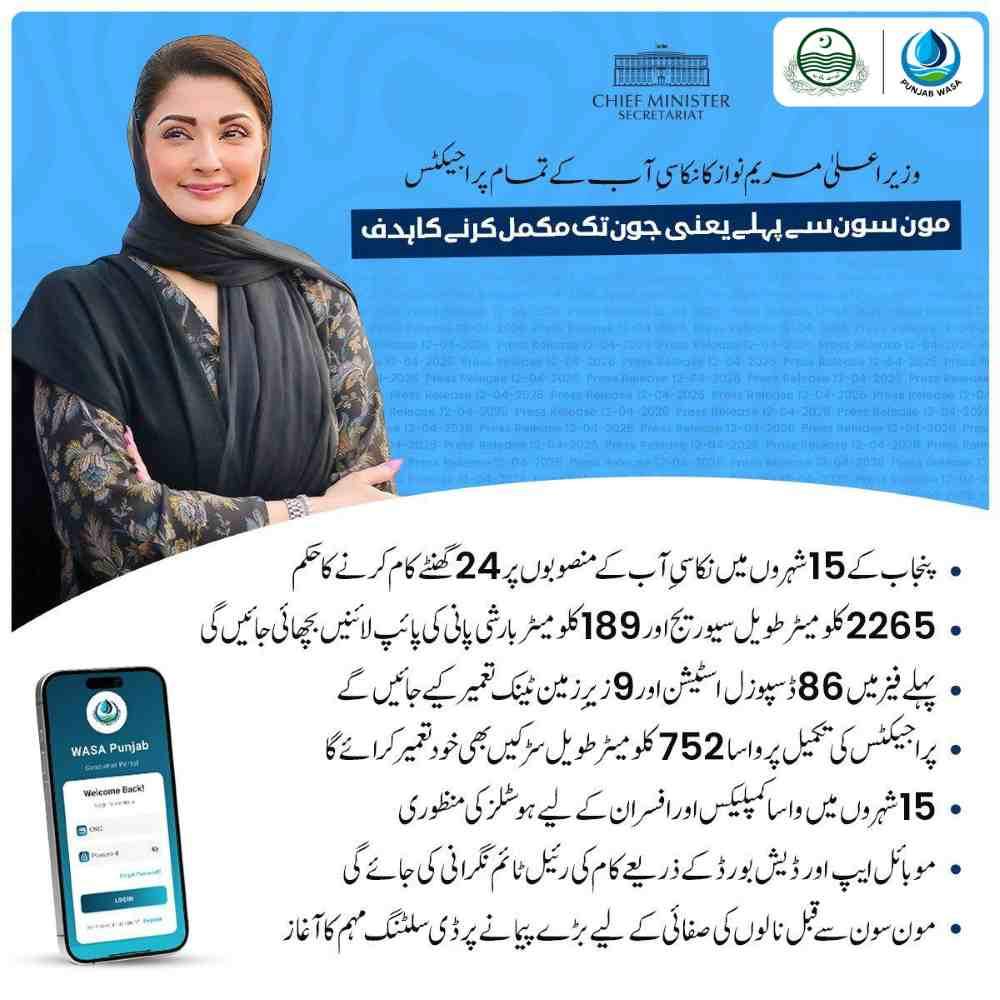
Tree plantation drives accompany every development scheme. The government has set a target to clean stagnant wastewater ponds in villages by June 30. About 41,000 ponds will be restored across all 22,986 villages of Punjab in a phased manner.
How much budget is allocated for the CM Punjab Model Villages project?

The financial commitment to the CM Punjab Model Villages Program represents one of the largest rural infrastructure investments in provincial history.
Phase I Budget Allocation:
Work on transforming 485 villages into model villages is already underway at a cost exceeding Rs59 billion. This allocation covers water supply systems, solar-powered tube wells, drainage facilities, and wastewater pond cleaning mechanisms.
Total Program Cost (550+ Villages):
The Model Village Phase-I has been estimated at Rs555 billion. This comprehensive figure encompasses all 550 villages across the first phase plus associated infrastructure development.
Annual Budget Allocation:
The government hopes to allocate around Rs150 billion in the upcoming fiscal year budget specifically for the Model Village Initiative.
District-Wise Budget Breakdown:
- 14 villages in Rawalpindi district: Rs1.36 billion
- 6 villages in Attock: Rs712 million
- 4 villages in Chakwal: Rs535 million
- 4 villages in Jhelum: Rs494 million
- 3 villages in Murree: Rs280 million
Rawalpindi Division Total Budget:
More than Rs2.42 billion will be spent on civic upgrades including water supply, drainage, paved streets and streetlights across selected villages in Kallar Syedan, Gujar Khan, Kahuta and other areas.
Financial Implications:
For rural residents, this translates to zero direct cost for infrastructure upgrades that would otherwise require decades of community fundraising. The government absorbs 100% of development expenses while property values in selected villages are expected to appreciate significantly.
How is the government tracking the progress of the 2,000 model villages?
A comprehensive monitoring dashboard and strict deadlines ensure accountability and timely completion of all model village projects.
Pilot Phase Completion:
Initial pilot villages have demonstrated the program‘s viability, providing the template for large-scale rollout.
Phase I Progress Metrics:
- Approved schemes for 464 villages by District Development Committees
- Work awards completed for 357 villages
- Contractors operational in 302 villages
- Tendering process underway for remaining selected villages
Monitoring Dashboard Implementation:
The provincial minister has directed PRMSC to create a dedicated dashboard for monitoring the Model Village Programme. This digital platform tracks contractor performance, scheme progress, and resource utilization in real-time.
CM Direct Oversight:
Chief Minister Maryam Nawaz conducts weekly review meetings with video-link participation from district officials. She has mandated “before and after” comparative videos of each project to ensure visible transformation documentation.
Quality Assurance Requirements:
The minister has directed PRMSC to ensure use of quality materials with strict adherence to timelines. Transparency and quality must be maintained at every stage of work on the schemes.
Complaint Resolution Mechanism:
Helpline 1336 has been made fully operational for immediate resolution of faults in water filtration plants, with mechanisms to address public complaints promptly.
How can contractors apply for Punjab model village tenders?
The Punjab Rural Municipal Services Company has streamlined the tendering process through an electronic procurement system accessible to qualified contractors.
Step 1: Registration on E-Procurement Portal
Contractors must register on the official eproc.punjab.gov.pk portal. Complete company profiles including NTN, GST registration, and previous work experience must be uploaded for verification.
Step 2: Search for Relevant Tenders
Filter tenders by searching “PRMSC Model Villages (Misali Gao) Program” under ADP 2025-26. The system displays all active tenders with scheme details, estimated costs, and submission deadlines.
Step 3: Review Tender Documents
Download complete tender documentation including Bill of Quantities (BOQ), technical specifications, and terms of reference. Documents specify the exact village schemes, including water supply systems, sewerage networks, street paving, and park development.
Step 4: Submit E-Bids Electronically
Prepare and submit bids through the portal before the deadline. PRMSC has issued tenders for development schemes in 359 villages, with work awards already completed for 357 villages.
Important Tender Information:
- Rural development programs in 16 tehsils are supported through World Bank funding
- A total of 1,937 villages of 16 backward tehsils are being made model villages
- PRMSC head office located at 5th Floor, KD Plaza, MM Alam Road, Lahore
What are the employment opportunities under this project?
The CM Punjab Model Villages Program has generated substantial employment across multiple sectors, from construction to permanent municipal positions.
Current Vacancies:
PRMSC regularly announces positions including Infrastructure Engineer (PPS-9), Manager HR (PPS-8), Assistant Manager Media Management (PPS-7), Manager Procurement, Tehsil Manager, MIS Officer, and Research Analyst.
Application Process:
Interested candidates can download application forms from www.prmsc.punjab.gov.pk. Positions require relevant qualifications and experience in development projects.
Construction Employment:
With work active in 302 villages and tenders issued for 359 villages, thousands of construction workers, supervisors, and engineers have found employment through contractor hiring.
Long-Term Municipal Jobs:
Upon scheme completion, maintenance positions for water filtration plants, sewerage systems, and solar installations will be created.
What is the current completion status and timeline?
The CM Punjab Model Villages Program follows strict deadlines to ensure timely delivery of all promised facilities.
Current Completion Status:
- 302 villages have active contractor work as of the latest progress report
- 357 villages have completed work awards
- 464 villages have approved schemes from District Development Committees
- 224 villages have started preliminary work
Phase I Deadline:
Work on transforming 485 villages is progressing rapidly with the Phase I estimated to cost exceeding Rs59 billion. The provincial minister has directed PRMSC to complete Phase-I in 18 months from project initiation.
Pond Cleaning Deadline:
The chief minister set June 30 as the deadline for cleaning stagnant wastewater ponds (chhappar) in villages.
Septic Tank Deadline:
August 31 has been established as the deadline for completion of septic tanks (natural water filtration systems) in rural areas.
Future Expansions:
Phase II has received in-principle approval to transform 7,500 villages into model villages. The government aims to ensure at least 50 villages from each provincial constituency benefit from the program.
What role does Maryam Nawaz Sharif play in the Model Villages Program?
Chief Minister Maryam Nawaz Sharif is the driving force behind the Model Villages Program, personally overseeing implementation and demanding accountability.
Strategic Vision:
The CM has articulated that people living in rural areas have an equal right to resources and development. She has committed that the government‘s goal of transforming rural areas into model settlements would be achieved at all costs.
Direct Oversight:
Maryam Nawaz chairs special review meetings on rural development and clean water initiatives, directing weekly video-link monitoring. She has mandated “before and after” comparative videos of each project.
Policy Directives:
She has instructed authorities to present clear timelines for completion of model village projects and ordered immediate repair of non-functional water filtration plants, particularly in polluted and underserved areas.
Integration with Broader Vision:
The CM has connected the Model Villages Program to her tax-free Punjab budget strategy, demonstrating commitment to rural development without burdening citizens.
Strict Accountability:
She has declared that negligence in ensuring clean drinking water will not be tolerated, establishing that access to safe water is the fundamental right of every citizen of Punjab.
Which districts are covered under Phase 1 of the model villages list?
Phase I of the CM Punjab Model Villages Program covers all 10 administrative divisions of Punjab with specific district allocations.
Rawalpindi Division:
64 villages selected including Rawalpindi district (14 villages), Attock (6 villages), Chakwal (4 villages), Jhelum (4 villages), and Murree (3 villages).
Lahore Division:
51 villages selected with Sheikhupura district accounting for 47 villages.
Gujranwala Division:
64 villages selected across the division.
Gujrat Division:
53 villages selected.
Sahiwal Division:
49 villages selected.
Dera Ghazi Khan Division:
51 villages selected.
Bahawalpur Division:
61 villages selected.
Faisalabad Division:
37 villages selected.
Sargodha Division:
45 villages selected.
Multan Division:
75 villages selected, including 20 in Khanewal district.
Special Focus Tehsils:
The program specifically targets 16 backward tehsils including Kallar Kahar, Noorpur Thal, Isakhel, Darya Khan, Kot Momin, Bhoana, Ahmedpur Sial, Pakpattan, Bahawalnagar, Khairpur Tamewali, Taunsa, Kahror Pakka, Shujaabad, Alipur, Liaquatpur, and Rojhan.
Are solar-powered water filtration plants included in the model villages?
Yes, solar-powered water systems are a cornerstone feature of every model village, ensuring sustainable and uninterrupted water access.
Solar-Powered Infrastructure:
Each model village is being equipped with modern water supply systems that include solar-powered tube wells. This eliminates dependence on the unreliable national grid and reduces operational costs.
Filtration Plant Integration:
Solar-powered filtration plants provide clean drinking water without electricity costs. The chief minister has established helpline 1336 specifically for immediate resolution of faults in water filtration plants.
Sustainability Benefits:
The renewable energy approach reduces carbon footprint while ensuring rural communities have 24/7 access to potable water. Desilting of tanks and ponds allows treated water to be reused for irrigation purposes.
How does the PRMSC select villages for development?
The Punjab Rural Municipal Services Company employs a data-driven, need-based methodology for village selection.
Census Data Analysis:
PRMSC identified 41,000 ponds across 22,986 villages of Punjab, providing baseline data indicating infrastructure gaps. Villages with the most deficient civic services receive priority.
Need-Based Assessment:
Selection prioritizes villages with the least developed infrastructure, focusing on backward tehsils where access to basic amenities is most limited.
Strategic Location Factors:
Proximity to major road networks and economic zones influences selection to maximize development impact.
Constituency Representation:
The government is trying to include at least 50 villages from each provincial constituency in the first phase, ensuring equitable distribution across political boundaries.
Database Creation:
A reliable database of villages is being created through the model village programme, enabling evidence-based future planning.
Are there any model villages selected from the Bahawalpur division?
Yes, Bahawalpur division has substantial representation in the CM Punjab Model Villages Program.
Total Selection:
61 villages from Bahawalpur division have been selected under Phase I of the program.
District Allocation:
Selections span multiple districts including Bahawalpur, Rahim Yar Khan, and Bahawalnagar. The allocation includes Bahawalnagar and Khairpur Tamewali tehsils specifically mentioned in backward tehsil coverage.
Budget Allocation:
Part of the Rs59 billion Phase I budget is allocated to southern Punjab villages, reflecting the government‘s commitment to addressing regional development disparities.
What type of sewerage system is being built in these model villages?
The sewerage infrastructure represents a significant upgrade from traditional rural drainage systems.
Covered Underground Sewerage Networks:
Modern covered underground sewerage systems eliminate open drainage channels that have historically caused health hazards and environmental contamination. These networks ensure wastewater is contained and properly treated.
Wastewater Treatment Plants:
Treatment plants are specifically tailored to handle livestock waste, a critical requirement for rural Punjab where animal husbandry is integral to livelihoods.
Pond Rehabilitation:
Traditional village ponds are being cleaned and restored with water treatment plants installed to enable healthy aquaculture. The campaign to remove encroachments on pond land ensures these community assets remain accessible.
Irrigation Reuse:
Following desilting and treatment, water from septic tanks and ponds is reused for irrigation purposes, creating a sustainable water management cycle.
Will there be internet and Wi-Fi facilities in Punjab model villages?
The current phase focuses on physical infrastructure, but digital connectivity remains on the long-term agenda.
Current Program Focus:
Primary amenities include water supply, sewerage, roads, streetlights, parks, and pond restoration. The core infrastructure must be established before advanced digital services can be implemented.
Future Digital Integration:
The program aligns with broader “Digital Punjab” initiatives that include fiber optic network expansion to rural areas. Once physical infrastructure is complete, Wi-Fi facilities may be incorporated into community centers and parks.
Connectivity Benefits:
Improved farm-to-market roads facilitate better access to mobile network infrastructure, indirectly enhancing digital connectivity for residents.
Are livestock waste management plants included in the program?
Yes, livestock waste management is specifically addressed in the CM Punjab Model Villages Program.
Tailored Treatment Solutions:
Waste-water treatment plants are specifically designed to handle livestock waste, recognizing that animal husbandry is the primary economic activity in most rural Punjabi households.
Environmental Health Impact:
Proper livestock waste management eliminates the primary pollutant in rural Punjab, reducing waterborne diseases and improving overall community health.
Link to “Suthra Punjab”:
The livestock waste management component integrates with the broader cleanliness initiative, ensuring model villages maintain high sanitation standards.
How many villages from Rawalpindi division are on the list?
Rawalpindi division has one of the largest allocations under the CM Punjab Model Villages Program.
First Phase Allocation:
64 villages from Rawalpindi division have been selected in the initial phase. A sum of over Rs1.36 billion has been allocated for upgradation of 14 villages in Rawalpindi district alone.
Total Budget:
More than Rs2.42 billion will be spent on civic upgrades across Rawalpindi division.
Tehsil Distribution:
Villages span Gujar Khan, Kallar Syedan, Kahuta, Kotli Sattian, and other tehsils.
Specific Named Villages:
Changa Bangial (Gujar Khan), Salamabad (Kallar Syedan), Jawa village (Kahuta), Lehtrar Bala (Kotli Sattian), Santh Anwali Kohati (Kotli Sattian), and numerous other villages.
Are rural health centers being upgraded under this village program?
While health centers are not the primary focus of Phase I, indirect health benefits are substantial.
Primary Focus Areas:
The current phase concentrates on water, sanitation, roads, parks, and pond restoration. These represent the foundational infrastructure that must precede specialized facilities.
Health Impact Linkage:
Clean water supply, proper sewage systems, and eliminated open drainage directly reduce waterborne diseases, representing a preventive health intervention.
Access Improvement:
Paved farm-to-market roads provide better access to existing rural health centers, reducing travel time during medical emergencies.
Related Government Schemes:
The program can be linked with the Punjab Health Infrastructure Program for future expansion to include basic health unit upgrades.
Will streets be paved with concrete or asphalt in these villages?
Concrete paving has been selected as the preferred material for village streets.
Material Specifications:
The minister approved designs of coloured tuff tiles for rural roads, prioritizing durability for high-traffic agricultural areas. Concrete flooring provides superior longevity compared to asphalt.
Comprehensive Coverage:
All remaining dirt streets are being paved, with the minister expressing determination that on completion of the Programme, no street will remain unpaved in any model village.
Are sports grounds and parks part of the model village master plan?
Yes, recreational facilities are mandatory components of every model village development scheme.
Children‘s Parks:
A children‘s park will be built in every model village under the program. These spaces provide safe recreation areas for families.
Village Pond Revival:
Traditional ponds serve as central community gathering spaces. Along with restoration, water treatment plants are installed to ensure healthy aquaculture.
Tree Plantation Drives:
Massive environmental initiatives accompany every development scheme, enhancing the aesthetic and ecological quality of model villages.
Who is the current project director for the Punjab Model Villages Program?
The program operates under a structured administrative hierarchy with clear leadership.
CEO Punjab Rural Municipal Services Company:
Khurram Pervez serves as CEO of PRMSC and provides regular briefings on program progress to the provincial minister.
Provincial Oversight:
Minister for Local Government Zeeshan Rafique chairs progress review meetings and provides policy direction for the program‘s implementation.
Secretary Level Coordination:
Secretary Local Government Shakeel Ahmed Mian participates in key meetings, ensuring administrative alignment across departments.
What is the difference between the 2012 PDMA villages and the 2025 CM program?
The current model villages initiative differs fundamentally from previous government efforts.
2012 PDMA Model Villages:
Earlier model villages were exclusively focused on flood rehabilitation in disaster-affected areas of Rajanpur and DG Khan. These were reactive, limited-scope interventions for displaced populations.
2025 CM Program:
The current initiative is proactive, massive in scale, and includes comprehensive urban-style amenities including solar power, underground sewerage, street paving, parks, and pond restoration. It targets 2,000 villages expanding to 7,500 villages, representing a structural shift in rural service delivery.
Executing Agency Evolution:
Implementation has shifted from PDMA to PRMSC, bringing specialized municipal services expertise to rural development.
How many phases are there in the CM Punjab Model Villages project?
The program follows a structured multi-phase rollout to achieve its ambitious targets.
Pilot Phase:
Initial implementation validated the model before large-scale expansion.
Phase I (Current):
485 villages under active development at cost exceeding Rs59 billion, with deadlines including June 30 for pond cleaning and August 31 for septic tank completion.
Phase II (Approved):
The chief minister has granted in-principle approval to transform 7,500 villages into model villages, with clear timelines and comparative documentation required.
Can a village apply to be included in the 2,000 model villages list?
Direct applications from villages are not currently accepted, but community advocacy pathways exist.
Current Selection Process:
Villages are selected through PRMSC‘s data-driven methodology based on census analysis and need assessment, not through applications.
Indirect Nomination Route:
Community members can contact their Union Council and MPA to advocate for inclusion in future phases. The provincial government is open to constituency-based representation.
Future Consideration:
Given that Phase II will cover 7,500 villages, many currently unselected settlements will be included in subsequent phases.
What is the “Misali Gaon” or “Sohna Punjab” initiative?
These terms refer to the branding and public communication of the model villages program.
“Misali Gaon” Meaning:
The Urdu term translates to “Model Village” and represents the program‘s promise of exemplary rural development.
“Sohna Punjab” Vision:
“Beautiful Punjab” is the broader vision for comprehensive provincial development, of which model villages form a central component. The program is also referred to as “Maryum Nawaz‘s Beautiful Punjab” program.
Public Perception:
These branding elements communicate the government‘s commitment to making rural areas as attractive and functional as urban centers.
Frequently Asked Questions (FAQs)
Q1: Is there an official PDF containing all 2,000 model villages?
No, the Government of Punjab has not published a single, static PDF. The list is dynamic and released progressively through PRMSC notifications, tender documents, and official press releases as the program rolls out in phases.
Q2: How can I verify if my village is selected for the program?
Check the PRMSC E-Procurement Portal (eproc.punjab.gov.pk) for tender documents mentioning your village name, contact your District Development Committee office, or refer to official division-wise breakdowns published in news releases.
Q3: What is the total budget for the CM Punjab Model Villages Program?
Phase I covering 485 villages is estimated at exceeding Rs59 billion, with total program cost for Phase-I estimated at Rs555 billion. The government hopes to allocate Rs150 billion in the upcoming fiscal year budget for the initiative.
Q4: Which government department is handling this program?
The Punjab Rural Municipal Services Company (PRMSC) is the designated executing agency, operating under the administrative oversight of the Local Government Department.
Q5: When will all 2,000 model villages be completed?
Phase I with 485 villages is targeted for completion within 18 months. With work already active in 302 villages and tenders issued for 359 villages, the program is progressing rapidly. Phase II covering 7,500 villages has received in-principle approval.
Q6: What facilities will my village receive if selected?
Each model village receives 24/7 solar-powered clean drinking water, underground sewerage network, concrete paved streets, solar-powered streetlights, children‘s parks, restored village ponds, and solid waste management systems.
Q7: Are there job opportunities under this program?
Yes, PRMSC regularly announces positions for engineers, managers, and administrative staff. Additionally, thousands of construction workers find employment through contractor hiring for active schemes across 302 villages.

Add a Comment