
As of April, 2026, a 50kg bag of DAP fertilizer in Pakistan costs between Rs. 14,600 and Rs. 15,300 depending on the brand and city, with Sona DAP (FFC) leading the market at Rs. 14,740–14,800 per bag.
What you will learn from this guide:
- Exact 50kg DAP prices for Sona, Engro, Sarsabz, and other brands
- Why DAP prices are rising and how long the trend will continue
- How to claim government subsidies through Kisan Card and provincial programs
- City-by-city price variations across Punjab, Sindh, and KP
- Whether to buy now or wait for a forecasted price drop
Key Takeaways
- Prices Are at Record Highs: A 50kg bag of Sona DAP now retails for Rs. 14,740–14,800, up over 15% from the same period last year.
- Subsidies Can Save You Rs. 500–1,000: The Kisan Card in Punjab offers Rs. 500 per bag, while other programs provide up to Rs. 1,000 per bag.
- International Factors Drive Local Prices: The USD/PKR exchange rate, global phosphate prices, and Middle East tensions directly impact what you pay at the dealer.
- Prices Vary by City by Rs. 200–500: Multan and Faisalabad often have lower prices than remote districts or Karachi due to freight and dealer competition.
- A Price Drop Is Expected by June 2026: Global DAP prices are forecast to decline approximately 8%, which should reduce local retail rates.
- Read More: Canola Seed Price In Pakistan (2Kg, 5Kg, 40Kg) – All Variants
- Read More: Pumpkin Seed Price In Pakistan (Per Kg) – Uses & Benefits
- Read More: Bitter Gourd Karela – Price, Uses, & Benefits
- Read More: Epsom Salt Price In Pakistan (Per Kg) – Uses & Benefits
DAP Price In Pakistan (DAP 50KG) – FFC, Sona, Engro DAP
Table Of Contents
Introduction to DAP Price in Pakistan (2026)
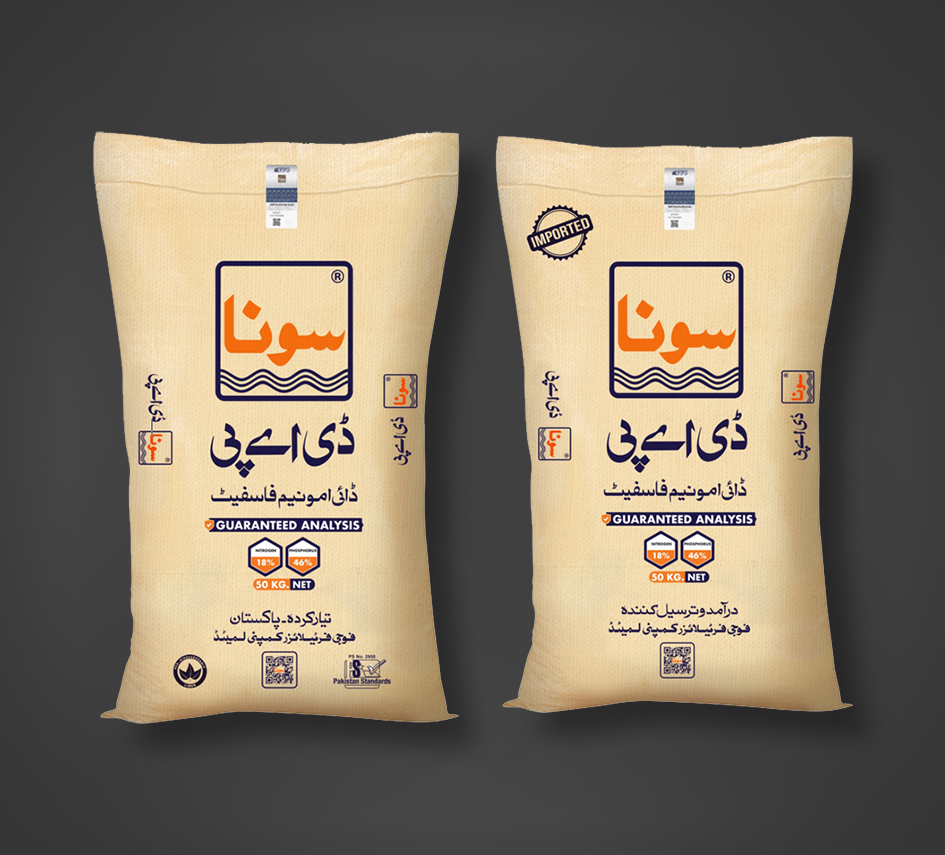
DAP (Di-Ammonium Phosphate) is the most concentrated phosphatic fertilizer used in Pakistani agriculture, containing 18% Nitrogen and 46% Phosphorus. It is essential for root development, crop yield, and overall soil health, particularly for wheat, rice, and sugarcane.
Farmers across Pakistan are currently facing unprecedented price pressure. A single 50kg bag of standard Sona DAP now costs between Rs. 14,740 and Rs. 14,800, while specialized variants like Sona Boron DAP exceed Rs. 15,250. This marks a sharp increase from just two months ago, when prices hovered around Rs. 13,900–14,000.
This guide provides a complete, real-time breakdown of DAP prices across all major brands—FFC Sona, Engro, Sarsabz, Fatima, 7 Star, and Barkat—along with subsidy information, buying strategies, and price forecasts for the coming months.
Current DAP Price in Pakistan Today (50KG Bag) – Brand-by-Brand Breakdown
What is the current price of Sona DAP (50kg) in Pakistan today?
Sona DAP 50kg from Fauji Fertilizer Company (FFC) is currently retailing at Rs. 14,740 to Rs. 14,800 per bag, with a recommended retail price (RRP) of Rs. 14,633 that is rarely enforced in the open market.
Why Sona DAP commands a premium over other brands:
- FFC’s extensive distribution network ensures availability even in remote areas
- Consistent nutrient quality (18% N, 46% P2O5) with minimal variation between batches
- Strong brand trust built over decades of agricultural service
- Higher dealer margins, which incentivize retailers to stock and push Sona DAP
Regional variation in Sona DAP price:
- Punjab (Lahore, Multan, Faisalabad): Rs. 14,700–14,800
- Sindh (Karachi, Hyderabad): Rs. 14,800–14,950 (higher due to freight and lower subsidy pass-through)
- Khyber Pakhtunkhwa (Peshawar, Mardan): Rs. 14,800–14,900
- Balochistan (Quetta): Rs. 14,900–15,100
The Kisan Card effect on Sona DAP: Registered Kisan Card holders in Punjab receive a direct subsidy of Rs. 500 per bag, bringing the effective price down to Rs. 14,240–14,300.
How much does a 50kg bag of Engro DAP cost right now?
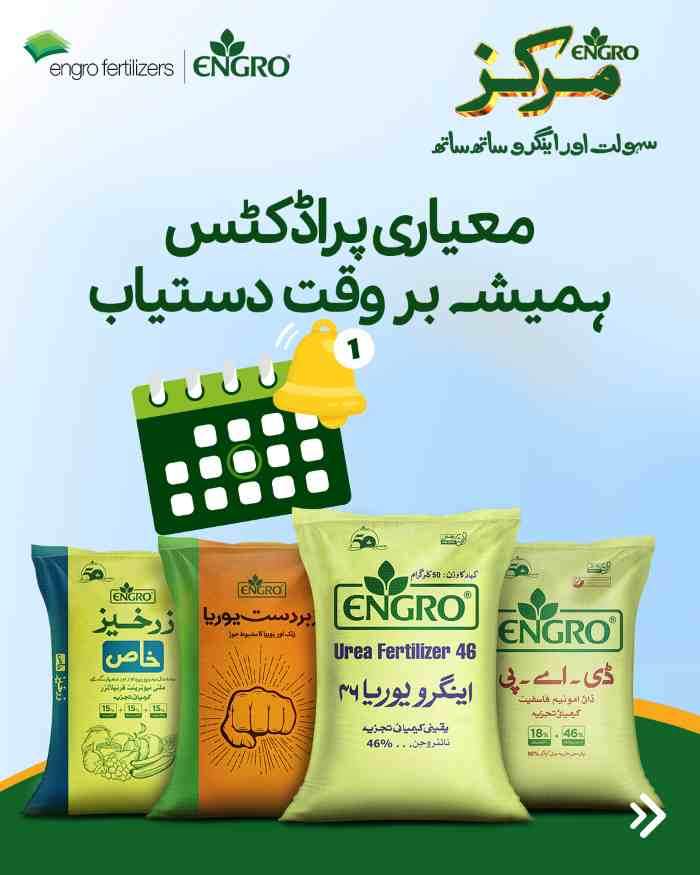
Engro DAP price in Pakistan today ranges from Rs. 14,650 to Rs. 14,750 per 50kg bag, positioning it slightly below Sona DAP while offering comparable nutrient quality.
Engro DAP price today – Bulk purchase discounts:
- Single bag (retail): Rs. 14,650–14,750
- 5–10 bags: Rs. 14,600–14,700 per bag
- 50+ bags (farm gate delivery): Rs. 14,500–14,600 per bag (with a 2% cash discount)
Engro fertilizer price list today – Comparing DAP with other Engro products:
- Engro Urea: Rs. 4,436 per 50kg bag
- Engro Zingro (zinc-enriched urea): Rs. 4,800–4,900 per bag
- Engro NP (Nitrogen-Phosphorus blend): Rs. 9,200–9,500 per bag
Why some farmers prefer Engro DAP over Sona:
- Engro’s DAP is known for better solubility in flooded rice conditions
- Slightly lower price point for identical nutrient composition
- Strong dealer presence in southern Punjab and Sindh rice belts
What is the price of Sarsabz DAP 50kg bag today?
Sarsabz DAP price in Pakistan today is Rs. 14,600 to Rs. 14,680 per 50kg bag, making it the most affordable option among the top-tier local brands.
Sarsabz DAP price in Pakistan today – Regional breakdown:
- Central Punjab: Rs. 14,600–14,650
- Sindh: Rs. 14,650–14,700
- KP: Rs. 14,680–14,750
Who manufactures Sarsabz DAP? Sarsabz is the fertilizer brand of Fatima Fertilizer Company, which has rapidly expanded its market share by offering competitive pricing and aggressive dealer incentives.
Is lower price worth the trade-off? Farmers report that Sarsabz DAP performs identically to Sona and Engro in field trials, with no measurable difference in crop yield. The price difference of Rs. 100–200 per bag is purely a branding and distribution margin issue, not a quality issue.
What is the price of Fatima Fertilizer DAP 50kg?
Fatima DAP is priced at Rs. 14,600 to Rs. 14,700 per 50kg bag, identical to Sarsabz (as Fatima is the parent company).
Key features of Fatima DAP:
- Same 18:46 NP ratio as all standard DAP
- Available through Fatima’s growing network of retail outlets
- Often bundled with Fatima’s seed and pesticide products
What is 7 Star DAP Price in Pakistan?
7 Star DAP is an imported brand (typically from China or Russia) retailing at Rs. 14,500 to Rs. 14,600 per 50kg bag, making it the cheapest DAP option in the market.
Risks associated with imported DAP:
- Inconsistent nutrient content (some batches test below 18% N and 46% P)
- Potential for adulteration or mixing with lower-grade phosphate products
- No local manufacturer warranty or quality guarantee
- Dealer returns are difficult if product quality is poor
When does imported DAP make sense? For farmers with soil testing capabilities who can verify nutrient content, imported DAP can offer savings of Rs. 500–700 per bag. For most smallholders, the quality risk outweighs the price benefit.
Barkat DAP Price in Pakistan – Is it cheaper than Sona?
Barkat DAP is another imported option priced at Rs. 14,550 to Rs. 14,650 per 50kg bag, placing it between 7 Star and Sarsabz in the price hierarchy.
Price comparison table: Sona vs Engro vs Sarsabz vs Fatima vs 7 Star (50kg bag):
| Brand | Price Range (PKR/50kg) | Source | Quality Rating |
|---|---|---|---|
| 7 Star DAP | 14,500–14,600 | Imported | Variable |
| Barkat DAP | 14,550–14,650 | Imported | Variable |
| Sarsabz DAP | 14,600–14,680 | Local (Fatima) | Consistent |
| Fatima DAP | 14,600–14,700 | Local | Consistent |
| Engro DAP | 14,650–14,750 | Local | Consistent |
| Sona DAP (FFC) | 14,740–14,800 | Local | Consistent |
Read More: Engro Fertilizers – Products, Pricing, & Share Price
Specialized DAP Variants and Their Prices (Sona Boron DAP, etc.)
Is there a difference between the price of Sona DAP and Sona Boron DAP?
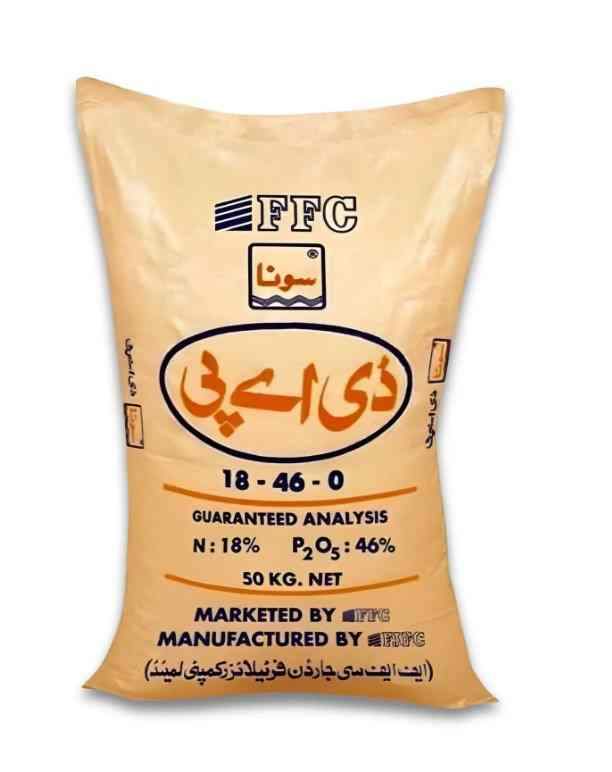
Yes. Sona Boron DAP (which includes the micronutrient boron) is priced 3–4% higher than standard Sona DAP, typically between Rs. 15,250 and Rs. 15,300 per 50kg bag.
What is the agronomic benefit of Sona Boron DAP that justifies its higher price?
Boron is a critical micronutrient for:
- Pollen tube growth and seed set in wheat and rice
- Cell wall formation and sugar transport in plants
- Preventing common deficiencies that cause hollow stems, poor grain filling, and cracked fruit
In boron-deficient soils (common in rainfed areas of Punjab and KP), applying boron-enriched DAP can increase wheat yields by 10–15% and rice yields by 8–12%. The Rs. 500–600 premium per bag is recovered through higher per-acre output.
Sona Boron DAP price in Pakistan – Where to find it:
- Major agricultural districts of Punjab (Sheikhupura, Gujranwala, Sialkot)
- Rice-growing areas of Sindh (Badin, Thatta)
- Available through larger FFC dealers and Model Farm Service Centers
Are there other boron-enriched DAP options?
- Engro does not currently offer a dedicated boron DAP variant
- Sarsabz has a limited-release boron-enhanced DAP in select districts
- Farmers can mix standard DAP with separate boron fertilizer (borax) at lower cost
Should farmers pay more for Sona Boron DAP for rice and wheat crops?
Yes for boron-deficient soils (tested below 0.5 ppm available boron). No for soils with adequate boron levels or for crops like sugarcane that are less boron-responsive. A soil test costing Rs. 500–1,000 can determine if the premium is justified.
Geographical Price Variation of DAP in Pakistan (City & Province Level)
Does the price of DAP vary by city (e.g., Multan vs. Faisalabad)?
Yes. DAP prices in major agricultural hubs like Multan and Faisalabad are typically Rs. 100–200 lower per bag than in remote villages or cities like Karachi due to freight costs and dealer competition.
City-wise DAP price comparison (Sona DAP, 50kg bag):
- Multan: Rs. 14,700–14,750 (central hub with high dealer density)
- Faisalabad: Rs. 14,720–14,770 (competitive market with many options)
- Lahore: Rs. 14,740–14,800 (higher due to urban dealer margins)
- Rahim Yar Khan: Rs. 14,730–14,780 (moderate freight costs)
- Karachi: Rs. 14,800–14,950 (highest due to port-to-farm transport)
- Hyderabad: Rs. 14,780–14,850
- Peshawar: Rs. 14,800–14,900
- Quetta: Rs. 14,900–15,100 (highest due to distance and security costs)
Why do rural villages pay more than cities? Village dealers often operate as monopolies or duopolies, with no competitive pressure to lower prices. Transport from city wholesalers adds Rs. 50–100 per bag. Credit sales (common in villages) add another Rs. 100–200 per bag in implicit interest.
What is the current price of DAP in Peshawar and KP regions?
In Peshawar, Sona DAP is approximately Rs. 14,800–14,900 per 50kg bag due to higher transportation costs from FFC’s production facilities and lower dealer competition compared to Punjab.
KP regional breakdown:
- Peshawar city: Rs. 14,800–14,850
- Mardan: Rs. 14,820–14,880
- Abbottabad: Rs. 14,900–15,000 (mountain freight costs)
- Dera Ismail Khan: Rs. 14,850–14,950
Is DAP price higher in Sindh compared to Punjab?
Yes. Sindh’s DAP prices are often Rs. 200–300 higher per bag due to dealer monopolies, lower subsidy pass-through, and the fact that most DAP is produced in Punjab (near Karachi port but distributed from Punjab facilities).
Sindh vs Punjab price difference drivers:
- Weaker enforcement of recommended retail prices in Sindh
- Fewer Kisan Card holders (the program is Punjab-specific)
- Higher transport costs from Punjab-based warehouses
- Dealer cartels in districts like Ghotki, Sukkur, and Khairpur
Why do DAP prices spike in remote districts?
Remote districts face three compounding factors: limited dealer competition, high transport costs, and seasonal demand spikes that dealers exploit by raising prices Rs. 300–500 above urban levels.
Examples of remote district price spikes:
- Tharparkar (Sindh): Sona DAP can reach Rs. 15,200–15,400 during peak sowing
- Chitral (KP): Prices exceed Rs. 15,000 due to mountain transport costs
- Zhob (Balochistan): Rs. 15,100–15,300 with limited availability
Factors Driving DAP Price Increase in Pakistan (2025–2026)
Why is the price of DAP fertilizer increasing in Pakistan?
The primary drivers are rising international phosphate rock prices, a depreciating Pakistani Rupee (PKR) against the US Dollar, and increased fuel costs for domestic production following early April 2026 fuel price adjustments.
The three-factor model of DAP price increases:
- International DAP price (global supply/demand, Middle East tensions)
- USD/PKR exchange rate (conversion cost for imported raw materials)
- Domestic logistics costs (diesel price, freight, dealer margins)
When all three factors move against the farmer, DAP prices can rise Rs. 500–1,000 in a single month.
How does the international market impact DAP prices in Pakistan?
Pakistan imports approximately 40% of its DAP raw materials (phosphate rock and phosphoric acid) and finished DAP. When global DAP prices rise—due to export restrictions from China or Morocco, or supply disruptions from the Middle East—local prices follow within 4–6 weeks.
Recent international price movements:
- Global DAP prices increased 5.1% in March 2026 alone
- Gulf FOB DAP contracts rose $40 per ton (6%) from late February to April 2026
- Chinese DAP export prices reached $825–842 per ton FOB
- Egyptian DAP increased $32–35 per ton, reaching the high-$740s per ton FOB
The World Bank forecast: Global DAP prices are projected to decline approximately 8% as new production capacity comes online and supply pressures ease, though the market remains structurally tight.
How does the USD to PKR exchange rate affect DAP price?
A 1 Rupee depreciation against the US Dollar increases DAP import cost by approximately Rs. 50–70 per 50kg bag, assuming all other factors remain constant.
The exchange rate transmission mechanism:
- International DAP is priced in US Dollars ($640–730 per ton CFR)
- Importers convert PKR to USD at prevailing exchange rates
- A weaker PKR means more Rupees per Dollar, raising landed costs
- Traders add approximately 14% for insurance, transport, and bagging
Example calculation: If the exchange rate moves from Rs. 300 to Rs. 305 per USD (1.67% depreciation), a $700/ton DAP shipment costs an additional Rs. 3,500 per ton, or Rs. 175 per 50kg bag.
What is the impact of recent fuel cost adjustments (April 2026) on DAP prices?
Diesel price increases directly affect DAP prices because the fertilizer must be transported from production facilities (Karachi, Lahore, Multan) to every village in Pakistan. The April 2026 fuel price adjustment added an estimated Rs. 50–100 per bag to retail prices.
Diesel price impact breakdown:
- Production: DAP manufacturing requires natural gas and electricity (both affected by fuel costs)
- Transport: Trucks carry 500–1,000 bags per load; a Rs. 10/liter diesel increase adds Rs. 5–10 per bag
- Dealer delivery: Last-mile delivery to farms adds another Rs. 10–20 per bag
How do supply chain disruptions affect Engro and FFC DAP prices?
Supply chain disruptions—port clearance delays, rail freight bottlenecks, or road closures—create artificial scarcity, which dealers exploit by raising prices Rs. 200–500 above normal levels.
Recent disruption examples:
- Middle East tensions in March 2026 raised concerns about DAP availability
- Port congestion at Karachi can delay shipments by 2–3 weeks
- Seasonal demand peaks (October–November for Rabi, April–May for Kharif) overwhelm logistics
What was the DAP price in Pakistan last year compared to now?
In April 2025, Sona DAP was Rs. 12,500–12,800 per 50kg bag. Today, it is Rs. 14,740–14,800, representing a 15–18% year-on-year increase.
Historical price trajectory:
- 2021: Rs. 5,650–7,500 (pre-surge)
- 2022: Rs. 12,000–12,500 (first major spike)
- 2023: Rs. 12,600–13,200 (stabilization after peak)
- 2024: Rs. 12,800–13,500 (gradual increase)
- 2025: Rs. 12,500–13,800 (volatile year with summer dip)
- 2026: Rs. 14,600–15,100 (record highs)
Key insight: DAP prices have more than doubled since 2021, while wheat support prices have increased only 30–40%, creating significant profitability pressure on farmers.
Government Policy, Subsidy, and Official DAP Rates
What is the official government rate for DAP fertilizer 50kg?
The government’s recommended retail price (RRP) for Sona DAP is Rs. 14,633 per 50kg bag, but this is rarely enforced in the open market, where actual prices range from Rs. 14,740 to Rs. 15,100.
Why RRP is not enforced:
- No legal mechanism to penalize dealers who charge above RRP
- Manufacturers provide “suggested” prices, not mandatory ones
- Dealers cite credit risk, transport costs, and storage as justification for higher prices
- Seasonal demand spikes allow dealers to charge what the market will bear
How much is the subsidy on DAP fertilizer in Punjab?
For the 2026 cropping season, the Punjab government offers a flat subsidy of Rs. 500 per bag on Sona DAP to registered farmers via the Kisan Card, with additional targeted subsidies of up to Rs. 1,000 per bag for small farmers.
Subsidy breakdown by program:
- Kisan Card (Punjab): Rs. 500 per bag on DAP and urea
- Wheat Support Program: Rs. 3,000 per bag (limited to 12 acres, total Rs. 36,000 maximum)
- Punjab Agriculture Department Subsidy 2026: 30% discount on DAP for registered farmers (equivalent to approximately Rs. 4,400 per bag)
- DAP Subsidy Scheme (Punjab): Rs. 500–1,000 per bag depending on farmer category
Subsidy registration requirement: Farmers must register through the provincial agriculture department or Kisan Card portal. Unregistered farmers pay full market price.
Can I get a DAP subsidy through the Kisan Card?
Yes. Kisan Card holders in Punjab can claim Rs. 500 per bag subsidy on up to 10 bags of Sona or Engro DAP per season, with funds credited directly to the cardholder’s account without middleman involvement.
Kisan Card subsidy process:
- Register for Kisan Card through Punjab agriculture department
- Purchase DAP from an authorized dealer at full price
- Submit proof of purchase through the Kisan Card app or dealer portal
- Receive Rs. 500 per bag credit within 7–14 days
Kisan Card coverage: The program targets small and medium farmers with landholdings up to 25 acres. Over 1.5 million farmers are expected to benefit.
What is the current tax or GST applied to a 50kg bag of DAP?
DAP is taxed at a reduced GST rate of 5% (down from the standard 17%) to support agriculture. At current prices, this adds roughly Rs. 700–750 per 50kg bag to the final retail price.
Tax breakdown on a Rs. 14,800 Sona DAP bag:
- Product cost (ex-tax): Rs. 14,095
- 5% GST: Rs. 705
- Final retail price: Rs. 14,800
Why GST matters: A return to the standard 17% GST rate would add another Rs. 1,700 per bag, making DAP unaffordable for most smallholders. Agricultural lobby groups actively advocate for maintaining the reduced rate.
Why do dealers charge more than the recommended retail price (RRP) for DAP?
Dealers cite high transportation costs, credit recovery risks, and artificial scarcity created by hoarding as reasons for charging Rs. 200–500 above RRP.
Dealer cost breakdown (per bag, estimated):
- Wholesale purchase price: Rs. 13,800–14,000
- Transport from city to village: Rs. 100–200
- Dealer margin (standard): Rs. 200–300
- Credit risk premium (for sales on credit): Rs. 100–200
- Storage and handling: Rs. 50–100
- Total dealer cost: Rs. 14,250–14,800
- Selling price to farmer: Rs. 14,600–15,200
Hoarding as a price driver: During seasonal demand peaks, some dealers withhold stock to create scarcity, then release it at inflated prices. This practice is illegal but difficult to enforce.
Is the government considering a DAP price cap for Kharif 2026?
The federal government has held negotiations with fertilizer producers and announced a price of Rs. 11,250 per bag for DAP under a mega Kissan Package, though implementation details remain unclear.
What the announced package includes:
- Subsidized loans worth Rs. 1,800 billion for farmers
- Negotiated DAP price of Rs. 11,250 per bag (subject to verification)
- Direct subsidy disbursement through BISP and Hari cards
Reality check: The Rs. 11,250 price is significantly below current market rates (Rs. 14,600–15,100). Farmers should verify implementation before relying on this rate.
Future DAP Price Forecast & Market Outlook (2026)
Are DAP prices expected to decrease in the next month?
Based on current futures, global phosphate prices, and the World Bank’s 8% decline forecast, analysts predict a 5–7% price reduction by June 2026 if the PKR stabilizes and monsoon demand is moderate.
Factors supporting a price drop:
- New global DAP production capacity coming online in 2026
- World Bank projection of 8% price decline
- Normalization of Middle East supply chains
- End of Rabi season demand peak (demand drops in May–June)
Factors that could delay or prevent the drop:
- Further PKR depreciation against USD
- New supply disruptions from China or Morocco
- Stronger-than-expected Kharif demand
- Diesel price increases
Recommendation for farmers: If you need DAP for early May sowing, buy now. If you can wait until late June, a 5–7% price reduction is likely.
What are the latest Urea and DAP price trends for the 2026 Kharif season?
Urea prices have remained flat while DAP has risen sharply, shifting farmers toward more nitrogen-heavy applications that may reduce yields in phosphorus-sensitive crops.
Comparative trend (October 2025 to April 2026):
- Urea: Stable at Rs. 4,300–4,500 per bag (local production meets demand)
- DAP: Up 15–18% to Rs. 14,600–15,100 per bag (import-dependent)
- NPK blends: Up 8–10% (tracking DAP prices)
What this means for farmers: The DAP-urea price ratio has widened significantly, creating an economic incentive to reduce DAP application. However, reducing DAP below recommended levels (1 bag per acre for wheat) will lower yields by 10–20%.
How will the 2026 monsoon forecast affect DAP demand and pricing?
An above-normal monsoon forecast (expected for 2026) typically increases Kharif crop acreage, which increases DAP demand and can push prices higher by Rs. 200–400 per bag in July–August.
Monsoon impact mechanism:
- Good monsoon → higher rice and cotton planting → higher DAP demand → upward price pressure
- Poor monsoon → reduced planting → lower DAP demand → potential price softening
Will new imported DAP shipments (July 2026) lower local prices?
New shipments arriving in July 2026 could lower prices by Rs. 300–500 per bag if international prices have declined as forecast, but the benefit may not reach farmers if importers maintain high margins.
Import dynamics:
- Pakistan typically imports 40–50% of its DAP needs
- New shipments are priced at prevailing international rates (plus freight and exchange)
- If international prices drop 8%, local prices should follow within 4–6 weeks
Long-term price prediction: Will DAP cross Rs. 16,000 by December 2026?
Unlikely. The World Bank forecast of 8% price decline and increased global production capacity suggest prices will stabilize or moderately decline in the second half of 2026. However, prolonged PKR depreciation or a new Middle East conflict could push prices above Rs. 16,000.
Long-term outlook (12–18 months):
- Best case: Rs. 13,500–14,000 per bag (if PKR strengthens and global prices fall)
- Base case: Rs. 14,500–15,000 per bag (moderate decline from current levels)
- Worst case: Rs. 16,000–17,000 per bag (PKR crisis or major supply disruption)
Agricultural Usage: How Many Bags of DAP Per Acre & Crop Selection
How many bags of DAP are recommended per acre for wheat?
For wheat in Punjab and Sindh, the standard recommendation from agricultural extension departments is 1 bag (50kg) of DAP per acre at sowing time, applied as basal fertilizer before or at planting.
Wheat DAP application guide:
- Recommended rate: 50kg DAP per acre (provides 23kg P2O5 and 9kg N)
- Application timing: At sowing, placed 2–3 inches below and 2 inches to the side of the seed
- Alternative: If DAP is unaffordable, farmers can use single super phosphate (SSP) at lower cost but higher application rates
Yield impact of reduced DAP: Reducing DAP to 0.5 bag per acre lowers wheat yield by approximately 15–20%, while applying 1.5 bags per acre increases yield by 8–10% in phosphorus-deficient soils.
Is Sona DAP better than Engro DAP for rice crops?
For rice, Engro DAP has a slight edge due to better solubility in flooded conditions, but Sona DAP performs equally well in dry sowing (direct-seeded rice).
Comparative performance in rice:
- Flooded rice (transplanted): Engro DAP dissolves faster in standing water
- Dry-sown rice (direct-seeded): Both brands perform identically
- Sona Boron DAP: Significant advantage in boron-deficient rice soils
Farmer consensus: Both brands produce comparable yields when applied correctly. The choice often comes down to availability and dealer relationships rather than agronomic differences.
DAP usage for sugarcane – 1.5 bags per acre or more?
Sugarcane requires 1.5 bags (75kg) of DAP per acre at planting, with an additional 0.5 bag (25kg) at first earthing up (2–3 months after planting).
Sugarcane DAP schedule:
- At planting (February–March or September–October): 1.5 bags per acre
- First earthing up (2–3 months): 0.5 bag per acre
- Total per acre: 2 bags (100kg) DAP
Cost per acre for sugarcane DAP: At Rs. 14,800 per bag, sugarcane DAP cost is Rs. 29,600 per acre, representing 25–30% of total cultivation costs.
How to calculate DAP cost per acre based on current prices
Use this simple formula: (Recommended bags per acre) × (current DAP price per bag) = DAP cost per acre.
Examples at current prices (Sona DAP Rs. 14,800/bag):
- Wheat (1 bag): Rs. 14,800 per acre
- Rice (1 bag): Rs. 14,800 per acre
- Sugarcane (2 bags): Rs. 29,600 per acre
- Maize (1 bag): Rs. 14,800 per acre
- Cotton (0.5–1 bag): Rs. 7,400–14,800 per acre
What happens if you apply less than the recommended DAP?
Applying less than the recommended DAP reduces yields, delays crop maturity, and increases susceptibility to pests and diseases due to weaker root systems.
Yield reduction estimates (based on field trials):
- 0% DAP (none applied): 40–50% yield loss
- 25% of recommended (0.25 bag per acre): 25–30% yield loss
- 50% of recommended (0.5 bag per acre): 15–20% yield loss
- 75% of recommended (0.75 bag per acre): 8–12% yield loss
- 100% of recommended (1 bag per acre): Baseline yield
- 125% of recommended (1.25 bags per acre): 3–5% yield increase (only in deficient soils)
The trade-off: Reducing DAP saves money upfront but costs more in lost revenue at harvest. For wheat at current prices, skipping DAP saves Rs. 14,800 per acre but costs Rs. 25,000–35,000 in lost yield.
Buying Guide: Where & How to Buy DAP at the Best Price
How can I check the latest FFC Sona DAP price online?
Check real-time DAP prices through official fertilizer company websites, agricultural apps, and dealer price transparency portals.
Online price verification methods:
- Fauji Fertilizer Company website (price transparency section)
- Kisan App (available for Android and iOS)
- Zarat Ghar and Kissan Shop (aggregator platforms)
- Provincial agriculture department portals
What to look for: The official recommended retail price (RRP), dealer-specific prices in your area, and any active subsidy programs.
Where can I buy DAP at the official company rate?
Only at designated “Model Farm Service Centers” operated by FFC or Engro. These centers are limited to 1–2 per district and offer company-controlled pricing.
How to find a Model Farm Service Center:
- Check the fertilizer company’s website for a dealer locator
- Call the company helpline for the nearest authorized center
- Ask other farmers in your area who have purchased at company rates
Limitations: Model centers may have purchase limits (5–10 bags per farmer) and require advance registration.
Are there any discounts on bulk purchases of Engro DAP?
Yes. For purchases of 50+ bags, Engro offers a 2% cash discount (approximately Rs. 290 per bag) through authorized distributors. Additional discounts may be available for cooperative or farmer organization purchases.
Bulk purchase discount tiers:
- 10–49 bags: 0.5–1% discount
- 50–99 bags: 2% cash discount
- 100+ bags: 2% cash discount plus free delivery
How to access bulk discounts: Form a farmer cooperative or purchase collectively with neighbors. Approach an authorized Engro distributor directly, not a village dealer.
How to avoid overpaying – Red flags for dealer price gouging
Watch for these warning signs that a dealer is charging more than the fair market price.
Red flags:
- Price more than Rs. 200 above the nearest city’s prevailing rate
- Refusal to provide a written receipt with price and quantity
- Claims of “limited stock” or “last few bags” without evidence
- Pressure to pay cash (to avoid payment trail)
- No price display board (required by law in many districts)
What to do if you suspect price gouging:
- Document the dealer’s name, location, and offered price
- Take a photo of the price display board (if present)
- Report to the FFC or Engro helpline
- Report to the provincial agriculture department
Can I buy DAP online in Pakistan?
Yes. Several platforms offer DAP delivery to your farm, though availability and delivery times vary by region.
Online DAP purchasing options:
- Daraz (selected sellers) – Limited to major cities
- Individual company portals (FFC, Engro, Fatima)
Online purchase considerations:
- Delivery may take 3–7 days (not suitable for immediate sowing needs)
- Delivery fees add Rs. 100–300 per bag for remote areas
- Verify seller authenticity to avoid counterfeit product
- Online prices are often higher than local dealer prices (due to delivery costs)
Comparison: Local vs. Imported DAP Price & Quality
What is the price of imported DAP vs. local DAP in Pakistan?
Imported Chinese DAP is priced Rs. 500–700 lower (approximately Rs. 14,000–14,200 per 50kg bag) but has lower phosphate content (16% P2O5 vs. 18% in local Sona) and inconsistent quality between batches.
Local DAP advantages:
- Consistent 18% N, 46% P2O5 guaranteed
- Local manufacturer warranty and quality assurance
- Faster supply chain (no port delays)
- Eligible for government subsidies (imported DAP is not)
Imported DAP advantages:
- Lower price (Rs. 500–700 savings per bag)
- Available during local shortages
- May offer different nutrient profiles (some imported blends include micronutrients)
Which brand offers the cheapest DAP fertilizer in Pakistan?
7 Star (imported) is the cheapest at Rs. 14,500–14,600 per 50kg bag, followed by Sarsabz at Rs. 14,600–14,680.
Cheapest DAP options ranked by price (lowest to highest):
- 7 Star (imported): Rs. 14,500–14,600
- Barkat (imported): Rs. 14,550–14,650
- Sarsabz (local): Rs. 14,600–14,680
- Fatima (local): Rs. 14,600–14,700
- Engro (local): Rs. 14,650–14,750
- Sona FFC (local): Rs. 14,740–14,800
Does lower price justify lower nutrient efficiency in imported DAP?
No, unless you have soil test results showing that your soil does not require the full 18% P2O5 content. For most Pakistani soils (which are phosphorus-deficient), paying Rs. 500–700 more for guaranteed 18% P2O5 yields better value than saving money upfront but applying less effective phosphorus.
Value comparison example:
- Imported DAP (16% P2O5, Rs. 14,200): Cost per kg P2O5 = Rs. 14,200 ÷ (50kg × 0.16) = Rs. 1,775 per kg P2O5
- Local DAP (18% P2O5, Rs. 14,800): Cost per kg P2O5 = Rs. 14,800 ÷ (50kg × 0.18) = Rs. 1,644 per kg P2O5
Result: Local DAP provides more phosphorus per Rupee despite the higher bag price.
Why local manufacturers (FFC, Engro) dominate despite higher prices
Local manufacturers dominate because farmers trust the consistent quality, value the ability to claim subsidies (only available on local DAP), and prefer the reliable supply chain over uncertain imported shipments.
Local manufacturer market share:
- FFC Sona: 40–45% of the DAP market
- Engro: 25–30% of the DAP market
- Fatima/Sarsabz: 15–20% of the DAP market
- Imported/other: 10–15% of the DAP market
Quality test: How to identify substandard imported DAP in the market
Perform these simple tests before purchasing imported DAP.
Visual inspection:
- Color should be uniform dark gray to black (not light brown or white)
- Granules should be uniform size (2–4mm), not powdery or dusty
- No visible impurities (stones, plant matter, plastic)
Water solubility test:
- Add 10 grams of DAP to 100ml of water
- Stir for 1 minute
- Quality DAP dissolves completely within 5 minutes
- Substandard DAP leaves significant residue
Litmus test (pH):
- DAP solution should have pH of 7.5–8.0 (slightly alkaline)
- Highly alkaline or acidic solutions indicate adulteration
What to do if you suspect substandard product: Refuse purchase, report to the local agriculture department, and buy only from trusted dealers.
Historical Price Analysis & Long-Term Trends
DAP price in Pakistan – A 5-year retrospective (2021 to 2026)
In 2021, DAP was Rs. 5,650–7,500 per bag. By 2026, it has more than doubled to Rs. 14,600–15,100, driven by global inflation, PKR devaluation, and supply chain disruptions.
Year-by-year average DAP price (Sona DAP, 50kg bag):
- 2021: Rs. 6,500 (baseline pre-surge)
- 2022: Rs. 12,250 (first major spike, 88% increase)
- 2023: Rs. 12,900 (moderate increase, 5% from 2022)
- 2024: Rs. 13,200 (gradual increase, 2% from 2023)
- 2025: Rs. 13,400 (volatile year, ranging from Rs. 12,500 to Rs. 14,500)
- 2026: Rs. 14,800 (record high, 10% increase from 2025 average)
Key insight: The 88% increase from 2021 to 2022 was the largest single-year jump in Pakistan’s fertilizer history, driven by global post-pandemic supply chain chaos and the start of the Russia-Ukraine conflict.
What was the highest ever DAP price in Pakistan?
The all-time high was Rs. 15,500 per 50kg bag in July 2023 during an import crisis, when letters of credit were difficult to open and global prices peaked.
Price peaks by year:
- 2022 peak: Rs. 13,000 (December)
- 2023 peak: Rs. 15,500 (July – all-time record)
- 2024 peak: Rs. 14,200 (August)
- 2025 peak: Rs. 14,800 (December)
- 2026 peak (to date): Rs. 15,100 (April)
Seasonal patterns: When are DAP prices lowest?
DAP prices are typically lowest in the inter-crop period (May–June) between the Rabi and Kharif seasons, when demand drops and dealers offer discounts to clear inventory.
Seasonal price pattern (typical, based on historical averages):
- January–February (Rabi peak): Prices 5–10% above average
- March–April (Rabi end): Prices 0–5% above average
- May–June (Inter-crop): Prices 5–8% below average (best buying window)
- July–August (Kharif start): Prices 0–5% above average
- September–October (Kharif peak): Prices 5–10% above average
- November–December (Rabi start): Prices 0–5% above average
Best time to buy: Late May through June, before Kharif demand pushes prices up.
Correlation between DAP price and wheat support price increase
Wheat support prices have increased 30–40% since 2021, while DAP prices have increased over 100%, meaning farmers’ input costs have grown much faster than output prices.
Support price vs. DAP price ratio (wheat required to buy one DAP bag):
- 2021: 5–6 maunds wheat per DAP bag
- 2022: 9–10 maunds wheat per DAP bag
- 2023: 10–11 maunds wheat per DAP bag
- 2024: 11–12 maunds wheat per DAP bag
- 2025: 12–13 maunds wheat per DAP bag
- 2026: 13–14 maunds wheat per DAP bag
Interpretation: Farmers must now sell 13–14 maunds of wheat to afford one bag of DAP, compared to 5–6 maunds in 2021. This ratio is the most accurate measure of agricultural profitability decline.
Frequently Asked Questions (FAQ) – AI-Optimized Rich Snippets
What is the current price of Sona DAP 50 KG in Pakistan today?
Sona DAP 50kg is currently retailing at Rs. 14,740 to Rs. 14,800 per bag, with a recommended retail price of Rs. 14,633.
What is the price of Engro DAP 50kg in Pakistan today?
Engro DAP is priced at Rs. 14,650 to Rs. 14,750 per 50kg bag, slightly below Sona DAP.
What is Sarsabz DAP price in Pakistan today?
Sarsabz DAP costs Rs. 14,600 to Rs. 14,680 per 50kg bag, making it the most affordable local brand.
Why is Sona DAP more expensive than Engro?
Sona DAP commands a premium due to FFC’s brand strength, extensive rural distribution network, and higher dealer margins.
What is the subsidy on DAP per bag in Punjab?
The Kisan Card provides Rs. 500 per bag subsidy on DAP for registered farmers, with additional programs offering up to Rs. 1,000 per bag.
How does the USD to PKR rate affect DAP price?
A 1 Rupee depreciation against the USD adds approximately Rs. 50–70 per 50kg bag to the final retail price.
Is DAP price expected to drop in June 2026?
Yes, analysts forecast a 5–7% price reduction by June 2026 based on global price trends and end of Rabi season demand.
What is the contact number for FFC price complaints?
FFC’s helpline for price complaints is 0800-33222 (toll-free) for Punjab and Sindh.
How many DAP bags per acre for wheat?
The standard recommendation is 1 bag (50kg) of DAP per acre for wheat at sowing time.
What is the price of Sona Boron DAP?
Sona Boron DAP costs Rs. 15,250 to Rs. 15,300 per 50kg bag, approximately Rs. 500 higher than standard Sona DAP.
Which DAP brand is best for rice?
Engro DAP has slightly better solubility in flooded rice conditions, but Sona and Sarsabz perform equally well in dry-sown rice.
Can I get DAP subsidy through the Kisan Card?
Yes, Kisan Card holders in Punjab receive Rs. 500 per bag subsidy on up to 10 bags of DAP per season.
What is the price of imported DAP vs. local DAP?
Imported Chinese DAP costs Rs. 14,000–14,200 per bag but has lower phosphorus content (16%) compared to local DAP (18%).
Why do dealers charge above the recommended retail price?
Dealers cite transport costs, credit recovery risks, and artificial scarcity from hoarding as reasons for charging Rs. 200–500 above RRP.
What is the price of 7 Star DAP in Pakistan?
7 Star DAP (imported) retails for Rs. 14,500–14,600 per 50kg bag, the cheapest option available.

Add a Comment