
The loss of a spouse is not only an emotional earthquake but often the start of a relentless financial struggle, leaving countless widows in Punjab wondering how to manage monthly expenses, children’s education, and daily meals. The CM Punjab Bewa Sahara Card 2026 emerges as a powerful answer to this crisis, offering a financial lifeline of up to Rs. 150,000 along with a monthly stipend to ensure that widowed women can rebuild their lives with dignity and without dependence. This definitive guide will walk you through every detail of the scheme, from eligibility and required documents to the step-by-step application process, so you can secure the financial support you rightfully deserve.
Key Takeaways
- Dual Financial Support Structure: The Bewa Sahara Card provides both a substantial one-time grant ranging from Rs. 100,000 to Rs. 150,000 and a recurring monthly stipend of Rs. 10,000 for eligible widows.
- Strict Eligibility Parameters: Applicants must be widows with a NADRA-verified death certificate, permanent Punjab residents, from low-income households, and must not be receiving other major provincial stipends.
- Registration Deadline is March 14: The current application window remains open until March 14, 2026, with submissions accepted online via the PSER portal or at designated e-Khidmat Markaz centers.
- Document Readiness Determines Success: Your CNIC, husband’s NADRA death certificate, children’s B-Forms, and a mobile number registered in your name are mandatory for a successful application.
- Completely Free and Transparent Process: Registration involves no fees whatsoever, and all payments are made through direct bank transfers or mobile wallets like JazzCash and Easypaisa to ensure transparency.
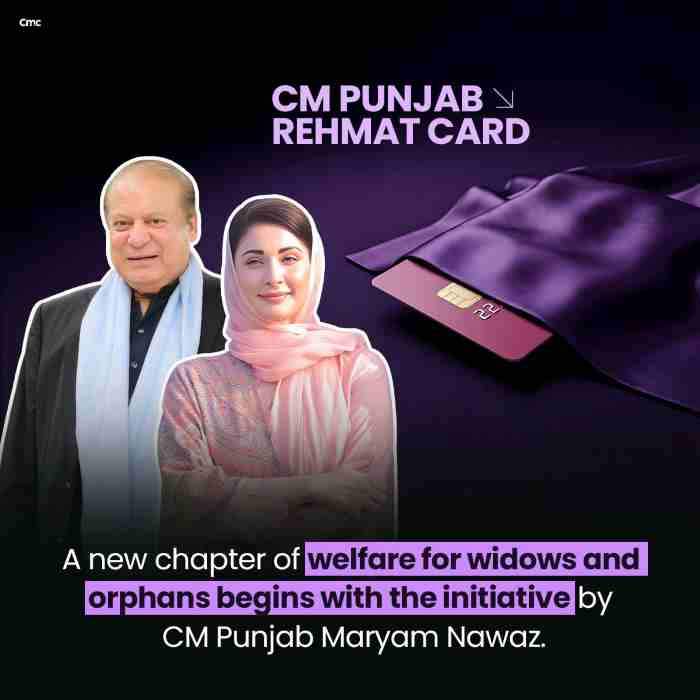
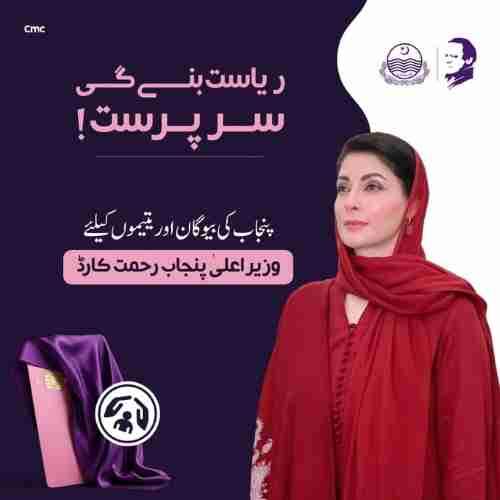
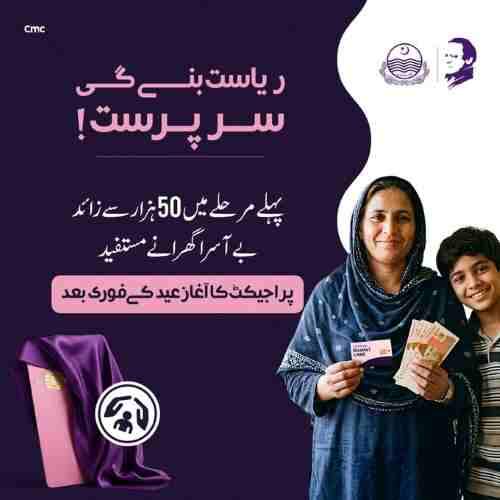
- Read More: CM Punjab Rehmat Card (Apply Now) | 25K to 1 Lakh For Widow & orphans
- Read More: PEF Phase 3 School List PDF Download (All Punjab District Wise)
- Read More: Shahbaz Sharif Ramzan Package (Registration PKR 13000)
- Read More: Maryam Nawaz 10000 Ramzan Package [Apply Online]
CM Punjab Bewa Sahara Card Registration | Punjab Portal
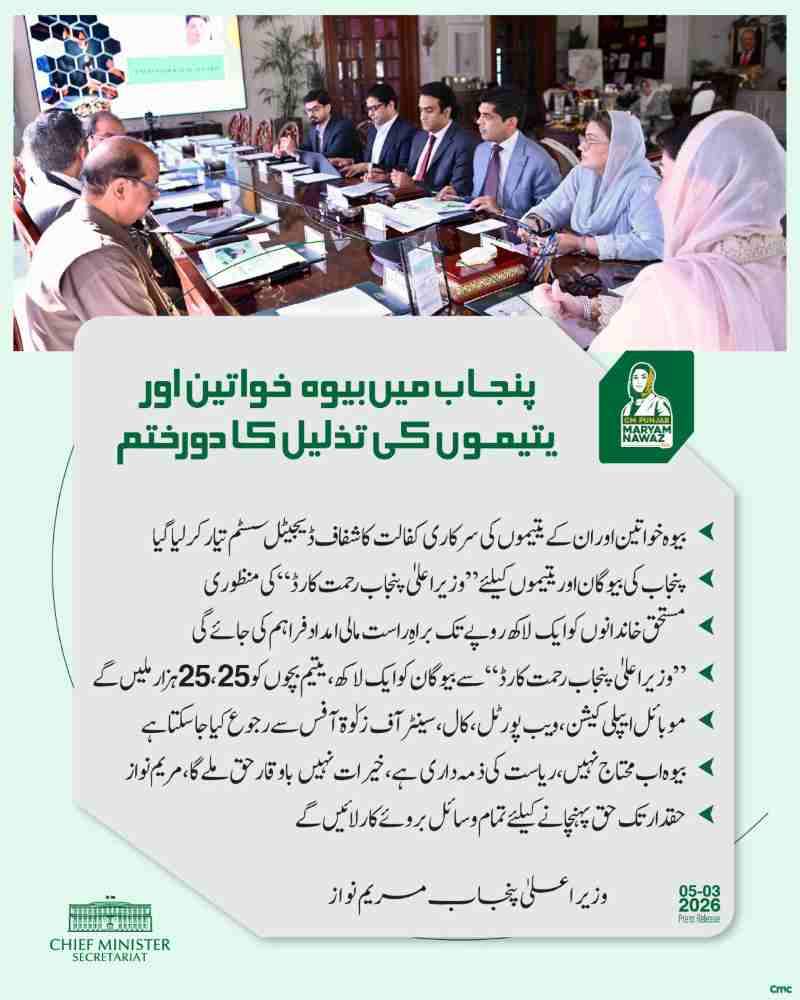
Table Of Contents
Understanding the CM Punjab Bewa Sahara Card 2026 Program
The CM Punjab Bewa Sahara Card 2026 represents a paradigm shift in how provincial governments approach social welfare for vulnerable widows. Rather than offering temporary, inadequate relief that barely scratches the surface of financial need, this program delivers substantial, structured assistance designed to lift families out of poverty and into stability. Chief Minister Maryam Nawaz has positioned this initiative as a cornerstone of her administration’s commitment to women’s empowerment and social protection, ensuring that widows across Punjab receive not just charity, but their rightful share of state resources.
What Exactly Is the CM Punjab Bewa Sahara Card and How Does It Function?
The Bewa Sahara Card operates as both an identification document and a financial instrument, linked directly to the beneficiary’s verified digital identity within the Punjab Social Protection Authority database. When a widow receives approval for the program, her information is securely stored in the system, and her card becomes the key that unlocks monthly financial transfers and the one-time grant. Unlike traditional welfare programs that require repeated visits to government offices for each payment, this card enables seamless, automated transactions through Pakistan’s banking infrastructure and mobile wallet networks.
The card itself carries the beneficiary’s photograph and unique identification number, but its real power lies in the backend systems managed by multiple government departments working in concert. The Punjab Social Protection Authority oversees the entire program’s implementation, while the Punjab Socio-Economic Registry maintains the eligibility database that determines who qualifies. NADRA provides the crucial identity verification layer, confirming that every applicant is exactly who she claims to be and that her widow status is officially documented. This multi-agency approach ensures that fraud is minimized and that genuine widows receive their entitled assistance without bureaucratic delays.
Read More: PEF Phase 3 Online Apply | School List, Last Date to Apply
Why Did the Punjab Government Launch This Specific Welfare Initiative?
The rationale behind the Bewa Sahara Card stems from stark statistical realities about widowhood in Pakistan’s most populous province. Census data reveals that hundreds of thousands of widows live below the poverty line, with many lacking any formal education or marketable skills that could generate income. When the primary breadwinner dies, these women often find themselves thrust into poverty through no fault of their own, forced to choose between feeding their children and paying for essential medications.
Traditional zakat systems and occasional government handouts proved insufficient to address this structural problem. A one-time payment of a few thousand rupees might cover a month’s expenses, but it does nothing to prevent the same family from sinking back into poverty the following month. The Bewa Sahara Card addresses this by providing both an immediate financial injection through the one-time grant and a sustainable monthly income stream that continues indefinitely. This dual approach acknowledges that widows need both capital to address urgent debts and ongoing support to maintain stability over the long term.
How Does Bewa Sahara Compare to Previous Widow Assistance Programs?
Previous welfare efforts for widows in Punjab suffered from several critical flaws that limited their effectiveness. Applications often required multiple visits to different government departments, with each visit demanding new paperwork and explanations. Payment distribution relied on physical cash handouts at designated centers, creating opportunities for theft, harassment, and the notorious practice of officials demanding bribes before releasing funds. The entire system lacked transparency, leaving widows unsure whether they had been approved, when payments would arrive, or how to resolve problems when they arose.
The Bewa Sahara Card systematically eliminates each of these weaknesses. Digital registration through the PSER portal means applications can be completed from home without repeated travel. Biometric verification confirms identity beyond any doubt, preventing impostors from claiming benefits meant for genuine widows. Direct bank transfers or mobile wallet credits mean funds appear automatically without requiring physical presence at distribution points. Perhaps most importantly, the entire process generates SMS notifications at every stage, keeping beneficiaries informed about their application status and payment schedules without requiring them to chase down information.
Which Government Bodies Collaborate to Deliver This Program?
The successful implementation of the Bewa Sahara Card requires seamless coordination between multiple government entities, each bringing specialized expertise to the table. The Punjab Social Protection Authority serves as the lead agency, holding ultimate responsibility for program design, implementation monitoring, and beneficiary support through its dedicated helpline. PSPA staff handle the complex work of verifying applications, resolving disputes, and ensuring that payments reach the right people on schedule.
The Punjab Socio-Economic Registry functions as the technical backbone, maintaining the comprehensive database of low-income households that determines eligibility for multiple welfare programs. When a widow applies for the Bewa Sahara Card, her information is cross-referenced against PSER records to confirm her poverty status and ensure she is not already receiving duplicate benefits from other provincial schemes. This data-driven approach eliminates the guesswork and favoritism that plagued earlier programs.
NADRA provides the essential identity verification layer, confirming that every applicant’s CNIC is valid, that her husband’s death is officially recorded, and that her children’s B-Forms are authentic. This verification happens automatically through secure data sharing agreements, eliminating the need for applicants to obtain separate verification letters or certificates. The Zakat and Ushr Department contributes funding for the one-time grant component, ensuring that Shariah-compliant resources reach those most deserving of assistance.
Eligibility Criteria for the Bewa Sahara Card
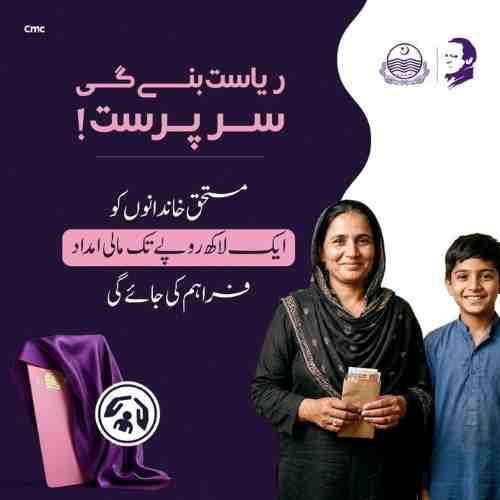
Qualifying for the CM Punjab Bewa Sahara Card requires meeting specific criteria designed to target assistance toward the most vulnerable widows while preventing abuse of the system. The government has established clear, objective standards that every applicant must satisfy, removing subjective judgment from the eligibility determination process. Understanding these requirements before applying can save considerable time and prevent the disappointment of rejection after completing the application.
What Are the Core Eligibility Conditions Every Applicant Must Satisfy?
The foundational requirement for the Bewa Sahara Card is widow status verified through NADRA’s official records. This means the applicant’s husband must be deceased, and his death must be registered with NADRA, resulting in a verifiable death certificate. Women who are divorced, separated, or whose husbands are missing but not confirmed deceased do not qualify for this specific program, though they may be eligible for other government assistance schemes designed for their circumstances.
Permanent residency in Punjab constitutes the second non-negotiable requirement. Applicants must possess a Punjab domicile certificate or demonstrate through other official documents that they have lived continuously in the province for an extended period. This provincial focus ensures that Punjab’s tax revenues benefit Punjab’s residents, maintaining the social contract between citizens and their government.
Income level plays a crucial role in determining eligibility, with the program explicitly designed for widows from low-income households. While the government does not publish an exact income cutoff, the verification process through PSER examines multiple factors including housing conditions, asset ownership, and monthly expenses to determine whether an applicant genuinely needs assistance. Widows who own significant property, operate successful businesses, or receive substantial income from other sources will not qualify regardless of their widow status.
Employment status provides another important filter, with government employees and pension recipients automatically disqualified. The rationale here is straightforward: individuals already receiving regular income from the state do not require additional welfare assistance, and excluding them allows limited resources to stretch further among those with no other support. Widows whose husbands died while in government service may receive survivor pensions, and those receiving such benefits should verify whether they remain eligible or fall under the exclusion clause.
How Does Bewa Sahara Prioritize Applicants When Demand Exceeds Supply?
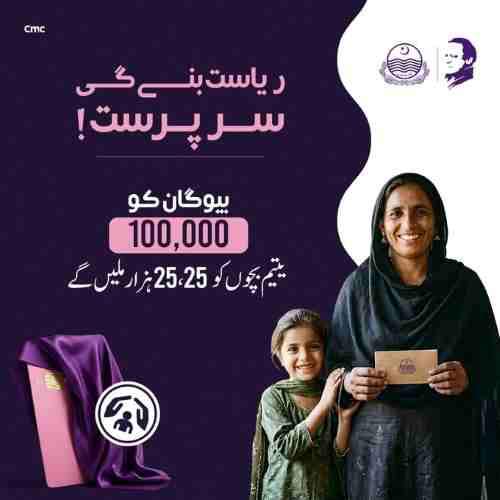
Given the scale of need across Punjab, the Bewa Sahara Card program cannot assist every widow simultaneously, so the government has established priority criteria to ensure the most desperate cases receive help first. Widows with dependent children automatically rise to the top of the processing queue, with those supporting multiple children receiving the highest priority. This reflects the understanding that children compound financial pressure exponentially, requiring spending on food, clothing, education, and healthcare simultaneously.
Women already registered in the PSER database receive priority processing because their socio-economic status has already been verified, reducing the verification workload and enabling faster approvals. Widows living in rural areas with limited access to alternative support systems also receive preference, as urban widows typically have greater access to employment opportunities and family networks.
Age interacts with other factors in the priority system, with elderly widows who cannot work receiving higher priority than younger widows who might potentially support themselves through employment. Similarly, widows with disabilities or chronic health conditions that prevent income generation receive priority over able-bodied applicants who could theoretically work, even if jobs are scarce.
Can Divorced or Separated Women Apply for CM Punjab Bewa Sahara Card?
The Bewa Sahara Card is explicitly and exclusively designed for widows, meaning women whose husbands have died. Divorced women, separated women, and those whose husbands have abandoned them do not qualify under the program’s current eligibility criteria. The verification process specifically requires the husband’s death certificate from NADRA, which cannot be produced in cases of divorce or separation.
This limitation sometimes causes confusion and frustration among women facing similar financial hardships from different circumstances. However, the government maintains separate programs for divorced and separated women through other departments, and affected individuals should inquire at their local Social Welfare office about alternative assistance options rather than attempting to apply for a program for which they are not eligible.
Does Receiving BISP Payments Affect Bewa Sahara Card Eligibility?
The relationship between federal BISP payments and provincial Bewa Sahara Card eligibility requires careful understanding to avoid confusion. BISP is a federal program, while Bewa Sahara is a provincial initiative, and the rules governing interaction between the two are still evolving. Generally, receiving BISP does not automatically disqualify a widow from also receiving the Bewa Sahara Card, because the programs serve different purposes and draw from different funding sources.
However, the final determination depends on the widow’s overall financial situation as assessed through PSER. If BISP payments already provide sufficient support to lift the family above the poverty threshold, the widow may not qualify for additional provincial assistance. Conversely, if BISP payments are modest and the family remains in poverty, the widow may qualify for both programs simultaneously. The PSER verification process examines total household income from all sources, including BISP, when making eligibility determinations.
Financial Assistance Structure Under the Bewa Sahara Card
The financial support provided through the CM Punjab Bewa Sahara Card combines immediate relief with ongoing stability through a carefully calibrated two-part structure. Understanding exactly how much money is available and under what conditions helps applicants plan their finances and set realistic expectations about the assistance they will receive.
How Much Money Do Widows Receive Through the One-Time Grant?
The one-time grant component of the Bewa Sahara Card provides substantial immediate capital designed to address urgent financial needs, clear accumulated debts, or provide startup capital for small businesses. The base grant for widows without children stands at Rs. 100,000, an amount sufficient to cover several months of essential expenses or make significant progress toward financial goals.
Widows supporting one child receive an enhanced grant of Rs. 125,000, incorporating an additional Rs. 25,000 specifically allocated for child-related expenses. This recognizes that single mothers face higher costs for food, clothing, and education than widows without dependents. The additional amount might cover school fees for an entire academic year, purchase uniforms and books, or provide nutritional support essential for healthy development.
For widows with two or more children, the grant increases to Rs. 150,000, adding a total of Rs. 50,000 above the base amount. This maximum tier acknowledges that each additional child multiplies expenses rather than simply adding them linearly. Older children may require more expensive education, teenagers need more food, and multiple children create logistical challenges that increase costs across the board.
What Monthly Stipend Amount Can Beneficiaries Expect?
Beyond the one-time grant, approved widows receive a recurring monthly stipend of Rs. 10,000 deposited directly into their designated bank accounts or mobile wallets. This regular income stream provides predictable support for ongoing expenses like rent, utilities, groceries, and medications that never stop demanding payment.
The monthly stipend operates independently of the one-time grant, meaning widows who receive the full Rs. 150,000 grant also receive the Rs. 10,000 monthly payment, creating a powerful combination of immediate capital and sustained support. This dual structure acknowledges that while a large lump sum can solve immediate crises and fund major purchases, families need ongoing income to maintain stability month after month.
How Does the Bewa Sahara Calculate Additional Support for Children?
The child support calculation follows a straightforward formula designed for transparency and ease of understanding. Each eligible child increases the grant amount by Rs. 25,000, up to a maximum of two children. This means widows with one child receive an extra Rs. 25,000 beyond the base amount, while those with two or more children receive Rs. 50,000 extra.
The limitation to two children for maximum additional support reflects the government’s assessment that after two children, the marginal cost of additional children decreases as economies of scale in housing, transportation, and other shared expenses take effect. Families with more than two children still receive the maximum Rs. 150,000 grant but do not receive additional increments for each subsequent child.
Children’s eligibility requires official documentation through NADRA-issued B-Forms, which prove both the child’s existence and their relationship to the applicant widow. Widows whose children lack B-Forms should prioritize obtaining these documents before applying, as applications submitted without proper child documentation will be processed at the base amount only.
What Is the Total Government Budget Allocated for CM Punjab Bewa Sahara Card?
The Punjab government has demonstrated serious commitment to widow welfare by allocating Rs. 4 billion specifically for the Bewa Sahara Card one-time grant component. This substantial funding demonstrates political will to address widow poverty at scale rather than through token gestures that barely scratch the surface of need.
Beyond the one-time grant budget, additional funds from the Punjab Social Protection Authority’s regular allocations cover the monthly stipend payments, ensuring sustainable long-term support rather than a one-off distribution that leaves recipients back where they started after funds are exhausted. The combination of dedicated grant funding and ongoing operational budgets suggests the program is designed for permanence rather than being a temporary election-year gimmick.
Required Documentation for Successful Registration
Complete and accurate documentation forms the foundation of a successful Bewa Sahara Card application, with missing or incorrect documents representing the single most common cause of rejection. Gathering everything before starting the application process saves time, reduces frustration, and dramatically increases approval odds.
What Documents Must Every Applicant Provide?
The Computerized National Identity Card stands as the most essential document, serving as the primary identifier that links the applicant to all government databases. The CNIC must be valid and current, not expired, and should ideally reflect the applicant’s widow status if she has updated her marital status with NADRA since her husband’s death. Both the original card and clear photocopies are required for verification purposes.
The husband’s death certificate, issued and verified by NADRA, provides the definitive proof of widow status that the program requires. This document must be the official NADRA version, not simply a Union Council certificate that has not been entered into the national database. Widows whose death certificates exist only at the Union Council level must first visit NADRA to have the death officially registered before they can proceed with their Bewa Sahara application.
Children’s B-Forms become mandatory for widows seeking the enhanced grant amounts tied to dependent children. These documents, officially known as Child Registration Certificates, prove each child’s identity, age, and relationship to the applicant. The B-Forms must be the current computerized version, and the information on them must match the mother’s information in NADRA records perfectly.
Proof of Punjab residency can take several forms, with domicile certificates being the strongest evidence. However, the government also accepts long-term utility bills showing consistent addresses in Punjab, rental agreements, or affidavits from local officials confirming residence. The key requirement is establishing that the applicant actually lives in Punjab rather than merely claiming residency for program access.
Why Is a Mobile Number Registered in the Applicant’s Name Critical?
The mobile number provided during registration serves as the primary communication channel for the entire application and payment process. When you submit your application, an SMS confirmation arrives at this number, providing your tracking reference and confirming successful submission. Throughout the verification process, status updates arrive via SMS, keeping you informed without requiring portal visits.
If verification identifies issues with your documents or if officials need additional information, the mobile number provides the contact method for reaching you. When your application is approved, an SMS announces the good news. When payments are processed and funds transferred, another SMS confirms the transaction and provides instructions for withdrawal.
All of this depends entirely on the mobile number being registered in your name with NADRA. Numbers registered to husbands, children, or other relatives fail verification checks and trigger application delays or rejection. Before applying, visit your mobile network operator’s customer service center with your CNIC to confirm your SIM registration status and transfer any family member’s number to your own name if necessary.
What Happens If Documents Contain Errors or Inconsistencies?
Document errors create significant problems during verification because automated systems compare information across multiple databases and flag any discrepancies for manual review. A misspelled name on a death certificate that doesn’t match the CNIC, a B-Form showing a different date of birth than expected, or a utility bill with an address different from the application form all trigger verification delays.
Minor errors may be resolvable through manual review, but this process can take weeks or months as officials attempt to determine which document reflects accurate information. Major inconsistencies often result in outright rejection, requiring the applicant to correct the underlying documents before reapplying. The safest approach involves carefully reviewing all documents before submission and resolving any discrepancies at NADRA or other issuing authorities first.
Step-by-Step Application Process for the Bewa Sahara Card
The Punjab government has designed the Bewa Sahara Card application process to accommodate women with varying levels of technological access and comfort, offering both online and in-person registration options. Understanding the steps involved in each method helps applicants choose the approach that works best for their circumstances.
How Do I Complete Online Registration Through the PSER Portal?
Online registration begins by visiting the official PSER portal at pser.punjab.gov.pk, the centralized platform for all Punjab welfare programs. The website works on both computers and mobile phones, though a computer with a larger screen makes document uploading easier. First-time visitors should look for the New Registration or Sign Up link to create an account.
Account creation requires entering your 13-digit CNIC number without spaces and your active mobile number. The system sends a verification code via SMS to confirm you control the provided number. Enter this code on the website to activate your account and proceed to the application form.
The household survey represents the most time-consuming but crucial part of the process. You must provide detailed information about all family members living in your household, including their names, CNIC numbers, ages, and relationships to you. Income information requires honest reporting about all sources of household income, including any remittances, rental income, or informal earnings. Asset questions cover property ownership, vehicles, livestock, and other valuable possessions.
Document uploading follows the survey, requiring clear scans or photographs of each required document. The system accepts common formats like JPG and PDF, and files should be clearly legible without glare or blurring. Each document type has a designated upload slot, making it easy to ensure nothing is missed.
Final review allows you to examine all entered information before submission. Take this opportunity seriously, scrolling through every field to verify accuracy. Once satisfied, click submit and immediately record the reference number displayed on the confirmation screen. This number becomes your key to tracking application status going forward.
Where Can I Find In-Person Registration Centers Near Me?
For women who prefer face-to-face assistance or lack reliable internet access, Punjab has established registration centers throughout every district. e-Khidmat Markaz locations, previously known as One-Window Operations, exist in every tehsil and provide comprehensive government services under one roof. These centers employ trained staff who guide applicants through the entire registration process.
Social Welfare Department offices also accept applications and provide assistance. These offices exist in every district headquarters and many tehsil-level towns, staffed by officials experienced in handling welfare cases. Women who have previously interacted with Social Welfare for other programs may find familiar faces who can expedite their applications.
PSER-specific registration centers have been established at Union Council offices and selected schools to increase accessibility, particularly in rural areas. The government has announced over 5,000 such centers across Punjab, ensuring that no woman should travel more than a few kilometers to reach registration assistance.
When visiting any center, bring all original documents plus multiple photocopies. The staff will review your documents, help complete any necessary forms, and enter your information into the system on your behalf. Biometric verification occurs at the center, capturing your fingerprints to confirm identity. You receive a printed acknowledgment slip containing your reference number before leaving.
Can I Apply Using the Maryam Nawaz Mobile Application?
The Punjab government has embraced mobile technology through official applications designed to make government services accessible via smartphone. The Maryam Ki Duniya app and Maryam Ko Batayn app both provide pathways to submit requests for financial assistance and access information about government programs.
These apps serve primarily as entry points that direct users to the appropriate registration channels rather than functioning as complete application platforms themselves. Through the apps, you can find links to the PSER portal, access helpline numbers, and receive updates about program announcements. For women comfortable with smartphones but unsure where to start online, these apps provide a trusted, official starting point.
What Happens After I Submit My Application?
Submission triggers an automated verification process that examines your information against multiple government databases. NADRA verification confirms your CNIC validity, checks your husband’s death certificate against official records, and verifies any children’s B-Forms you submitted. This automated check typically completes within days.
PSER database comparison examines your household’s socio-economic profile to confirm poverty status and check for duplicate benefits from other programs. If you were already registered in PSER, this comparison proceeds quickly. If not, your application data creates a new PSER profile that becomes part of the permanent database.
Manual review occurs only if automated checks identify discrepancies or if your application falls into a category requiring human judgment. During manual review, officials examine your documents and information to determine eligibility when automated systems cannot reach a definitive conclusion. This stage causes the longest delays, potentially extending verification to several weeks.
Throughout this process, SMS updates arrive at your registered mobile number, informing you of each stage completion. You can also check status online by visiting the PSER portal and entering your CNIC and reference number. The portal displays current status clearly, showing whether your application remains under review, has been approved, or requires additional information.
Important Deadlines and Timeline Considerations
The current registration window for the CM Punjab Bewa Sahara Card operates on a fixed schedule with a clear deadline, making timing awareness essential for potential applicants. Missing the deadline means waiting for future announcements that may or may not materialize, so acting promptly serves every widow’s interest.
When Does Registration Close for the Current Phase?
The government has established March 14, 2026, as the final date for accepting applications in the current registration phase. This deadline reflects the government’s commitment to processing applications and distributing funds before the holy month of Ramadan, when household expenses typically increase and financial pressure intensifies.
Applications submitted after March 14 will not be accepted, regardless of circumstances or eligibility. The online portal automatically rejects late submissions, and registration centers stop accepting applications on the deadline date. Widows who miss this window must wait for future announcements about subsequent registration phases, which may take months or longer to materialize.
How Long Does the Verification Process Typically Require?
Complete, accurate applications with properly verified documents typically complete verification within two to four weeks. This timeline allows for automated database checks, manual review when necessary, and final approval processing before payment initiation.
Applications with document issues or information discrepancies face significantly longer timelines as officials attempt to resolve problems. In some cases, verification extends beyond a month, particularly if applicants must be contacted for additional information or if manual review queues are backlogged.
The speed of verification depends partly on when you apply relative to the deadline. Early applicants benefit from shorter queues and faster processing before the final rush. Those who wait until the last week face processing delays as the system handles maximum volume, potentially pushing approval beyond the deadline even if they submitted on time.
When Will Approved Beneficiaries Receive Their Payments?
The government has announced that first-phase payments will begin reaching approved beneficiaries by the end of February 2026, with subsequent payments following a regular monthly schedule. This timing ensures that widows receive assistance before Ramadan, when food prices rise and charitable giving traditionally increases.
One-time grants will be disbursed as soon as verification completes, meaning early applicants receive their funds earlier while later applicants wait for processing. Monthly stipends begin the month following approval and continue on a fixed schedule thereafter.
Payment timing also depends on the accuracy of bank account or mobile wallet information provided during application. Incorrect account numbers or wallet IDs delay transfers while officials attempt to resolve the issue. Double-checking this information before submission prevents such delays.
Tracking Your Application and Managing Payments
Once your application is submitted, staying informed about its progress and managing your payments effectively ensures you receive the full benefits you deserve without unnecessary complications. The government provides multiple channels for status checking and payment management.
How Can I Check My Application Status Online?
The PSER portal offers the most comprehensive status checking option, displaying detailed information about where your application stands in the verification process. Visit pser.punjab.gov.pk and look for the Check Status or Track Application link, typically found on the homepage. Enter your 13-digit CNIC number and the reference number you received after submission.
The portal displays your current status using clear terminology. Under Review means verification continues normally. Additional Information Required indicates officials need something from you before proceeding. Approved confirms you have been accepted into the program. Payment Processed means funds have been transferred to your account. Rejected indicates your application did not meet eligibility requirements.
Can I Track My Application Through SMS?
SMS tracking provides a convenient alternative for women without regular internet access. Send your CNIC number to 8070 or 8171, the short codes designated for welfare program inquiries. Within minutes, you receive a return SMS with your current status information.
The SMS system also delivers unsolicited updates throughout the process. When your application status changes, when verification completes, and when payments are processed, automated messages arrive at your registered mobile number. Keeping this number active and accessible ensures you never miss important notifications.
How Do I Withdraw Money Once Payments Are Processed?
Payment withdrawal methods depend on the information you provided during registration. If you supplied bank account details, funds transfer directly to that account, appearing like any other bank credit. You can withdraw using your ATM card at any machine or visit your bank branch for over-the-counter withdrawal.
If you registered a mobile wallet such as JazzCash or Easypaisa, funds appear in your wallet balance, accessible through your mobile phone. Withdrawal options include transferring to your bank account, visiting any affiliated retail shop for cash withdrawal, or using mobile wallet cards at participating ATMs.
Some beneficiaries may receive physical Bewa Sahara Cards usable at biometric-enabled ATMs from partner banks including HBL and Bank Alfalah. These cards require fingerprint verification for withdrawals, adding security against unauthorized use. Instructions for card activation and PIN setup arrive via SMS when your card is ready.
What Should I Do If My Mobile Number Changes After Applying?
Mobile number changes after application submission create serious problems because all communication relies on the registered number. The first step in updating your number involves visiting NADRA to update your records, as the PSER system draws contact information from NADRA’s database.
Once NADRA updates reflect your new number, allow several days for the change to propagate through connected systems. You can then contact the PSPA helpline at 1221 to confirm that your new number is properly linked to your application. Provide your CNIC and reference number for verification.
Do not simply change SIM cards without updating NADRA records, as this creates a mismatch between your physical number and the government’s records that causes verification failures for future communications.
Troubleshooting Common Application Problems
Even carefully prepared applications can encounter problems during processing, but understanding common issues and their solutions helps resolve problems quickly without abandoning your application. Most issues stem from document problems or information inconsistencies that can be corrected.
What Happens If My Application Is Rejected?
Application rejection triggers an SMS notification explaining the reason for rejection, though the explanation may be brief. Common rejection reasons include ineligible status, income exceeding limits, document verification failure, or duplicate application detection.
After rejection, you can reapply during the same registration window if you can correct the underlying problem. For example, if rejection occurred because your death certificate wasn’t NADRA-verified, obtaining proper verification and reapplying may succeed. If rejection occurred because your income exceeds limits, however, no correction can make you eligible.
Visiting an e-Khidmat Markaz after rejection proves helpful because staff can access your application details and explain exactly why rejection occurred. They can also guide you through preparing a corrected application that addresses the specific issues.
Why Is Biometric Verification Mandatory?
Biometric verification serves as the government’s primary defense against fraud and identity theft in welfare programs. Your fingerprints, captured during registration or at a verification camp, are compared against NADRA’s database to confirm you are exactly who you claim to be.
This verification prevents several types of fraud that plagued earlier programs. Someone else cannot apply using your CNIC because their fingerprints won’t match. You cannot apply multiple times under slightly different names because fingerprints reveal duplicate identities. Deceased individuals cannot remain on beneficiary rolls because biometric verification confirms living status.
While some women feel uncomfortable providing fingerprints, understanding the fraud-prevention purpose helps explain why this step remains non-negotiable for program participation.
What Common Mistakes Cause Application Delays?
Several easily avoidable mistakes consistently cause application delays that frustrate applicants and slow processing. Mismatched information across documents tops the list—if your CNIC shows one name spelling and your death certificate shows another, verification stalls.
Blurry or illegible document uploads prevent automated systems from reading information correctly, triggering manual review requirements that take weeks. Taking clear, well-lit photographs against contrasting backgrounds ensures readability.
Providing a mobile number not registered in your name causes SMS delivery failures and verification flags. Always confirm your SIM registration status before applying.
Applying multiple times hoping to increase approval chances actually causes automatic rejection as the system detects duplicate entries. Submit one complete, accurate application and wait rather than attempting multiple submissions.
Attempting to pay agents who promise guaranteed approval wastes money and accomplishes nothing because registration is free and no one can guarantee outcomes. Report such individuals rather than paying them.
Connecting the Bewa Sahara Card to Other Welfare Systems
The Bewa Sahara Card does not exist in isolation but forms part of Punjab’s comprehensive social protection network, connecting beneficiaries to multiple programs through shared databases and verification systems. Understanding these connections helps widows access all available support.
What Is the Punjab Socio-Economic Registry and Why Does It Matter?
The Punjab Socio-Economic Registry functions as the master database of low-income households across the province, containing detailed information about family composition, income sources, living conditions, and existing benefit receipt. When you register for the Bewa Sahara Card, you automatically join the PSER if not already registered.
PSER membership matters because it makes you visible for all Punjab welfare programs, not just the Bewa Sahara Card. Once your household profile exists in the registry, you become eligible for consideration for Ramadan relief packages, education stipends for children, health insurance programs, and emergency assistance without submitting separate applications for each.
The registry also enables the government to plan targeted interventions based on actual data rather than guesswork. When officials know exactly how many widows live in each district, their income levels, and their specific needs, they can design programs that address real problems rather than assumed ones.
How Does the Bewa Sahara Card Differ From the Himmat Card?
The Himmat Card serves persons with disabilities, providing financial assistance and access to mobility aids, medical care, and rehabilitation services. While both cards come from the Punjab government and share the same digital infrastructure, they target completely different populations with different needs.
A widow with a disability could potentially qualify for both programs simultaneously, receiving Bewa Sahara Card benefits for her widow status and Himmat Card benefits for her disability. The application processes remain separate, but PSER data sharing simplifies verification for both.
Is There a Separate Card for Minority Community Widows?
The Punjab government demonstrates commitment to inclusivity through the Minority Sahara Card, available through the dedicated portal mcard.punjab.gov.pk. This program provides similar benefits specifically for widows and deserving individuals from minority communities including Christians, Hindus, Sikhs, and others.
The separate portal exists partly to ensure that minority communities feel welcomed and served by government programs and partly to streamline administration of funds specifically designated for minority welfare. Eligibility criteria generally mirror the main Bewa Sahara Card, with additional focus on ensuring religious minorities receive their fair share of state resources.
Final Checklist and Action Steps
Before beginning your Bewa Sahara Card application, reviewing this comprehensive checklist ensures you have everything needed for a smooth, successful process without unexpected complications or delays.
Pre-Application Preparation Checklist
Confirm your widow status by ensuring your husband’s death is registered with NADRA and you possess the official death certificate. If the death certificate exists only at Union Council level, visit NADRA for official registration before proceeding further.
Verify your CNIC is valid and not expired, with your current address and marital status correctly reflected. Expired cards require renewal at NADRA before they can be used for application.
Gather children’s B-Forms if you have dependent children and intend to claim enhanced grant amounts. Each child’s form must be the computerized version with clear, legible information.
Secure proof of Punjab residency through domicile certificate, long-term utility bills, rental agreement, or official affidavit. Ensure the address matches information you will provide on your application.
Confirm your mobile SIM is registered in your name by visiting your network provider’s customer service center with CNIC. Request confirmation of registration and correction if needed.
Prepare bank account or mobile wallet details if you have a preference for payment method. Bank accounts require IBAN numbers, while mobile wallets require the registered mobile number associated with the account.
Application Submission Timeline
Begin your application as early as possible within the registration window, ideally before March 1, 2026. Early submission places you ahead in processing queues and provides time to address any issues that arise.
If applying online, allocate at least one hour for completing the household survey carefully without rushing. Rushed applications more often contain errors that cause delays.
If applying in person, visit during morning hours on weekdays when centers are least crowded. Bring snacks and water as wait times can extend during peak periods.
Post-Submission Actions
Record your reference number immediately after submission and store it safely where you can find it later. This number unlocks all future status checks and communication.
Save helpline numbers in your phone contacts: PSPA at 1221 for program queries, PSER at 0800-02345 for registration issues, and NADRA for document problems.
Monitor your SMS inbox regularly and respond promptly to any requests for additional information. Delayed responses delay your application.
Check your application status weekly through portal or SMS to stay informed without obsessively checking daily.
Red Flags to Avoid
Never pay anyone anything for Bewa Sahara Card registration, forms, or guaranteed approval. The process costs nothing, and anyone demanding payment is committing fraud.
Never share your CNIC number or reference number with strangers who contact you claiming to be officials. Genuine officials already have your information through official systems.
Never submit multiple applications hoping to increase chances. Multiple submissions trigger automatic rejection.
Never ignore SMS requests for information hoping the problem will resolve itself. Unresolved issues result in rejection.
Frequently Asked Questions
What is the CM Punjab Bewa Sahara Card 2026?
The CM Punjab Bewa Sahara Card 2026 is a government welfare program providing financial assistance to widows in Punjab, offering a monthly stipend of Rs. 10,000 and a one-time grant ranging from Rs. 100,000 to Rs. 150,000 based on the number of dependent children.
Who is eligible for the Bewa Sahara Card in Punjab?
Eligible applicants are widows with NADRA-verified death certificates of their husbands, permanent residents of Punjab, belonging to low-income households, and not receiving other major provincial stipends or government pensions.
How much money is given through the CM Punjab Bewa Sahara Card?
Beneficiaries receive a monthly stipend of Rs. 10,000 plus a one-time grant of Rs. 100,000 for widows with no children, Rs. 125,000 for those with one child, and Rs. 150,000 for those with two or more children.
How can I apply online for the Bewa Sahara Card?
Visit the official PSER portal at pser.punjab.gov.pk, create an account using your CNIC and mobile number, complete the household survey accurately, upload required documents, and submit before the deadline.
What documents are required for the CM Punjab Bewa Sahara Card?
Required documents include your valid CNIC, husband’s NADRA-verified death certificate, children’s B-Forms if applicable, proof of Punjab residence, and an active mobile number registered in your name.
Is the Bewa Sahara Card registration open for 2026?
Yes, registration is currently open and will continue until March 14, 2026. Applications submitted after this date will not be accepted in the current phase.
How do I check my Bewa Sahara Card application status?
Check your status online at the PSER portal using your CNIC and reference number, or send your CNIC via SMS to 8070 or 8171 to receive an immediate status update.
What is the last date to apply for the Bewa Sahara Card?
The last date to submit applications for the current registration phase is March 14, 2026. Early submission is strongly recommended to avoid last-minute technical issues.
Does the Bewa Sahara Card provide monthly or one-time payments?
The program provides both: a recurring monthly stipend of Rs. 10,000 and a one-time grant of Rs. 100,000 to Rs. 150,000 depending on family composition.
Can widows with children get more money from the Bewa Sahara Card?
Yes, widows with one child receive Rs. 125,000 (additional Rs. 25,000), while those with two or more children receive Rs. 150,000 (additional Rs. 50,000) as part of the one-time grant.
How do I register on the PSER portal for the Bewa Sahara Card?
Create an account at pser.punjab.gov.pk using your CNIC and mobile number, complete the detailed household survey providing accurate information about family, income, and assets, then upload required documents.
Where are the registration centers for the Bewa Sahara Card in Lahore?
Registration centers include e-Khidmat Markaz locations throughout Lahore, Social Welfare Department offices, and designated PSER registration centers at Union Council offices. Visit any for in-person assistance.
Is there a helpline number for the CM Punjab Bewa Sahara Card?
Yes, the primary helpline is 1221 for the Punjab Social Protection Authority. For PSER registration issues, call 0800-02345. Both numbers provide guidance and support.
Can widows already receiving BISP apply for this card?
Receiving federal BISP payments does not automatically disqualify applicants, but final eligibility depends on overall household income assessment through PSER. Contact the helpline for case-specific guidance.
What is the age limit for widows to apply for the Bewa Sahara Card?
No specific age limit applies, but applicants must possess a valid CNIC. Priority considerations may affect processing speed but not basic eligibility based on age alone.
How long does the verification process take for the Bewa Sahara Card?
Complete, accurate applications typically verify within two to four weeks. Applications with document issues or information discrepancies may take longer as officials resolve problems.
What if my husband’s death certificate is not from NADRA?
You must first register the death with NADRA and obtain the official NADRA-verified certificate before applying. Union Council certificates alone will not be accepted.
Can divorced women apply for the Bewa Sahara Card?
No, the program is exclusively for widows with NADRA-verified death certificates. Divorced women do not qualify under current eligibility criteria.
How do I withdraw money from the Bewa Sahara Card?
Funds transfer directly to your registered bank account or mobile wallet. Withdraw from ATMs using your bank card, visit bank branches, or access mobile wallet funds at affiliated retail shops.
Are there any fees for the Bewa Sahara Card application?
No, registration is completely free. Any individual demanding payment for application processing, forms, or guaranteed approval is committing fraud and should be reported.
What happens if my Bewa Sahara Card application is rejected?
Review the rejection reason provided via SMS, correct any underlying issues, and reapply before the March 14 deadline if possible. Visit an e-Khidmat Markaz for guidance.
How much extra money is given for one child under this scheme?
Widows with one child receive an additional Rs. 25,000 beyond the base amount, bringing their total one-time grant to Rs. 125,000.
Do I need a B-Form for my children to apply for the Bewa Sahara Card?
Yes, if you are applying for enhanced grant amounts based on dependent children. B-Forms verify each child’s identity and relationship to you.
Is the Bewa Sahara Card available in Sindh or KPK?
No, this is a Punjab-specific provincial program available only to permanent residents of Punjab. Other provinces operate separate welfare schemes.
How can I update my mobile number in the Bewa Sahara database?
First update your number with NADRA, then contact the PSPA helpline at 1221 to confirm the change has propagated to your application record.
Can I apply for the Bewa Sahara Card through an SMS code?
SMS codes like 8070 and 8171 are used for status checking, not initial application submission. Complete applications require online portal or in-person center registration.
Is biometric verification mandatory for the Bewa Sahara Card?
Yes, biometric fingerprint verification is mandatory to confirm identity and prevent fraud. Applications cannot proceed to approval without successful biometric verification.
What is the difference between the Himmat Card and the Bewa Sahara Card?
The Himmat Card serves persons with disabilities, while the Bewa Sahara Card specifically supports widows. Both are Punjab government initiatives but target different populations.
Can a widow with a government job apply for the Bewa Sahara Card?
No, government employees and pension recipients are explicitly excluded from eligibility, regardless of widow status.
When will the Bewa Sahara Card payments start being distributed?
First-phase payments begin by the end of February 2026, with approved beneficiaries receiving funds before Ramadan. Monthly stipends continue on a regular schedule thereafter.

Add a Comment