
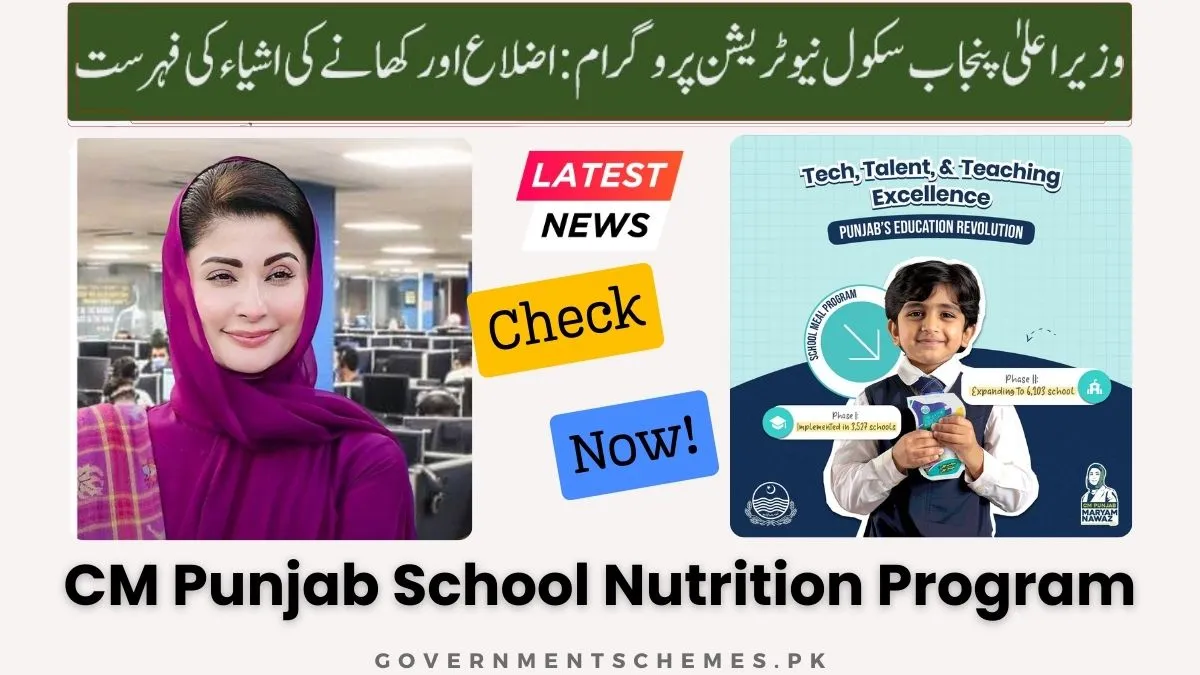
The CM Punjab School Nutrition Program 2026 is a landmark government initiative launched by Punjab Chief Minister Maryam Nawaz Sharif to provide free, nutritious meals to undernourished students enrolled in government primary schools across Punjab. This program represents the largest school feeding initiative in Pakistan’s history, delivering daily food support directly inside schools to combat childhood malnutrition while simultaneously improving educational outcomes for hundreds of thousands of children.
What you will learn from this guide:
- Complete eligibility criteria and district-wise school list for the program
- Step-by-step application process and how to check school participation
- Program benefits, food items, funding details, and job opportunities
Key Takeaways
- Largest School Feeding Program: The CM Punjab School Nutrition Program currently provides nutritious meals to over 1.1 million students across 13 districts at a cost of Rs. 7 billion.
- No Individual Application Required: Students enrolled in eligible government schools are automatically covered—no separate application or registration is needed.
- 28% Enrollment Increase: Since the program’s launch, student enrollment has increased by 28 percent, with an addition of 24,740 students.
- Innovative Recycling Initiative: Used milk packs are collected and recycled, with proceeds reinvested in school welfare and development.
- Expansion Underway: Phase-II covers 36 schools serving 14,100 students, with plans to include 73 additional Labour Welfare schools.
- Read More: CM Punjab Green Industrial Zone Initiative (18K New Jobs)
- Read More: Apna Khet Apna Rozgar Scheme: How to Apply Online?
- Read More: CM Punjab Bio Mass Steam Plant Initiative (How It Works & Benefits)
CM Punjab School Nutrition Program 2026 (Eligibility & School List)
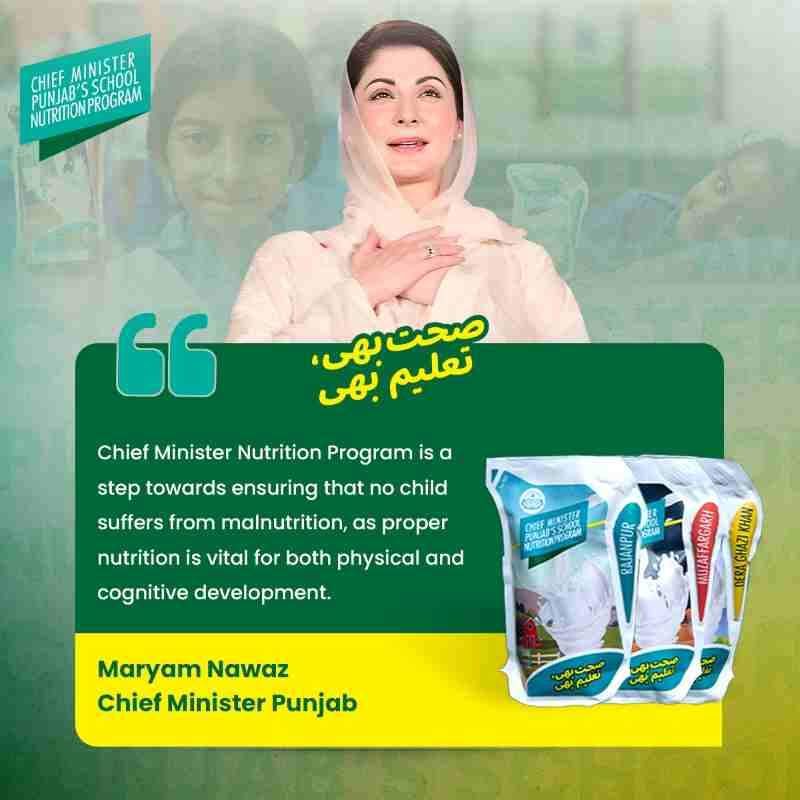
Table Of Contents
What Is the CM Punjab School Nutrition Program 2026?
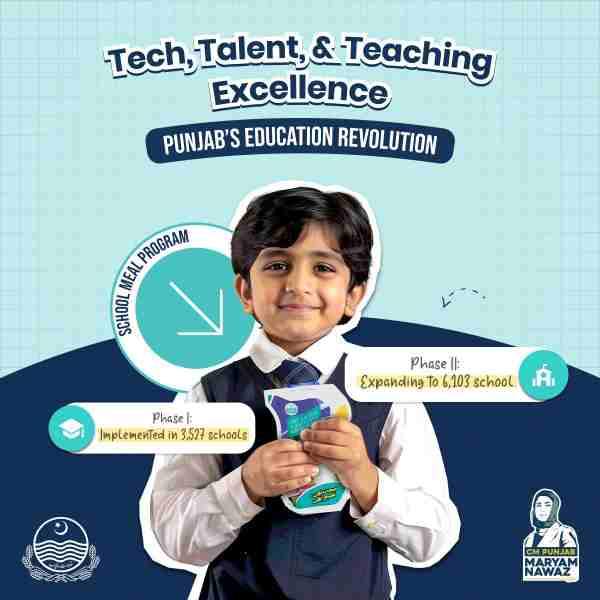
The CM Punjab School Nutrition Program 2026 is a comprehensive government-funded nutrition initiative launched under the leadership of Chief Minister Maryam Nawaz Sharif to address the alarming prevalence of malnutrition among school-going children in Punjab. Unlike cash assistance programs, this scheme delivers daily food support directly inside schools, ensuring children receive consistent nutrition with dignity. The program provides daily packs of milk and fortified biscuits to students during school hours, targeting children from nursery to class five.
The program operates as a pilot project that has rapidly expanded across the province. It initially launched in three districts—Dera Ghazi Khan, Rajanpur, and Muzaffargarh—benefiting approximately 400,000 undernourished students across 3,527 government schools. The program has since grown to cover 13 districts, with 8,319 schools currently participating, serving over 1.1 million students. The Punjab government has proposed an allocation of Rs. 4 billion for the program in the upcoming fiscal year, demonstrating its commitment to combating child malnutrition.
The program’s core objective is to ensure that no child has to study on an empty stomach. Research consistently shows that well-nourished children perform better academically, have higher attendance rates, and are more likely to complete their education. By providing meals during school hours, the program creates a powerful incentive for parents to enroll and regularly send their children to school, particularly in underserved areas.
Why Did the Punjab Government Launch the School Nutrition Program?
The Punjab government launched the School Nutrition Program to address the alarming prevalence of malnutrition among children in the province. According to official data, 44 percent of children in Punjab suffer from malnutrition, a crisis that severely impacts their physical growth, cognitive development, and academic performance. The program was introduced to tackle multiple interconnected challenges: combating child hunger, improving school attendance, enhancing learning outcomes, and reducing dropout rates.
Research shows that well-fed children are more focused and perform better academically, while hunger remains one of the most significant barriers to learning in low-income areas. By providing meals, parents are more likely to send their children to school, knowing their nutritional needs will be met. Chief Minister Maryam Nawaz has emphasized that education and nutrition are key pillars for a brighter future of children, and the program aims to ensure no child has to study on an empty stomach. The program also addresses the findings of the National Nutritional Survey, which indicates that 40 percent of children face stunting and 30 percent are under-height for their age, reflecting an alarming situation requiring immediate collective action.
When Was the CM Punjab School Nutrition Program Launched?
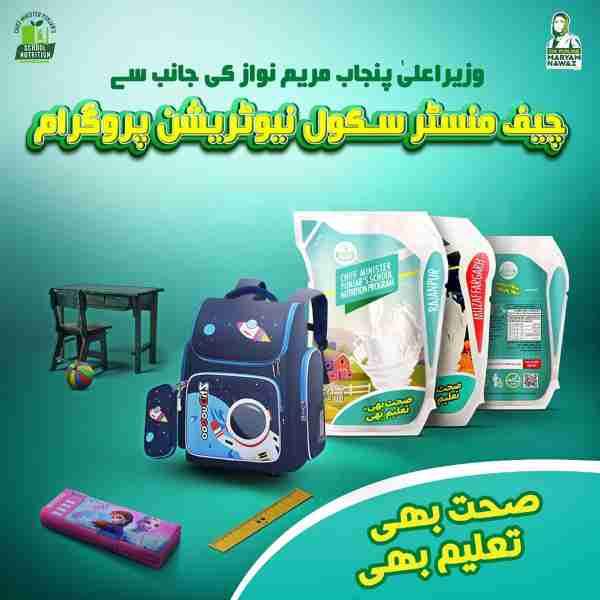
The CM Punjab School Nutrition Program was initially launched in the first phase in the districts of Dera Ghazi Khan, Rajanpur, and Muzaffargarh. The formal launch of the program took place across multiple events, with Chief Minister Maryam Nawaz Sharif inaugurating the School Meal Programme at Government Primary School Kisanwala in Bhakkar. Phase-II of the program was launched from Worker Welfare Primary School, Nishtar, Lahore, in collaboration with the Punjab Food Authority and the Labour and Human Resources Department.
The program continues to expand, with the Punjab Finance Department releasing significant funds to ensure the continuity and expansion of the project. Sources have revealed that the program will soon be expanded to more districts, with formal inauguration to be carried out by the Chief Minister. The program’s phased approach allows for careful monitoring and evaluation, ensuring that each expansion builds on lessons learned from previous phases.
CM Punjab School Nutrition Program 2026 Eligibility Criteria
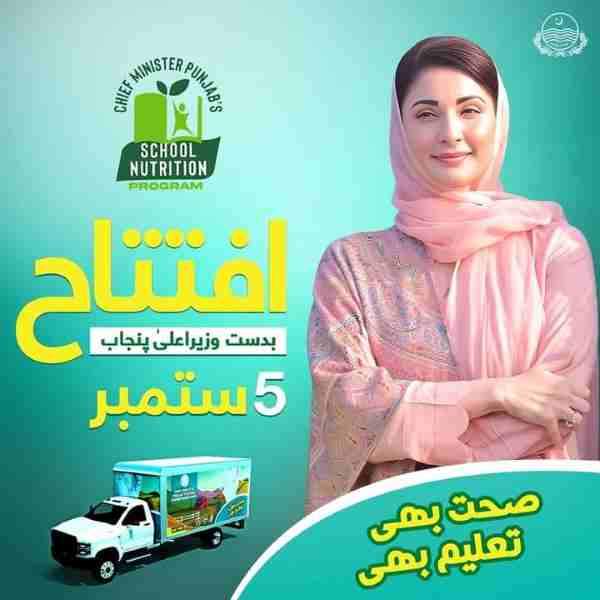
The CM Punjab School Nutrition Program eligibility criteria are designed to target the most vulnerable and undernourished students across Punjab. The program specifically focuses on students enrolled in government primary schools in targeted districts. Children whose parents have limited monthly income and who do not receive complete nutritional requirements are the primary beneficiaries. The program aims to eliminate malnutrition among these children by providing them with essential nutrients during school hours. Eligibility is determined based on school enrollment rather than individual application, ensuring that all eligible students in participating schools are automatically covered.
Who Is Eligible for the CM Punjab School Nutrition Program?
Students who are enrolled in government primary schools within the program’s operational districts are eligible for the CM Punjab School Nutrition Program. The program specifically targets students from nursery to class five who are undernourished and come from underprivileged backgrounds. Students in both government primary schools and worker welfare schools are eligible under the program.
The program focuses on children suffering from malnutrition, ensuring they receive the essential nutrients required for growth, cognitive development, and better academic performance. Students in private institutions are not covered under this initiative, as the program is exclusively designed for government school students. The eligibility is school-based rather than household-based, meaning any student attending an eligible government school in a covered district automatically qualifies for the program. This automatic enrollment approach eliminates barriers to access and ensures that the most vulnerable children are reached without requiring complex application procedures.
Which Districts Are Eligible for the CM Punjab School Nutrition Program?
The CM Punjab School Nutrition Program currently operates across 13 districts of Punjab. These include Bahawalnagar, Bhakkar, Chiniot, Dera Ghazi Khan, Kot Addu, Layyah, Lodhran, Mianwali, Muzaffargarh, Rahim Yar Khan, Rajanpur, Taunsa, and Vehari. The program was initially launched in the first phase in Dera Ghazi Khan, Rajanpur, and Muzaffargarh. Phase-II expanded the program to additional districts, with nutritious meals being provided to students across a growing number of schools.
The program is being implemented in 8,319 schools across these 13 districts, where students are provided nutritious lunch. The Punjab government has announced plans to further expand the program to more districts in the coming months. The selection of districts prioritizes rural and underprivileged areas of Punjab, targeting schools that cater to children from economically disadvantaged backgrounds. The program’s district-level approach ensures that resources are directed to areas with the highest rates of malnutrition and food insecurity.
What Are the Grade-Level Eligibility Requirements?
The CM Punjab School Nutrition Program covers students from nursery to class five. The program specifically targets primary-level students studying in government and labor welfare schools, where many children struggle with poor nutrition. Students in these grade levels receive nutritious meals during school hours, ensuring they have the energy and concentration needed to succeed in their education.
The focus on primary grades is strategic, as this is a critical period for physical growth and cognitive development. By providing essential nutrients during these formative years, the program aims to prevent stunting and other long-term effects of malnutrition. The program does not currently extend to students beyond class five, though there may be future expansions to include higher grades. The grade-level targeting ensures that the program’s resources are directed to the age group most vulnerable to the effects of malnutrition.
Are Private School Students Eligible for the School Meal Program?
No, private school students are not eligible for the CM Punjab School Nutrition Program. The program is exclusively designed for students enrolled in government primary schools and worker welfare schools within the targeted districts. Students in private institutions are not included in the Chief Minister’s School Nutrition Program.
The program’s focus on government schools reflects its mission to support underprivileged children who might otherwise not have access to adequate nutrition. Private school students are expected to have access to nutrition through other means, making the program’s resources better directed toward the most vulnerable populations in the public education system. This targeted approach ensures that the program’s impact is maximized where it is needed most.
How to Apply for the CM Punjab School Nutrition Program 2026
The CM Punjab School Nutrition Program does not require individual applications from parents or students. Instead, eligibility is determined automatically based on school enrollment. Students who are enrolled in government primary schools within the program’s operational districts are automatically covered. However, the Punjab government has established an online portal where parents, principals, and nutrition experts can access complete information about the program. This portal, available through the Punjab Food Authority’s website, provides comprehensive details about the program’s implementation, food items, and monitoring mechanisms.
Is There an Online Application Process for Parents?
Parents do not need to submit individual applications for their children to benefit from the CM Punjab School Nutrition Program. The program operates on an automatic enrollment basis, where all students in eligible government schools in participating districts are automatically covered. The government has established an online portal for the project where parents can access complete information through the Punjab Food Authority’s website.
This portal provides details about the program, including the food items being distributed, the schedule of meals, and the monitoring mechanisms in place. Parents can also use the portal to raise any concerns or complaints regarding the program’s implementation. The automatic enrollment approach eliminates barriers to access and ensures that the most vulnerable children are reached without requiring complex application procedures that might exclude those who need the program most.
How Can Schools Register for the Program?
Schools are selected for the CM Punjab School Nutrition Program based on their location in eligible districts and their status as government primary schools. The program targets rural and underprivileged areas of Punjab, including schools that cater to children from economically disadvantaged backgrounds. Schools do not need to individually register for the program; rather, the Punjab government and the Punjab Food Authority determine which schools will be included based on district-level planning.
Phase-II of the program included 30 government primary schools and six Worker Welfare schools. A proposal is under consideration to include 73 additional Labour Welfare schools in the program. Nutrition Coordination Committees are being established in every participating school to ensure effective monitoring and implementation. These committees play a crucial role in overseeing the program’s delivery at the school level and addressing any issues that arise.
What Is the CM Punjab Complaint Portal for the Nutrition Program?
The Punjab government has established a complaint portal as part of the CM Punjab School Nutrition Program to ensure transparency and accountability. The CM Punjab Complaint Portal allows parents, teachers, and community members to register complaints online regarding any issues with the program’s implementation. This includes complaints about food quality, distribution delays, or any other concerns related to the program.
The portal is part of the government’s broader commitment to transparency and effective monitoring. District authorities regularly monitor food quality and meal delivery to maintain transparency and prevent corruption. Nutrition Coordination Committees in every participating school further ensure effective monitoring and implementation. The complaint portal provides a direct channel for feedback, enabling the government to address issues promptly and maintain the program’s integrity.
CM Punjab School Nutrition Program School List 2026
The CM Punjab School Nutrition Program 2026 covers thousands of government primary schools across Punjab. As of the latest update, the program is being implemented in 8,319 schools across 13 districts, where students are provided nutritious lunch. The program initially launched in 3,527 government primary schools in three districts, benefiting more than 400,000 malnourished students. Phase-II expanded the program to 36 schools, including 30 government primary schools and six Worker Welfare schools, benefiting 14,100 students.
The program continues to expand, with the government planning to include 73 additional Labour Welfare schools. The school list is dynamic and subject to expansion as the program rolls out to more districts. Parents and community members can check the school list through the Punjab Food Authority’s website and the CM Punjab Complaint Portal.
How Many Schools Are Included in the Program?
The CM Punjab School Nutrition Program currently covers 8,319 schools across 13 districts of Punjab. The program initially launched in 3,527 government primary schools in the districts of Dera Ghazi Khan, Rajanpur, and Muzaffargarh. These schools benefited more than 400,000 malnourished students who were provided with 175 milliliters of milk daily. Phase-II of the program added 36 schools, including 30 government primary schools and six Worker Welfare schools, serving 14,100 students.
A proposal is under consideration to include 73 additional Labour Welfare schools in the program. In Vehari alone, the program was officially launched in 238 government schools. The program continues to expand, with the number of participating schools expected to grow significantly in the coming months. The program’s expansion reflects the government’s commitment to reaching every child in need of nutritional support.
Which Government Schools Are Participating in the Program?
The CM Punjab School Nutrition Program includes government primary schools across the 13 eligible districts. Participating schools include both boys’ schools and girls’ schools. The program covers 4,309 boys’ schools and 4,010 girls’ schools. In Bhakkar, the program was launched at Government Primary School Kisanwala, where the Chief Minister distributed lunch boxes and visited classrooms.
Phase-II of the program also includes Worker Welfare Primary School, Nishtar, Lahore, which served as the launch venue for the second phase. The program includes 30 government primary schools and six Worker Welfare schools in Phase-II. The government is also considering including 73 additional Labour Welfare schools in the program. The school list is available through the Punjab Food Authority’s website and the CM Punjab Complaint Portal. The inclusion of both boys’ and girls’ schools ensures that all children, regardless of gender, have equal access to the program’s benefits.
How Can I Check the School List for My District?
Parents and community members can check the CM Punjab School Nutrition Program school list through multiple channels. The Punjab Food Authority’s website provides complete information about the program, including the list of participating schools. The CM Punjab Complaint Portal also provides access to program information. Parents can contact their local district education offices for information about schools in their area participating in the program.
The program covers all government primary schools in the 13 eligible districts, so any government primary school in these districts is automatically included. As the program continues to expand, updated school lists will be made available through official government channels. Community members can also inquire at their children’s schools directly to confirm participation in the program.
What Food Items Are Provided Under the Program?
The CM Punjab School Nutrition Program provides daily packs of milk and biscuits to students. Each student receives a nutritious meal during school hours, ensuring they have the energy and concentration needed for learning. Under the program, 33.7 million milk packs and 12.2 million biscuit packets have been distributed in schools across Bahawalnagar, Kot Addu, Bhakkar, Layyah, Mianwali, Muzaffargarh, Rahim Yar Khan, Rajanpur, Taunsa, Chiniot, Lodhran, and Vehari.
The menu focuses on a balanced diet, with Phase-II of the program expanding to include meat, pulses, vegetables, and fruits, along with awareness on proper meal timings. The Punjab Food Authority ensures that meals are prepared in hygienic conditions and meet children’s dietary needs. The food items are carefully selected to provide essential nutrients for growth and cognitive development.
What Is Included in the Daily Meal Pack?
The daily meal pack under the CM Punjab School Nutrition Program includes milk and biscuits. Students receive a nutritious meal during school hours, with the food items carefully selected to provide essential nutrients for growth and cognitive development. The milk is provided in packs, with each student receiving 175 milliliters of milk daily. The program has distributed 33.7 million milk packs and 12.2 million biscuit packets across participating schools.
Phase-II of the program has expanded the menu to focus on a balanced diet, comprising meat, pulses, vegetables, and fruits, along with awareness on proper meal timings. The food items are designed to provide the right balance of protein, vitamins, and minerals essential for growth and brain development. The inclusion of diverse food groups ensures that children receive comprehensive nutrition that supports both physical and cognitive development.
Are the Meals Nutritious and Balanced?
Yes, the meals provided under the CM Punjab School Nutrition Program are designed to be nutritious and balanced. Nutritionists are actively involved in the meal planning process to ensure each meal meets the children’s dietary needs. Meals typically include a combination of milk, biscuits, and other nutritious items chosen to provide the right balance of protein, vitamins, and minerals essential for growth and brain development.
The Punjab Food Authority emphasizes that a comprehensive policy focusing on food nutrition is essential to combat malnutrition. Phase-II of the program expanded the menu to include meat, pulses, vegetables, and fruits, along with awareness on proper meal timings. Pre and post health monitoring of students is also carried out to assess the program’s impact. Awareness regarding balanced diets and healthy eating habits is being extended to 40 million students of public and private schools across Punjab.
How Is Food Quality and Safety Ensured?
Food quality and safety under the CM Punjab School Nutrition Program are ensured through multiple mechanisms. The Punjab Food Authority oversees the preparation and distribution of meals, ensuring they are prepared in hygienic conditions. Meals are prepared at centralized kitchens and distributed during school hours. School administrations oversee the distribution process, and district authorities regularly monitor food quality and meal delivery to maintain transparency and prevent corruption.
Nutrition Coordination Committees are being established in every participating school to ensure effective monitoring and implementation. The Punjab Food Authority has also emphasized food safety principles from “Farm to Fork” and the importance of a balanced diet for disease prevention. The authority conducts awareness seminars on nutrition and food safety, including topics such as anemia and dehydration prevention. Pre and post health monitoring of students is carried out to assess the program’s impact.
CM Punjab School Nutrition Program Funding and Budget 2026
The CM Punjab School Nutrition Program 2026 is funded by the Punjab government through the provincial education budget. The Punjab government has proposed an education budget of Rs. 750 billion for the fiscal year 2026-27. Under the School Meal Program, nutritious milk is being provided to 1.12 million students across 13 districts at a cost of Rs. 7 billion. An allocation of Rs. 4 billion has been proposed for the program in the next fiscal year.
The Punjab Finance Department has released significant funds to ensure the continuity of the project. These funds are utilized for the procurement, packaging, transportation of milk, and monitoring at the school level. The government’s significant financial commitment reflects the priority placed on child nutrition and education in the province. The program’s budget allocation represents one of the largest investments in child nutrition in Pakistan’s history.
How Much Funding Has Been Allocated for the Program?
The Punjab government has allocated substantial funding for the CM Punjab School Nutrition Program. The program currently provides nutritious milk to 1.12 million students across 13 districts at a cost of Rs. 7 billion. An allocation of Rs. 4 billion has been proposed for the program in the next fiscal year. The Punjab Finance Department has released significant funds to ensure the continuity of the project.
These funds are being utilized for the procurement, packaging, transportation of milk, and monitoring at the school level. The Punjab government has proposed an overall education budget of Rs. 750 billion for the fiscal year 2026-27, with the School Meal Program receiving a significant share. The program was launched keeping in mind the fact that 44 percent of children in the province suffer from malnutrition. The substantial funding reflects the government’s recognition of malnutrition as a critical issue requiring urgent intervention.
Where Does the Funding Come From?
The funding for the CM Punjab School Nutrition Program comes from the Punjab government’s provincial budget. The program is funded through the education budget, with the Punjab government allocating significant resources to combat child malnutrition. The Punjab Finance Department releases funds for the program, with substantial amounts already released to ensure the continuity of the project.
The program’s funding is part of the government’s broader commitment to improving education and health outcomes in the province. The government’s financial commitment reflects the priority placed on addressing the alarming rates of malnutrition among children, with 44 percent of children in the province suffering from malnutrition. The program also generates revenue through the recycling of used milk cartons, with the funds generated used for the welfare and development of participating schools. This innovative approach creates a sustainable funding model that benefits both children and schools.
Recycling Initiative: Used Milk Packs for School Development
The CM Punjab School Nutrition Program includes an innovative recycling initiative where used milk packs are collected for recycling. Under this initiative, students are required to submit empty milk cartons at their respective schools. The revenue generated through the recycling of these cartons is used for the improvement of the concerned schools. This initiative not only promotes environmental sustainability but also generates additional resources for school development.
The recycling program has already shown significant results, with more than 200,000 empty milk packs being recycled to manufacture furniture, notebooks, and pencils. Desks made from recycled milk cartons have been shown to withstand rain and temperatures of up to 100 degrees Celsius and remain usable for up to 40 years. The Chief Minister expressed satisfaction over desks made from recycled milk cartons during her visit to Government Primary School Kisanwala.
How Does the Recycling Program Work?
The recycling program under the CM Punjab School Nutrition Program works by collecting empty milk cartons from students. Students are required to submit empty milk cartons at their respective schools after consuming their daily milk. These cartons are then collected and sent for recycling. The revenue generated through recycling is used for the improvement of the concerned schools.
More than 200,000 empty milk packs have already been recycled to manufacture furniture, notebooks, and pencils. The furniture made from recycled milk cartons is durable and sustainable, able to withstand rain and temperatures of up to 100 degrees Celsius and remain usable for up to 40 years. This initiative creates a circular economy where waste is transformed into valuable resources for schools. The recycling program also promotes environmental responsibility among students and staff, teaching children the importance of sustainability from an early age.
What Products Are Made from Recycled Milk Packs?
Recycled milk packs from the CM Punjab School Nutrition Program are transformed into various useful products. More than 200,000 empty milk packs have been recycled to manufacture furniture, notebooks, and pencils. Desks made from recycled milk cartons have been shown to be highly durable, able to withstand rain and temperatures of up to 100 degrees Celsius and remain usable for up to 40 years.
These desks are being used in schools participating in the program, showcasing the innovative use of waste materials. The recycling initiative not only promotes environmental sustainability but also provides schools with much-needed furniture and supplies. The revenue generated from recycling is used for the improvement of participating schools. This initiative demonstrates the government’s commitment to sustainability and resource optimization while addressing the nutritional needs of children.
CM Punjab School Nutrition Program Jobs and Vacancies 2026
The Punjab School Education Department has announced 52 contract-based vacancies for the Chief Minister Punjab Schools Meal Programme 2026-27. These vacancies cover management, accounts, IT, data, and field coordination. The positions have been advertised by the department’s Strategic Management Unit for programme administration, finance, information technology, data management, and field coordination. Successful candidates will be posted at the unit’s Lahore office and in selected districts covered by the school meal initiative.
The recruitment drive includes opportunities for professionals with qualifications and experience relevant to management, accounts, monitoring, data analysis, technology, and district-level programme implementation. The program aims to provide meals to students in government schools while improving nutrition, attendance, and learning outcomes, particularly in less-developed districts of Punjab. The contracts will run for periods ranging from eight to 11 months, depending on the position.
What Positions Are Available in the Program?
The CM Punjab School Nutrition Program has announced 52 contract-based vacancies for various positions. These positions include one Program Coordinator, one Data Analyst, one Assistant Manager Finance, two Program Associates, two IT Associates, 13 District Coordinators, 28 Tehsil Coordinators, one Complaint Handling Agent, and three Office Boys. Most professional jobs require applicants to have at least 16 years of education in a relevant field and a minimum of two years of relevant work experience.
The Data Analyst position requires a degree in Computer Science, Data Science, Statistics, or a related subject, along with practical knowledge of Microsoft Excel, SQL, R or Python, and experience using data visualization tools. Senior-level positions require more professional experience, with the Program Coordinator requiring at least six years of experience and the Assistant Manager Finance requiring five years. The Office Boy position requires candidates to be literate with at least one year of relevant experience.
How to Apply for CM Punjab School Nutrition Program Jobs?
Interested candidates must submit their applications for CM Punjab School Nutrition Program jobs through the official online recruitment portal. Applicants are required to upload their CV, CNIC, educational certificates, and relevant experience documents during the application process. The department has clearly stated that applications submitted by hand or through courier will not be accepted. Only online applications will be considered for the recruitment process.
The contracts will be offered for periods ranging from eight to 11 months, depending on the position. The appointments will be made on a contractual basis for the programme period and will not create any right to permanent government employment. Selected candidates will be posted according to the program’s operational needs across Lahore and selected districts. The application deadline is typically announced along with the job advertisement, and candidates are advised to apply well before the deadline.
Program Impact and Benefits
The CM Punjab School Nutrition Program has already demonstrated significant positive impact on student enrollment, attendance, and learning outcomes. Since the launch of the programme, student enrolment has increased by 28 percent, with an addition of 24,740 students. The program has benefited more than 400,000 undernourished students in 3,527 government schools in the pilot districts. The program improves learning performance, increases school enrollment, enhances nutrition and health, improves attendance, and promotes better hygiene practices in the community.
The program also contributes to the health, education, and protection of children. By providing nutritious meals, the program ensures children have the energy and concentration needed to succeed in their education. The program’s impact extends beyond the classroom, as improved nutrition leads to better health outcomes and reduced healthcare costs for families.
How Has the Program Improved Student Enrollment?
The CM Punjab School Nutrition Program has led to a significant increase in student enrollment. Since the launch of the programme, student enrolment has increased by 28 percent, with an addition of 24,740 students. This increase demonstrates the program’s effectiveness in encouraging parents to send their children to school. By providing meals, parents are more likely to send their children to school, knowing that their nutritional needs will be met.
The program reduces dropout rates, particularly among children from low-income families, by addressing one of the primary barriers to education: hunger. The program also promotes better school attendance, as well-fed children are healthier and more likely to attend school regularly. The increase in enrollment is particularly significant for girls, who are often the first to drop out when families face economic hardship. The program’s impact on enrollment demonstrates the powerful connection between nutrition and education access.
What Are the Health Benefits for Students?
The health benefits of the CM Punjab School Nutrition Program for students are substantial. The program combats malnutrition, which is prevalent in many underprivileged areas, and contributes to overall better health. By providing balanced and nutritious meals, the program ensures children receive the essential nutrients required for growth and cognitive development. The program helps prevent stunting, wasting, and other consequences of undernutrition.
Children suffering from malnutrition can never achieve their true potential, making timely intervention critical. The program also promotes awareness of balanced diets and healthy eating habits among students. Pre and post health monitoring of students is carried out to assess the program’s impact. The Punjab Food Authority also conducts awareness seminars on nutrition and food safety, including topics such as anemia and dehydration prevention. The program’s health benefits extend beyond individual children to their families and communities.
How Does the Program Improve Learning Outcomes?
The CM Punjab School Nutrition Program significantly improves learning outcomes for students. Well-fed children tend to be more focused and perform better in school. The program directly contributes to boosting student concentration and engagement in class. By providing meals during school hours, the program ensures students have the energy needed to concentrate on their studies.
The program also improves learning performance by addressing the cognitive effects of malnutrition. Students who are well-nourished are better able to absorb information, participate in class activities, and achieve academic success. The program aims to strengthen the mental balance of weak students and those who are not paying special attention to their studies by providing them with free food. By providing free food, the program helps students pay special attention to their studies and succeed in exams. The connection between nutrition and cognitive development is well-established, making this program a critical investment in the province’s future human capital.
Challenges and Solutions
The CM Punjab School Nutrition Program faces several challenges in its implementation, including ensuring consistent food quality, reaching all eligible students, and maintaining program sustainability. The government has implemented multiple solutions to address these challenges. Nutrition Coordination Committees are being established in every participating school to ensure effective monitoring and implementation. District authorities regularly monitor food quality and meal delivery to maintain transparency and prevent corruption.
The Punjab Food Authority oversees the preparation and distribution of meals to ensure they meet quality standards. The program’s expansion is being carefully planned to ensure all eligible students are reached. The recycling initiative generates additional revenue for school development, contributing to program sustainability. Despite these challenges, the Punjab government has demonstrated strong commitment to the program’s success.
What Are the Main Implementation Challenges?
The CM Punjab School Nutrition Program faces several implementation challenges. Ensuring consistent food quality and safety across thousands of schools is a significant logistical challenge. Reaching all eligible students in remote and rural areas requires extensive coordination and resources. Maintaining program sustainability requires continued government funding and efficient resource management.
The program must also address the diverse nutritional needs of students across different regions. Monitoring and evaluation of the program’s impact requires robust data collection and analysis systems. The program’s expansion to additional districts must be carefully managed to ensure quality is maintained. Despite these challenges, the Punjab government has demonstrated strong commitment to the program’s success. The program’s phased approach allows for careful monitoring and evaluation, ensuring that each expansion builds on lessons learned from previous phases.
How Is the Government Addressing These Challenges?
The Punjab government is addressing the challenges of the CM Punjab School Nutrition Program through multiple strategies. Nutrition Coordination Committees are being established in every participating school to ensure effective monitoring and implementation. District authorities regularly monitor food quality and meal delivery to maintain transparency and prevent corruption. The Punjab Food Authority oversees the preparation and distribution of meals, ensuring they are prepared in hygienic conditions.
Pre and post health monitoring of students is carried out to assess the program’s impact. The government has released significant funding to ensure the continuity of the project. An online portal has been established where parents, principals, and nutrition experts can access complete information. The recycling initiative generates additional revenue for school development. The government is also considering including 73 additional Labour Welfare schools in the program. These comprehensive measures demonstrate the government’s commitment to overcoming implementation challenges and ensuring the program’s success.
CM Punjab School Nutrition Program vs. Other Government Schemes
The CM Punjab School Nutrition Program is part of a broader set of government initiatives aimed at improving the lives of Punjab’s citizens. The program complements other schemes such as the CM Punjab Apni Chhat Apna Ghar Scheme, which provides interest-free loans for housing, and the CM Punjab Livestock Card scheme, which supports farmers. The School Nutrition Program specifically addresses child malnutrition and education, while other schemes focus on housing, livelihoods, and social protection.
Together, these programs represent a comprehensive approach to poverty alleviation and human development in Punjab. The School Nutrition Program is the largest school feeding initiative in Pakistan, providing nutritious meals to over 1.1 million students. The program’s focus on children makes it a critical investment in the province’s future human capital.
How Does It Compare to Other School Feeding Programs in Pakistan?
The CM Punjab School Nutrition Program is the largest school feeding program in Pakistan. While other provinces have school feeding initiatives, Punjab’s program stands out for its scale, funding, and comprehensive approach. The program provides nutritious meals to over 1.1 million students across 13 districts at a cost of Rs. 7 billion. The program’s innovative recycling initiative, where used milk packs are collected for recycling to generate funds for school development, is unique among school feeding programs in Pakistan.
The program’s focus on primary school children from nursery to class five targets the most critical period for physical and cognitive development. The program’s expansion plans and significant government funding demonstrate a commitment to combating child malnutrition that is unmatched in other provinces. The program serves as a model for other provinces seeking to address child malnutrition through school-based interventions.
How Does It Align with National Nutrition Goals?
The CM Punjab School Nutrition Program aligns with national nutrition goals and the four pillars of the Pakistan Poverty Alleviation and Nutrition (PPAN) framework. The program addresses the first pillar of PPAN, which focuses on reducing stunting and malnutrition in children. The program also supports the second pillar, which focuses on improving food security and nutrition. The program’s focus on school-based nutrition interventions aligns with the third pillar, which emphasizes the importance of nutrition education and awareness.
The program’s monitoring and evaluation mechanisms support the fourth pillar, which focuses on strengthening nutrition governance and accountability. The program is also part of the government’s broader commitment to achieving the Sustainable Development Goals, particularly SDG 2 (Zero Hunger) and SDG 4 (Quality Education). The program contributes to reducing stunting, which affects 40 percent of children in Pakistan, and under-height for age, which affects 30 percent. By addressing these critical issues, the program makes a significant contribution to national nutrition goals.
Frequently Asked Questions About CM Punjab School Nutrition Program 2026
What Is the Chief Minister of Punjab School Nutrition Program?
The Chief Minister of Punjab School Nutrition Program is a government-funded initiative launched by Punjab Chief Minister Maryam Nawaz Sharif to provide free, nutritious meals to undernourished students in government primary schools across Punjab. The program provides daily packs of milk and biscuits to students, with used milk packs being collected for recycling to generate funds for school development. The program currently benefits over 1.1 million students across 13 districts at a cost of Rs. 7 billion.
What Is the School-Based Feeding Program?
The school-based feeding program is an initiative that provides nutritious meals to students during school hours to combat hunger and malnutrition. The CM Punjab School Nutrition Program is a school-based feeding program that delivers daily food support inside schools, ensuring children receive nutrition consistently and with dignity. Instead of cash assistance, the program provides food directly to students, ensuring the nutrition reaches those who need it most.
How to Apply for the Maryam Nawaz 10000 Scheme?
The Maryam Nawaz 10000 scheme appears to be a reference to the CM Punjab School Nutrition Program, which provides free meals to students rather than cash assistance. There is no individual application process for this program, as students in eligible government schools are automatically covered. Parents can access information about the program through the Punjab Food Authority’s website.
What Are the Current Nutrition Programs in Punjab?
Current nutrition programs in Punjab include the CM Punjab School Nutrition Program, which provides meals to over 1.1 million students across 13 districts. The program is part of the broader Punjab education budget, which includes Rs. 750 billion for the fiscal year 2026-27. The program is implemented in collaboration with the Punjab Food Authority and the Labour and Human Resources Department. Other nutrition programs include awareness campaigns on anemia and dehydration prevention conducted by the Punjab Food Authority.
What Is the CM Punjab Programme?
The CM Punjab Programme refers to the Chief Minister of Punjab’s various initiatives aimed at improving the lives of Punjab’s citizens. The CM Punjab School Nutrition Program is one of these initiatives, providing free meals to students in government schools. Other CM Punjab programs include the CM Punjab Apni Chhat Apna Ghar Scheme, which provides interest-free loans for housing, and the CM Punjab Livestock Card scheme.
What Is the Education Feeding Scheme?
The education feeding scheme is a program that provides meals to students in educational institutions to improve nutrition, attendance, and learning outcomes. The CM Punjab School Nutrition Program is an education feeding scheme that provides nutritious meals to students in government primary schools. The program aims to combat child hunger, improve school attendance, enhance learning outcomes, and reduce dropout rates.
What Are the Objectives of the Nutrition Program?
The objectives of the CM Punjab School Nutrition Program include combating child malnutrition, improving school attendance, enhancing learning outcomes, reducing dropout rates, and promoting better health and hygiene practices. The program aims to ensure no child has to study on an empty stomach, giving them the energy and concentration needed to excel. The program also aims to strengthen the mental balance of weak students and help them succeed in their studies.
What Is the World’s Largest School Feeding Program?
The world’s largest school feeding program is India’s Mid-Day Meal Scheme, which provides meals to millions of children across India. Pakistan’s largest school feeding program is the CM Punjab School Nutrition Program, which provides nutritious meals to over 1.1 million students across 13 districts. The program is the largest of its kind in Pakistan and one of the largest in South Asia.
What Is the Main Objective of Nutrition Education?
The main objective of nutrition education is to promote awareness of balanced diets and healthy eating habits to prevent malnutrition and disease. The CM Punjab School Nutrition Program includes nutrition education as a key component, with awareness regarding balanced diets and healthy eating habits being extended to 40 million students of public and private schools across Punjab. The Punjab Food Authority emphasizes food safety principles from “Farm to Fork” and the importance of a balanced diet for disease prevention.
What Is Feeding and Its Types?
Feeding refers to the provision of food to individuals or groups. Types of feeding include school feeding, community feeding, emergency feeding, and therapeutic feeding. The CM Punjab School Nutrition Program is a school feeding program that provides daily meals to students during school hours. School feeding programs are designed to combat hunger and malnutrition while improving educational outcomes.
What Is the Role of School Feeding?
The role of school feeding is to combat child hunger, improve nutrition, increase school attendance, enhance learning outcomes, and reduce dropout rates. School feeding programs provide meals to students during school hours, ensuring they have the energy and concentration needed to succeed in their education. School feeding also promotes better health and hygiene practices in the community. The CM Punjab School Nutrition Program fulfills all these roles while also generating revenue for school development through recycling.
What Are the 4 Pillars of PPAN?
The four pillars of PPAN (Pakistan Poverty Alleviation and Nutrition) are: reducing stunting and malnutrition in children, improving food security and nutrition, promoting nutrition education and awareness, and strengthening nutrition governance and accountability. The CM Punjab School Nutrition Program addresses all four pillars by providing nutritious meals to children, improving food security, promoting nutrition education, and establishing monitoring mechanisms. The program contributes to reducing stunting, which affects 40 percent of children in Pakistan.
Conclusion: The Future of the CM Punjab School Nutrition Program
The CM Punjab School Nutrition Program represents a landmark initiative in Pakistan’s fight against child malnutrition and educational inequality. With over 1.1 million students already benefiting from the program and expansion plans underway, the program is poised to make an even greater impact in the coming years. The program’s innovative approach, combining nutrition with recycling and school development, provides a sustainable model for addressing child malnutrition.
The program’s success in increasing student enrollment by 28 percent demonstrates its effectiveness in achieving educational outcomes. As the program expands to more districts and schools, it has the potential to transform the lives of millions of children across Punjab. The government’s significant financial commitment and the program’s strong monitoring mechanisms ensure its continued success and sustainability. The CM Punjab School Nutrition Program serves as a model for other provinces and countries seeking to address child malnutrition through school-based interventions. By investing in children’s nutrition today, the program is building a healthier, more educated, and more prosperous future for Punjab.
Disclaimer: This article provides general information about the CM Punjab School Nutrition Program. Program details, including eligibility criteria, school lists, and application procedures, are subject to change. Readers are advised to verify all information through official government channels before making any decisions based on this content.

Add a Comment