
The Zarkhez-e-Asaan Digital Zarai Qarza is a fully digital, collateral-free agricultural loan scheme providing up to PKR 10 lakh to small farmers and tenants across Pakistan through an end-to-end online platform.
This definitive guide covers everything you need to know about the Zarkhez-e-Asaan Digital Zarai Qarza, including step-by-step application process, eligibility criteria, loan amounts for landowners versus tenants, participating banks, markup rates, repayment terms, insurance coverage, and answers to the most frequently asked questions.
Key Takeaways
- Collateral-Free Financing: Farmers and tenants can access loans up to PKR 1 million without land titles or guarantors.
- Digital-First Process: Complete the application, verification, and disbursement entirely online via the Zarkhez-e portal or mobile app.
- Structured In-Kind Disbursement: 75% of the loan is provided as seeds, fertilizers, pesticides, and diesel through registered agri-merchants.
- Built-in Insurance: Mandatory crop insurance for major crops and life insurance coverage protect farmers against default due to death or crop failure.
- Province-Specific Land Limits: Eligibility varies by province – 12.5 acres for Punjab/KPK, 16 acres for Sindh, and 32 acres for Balochistan.
- Read More: Excise Sindh Fuel Subsidy – People’s Motorcycle Fuel Subsidy Program
- Read More: Motorcycle Fuel Subsidy Program (By Sindh Govt Rs.2K)
- Read More: Sindh Government Petrol Subsidy App (Rs. 2K Apply Online) | Sindh Fuel Relief App
- Read More: Sindh Govt Petrol Subsidy Scheme – Petrol Subsidy App
Zarkhez-e-Asaan Digital Zarai Qarza | Farmer Loan Scheme (10 Lakh Zarkhez-e App)
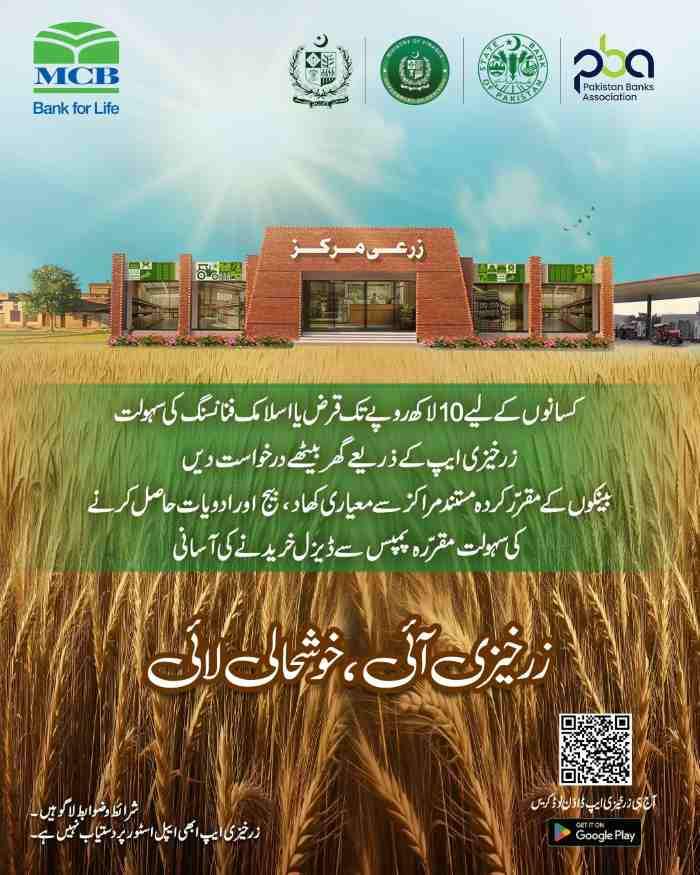
Table Of Contents
What is the Zarkhez-e-Asaan Digital Zarai Qarza scheme and how does it empower Pakistani farmers?
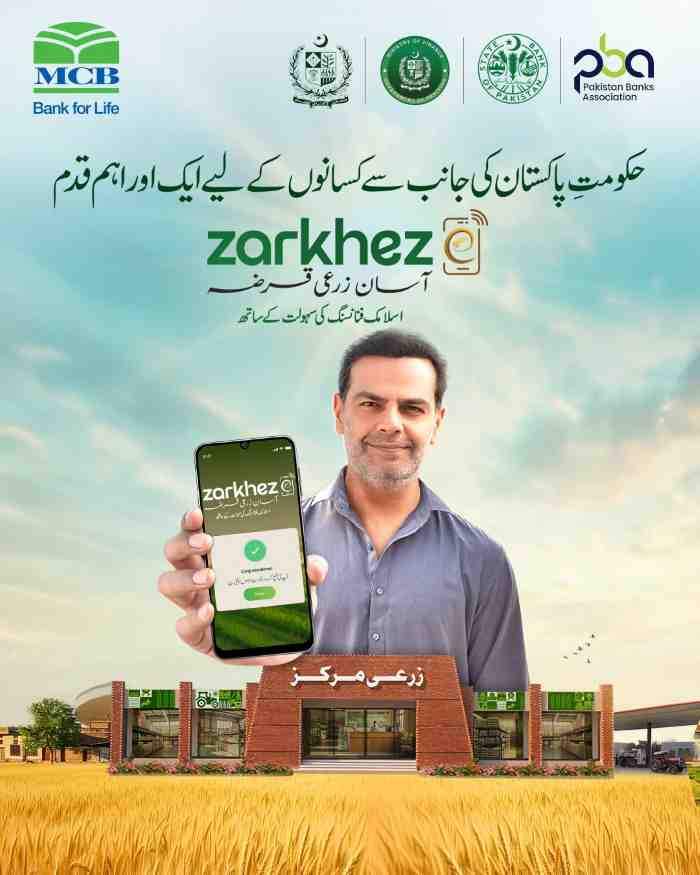
The Zarkhez-e Asaan Digital Zarai Qarza is a landmark collateral-free digital agriculture financing initiative launched by the State Bank of Pakistan (SBP) in collaboration with the Ministry of Finance and the Pakistan Banks Association (PBA) to provide short-term production loans of up to PKR 10 lakh to subsistence farmers. The scheme eliminates traditional barriers like land title collateral, lengthy paperwork, and physical bank visits, replacing them with a fully digital ecosystem that enables farmers to apply, get verified, receive funds, and purchase inputs entirely online.
How the scheme addresses the credit gap for small farmers
Small farmers in Pakistan have historically faced severe financial exclusion due to lack of collateral, limited landholdings, and complex bank procedures. The Zarkhez-e scheme directly tackles this gap through three core mechanisms:
- Uncollateralized financing: No land title, property documents, or personal guarantors are required, making credit accessible to tenants and small landowners for the first time.
- Digital verification ecosystem: NADRA Verisys confirms identity, PMD verification validates mobile SIM registration, and LIMS provides agronomic land assessment without physical visits.
- Structured in-kind disbursement: 75% of the loan is restricted to purchasing verified agricultural inputs (seeds, fertilizers, pesticides, diesel) from registered merchants, ensuring funds are used productively.
The core objective of launching the Asaan Digital Zarai Qarza
The primary goal of the Zarkhez-e scheme is to integrate 750,000 small farmers into Pakistan’s formal financial system by distributing PKR 300 billion in agricultural credit over three years. This massive infusion of structured financing aims to transform subsistence farming into a more viable, profitable enterprise while reducing dependence on informal moneylenders who charge exorbitant interest rates.
Government bodies that collaborated to launch the Zarkhez-e initiative
The scheme was rolled out through a multi-stakeholder partnership:
- State Bank of Pakistan (SBP) – Regulatory oversight and policy framework
- Ministry of Finance – Government backing and risk coverage guarantees
- Pakistan Banks Association (PBA) – Coordination with commercial banks and MFBs
- National Subsistence Farmers Support Initiative (NSFSI) – Implementation framework
How the Zarkhez-e platform modernizes agricultural financing
The Zarkhez-e platform replaces traditional, paperwork-heavy bank visits with a centralized online portal and mobile application. Farmers can complete the entire loan lifecycle digitally:
- Registration and account creation
- Identity and land verification
- Loan application submission
- Credit assessment and approval
- Disbursement to mobile wallet
- Input purchases from registered merchants
- Repayment tracking
The tagline of the Zarkhez-e initiative
The initiative carries the tagline “Asaan Digital Zarai Qarza” (Easy Digital Agricultural Loan), which emphasizes its three core promises: simplicity (asaan), technology-driven delivery (digital), and purpose-built agricultural financing (zarai qarza).
Core Features and Benefits of the 10 Lakh Agriculture Loan
The Zarkhez-e scheme offers a comprehensive set of features designed specifically for small farmers and tenants, including collateral-free financing, structured in-kind disbursement, built-in insurance coverage, and province-specific land limits.
Is the Zarkhez-e loan interest-free or markup-based?
The Zarkhez-e loan is not entirely interest-free. Participating banks offer financing at a “competitive market rate” structured under conventional or Shariah-compliant modes. However, the government-backed risk coverage and operational subsidies enable banks to offer subsidized markup rates that are significantly more affordable than standard commercial agricultural loans. The exact markup rate varies by participating bank but remains lower than market rates to ensure affordability for small farmers.
Maximum loan amount for landowners under Zarkhez-e
Landowners can secure financing of up to PKR 100,000 per cultivated acre, with an absolute maximum limit of PKR 1 million (10 lakh) per farmer.
Maximum loan limit for a tenant farmer
Tenant farmers and sharecroppers can receive up to PKR 100,000 per acre, with a maximum loan cap of PKR 500,000 per farmer. This lower cap reflects the tenant’s lack of land ownership while still providing substantial working capital.
Percentage of the loan given in cash versus seeds and fertilizer
A key feature of the Zarkhez-e scheme is structured in-kind disbursement designed to prevent misuse of funds:
- 75% in-kind: Disbursed as seeds, fertilizers, pesticides, and diesel through registered agri-merchants
- 25% cash: For landowners (up to 25%) and tenants (up to 15%) – disbursed via mobile wallet for flexible farm-related expenses
This structure ensures that the majority of financing is used for productive agricultural inputs while providing some cash flexibility.
Does the Zarkhez-e scheme include crop insurance?
Yes, comprehensive insurance coverage is mandatory for all Zarkhez-e borrowers:
- Crop Insurance: Under the Crop Loan Insurance Scheme (CLIS), five major crops are automatically insured against yield loss due to natural calamities, pests, or diseases
- Life Insurance: Every borrower receives group life insurance coverage equivalent to the outstanding loan amount. In case of the farmer’s death, the insurance claim settles the loan, protecting the family from debt burden
- Takaful coverage: For Shariah-compliant financing modes, participating banks arrange Takaful (Islamic insurance) as applicable
Zarkhez-e Scheme 2026: Step-by-Step Application Process
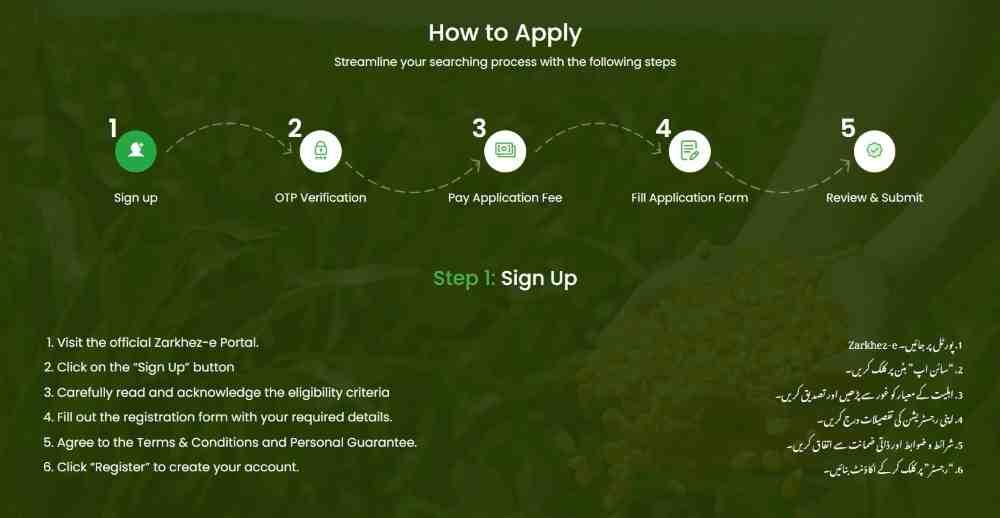
Farmers can apply for the Zarkhez-e loan entirely online through the official portal or mobile app without visiting any bank branch. The process involves five sequential steps from registration to final submission.
How to apply for the 10 lakh agriculture loan online
Visit the official Zarkhez-e portal at nsfsi.pitb.gov.pk or download the “Zarkhez-e” mobile app from the Google Play Store. Create an account using your CNIC and mobile number registered in your name. Complete the verification steps, fill the digital Loan Application Form, pay the processing fee, and submit your application for bank review.
Step 1: Sign Up – How to create an account on the Zarkhez-e portal
Access the official Zarkhez-e portal through any web browser or download the mobile application. Click the “Sign Up” button prominently displayed on the homepage. Carefully read and acknowledge the eligibility criteria displayed on screen. Fill out the registration form with your complete name, CNIC number, date of birth, and mobile number. Agree to the Terms & Conditions and Personal Guarantee digitally. Click “Register” to create your account. Upon successful registration, you will receive a confirmation message.
Step 2: OTP Verification – Why a registered mobile SIM is mandatory for Zarkhez-e
The Zarkhez-e system uses Pakistan Mobile Data (PMD) verification to cross-check your mobile SIM against your NADRA CNIC record. This step serves two critical purposes: first, it confirms that the applicant is a real person with valid identity documents; second, it prevents fraudulent applications using fake or unregistered SIM cards. After entering your CNIC and mobile number, the system sends a One-Time Password (OTP) via SMS. Enter this OTP in the portal to verify that the mobile SIM is registered in your name as per NADRA records. Without a SIM registered in your name, you cannot complete the verification step.
Step 3: Pay Application Fee – What is the processing fee for the Zarkhez-e digital loan
An online processing fee of PKR 1,200 is required to cover the costs of necessary third-party verifications. This fee covers:
- NADRA Verisys – Identity verification against the national database
- PMD verification – Mobile SIM ownership confirmation
- LIMS check – Land Information Management System agronomic assessment
- ECIB/credit bureau inquiry – Credit history check
The fee is paid digitally through the portal using mobile banking, credit/debit card, or other online payment methods. This fee is non-refundable and must be paid before the application proceeds to the credit assessment stage.
Step 4: Fill Application Form – What information is needed to complete the Zarkhez-e application
The digital Loan Application Form (LAF) requires the farmer to provide comprehensive information across four categories:
Personal Information
- Full name as per CNIC
- CNIC number and expiry date
- Date of birth
- Permanent address
- Father’s/husband’s name
Landholding Information
- Province of cultivation (Punjab, Sindh, KPK, Balochistan)
- Total cultivated acres
- Land ownership status (owner, tenant, or sharecropper)
- Land location and survey numbers (if available)
Crop and Farming Information
- Intended crop(s) for cultivation
- Estimated input requirements (seeds, fertilizers, pesticides, diesel)
- Previous crop yield history
Banking Information
- Preferred bank for loan processing
- Existing banking relationship (if any)
- Mobile wallet or Asaan Account details (if already existing)
Step 5: Review and Submit – How the application is submitted for approval
After completing all sections of the digital Loan Application Form, carefully review every piece of information for accuracy. Any discrepancy between the information provided and NADRA or LIMS records will cause verification failure. Once satisfied, click the “Submit” button to send the application to the digital processing system. The application is then automatically routed to the selected bank’s credit assessment system. You will receive an acknowledgment message with a tracking ID that can be used to monitor application status through the portal or app.
Who is Eligible for the Asaan Digital Zarai Qarza?

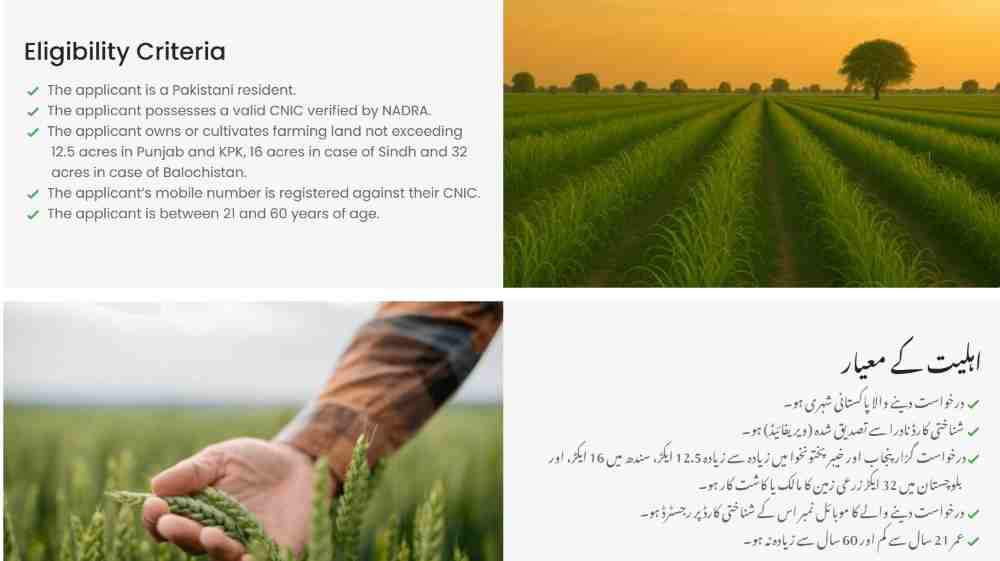
Eligibility for the Zarkhez-e scheme is based on multiple criteria including landholding limits by province, age restrictions, residency status, and mobile SIM registration. The scheme is specifically designed for small farmers, tenants, and sharecroppers who have been traditionally excluded from formal agricultural credit.
Landholding limit for Punjab and KPK farmers under this scheme
For farmers in Punjab and Khyber Pakhtunkhwa (KPK), the maximum landholding limit for eligibility is up to 12.5 acres. Farmers cultivating more than 12.5 acres are not eligible under this scheme, as it is specifically targeted at subsistence and small-scale farmers.
Landholding limit for farmers in Sindh and Balochistan
For farmers in Sindh, the eligibility limit is up to 16 acres. For farmers in Balochistan, the limit is up to 32 acres. These differentiated limits recognize the varying landholding patterns and agricultural conditions across Pakistan’s provinces.
Can tenants apply for the Zarkhez-e digital loan?
Yes, tenants and sharecroppers are explicitly included in the Zarkhez-e scheme. This is one of the most revolutionary aspects of the program, as tenant farmers have historically faced the greatest difficulty in accessing formal credit due to lack of land ownership. Tenants can apply using their tenancy agreements or cultivation rights documentation, which are verified through the digital system rather than requiring physical land title documents.
Age limit for applicants in the Zarkhez-e scheme
Applicants must be between 21 and 60 years of age at the time of application. Farmers below 21 years are considered minors under Pakistani contract law and cannot enter into legally binding financing agreements. Farmers above 60 years may have reduced repayment capacity due to age-related factors, though exceptions may be considered on a case-by-case basis by participating banks.
Can women farmers apply for the Asaan Digital Zarai Qarza?
Yes, the Zarkhez-e scheme is fully inclusive of women farmers. Women who meet the eligibility criteria – including land ownership, tenancy rights, or cultivation of agricultural land – can apply on the same terms as male farmers. This promotes gender inclusion in agriculture finance, a sector where women farmers have traditionally been marginalized.
Is a NADRA-verified CNIC mandatory for this loan?
Yes, a valid CNIC verified by NADRA is an absolute prerequisite for the application. The digital verification system cross-references every applicant against the NADRA database. Applications with invalid, expired, or unverified CNICs are automatically rejected at the initial verification stage.
Can I apply if the mobile SIM is not registered in my name?
No. A mandatory condition for application is that your mobile phone SIM must be registered in your own name as per NADRA records. The PMD verification system checks SIM ownership against CNIC records. SIMs registered under another person’s name, or unregistered SIMs, will fail the OTP verification step and prevent application completion.
Understanding Zarkhez-e Loan Amount, Tenure, and Markup
The Zarkhez-e loan structure is designed around per-acre financing limits with clear maximum caps for landowners and tenants, a 12-month repayment tenor aligned with crop cycles, and subsidized markup rates to ensure affordability.
How many acres of land are required to get a 10 lakh loan?
To receive the full PKR 1 million (10 lakh) loan, a landowner would need to cultivate at least 10 acres of agricultural land, as the scheme provides PKR 100,000 per acre. Farmers with fewer cultivated acres receive proportionally lower loan amounts based on their actual cultivated area. Tenants, with a maximum limit of PKR 500,000, would need at least 5 cultivated acres to reach their cap.
Zarkhez e asaan digital zarai qarza markup rate
The exact markup rate varies by participating bank and the prevailing monetary policy environment. However, the scheme’s government-backed risk coverage (10% first-loss guarantee) and operational subsidies enable banks to offer rates significantly below standard commercial agricultural loan rates. For the most current markup rates, farmers should check the specific offer from their chosen participating bank at the time of application, as rates may be updated periodically.
Repayment period for the Zarkhez-e production loan
The financing tenor is up to 12 months, designed specifically to align with the standard crop cycle from sowing to harvest. This short-term structure ensures that farmers repay the principal plus markup/profit shortly after harvesting and selling their crop, preventing long-term debt accumulation.
Can I repay my Zarkhez-e loan early?
Yes, early repayments are allowed without any pre-payment penalty. Farmers who have a successful harvest or receive early crop sale proceeds can repay their entire outstanding amount before the 12-month tenor ends. This feature encourages farmers to clear their debts as soon as they have the means, reducing overall interest/markup costs.
Security, Collateral, and Risk Mitigation
The Zarkhez-e scheme eliminates traditional collateral requirements through a combination of digital verification, structured disbursement, mandatory insurance, and government-backed risk coverage that protects both farmers and banks.
Is there any collateral or security required for Zarkhez-e?
No, the Zarkhez-e scheme is entirely collateral-free. Farmers are not required to provide land titles, property documents, personal guarantors, or any other form of traditional collateral. This is the hallmark feature that distinguishes Zarkhez-e from conventional agricultural loans and makes it accessible to small farmers and tenants who lack such assets.
What is the 10% first-loss guarantee in the Zarkhez-e scheme?
To encourage bank participation and mitigate lending risk, the Government of Pakistan provides a 10% first-loss portfolio guarantee under the Risk Coverage Scheme for Small Farmers and Underserved Areas. This means:
- For every PKR 100 in loan defaults, the government covers the first PKR 10 of losses
- Banks are only exposed to the remaining 90% of default risk
- This tangible buffer against default makes the scheme commercially viable for banks
- The guarantee applies on a portfolio basis, not per individual loan
What happens if my crop fails after taking the loan?
The mandatory crop insurance under the Crop Loan Insurance Scheme (CLIS) protects farmers in case of crop failure due to:
- Natural calamities (floods, droughts, hailstorms, cyclones)
- Pest infestations and disease outbreaks
- Fire, lightning, and other unforeseen events
If a covered event causes crop failure, the insurance claim settles part or all of the outstanding loan amount, protecting the farmer from bearing the full financial burden. Farmers should report crop damage immediately to their bank and the insurance provider to initiate the claim process.
Which Banks and Apps Facilitate the Zarkhez-e Loan?
Multiple commercial banks and microfinance banks (MFBs) participate in the Zarkhez-e scheme, with dedicated mobile applications and digital portals that enable farmers to apply, track, and manage their loans entirely online.
Which banks are participating in the Zarkhez-e digital loan program?
Several major commercial banks and microfinance banks participate in the Zarkhez-e scheme, including the Bank of Punjab (BOP), MCB Bank, and other leading financial institutions. The Pakistan Banks Association (PBA) has confirmed that banks are willingly engaging with the initiative, citing the program’s structure as a commercially viable incentive-driven scheme rather than regulatory pressure. Participating banks receive an operational cost subsidy of PKR 10,000 per borrower for every net increase in outstanding borrowers, further encouraging participation.
What is the Zarkhez-e BOP?
BOP Zarkhez-e is a dedicated smartphone application by the Bank of Punjab that allows farmers to access and manage their Zarkhez-e loan accounts and services quickly and securely 24 hours a day. The app offers a complete self-service registration process, from initial account creation to transaction execution, without requiring physical bank visits.
What is the Zarkhez-e portal?
The Zarkhez-e portal (accessible via nsfsi.pitb.gov.pk) is the central, government-operated online platform where farmers from across Pakistan can register, apply for the loan, complete verifications, and track their application status. The portal is the primary application channel for farmers who prefer using a computer rather than a mobile device.
How do I download the Zarkhez-e mobile application?
The official “Zarkhez-e” mobile app is available for download on the Google Play Store for Android smartphones. Search for “Zarkhez-e” or “BOP Zarkhez-e” in the Play Store, download and install the application, then follow the in-app registration process to create your account and begin your loan application.
Zarkhez e asaan digital zarai qarza helpline number
For immediate assistance, troubleshooting, and application support, farmers can contact the dedicated helpline numbers provided within the official Zarkhez-e mobile app and portal. Farmers can also visit their nearest participating bank branch for assistance with digital onboarding if they face difficulties with the online process.
A Deep Dive into the Digital Verification Ecosystem
The Zarkhez-e digital verification ecosystem integrates multiple government and private databases to verify farmer identity, land records, and credit history without requiring physical document submission or branch visits.
How does the LIMS verify my land?
The Land Information Management System (LIMS) provides digital agronomic data and land record verification. When a farmer submits land details, LIMS cross-references this information against digital land records to confirm:
- Land ownership or tenancy rights
- Cultivated acreage
- Crop history and land productivity
- Geographic location and agricultural suitability
This remote verification allows banks to assess land status and crop potential without physical site visits, significantly reducing processing time and eliminating opportunities for land record fraud.
What is the role of NADRA and PMD verification in the Zarkhez-e scheme?
NADRA Verisys confirms the applicant’s identity against Pakistan’s national database, verifying CNIC validity, expiration date, and biographical information. PMD (Pakistan Mobile Data) verification ensures the mobile SIM registered for the account matches the applicant’s CNIC. Together, these create a robust digital Know Your Customer (KYC) process that meets banking regulations without requiring physical document submission.
What documents are needed for the digital application?
The Zarkhez-e application process is entirely paperless. Instead of submitting physical documents, the system verifies information digitally through:
- CNIC number (verified against NADRA database)
- Registered mobile number (verified against PMD records)
- Land information (verified against LIMS digital records)
- Tenancy information (verified through digital tenancy agreements where available)
No physical copies of CNIC, land documents, photographs, or application forms need to be submitted or uploaded.
Beyond the Loan: Agri-Advisory Services and Market Linkages
The Zarkhez-e scheme goes beyond simple loan disbursement by providing farmers with agri-advisory services for improved yields and mechanisms to facilitate sale of agricultural produce at fair prices.
What agri-advisory services are provided under Zarkhez-e?
Participating banks arrange Agri-Advisory Services (AAS) for farmers by developing partnerships with Agri-Service Providers (ASPs) like LIMS. These advisory services provide:
- Best agronomic practices for specific crops
- Weather forecasts and early warning systems
- Pest and disease management guidance
- Soil health and fertilizer recommendations
- Crop planning and rotation advice
Farmers receive these advisory services through the same digital channels used for loan management, ensuring continuous support throughout the cultivation cycle.
How does the scheme facilitate the sale of agricultural produce?
The Zarkhez-e scheme encourages banks to develop mechanisms that help farmers sell their agricultural produce or store it in accredited warehouses for better prices. For Shariah-compliant financing modes, banks may use Salam/Parallel Salam arrangements to purchase/sell produce directly. For conventional financing, banks may require farmers to sell or deliver produce directly to designated vendors, ensuring market access and price transparency.
What is HBL Zarai’s role in the Zarkhez-e ecosystem?
HBL Zarai Services Limited has been approved by the State Bank of Pakistan as an Agricultural Services Provider under the Zarkhez-e scheme. This approval enables banks to facilitate structured in-kind agricultural financing through HBL Zarai, enhancing transparency, improving farmer economics, and expanding the reach of the scheme to more farmers across Pakistan.
Tracking, Troubleshooting, and Common Questions
Farmers can track their Zarkhez-e loan application status in real-time through the portal or app, with common questions addressing existing loans, branch visits, related schemes, and digital documentation.
How do I track my Zarkhez-e loan application status?
Farmers can log in to their account on the official Zarkhez-e portal or mobile app to track their application status in real-time. The tracking system shows the current stage of processing:
- Registration and verification pending
- NADRA/PMD/LIMS verification in progress
- Credit assessment and scoring
- Bank approval pending
- Disbursement processing
- Disbursement complete
Can I apply for this loan if I already have an existing bank loan?
Yes, but the final decision depends on the credit evaluation by the financial institution. The bank will conduct an ECIB (Electronic Credit Information Bureau) or other private credit bureau check to assess:
- Existing credit history
- Any overdues or write-offs on previous loans
- Debt Burden Ratio (DBR) as per bank policy
Farmers with acceptable credit history and sufficient repayment capacity may be approved even with existing loans.
Do I need to visit a bank branch to sign the documents?
No. The entire process, including the signing of the Loan Application Form (LAF) and Terms & Conditions, is completed digitally through the online portal. Farmers authenticate their consent through the digital system without requiring physical signatures or branch visits.
What is the Asan Qarza Scheme and how is it related to Zarkhez-e?
The Asan Qarza Scheme is a related but separate youth-focused initiative offering loans up to PKR 500,000. Key differences include:
- Asan Qarza requires a 10% borrower self-contribution (down payment)
- Tangible collateral is required (owned property or family member’s property)
- Targeted specifically at rural youth aged 18-35 years
- Repayment is over 5 years in half-yearly installments
Asan Qarza is operated through ZTBL branches across Pakistan, whereas Zarkhez-e is fully digital and collateral-free.
Challenges, Criticism, and the Future of Zarkhez-e
While the Zarkhez-e scheme represents a major advancement in agricultural financing, it faces challenges including digital literacy gaps and limited internet access in remote areas, though the banking industry has rejected criticism that participation is coerced.
What are the potential challenges for farmers using the digital portal?
Despite the scheme’s benefits, farmers may face several challenges:
- Low digital literacy among older farmers who are unfamiliar with smartphone applications
- Limited or unreliable internet connectivity in remote rural areas
- Lack of smartphone ownership among the poorest subsistence farmers
- Potential technical glitches during online registration or verification
- Language barriers if the portal interface is not available in local languages
To address these challenges, participating bank branches offer assistance with digital onboarding, and the helpline provides support for farmers facing technical difficulties.
Is the Zarkhez-e scheme available in Balochistan and KPK?
Yes, the Zarkhez-e scheme is a national initiative available to eligible farmers in all four provinces of Pakistan, including Balochistan and Khyber Pakhtunkhwa (KPK). Each province has specific landholding limits: 12.5 acres for KPK, 32 acres for Balochistan.
What has been the response of the Pakistan Banks Association to the scheme?
The Pakistan Banks Association (PBA) has publicly confirmed that banks are willingly engaging with the Zarkhez-e initiative. The PBA has rejected criticism that participation is the result of regulatory pressure or coercion, stating that the scheme has been structured as a commercially viable incentive-driven model for agricultural lending. The 10% first-loss guarantee and operational cost subsidies make the scheme attractive to banks from a risk management perspective.
What is the long-term vision of the Zarkhez-e initiative?
The long-term vision of Zarkhez-e is to create a modern, data-driven agricultural economy in Pakistan by systematically bringing millions of small farmers into the formal credit system. Key long-term objectives include:
- Improving national agricultural productivity through access to quality inputs
- Reducing rural poverty by replacing informal moneylenders with formal banking
- Creating digital credit histories for farmers to access larger loans in the future
- Building an agricultural data infrastructure for evidence-based policy making
Conclusion: A New Dawn for Pakistani Farmers
The Zarkhez-e – Asaan Digital Zarai Qarza is more than just a loan scheme; it is a revolutionary digital infrastructure for Pakistan’s agricultural sector. By removing collateral barriers, leveraging technology for verification, ensuring funds are used for productive inputs, and providing mandatory insurance protection, it empowers millions of small farmers, tenants, and sharecroppers who have been excluded from formal finance for generations. This comprehensive guide provides all the necessary information for eligible farmers to navigate the process, apply online, and take a significant step toward financial inclusion and agricultural prosperity.
Disclaimer: This information is for educational and guidance purposes only. Loan approval, terms, markup rates, and eligibility are subject to the final discretion of participating banks. Farmers should verify all details directly with their chosen bank or the official Zarkhez-e portal before applying.
Frequently Asked Questions (FAQs)
Q1: Is the Zarkhez-e loan completely free of markup?
No, the Zarkhez-e loan carries a subsidized markup rate that is lower than standard commercial agricultural loans. The exact rate varies by participating bank.
Q2: Can a tenant with no land ownership documents apply?
Yes, tenants can apply using their tenancy agreements or cultivation rights. The digital verification system accommodates tenant applications without requiring land title documents.
Q3: How long does the digital approval process take?
Approval timelines vary based on verification complexity and bank processing times. Funds are generally disbursed within 7 days of application submission, provided all verifications clear successfully.
Q4: Is the processing fee of PKR 1,200 refundable if my application is rejected?
No, the PKR 1,200 processing fee is non-refundable as it covers third-party verification costs incurred regardless of approval outcome.
Q5: Can I use the loan amount to buy a tractor or farm machinery?
No, the Zarkhez-e loan is specifically restricted to crop input expenses: seeds, fertilizers, pesticides, and diesel. Farm machinery purchases are not covered under this scheme.
Q6: What happens if my mobile SIM is registered under my father’s name?
You cannot apply with a SIM registered under another person’s name. The SIM must be registered in your own name as per NADRA records to pass PMD verification.
Q7: Can I apply for Zarkhez-e if I have a default history on a previous loan?
A default or write-off on a previous loan may negatively impact your credit assessment. Banks conduct ECIB checks and may reject applicants with adverse credit history.
Q8: How are the in-kind inputs delivered to the farmer?
After loan approval and disbursement to the farmer’s mobile wallet, funds are restricted for use only at registered agri-merchants where farmers purchase seeds, fertilizers, pesticides, or diesel directly.

Add a Comment