
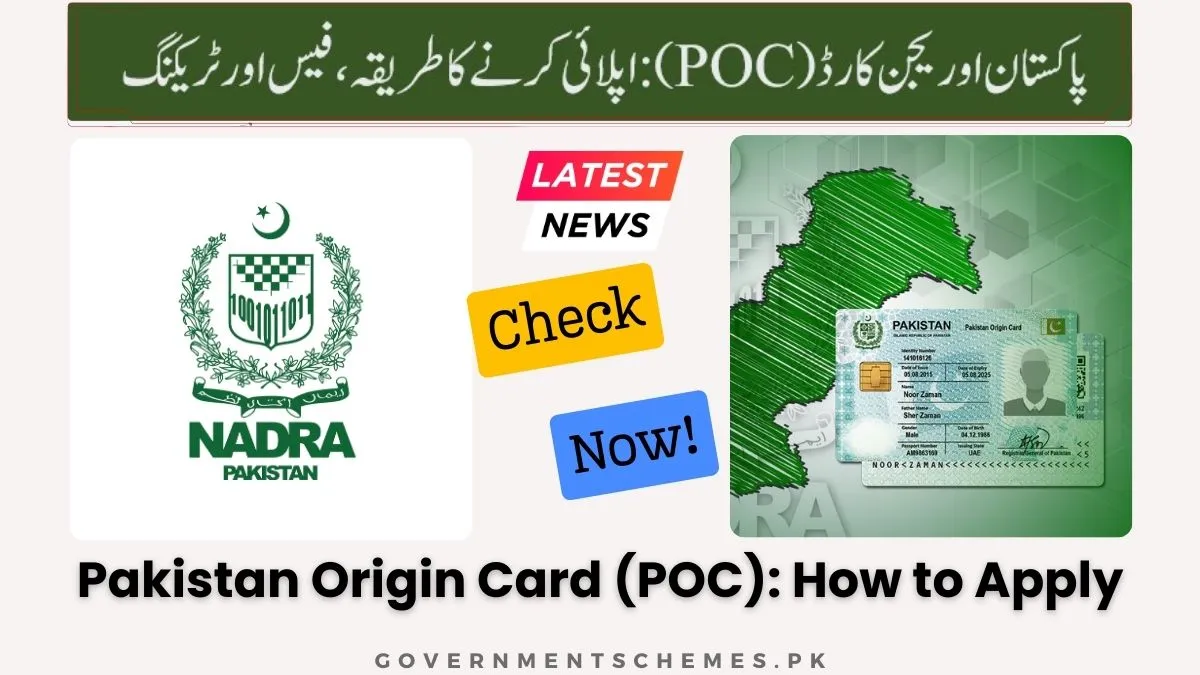
A Pakistan Origin Card (POC) is a multiple-entry smart card issued by NADRA to foreign nationals who can prove their Pakistani origin, granting them visa-free entry, property ownership rights, and the ability to live and work in Pakistan indefinitely without citizenship. This comprehensive guide covers everything you need to know about obtaining, renewing, and using your POC, including the recent QR code upgrade under the “One Nation – One Identity” initiative.
What you will learn in this guide:
- Who exactly qualifies for a Pakistan Origin Card and who is excluded
- The step-by-step online application process using the PakID mobile app
- Complete fee structure for fresh applications, renewals, and urgent processing
- How to track your application status from submission to delivery
- The difference between POC and NICOP and which one you need
- Required documents checklist for spouses, children, and former citizens
- Troubleshooting tips for rejected applications and common errors
Key Takeaways
- QR Code Upgrade Now Standard: All new POC cards issued feature QR-based verification instead of microchips, enabling instant offline and online authentication under the “One Nation – One Identity” framework.
- Lifetime Validity for Seniors: Citizens aged 60 and above are now eligible for a lifetime-validity POC marked with a distinct senior-citizen logo, eliminating the need for renewals.
- Biometrics via Mobile App: Fingerprints can now be captured directly through the PakID mobile app with 10 allowed attempts before requiring a physical 600 DPI scanned form.
- Visa-Free Entry with Limits: POC holders can enter Pakistan without a visa and stay indefinitely, but cannot vote, hold political office, or obtain a Pakistani passport.
- Read More: Family Registration Certificate (FRC): How to Apply Online
- Read More: NADRA Office Timing And Working Days (All Pakistan)
- Read More: NADRA Pakistan Timing | Is Nadra Helpline 24 Hours
Pakistan Origin Card (POC): How To Apply, Fee, & Tracking
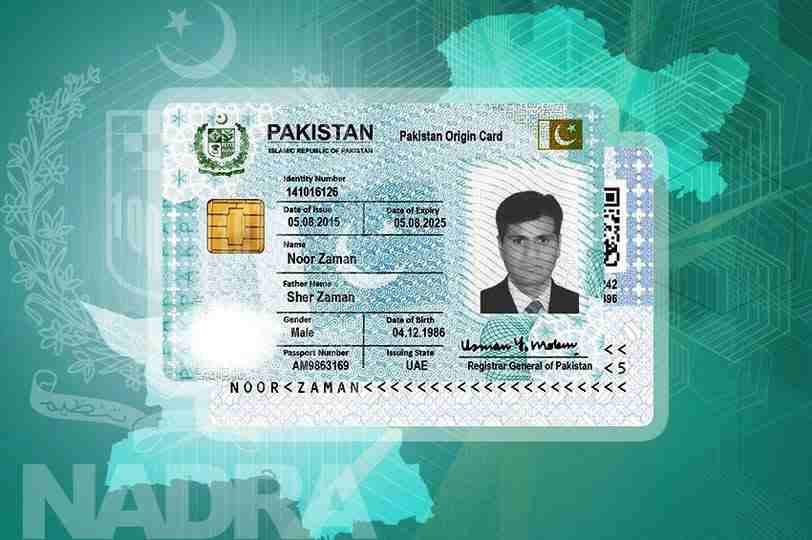
Table Of Contents
What is a Pakistan Origin Card (POC)? Understanding the QR Code Upgrade
A Pakistan Origin Card (POC) is an official identification document issued by the National Database and Registration Authority (NADRA) to foreign nationals who can establish their Pakistani ancestry. Unlike a Computerized National Identity Card (CNIC) which is reserved for Pakistani citizens, or a National Identity Card for Overseas Pakistanis (NICOP) which is for dual nationals, the POC is specifically designed for individuals who hold foreign citizenship but maintain strong familial or historical ties to Pakistan.
The formal definition of a Pakistan Origin Card (POC)
The Pakistan Origin Card serves as proof of origin rather than proof of citizenship. It legally recognizes that the holder, while currently a citizen of another country, has roots in Pakistan through birth, parentage, or marriage. This distinction is crucial because it grants specific rights without conferring the full political privileges of citizenship.
What does the “Smart POC” signify in the current NADRA system?
The term “Smart POC” refers to the latest generation of the card that incorporates advanced security features and digital verification capabilities. Smart POC cards contain embedded QR codes and encrypted data that allow immigration officials, banks, and government agencies to instantly verify the holder’s identity and status through NADRA’s verification systems.
How the “One Nation – One Identity” framework revolutionized the POC
The “One Nation – One Identity” initiative represents a fundamental shift in how NADRA issues and manages identification documents. Under this framework, all NADRA-issued cards including the POC now follow a unified data structure and visual format. This standardization means that POC cards now visually resemble CNIC and NICOP cards, with the primary distinction being the card’s color scheme and the holder’s status designation.
The legal introduction of QR codes: Moving away from the old microchip system
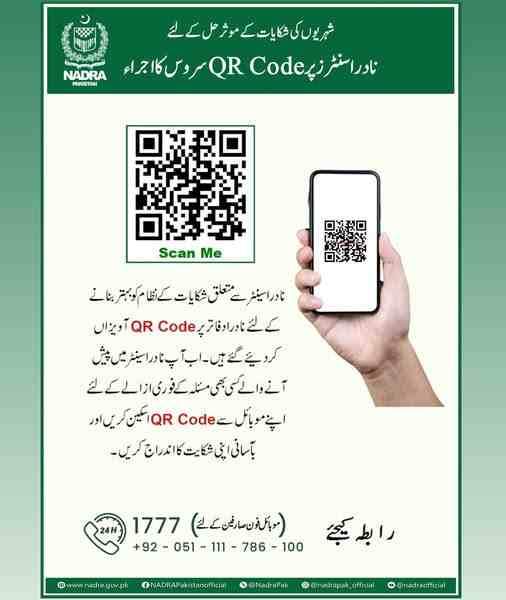
QR codes have replaced the traditional microchip found on older NADRA cards. This transition was driven by several practical considerations. QR codes are more durable than microchips, which were susceptible to damage from bending or magnetic exposure. QR codes can be scanned by any smartphone equipped with the official NADRA verification app, eliminating the need for specialized card readers at every checkpoint. QR codes store the same encrypted information as the old chips but can be updated remotely if necessary.
Why the POC is a “multiple-entry card” and what that legally implies for entry into Pakistan
When NADRA designates the POC as a “multiple-entry card,” it means that holders can enter and exit Pakistan freely without applying for separate entry visas each time. Legally, the POC functions as both an identity document and a long-term multiple-entry visa waiver. Immigration authorities at Pakistani airports and land borders recognize the POC as sufficient authorization for entry, provided the holder also presents a valid foreign passport.
What does a POC look like? Describing the new QR-based, uniform ID card format
The current POC follows the standard NADRA card dimensions and includes several distinct visual elements. The card features the holder’s photograph, full name, father’s or husband’s name, date of birth, and a unique 13-digit identification number. The QR code appears on the front of the card, typically near the bottom right corner. The card’s background design includes subtle security patterns that are difficult to replicate, and the laminate contains holographic elements that shift appearance when viewed from different angles.
What does POC stand for? Clarifying the acronym for new applicants
POC stands for “Pakistan Origin Card.” This acronym is consistently used across all NADRA communications, application forms, and official correspondence. Understanding this acronym is essential when navigating the PakID portal or communicating with NADRA customer support, as it distinguishes this specific document type from CNIC, NICOP, and other registration documents.
Is the POC a visa, a passport, or a citizenship document? Clarifying the legal status
The POC occupies a unique legal category that combines elements of all three documents while being distinct from each. Unlike a visa which is typically affixed to a passport and has strict time limits, the POC is a standalone card with multi-year validity. Unlike a passport which establishes nationality and is issued by a country of citizenship, the POC is issued by Pakistan to foreign nationals. Unlike a citizenship document which confers full political rights, the POC grants residency and economic rights without voting privileges.
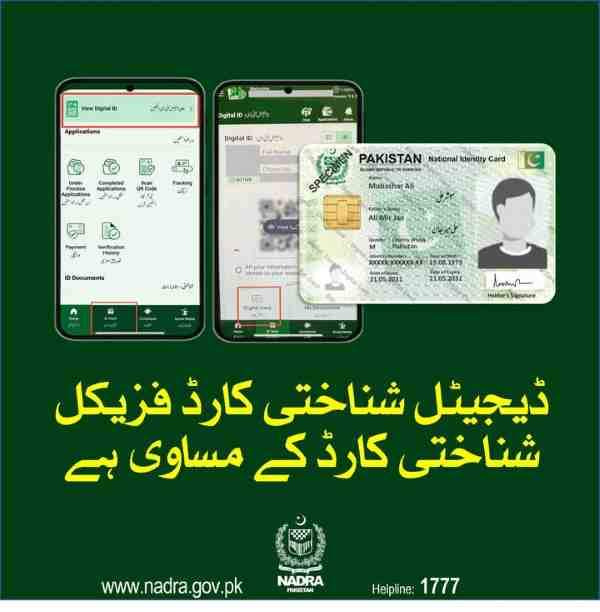
The difference between a physical POC card and an electronic verifiable credential
The physical POC card remains the primary document that holders must carry when traveling or conducting official business in Pakistan. However, the QR code on the card enables an electronic verifiable credential that can be accessed through NADRA’s verification portals. When authorities scan the QR code, they retrieve real-time data from NADRA’s central database, ensuring that the information is current and that the card has not been reported lost, stolen, or revoked.
Who is Eligible for a Pakistan Origin Card (POC)?
The core eligibility criteria for a Pakistan Origin Card centers on proving a genuine and verifiable connection to Pakistan through birth, ancestry, or marriage. NADRA applies strict verification standards to ensure that only individuals with legitimate claims to Pakistani origin receive this document.
Can I apply for a POC if I was a citizen of Pakistan but now hold foreign nationality?
Yes, former Pakistani citizens who have voluntarily acquired foreign citizenship are among the primary eligible categories for a POC. If you were born in Pakistan and later became a citizen of another country, or if you held Pakistani citizenship through parentage and subsequently renounced it to take foreign nationality, you qualify. You must provide documentation proving your previous Pakistani citizenship, such as a cancelled Pakistani passport, old CNIC, or NICOP.
POC eligibility for children and grandchildren of Pakistani nationals: How far does the lineage go?
The eligibility extends to children and grandchildren of Pakistani nationals, regardless of where they were born. If your parent or grandparent was a Pakistani citizen at the time of your birth, you qualify for a POC even if you have never visited Pakistan. This generational allowance recognizes the ongoing connection that diaspora families maintain with Pakistan. Great-grandchildren are generally not eligible unless special circumstances apply, such as continuous family documentation proving unbroken lineage.
What are the requirements for a foreign spouse to get a POC?
Foreign spouses of Pakistani nationals are eligible for a POC, subject to specific documentation requirements. The Pakistani spouse must provide their valid CNIC or NICOP, and the marriage must be registered with the relevant Pakistani authorities or foreign equivalent with proper attestation. Spousal POC cards carry a shorter validity period than standard POCs, reflecting the conditional nature of the status.
Who is not eligible for a POC? (e.g., Indian or Israeli citizens per NADRA policy)
NADRA maintains specific exclusion categories based on Pakistan’s legal and policy framework. Citizens of India and Israel are explicitly ineligible for POCs under current regulations. Additionally, individuals who cannot provide verifiable proof of Pakistani origin, those with fraudulent documentation, or applicants with criminal histories that would render them inadmissible under Pakistani immigration law may be denied.
Can I apply for a POC for my minor children? Understanding the process for families
Yes, parents or legal guardians can apply for POCs on behalf of minor children. The application requires the child’s birth certificate, proof of the parent’s Pakistani origin, and the parent’s own valid identification documents. Both parents’ information may be required, particularly in cases where only one parent holds Pakistani origin.
Eligibility for adopted children of Pakistani-origin parents
Adopted children are eligible for POCs provided the adoption is legally recognized under Pakistani law or the laws of the country where the adoption occurred. Complete adoption documentation, including court orders and amended birth certificates, must be submitted with the application.
Am I eligible if my parents were Pakistani but I have never visited Pakistan?
Yes, physical presence in Pakistan is not a prerequisite for POC eligibility. Many eligible applicants have never visited Pakistan but maintain their connection through family documentation. The key requirement is establishing the parent-child or grandparent-child relationship through official records.
Can a person who renounced Pakistani citizenship get a POC immediately after renunciation?
Individuals who have formally renounced Pakistani citizenship through the Pakistani embassy or consulate in their country of residence can apply for a POC immediately after renunciation. The renunciation certificate serves as proof of previous citizenship and forms the basis for the origin claim.
Special eligibility cases for residents of Azad Jammu & Kashmir applying as foreign nationals of origin
Residents of Azad Jammu and Kashmir who have acquired foreign citizenship follow the same general eligibility criteria as other former Pakistani citizens. Documentation proving their origin from the region, including old AJK-issued identification documents, must be provided.
What are the Key Benefits of Holding a Pakistan Origin Card?
The Pakistan Origin Card confers a comprehensive set of rights and privileges that make it invaluable for foreign nationals with Pakistani ties. These benefits are designed to facilitate seamless integration into Pakistani society while maintaining foreign citizenship status.
Does a POC allow me to stay in Pakistan indefinitely?
Yes, POC holders can reside in Pakistan for any duration without needing to renew their stay or report to immigration authorities. This indefinite right of abode distinguishes the POC from visas or work permits that impose time limits. There is no requirement to leave and re-enter Pakistan to reset a stay clock.
Can I buy property in Pakistan with a POC? Understanding property rights
POC holders possess full rights to purchase, sell, and own immovable property in Pakistan. This includes residential property, commercial real estate, and agricultural land, subject to the same regulations that apply to Pakistani citizens. Property transactions require the POC number for registration with revenue authorities.
Do I need a visa to enter Pakistan if I have a POC? Understanding visa-free entry
POC holders are exempt from visa requirements for entering Pakistan. The POC itself, when presented alongside a valid foreign passport, serves as authorization for entry. Immigration officers will stamp the passport upon arrival but do not require separate visa documentation.
Can I work in Pakistan on a POC? Employment eligibility explained
POC holders may accept employment in Pakistan without needing separate work permits or sponsor approvals. Pakistani employers can hire POC holders under the same terms as local citizens, with the only requirement being that the employee presents their valid POC for tax and social security registration purposes.
Can a POC holder open a bank account in Pakistan? Financial rights
Full banking rights accompany POC status. Holders can open savings accounts, current accounts, foreign currency accounts, and fixed deposit accounts with any Pakistani bank. Banks require the POC as primary identification and may also request the foreign passport for Know Your Customer compliance.
Exemption from police registration: How the POC simplifies your stay
Foreign nationals staying in Pakistan for extended periods are typically required to register with local police authorities. POC holders are explicitly exempt from this requirement, eliminating a significant administrative burden and potential source of complications during long-term stays.
Can a POC holder register a mobile SIM in Pakistan?
Yes, POC holders can register mobile SIM cards in their own names. Mobile network operators accept the POC as valid identification for SIM issuance, following the same biometric verification procedures that apply to Pakistani citizens.
Does a POC allow me to study in Pakistan?
Educational institutions in Pakistan accept POC holders as domestic students for admission purposes. This can result in significant tuition savings compared to international student fees and simplifies the enrollment process.
What are the limitations? (e.g., No right to vote or hold political office)
POC holders cannot vote in Pakistani elections, run for political office, or hold government positions that require Pakistani citizenship. They are also ineligible for a Pakistani passport and cannot claim diplomatic protection from Pakistani embassies in third countries.
Can a POC holder sponsor family members for visas?
POC holders can sponsor foreign national family members for Pakistani visit visas or longer-term stays. The sponsorship process involves submitting the POC holder’s identification and proof of relationship to Pakistani immigration authorities.
Pakistan Origin Card vs. NICOP: What is the Exact Difference?
Understanding the distinction between the Pakistan Origin Card and the National Identity Card for Overseas Pakistanis is essential for selecting the correct document for your situation.
The fundamental distinction: Citizenship vs. Origin
The NICOP is issued to Pakistani citizens living abroad, including those who hold dual nationality. The POC is issued to foreign nationals who can prove Pakistani origin but do not hold Pakistani citizenship. This citizenship-origin divide determines all other differences between the two documents.
Comparative analysis: POC vs NICOP (Benefits, validity, rights)
| Feature | Pakistan Origin Card (POC) | NICOP |
|---|---|---|
| Citizenship Requirement | Foreign national | Pakistani citizen (including dual nationals) |
| Voting Rights | No | Yes |
| Pakistani Passport Eligibility | No | Yes |
| Validity Period | 7 years (5 years for spouses) | Up to 10 years |
| Property Rights | Full | Full |
| Employment Rights | Full | Full |
| Visa-Free Entry | Yes | Yes |
Do I need to surrender my foreign nationality to get a POC?
No, POC holders retain their foreign citizenship and travel on their foreign passports. The POC complements rather than replaces the holder’s existing nationality.
Can a POC holder apply for a Pakistani passport?
POC holders cannot apply for Pakistani passports because passport issuance is restricted to citizens. If a POC holder subsequently acquires Pakistani citizenship through naturalization or other means, they could then apply for a NICOP and eventually a Pakistani passport.
Which card is better for someone who used to be a Pakistani citizen?
For individuals who were Pakistani citizens but now hold foreign citizenship, the POC is the appropriate document if they do not wish to maintain dual citizenship. Some countries do not permit dual citizenship, making the POC the only viable option for maintaining a formal connection to Pakistan.
NICOP for dual nationals vs. POC for single nationals of origin
Dual nationals who hold both Pakistani and foreign citizenship should obtain a NICOP. Single nationals who hold only foreign citizenship but have Pakistani origin should obtain a POC. This distinction is legally significant and affects rights such as voting and passport eligibility.
Voting rights: Why NICOP holders can vote but POC holders cannot
Voting in Pakistani elections is a right reserved for citizens. NICOP holders remain citizens despite living abroad, so they retain voting rights. POC holders are not citizens, so they cannot participate in elections.
Conversion: Can I switch from a POC to a NICOP if I regain citizenship?
If a POC holder subsequently acquires Pakistani citizenship through naturalization, marriage, or other legal means, they must surrender their POC and apply for a NICOP. The POC becomes invalid upon citizenship acquisition.
How to Apply for a Pakistan Origin Card Online (Step-by-Step)
The online application process through NADRA’s PakID platform is the only method for obtaining a POC. Consulates and embassies do not process POC applications directly but may provide assistance with the online system.
What is the official website and app for NADRA POC applications?
The official application portal is the PakID website accessible through any web browser, and the PakID mobile application available for iOS and Android devices. Both platforms connect directly to NADRA’s central database and offer the same application functionality.
How do I create an account on the Pak ID mobile app?
Download the PakID app from the official app store for your device. Open the app and select “Create New Account.” You will need to provide a valid email address and mobile number for verification. A confirmation code will be sent to both, which you must enter to activate your account.
Is the Pak Identity mobile app mandatory for POC biometrics?
The mobile app is the preferred method for capturing biometrics, but it is not strictly mandatory. Applicants can also upload scanned fingerprint forms, provided the scans meet the 600 DPI resolution requirement. However, using the app typically results in faster processing because biometric data is captured and transmitted electronically.
Step 1: Logging in and selecting “Smart POC – Fresh”
After logging into your PakID account, navigate to the “Apply for Card” section. From the list of available document types, select “Smart POC.” Then choose “Fresh” if this is your first application or if your previous POC has been expired for an extended period requiring a new application rather than a renewal.
Step 2: Filling out application details, personal info, and relative details accurately
Complete all fields in the application form with information that exactly matches your supporting documents. Your name must match your passport exactly. Your date of birth must match your birth certificate. Your father’s name must match the name on your parents’ documents. Any discrepancies will trigger verification delays or rejection.
Step 3: How to upload a photograph that meets NADRA’s specifications
The photograph must be a recent color image with a plain white background. Face must be clearly visible with both eyes open and no hair covering facial features. Glasses are not permitted unless medically required, and even then, they must not cause glare. The image should be at least 600 pixels wide and saved in JPEG format.
Step 4: How to upload fingerprints via the app or a 600 DPI scanner
Using the mobile app, follow the on-screen instructions to place your fingers on the device’s fingerprint sensor or camera area depending on your phone’s capabilities. You have 10 attempts to capture acceptable prints. If unsuccessful, download the fingerprint form from the NADRA website, have your prints taken at a local police station or fingerprinting service, scan the form at 600 DPI, and upload the scan.
Step 5: Adding foreign and permanent addresses correctly (One address rule)
The application requires both your current foreign address and your permanent address in Pakistan. Ensure these addresses are complete and accurate, as the card will be delivered to your foreign address, while your Pakistani address may be used for verification purposes.
Step 6: Reviewing the tracking ID and paying the fee
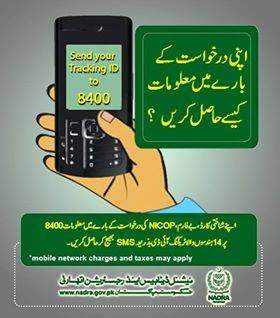
Before proceeding to payment, review all entered information carefully. Once payment is submitted, certain fields cannot be edited. Note your tracking ID, which is a unique identifier for your application. You will need this ID to check status and communicate with NADRA about your application.
What happens after I submit? The backend verification process explained
After submission, your application enters NADRA’s verification workflow. The system checks your documents against NADRA’s existing records, verifies the authenticity of your claimed relationships, and conducts security screenings. This process involves both automated checks and manual review by NADRA officers.
Can I apply from a Pakistani Embassy/Consulate abroad (e.g., Bahrain)?
While embassies and consulates cannot process POC applications directly, they can provide assistance with the online system. Some missions have designated staff to help applicants navigate the PakID platform and troubleshoot technical issues.
Applying for a POC if you are currently in Pakistan vs. overseas
The application process is identical regardless of your location. However, if you are in Pakistan, you have the option to collect your card from a NADRA center rather than waiting for international courier delivery. Your Pakistani address will be used for domestic delivery if you select this option.
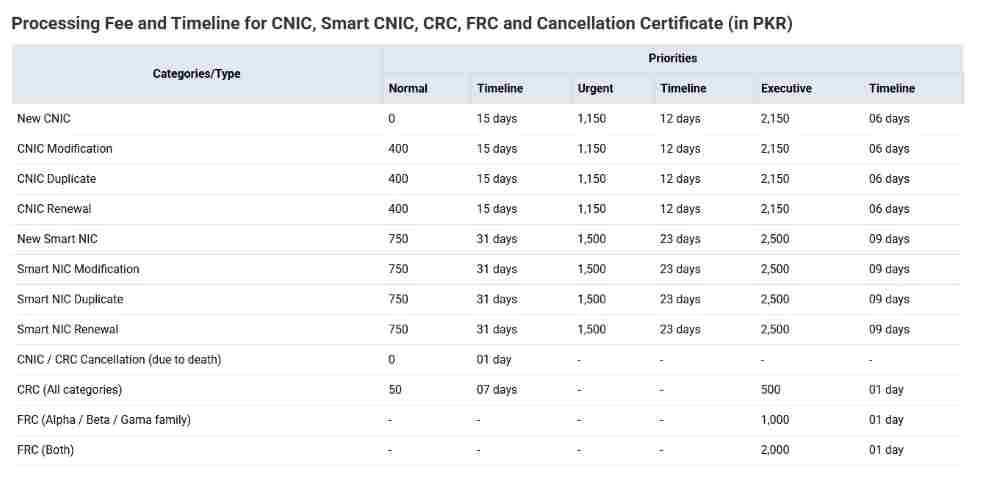
Pakistan Origin Card Fee Structure
The fee for a Pakistan Origin Card varies based on processing speed, applicant age, and delivery location. All fees are payable in Pakistani rupees through the online payment system.
What is the total fee for a new Pakistan Origin Card?
The standard fee for a normal processing POC is approximately 8,500 Pakistani rupees for adults. This includes the base government fee, NADRA service charges, and standard international courier delivery. Minor applicants pay approximately half the adult rate.
Is there a separate fee for urgent or executive POC processing?
Yes, urgent processing is available for applicants who need their card expedited. The urgent fee is approximately 17,000 Pakistani rupees, roughly double the normal fee. Urgent applications receive priority handling throughout the verification and printing stages.
How much does it cost to renew an expired POC?
Renewal fees are similar to fresh application fees, though sometimes slightly lower because some verification steps may be streamlined for existing record holders. Expect to pay approximately 8,000 rupees for normal renewal and 16,000 rupees for urgent renewal.
POC card Pakistan fees for minors vs. adults
| Applicant Type | Normal Processing | Urgent Processing |
|---|---|---|
| Adult (18+) | 8,500 PKR | 17,000 PKR |
| Minor (Under 18) | 4,250 PKR | 8,500 PKR |
Breakdown of the fee: Base government fee vs. NADRA service charges vs. delivery charges
The total fee consists of several components. The government fee covers the cost of database updates and record maintenance. NADRA service charges cover application processing and card production. Delivery charges cover international courier shipping via NADRA’s contracted logistics partners.
Are there additional taxes (e.g., Sales Tax) on the POC fee?
Yes, Pakistani sales tax is applied to NADRA service charges. The tax amount is included in the total fee displayed at checkout. International applicants do not need to pay additional taxes upon delivery.
Why is the POC fee sometimes different from the NICOP fee?
POC and NICOP fees differ because the underlying verification requirements and database access differ. NICOP applications require verification against citizenship records, while POC applications require verification against origin records. These different verification pathways have different associated costs.
How to Pay the NADRA POC Fee from Overseas (Step-by-Step)
International applicants have several payment options, though online card payment is the most straightforward method.
Can I pay the POC fee using a credit/debit card from abroad?
Yes, NADRA’s payment gateway accepts major international credit and debit cards including Visa, Mastercard, and American Express. The payment page is secured with encryption to protect your financial information during transmission.
Step-by-step guide to paying via Visa or Mastercard on the Pak ID portal
After completing your application, click “Proceed to Payment.” Select “Credit/Debit Card” as your payment method. Enter your card number, expiration date, and CVV code. The amount will be displayed in Pakistani rupees, but your bank will convert this to your local currency at their prevailing exchange rate. Wait for the confirmation screen before closing your browser.
How to pay using e-Sahulat, EasyPaisa, or JazzCash from within Pakistan
If you have a Pakistani bank account or mobile wallet, you can use local payment methods. Select the appropriate option during checkout and follow the instructions to complete the payment through your chosen service. A payment reference number will be provided for tracking.
Why did my payment fail? Troubleshooting international transaction errors
International payment failures typically occur for three reasons. Your bank may have blocked international transactions for security reasons. Your card’s daily transaction limit may be lower than the fee amount. The payment gateway may reject cards issued in certain countries due to banking restrictions. Contact your bank to authorize the transaction, or try a different card.
Do I pay before submission or after verification?
Payment is required at the time of application submission. NADRA does not process applications without payment. If your application is later rejected, you may be eligible for a refund minus administrative charges.
How to get a refund if my application is rejected or closed?
If NADRA rejects your application due to ineligibility or incomplete documentation, you can request a refund through the PakID portal. Refunds typically take 30 to 60 days to process and are subject to a deduction for administrative processing.
Currency conversion: Paying in PKR vs. USD/EUR/GBP
All fees are quoted and processed in Pakistani rupees. Your payment card provider will handle currency conversion at their applicable exchange rate. NADRA does not accept direct payment in foreign currencies.
Required Documents for a POC: The Complete Checklist
Gathering the correct documentation before starting your application prevents delays and rejections. The specific documents required depend on your eligibility category.
What documents are required for a foreign spouse to get a POC?
Foreign spouses must provide their valid foreign passport, the Pakistani spouse’s valid CNIC or NICOP, and a marriage certificate. The marriage certificate must be attested by the relevant authorities in the country where the marriage occurred and, if applicable, by the Pakistani embassy.
What documents are required for a child of Pakistani origin?
Children need their foreign passport, birth certificate showing parents’ names, and proof of the parent’s Pakistani origin. If only one parent is of Pakistani origin, documentation proving that parent’s status is essential.
Valid foreign passport: Validity requirements and copies
Your passport must be valid at the time of application. Scan the biographical page showing your photo, name, date of birth, and passport number. Some applications may also require scans of pages showing immigration stamps or visas that demonstrate your travel history.
Proof of Pakistani Origin: Using old Pakistani CNIC, cancelled passport, or father’s NICOP
Acceptable proof includes a cancelled Pakistani passport, an old CNIC that has been surrendered, a valid NICOP, or a father’s or grandfather’s Pakistani identification documents. The documents must clearly show the relationship between you and the Pakistani national.
Marriage Certificate: Attestation and translation requirements for foreign spouses
If your marriage certificate is in a language other than English or Urdu, you must provide a certified translation. The certificate may need attestation from the country of issuance’s foreign ministry and the Pakistani embassy in that country.
Birth Certificate/Form B: For children and lineage proof
Birth certificates must be official government-issued documents. For Pakistani-born applicants, Form B issued by NADRA is the standard document. For foreign-born applicants, the equivalent birth registration document from their country of birth is acceptable.
Photograph and Fingerprints: Technical specifications
Photographs must meet the specifications detailed earlier. Fingerprints must be clear and complete, with all ten fingers captured properly. Blurred or partial prints will be rejected.
Proof of foreign citizenship (if applicable)
Your foreign passport serves as proof of citizenship. If you hold citizenship in a country that does not issue passports, other official government-issued identification may be accepted.
Do I need an attestation/verification form for my POC application?
In some cases, NADRA may require a verification form signed by a witness who can attest to your identity and origin claims. This requirement is typically communicated during the application process if initial verification is inconclusive.
Biometrics and Photo Guidelines: Why Applications Get Rejected
Biometric and photo rejections are the most common reasons for application delays. Following specifications precisely prevents these issues.
Is the Pak Identity mobile app mandatory for POC biometrics?
The mobile app is the recommended method but not mandatory. The app uses your phone’s camera or fingerprint sensor to capture biometrics. If you cannot use the app, the manual fingerprint form is an alternative.
How to capture fingerprints successfully on the mobile app (10 attempts rule)
The app allows up to 10 attempts to capture your fingerprints. Place your finger flat on the sensor, apply gentle pressure, and hold steady until the app confirms capture. Ensure your fingers are clean and dry. Moisture or dirt can interfere with the sensor.
How to scan the fingerprint verifier form at 600 DPI
If using the manual form, have your fingerprints taken at a professional fingerprinting service using black ink on white paper. Scan the completed form at exactly 600 DPI resolution in black and white mode. Save as a PDF or high-quality JPEG.
Photograph rules: No glasses, no hats, plain background, no older than 6 months
The photograph must show your full face from the front, with neutral expression and mouth closed. Head coverings are permitted only for religious reasons and must not obscure facial features. The photo must be recent enough that your appearance has not significantly changed.
Common photo rejection reasons: shadows, hair across eyes, filters
Shadows across the face or background, hair covering parts of the face, and any use of photo filters or editing will result in rejection. The photo must be a raw, unedited image.
Female applicants: Guidelines for wearing hijab/abaya in the photo
Female applicants wearing hijab must ensure the head covering does not cast shadows on the face and that the face from the bottom of the chin to the top of the forehead is fully visible. The hijab should be a solid color, preferably white or light-colored, to contrast with the face.
Male applicants: Guidelines for wearing a turban or cap
Religious head coverings for men are permitted but must not obscure the face. The forehead, eyes, nose, and mouth must be clearly visible. The head covering should be a solid color that contrasts with the background.
What happens if my biometrics fail online? Do I have to visit an embassy?
If online biometrics fail after multiple attempts, NADRA may require an in-person appointment at a Pakistani embassy or consulate. The embassy can capture biometrics using their equipment and forward them to NADRA. This process adds time but resolves persistent capture issues.
How to Track Your POC Application Status Online
Tracking your application provides peace of mind and alerts you to any issues requiring action.
How do I track my POC application status online using the Tracking ID?
Log into your PakID account and navigate to the “My Applications” section. Your POC application will be listed with its current status. Click on the application to see detailed status information and any messages from NADRA.
Where to find the Tracking ID on your Pak ID account
The Tracking ID is displayed prominently when you first submit your application and in the application details section. It typically consists of a combination of letters and numbers unique to your application.
What does the status “Under Process” mean?
Under Process indicates that your application has been received and is in the verification queue. This is the normal status for most of the processing period. No action is required from you during this stage unless additional information is requested.
What does the status “Sent for Attestation/Verification” mean?
This status indicates that NADRA has completed initial checks and has forwarded your application to the relevant authorities for relationship verification. This may involve contacting the Pakistani relative you named in your application or checking records from other government departments.
What does the status “Printed” mean?
Printed confirms that your card has been manufactured and is ready for dispatch. Once you see this status, your card will typically be shipped within a few business days.
What does the error “Your application is marked for verification” mean?
This message indicates that your application triggered additional scrutiny. This can happen if documents are unclear, if information conflicts with existing records, or if your application is randomly selected for enhanced verification. You may receive requests for additional documentation.
How to use the NADRA tracking ID check for international deliveries
Once your card ships, you can track the courier delivery using the tracking number provided in your application status. The courier company’s website will show the package’s journey from Pakistan to your foreign address.
How long does it take to process a POC application? (Normal vs. Urgent timelines)
Normal processing typically requires 30 to 45 days from submission to delivery. Urgent processing reduces this to approximately 23 to 30 days. These timelines assume no verification issues or requests for additional documentation.
POC Processing Time, Delivery, and Collection
Understanding the complete timeline from submission to card in hand helps manage expectations and plan travel accordingly.
How long does it take to get a POC after applying?
From the moment you click submit, expect 4 to 6 weeks for normal processing and 3 to 4 weeks for urgent processing. These timeframes include verification, printing, and international shipping.
Does urgent processing actually reduce the time?
Yes, urgent applications receive priority throughout the workflow. They are queued ahead of normal applications for verification officer review, printed sooner, and shipped with expedited courier service. The time savings typically amount to 1 to 2 weeks.
How is the POC card delivered worldwide? (Courier services)
NADRA contracts with international courier companies to deliver cards worldwide. Cards are shipped in trackable packages that require a signature upon delivery. The courier will attempt delivery multiple times before returning the card to NADRA.
Can I change my delivery address after submitting the application?
Address changes after submission are difficult and may require proof of the address change. Contact NADRA support immediately if you need to change your delivery address. If the card has already shipped, you may need to coordinate with the courier company directly.
What happens if I am not home when the courier arrives?
The courier will leave a notice with instructions for rescheduling delivery or picking up the package from a local depot. Most couriers will make multiple delivery attempts before returning the package to NADRA in Pakistan.
How to collect a POC from a NADRA office if I am in Pakistan
If you are in Pakistan during the application process, you can select “Collection from NADRA Center” as your delivery option. When your card is ready, you will receive a notification. Visit the selected NADRA center with your original passport and the collection notification to receive your card.
What is the validity period of a Pakistan Origin Card? (General vs. Spouse)
Standard POCs are valid for 7 years from the date of issue. POCs issued to foreign spouses of Pakistani nationals are valid for 5 years. Senior citizens aged 60 and above receive cards valid for the remainder of their lives.
Senior Citizens (60+): How the new lifetime validity POC affects you
Applicants aged 60 and above now receive POCs marked with a senior citizen logo and valid for life. This eliminates the need for future renewals and ensures continuous validity for the holder’s lifetime.
Pakistan Origin Card Renewal: How to Renew Online
Renewing an expired or soon-to-expire POC follows a streamlined process compared to fresh applications.
How do I renew my POC online if it has already expired?
Log into your PakID account and select “Renew POC” from the application options. The system will pre-fill your information from your existing record. Verify that all information is still correct, update any changed details such as your address, upload a new photograph, pay the renewal fee, and submit.
Can I renew my POC before it expires?
Yes, you can renew your POC up to 6 months before its expiration date. Renewing early ensures continuous validity and avoids any gap during which your card might be expired while traveling.
Pakistan Origin Card renewal fee for standard and urgent processing.
Renewal fees are approximately 8,000 rupees for standard processing and 16,000 rupees for urgent processing. These amounts may vary slightly based on current NADRA fee schedules.
Is the renewal process different from a fresh application?
The renewal process is simpler because NADRA already has your biometrics and verified information on file. You may not need to resubmit fingerprints or provide all original documents again, though new photographs are always required.
Do I need to submit fresh biometrics for renewal?
Generally, no. NADRA retains your biometric data from your original application. However, if significant time has passed or if NADRA’s systems indicate quality issues with existing biometrics, you may be asked to provide fresh prints.
What is the grace period after the POC expires?
There is no formal grace period. An expired POC is not valid for travel or identification purposes. However, you can renew an expired POC without penalty for a reasonable period after expiration. After several years, you may need to apply as fresh rather than renewal.
Renewing the “Smart POC” with the new QR code features
All renewals automatically receive the latest card format with QR code technology. Your renewed card will incorporate all current security features and be compatible with NADRA’s latest verification systems.
What to do if your POC has been expired for more than a year?
If your POC has been expired for over a year, the online renewal option may not be available. You will need to apply as a fresh applicant, providing all documentation and going through full verification again.
How to Modify, Update, or Correct Information on Your POC
Life events such as marriage, address changes, or passport renewals require updates to your POC record.
How do I update my address or passport details on my POC?
Log into your PakID account and select “Modify Information.” Choose the type of update you need, provide the new information, upload supporting documents, and pay the modification fee. Your updated card will be issued with the corrected information.
How to correct a spelling mistake on your Pakistan Origin Card
Spelling errors must be corrected promptly because they can cause issues with immigration and banking. Submit a modification application with documentation showing the correct spelling, such as your passport or birth certificate.
Can I update my marital status or spouse’s name on the POC?
Yes, marriage or divorce requires updating your POC. Provide your marriage certificate or divorce decree along with your spouse’s identification documents if adding a spouse’s name.
What is the process for a “Modification” application on Pak ID?
The modification process follows the same general steps as a fresh application but with pre-filled information that you can edit. You will need to upload documents supporting the changes you request.
Do I need to pay the full fee for a modification or just a service charge?
Modification fees are lower than fresh application fees because they cover administrative processing rather than full verification. Expect to pay approximately 3,000 to 4,000 rupees for most modifications.
Updating the POC after passport renewal: Do I need a new card?
If your passport number changes due to renewal, you should update your POC record. While immigration officials can link your old POC to your new passport through your name and date of birth, having matching passport numbers avoids potential confusion.
Lost, Stolen, or Damaged POC: How to Get a Reprint
Losing your POC while abroad can be stressful, but NADRA provides a streamlined reprint process.
What should I do if I lose my Pakistan Origin Card abroad?
Immediately report the loss to local police and obtain a police report. Then log into your PakID account and select “Reprint Lost Card.” Upload the police report, pay the reprint fee, and your new card will be issued with the same number and information as the lost card.
How to apply for a “Reprint/Lost” on the Pak ID app
Navigate to the applications section and choose “Reprint” from the available options. Confirm that you are reporting a lost card, provide details of the loss, and upload the required documentation including police report if available.
Do I need a police report to report a lost POC?
A police report is strongly recommended and may be required. It provides official documentation of the loss and protects you if someone attempts to misuse your lost card.
Fee structure for a reprinted POC card
Reprint fees are approximately 4,000 to 5,000 rupees, covering production and delivery costs. This is lower than a fresh application because verification steps are not required.
Can I block my lost POC to prevent misuse?
When you report a lost card through the PakID system, NADRA immediately marks the old card as invalid in their database. Anyone attempting to use the lost card for verification will receive a “card reported lost” response.
Process for replacing a damaged or mutilated card
Damaged cards follow a similar process to lost cards. Select “Reprint Damaged” and upload photos showing the damage. You may be asked to return the damaged card to NADRA.
Troubleshooting: Why Your POC Application Was Rejected
Understanding rejection reasons helps you correct issues and reapply successfully.
What should I do if my POC application is rejected?
First, read the rejection reason provided in your application status. Address the specific issue identified, gather any additional documentation needed, and submit a new application. Your previous payment is not transferable to the new application.
Common reason 1: Applying as “Fresh” when you already have a POC/NICOP number
NADRA’s system detects if you already have an active or expired record. If you previously held a POC or NICOP, you must apply for renewal rather than fresh application, or indicate that you had a previous card and provide its number.
Common reason 2: Document mismatch or incomplete documents
If your name is spelled differently on different documents, if your date of birth varies, or if required documents are missing, your application will be rejected. Ensure all documents are consistent and complete before submitting.
Common reason 3: Biometric verification failure
Poor quality fingerprints or photographs that do not meet specifications will cause rejection. If this happens, pay extra attention to the guidelines when resubmitting, and consider using professional fingerprinting services if you had difficulty capturing prints.
Common reason 4: The “DUP Marked” record (Multiple identities)
If NADRA’s system detects that your information matches multiple existing records, your application will be flagged for investigation. This can happen if family members have similar names or if your documents have been used previously. You may need to provide additional proof of identity.
You will receive an email explanation from NADRA. What to do next?
Read the email carefully. It will specify exactly what went wrong. Address each point mentioned, gather the required corrected documents, and begin a new application. If the reason is unclear, contact NADRA support for clarification before reapplying.
How to file a complaint via NCCMS if you believe the rejection was unfair
The NADRA Centralized Complaint Management System (NCCMS) allows you to appeal rejections you believe were made in error. Provide your tracking ID, explain why you believe the rejection was incorrect, and upload any supporting evidence.
NADRA Helpline and Complaint Management for POC Issues
When issues arise, knowing how to reach NADRA effectively saves time and frustration.
How to contact NADRA helpline from overseas (+92 51 111 786 100)
The NADRA helpline is available for international callers. Dial +92 51 111 786 100 and follow the prompts to reach the appropriate department. Wait times can be long, so call during off-peak hours if possible.
How to use the NADRA Centralized Complaint Management System (NCCMS)
Access the NCCMS through the NADRA website. Register your complaint by providing your tracking ID, contact information, and a detailed description of your issue. You will receive a complaint reference number for tracking.
What information to provide when lodging a complaint (Tracking ID, Screenshots)
Always include your application tracking ID. Attach screenshots of any error messages or status pages that illustrate your problem. Provide clear contact information including your email and phone number with country code.
How to contact a NADRA case officer directly via email
If you have been assigned a case officer during verification, their email may be provided in your application status. Use this email for direct communication, quoting your tracking ID in the subject line.
Tracking ID not working? Troubleshooting the online portal
If your tracking ID returns no results, ensure you are entering it correctly with no spaces. Try accessing the portal from a different browser or device. If the problem persists, contact NADRA support with your full name, date of birth, and passport number to locate your application.
Technical issues with the Pak ID mobile app: Fixes and support
For app crashes or functionality issues, first ensure you have the latest version installed. Clear the app cache and restart your device. If problems continue, use the web-based portal as an alternative while awaiting app updates.
Frequently Asked Questions (FAQ)
How can I recover my NADRA Pak Identity login password?
Click the “Forgot Password” link on the login screen. Enter your registered email address or mobile number. You will receive a verification code. Enter the code and follow the prompts to create a new password.
Is a birth certificate mandatory for a POC application?
Yes, a birth certificate is mandatory as it establishes your identity and parentage. If you do not have a birth certificate, alternative documents such as school leaving certificates or affidavits may be accepted after verification, but this extends processing time.
What is the POC number on the ID card? Where is it located?
The POC number is a 13-digit unique identifier printed on the front of your card, typically below your photograph and above your name. This number is your primary reference for all NADRA transactions.
Can I travel to Pakistan on an emergency passport with a POC application in process?
You should not travel on an emergency passport while your POC application is pending because the name and number on your emergency passport may differ from your regular passport used in the application. Wait until your POC is issued or travel using visa arrangements.
Do I need to carry my foreign passport along with my POC when traveling?
Yes, you must carry both documents. The POC establishes your right to enter and stay in Pakistan, while your passport proves your identity and nationality for international travel. Immigration officials will examine both documents.
What is a Juvenile Card, and how does it relate to the POC?
A Juvenile Card is a NADRA-issued identification document for minors. It serves as proof of identity for children and can be used as supporting documentation for POC applications. Some minors may hold Juvenile Cards before transitioning to POCs.
What is the “English ID Card Fee in Pakistan”?
This term sometimes appears in search queries referring to the fee for NADRA cards issued with English-language text fields. All POC cards include English text for name and other fields, so the standard POC fee covers this requirement.
What is the difference between a Smart POC and a regular POC?
All POCs currently issued are Smart POCs featuring QR codes and advanced security features. The term “Smart POC” distinguishes current-generation cards from older versions that lacked these features. If you have an older POC, renewal will upgrade you to the Smart version.

Add a Comment