
The Nawaz Sharif Institute of Cancer Treatment and Research (NSICT&R) in Lahore stands as Pakistan’s first and largest public-sector cancer hospital, offering completely free treatment to patients from all provinces. This comprehensive guide provides everything you need to know—from the official helpline number and location details to appointment booking procedures, available treatments, and the latest operational updates as the facility begins serving patients in 2026.
What you will learn from this guide:
- The exact location, official helpline numbers, and how to book appointments at Nawaz Sharif Cancer Hospital
- Complete details about free treatment eligibility, covered services, and required documents
- Comprehensive overview of all cancer treatments, specialized units, and palliative care services
- Latest updates on hospital operations, job opportunities, and patient support facilities
Key Takeaways
- Free Treatment for All: Every patient, including those from other provinces, receives completely free cancer treatment at Nawaz Sharif Institute of Cancer Treatment and Research, covering chemotherapy, radiation, surgery, and palliative care.
- Comprehensive Services Under One Roof: The 915-bed facility integrates advanced diagnostics, 10 radiation therapy bunkers, bone marrow transplant centre, specialized ICUs, and a dedicated hospice for terminally ill patients.
- Operational Status 2026: The Outpatient Department (OPD) began serving patients in January 2026, with the full campus including the bone marrow centre and palliative care block expected to complete by June 2026.
- Patient Support Facilities: Free medicines, on-site blood bank, 24-bed attendants’ hostel, and accommodation for out-of-town patients make treatment accessible regardless of where patients come from.
- Read More: CM Punjab Field Hospital Program (Area+Helpline)
- Read More: CM Punjab School Nutrition Program: Districts and Food Items List
- Read More: Sehat Sahulat Program (By CM Punjab) | Free Insulin, Dialysis, & Medicines
Nawaz Sharif Institute of Cancer Treatment and Research
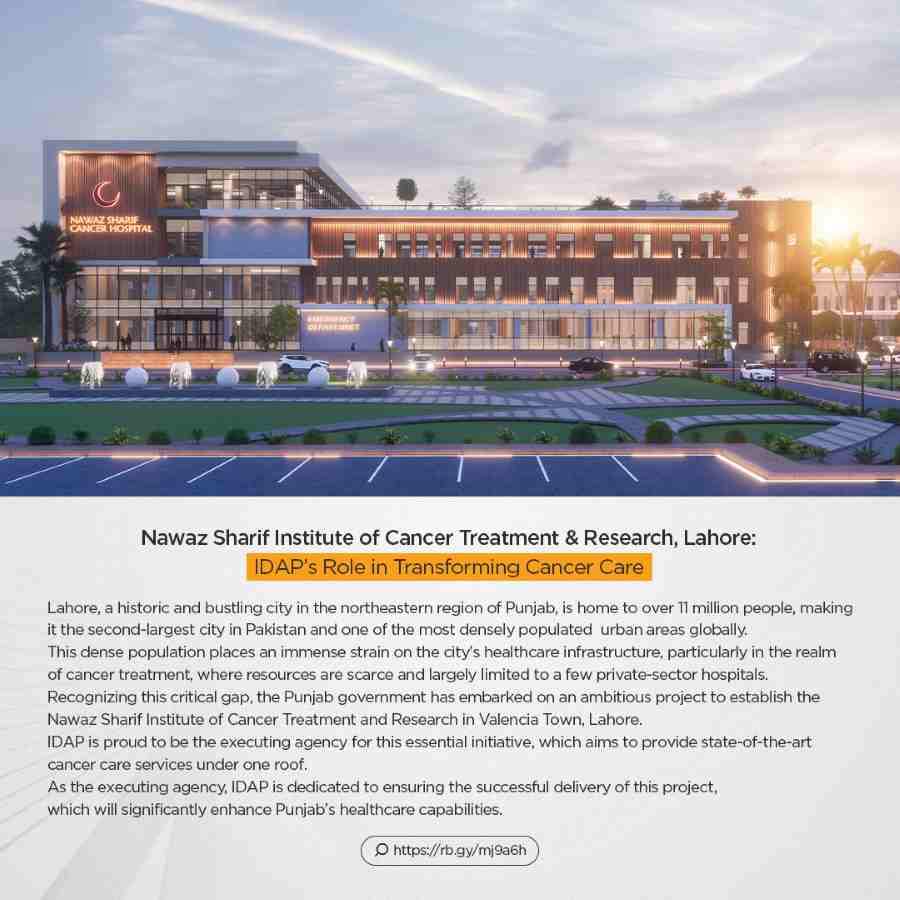
Table Of Contents
What is the Nawaz Sharif Institute of Cancer Treatment and Research (NSICT&R)?
The Nawaz Sharif Institute of Cancer Treatment and Research (NSICT&R) is Pakistan’s pioneering public-sector mega cancer hospital located in Valencia Town, Lahore. Established by the Government of Punjab, this 915-bed facility represents the largest government-funded cancer care project in the country’s history. The institute integrates comprehensive cancer treatment modalities including surgery, chemotherapy, radiation therapy, bone marrow transplantation, and palliative care under one roof, eliminating the need for patients to visit multiple facilities for different aspects of their treatment.
Key distinguishing features of NSICT&R include:
- Scale and capacity: Sprawling across 333 kanals of land, making it one of South Asia’s largest public cancer hospitals
- Comprehensive service integration: All cancer care services available within a single campus
- Research orientation: Functions as a tertiary care centre and research hub for oncology
- Public accessibility: Government-funded model ensures treatment remains accessible to all socioeconomic segments
Why is this hospital considered a landmark project for Pakistan’s healthcare system?
This hospital fundamentally transforms cancer care accessibility in Pakistan by addressing the critical gap in affordable, quality oncology services. Before NSICT&R, patients requiring advanced cancer treatment faced significant challenges that this facility now resolves.
The problems this hospital solves:
- Prohibitive private costs: Previously, patients either faced unbearable expenses at private facilities or endured long waiting periods at the few government hospitals with limited oncology capacity
- Geographic disparity: Patients from outside Punjab often had limited access to quality cancer care in their home provinces
- Fragmented treatment: Earlier patients had to visit multiple facilities for diagnosis, chemotherapy, radiation, and surgery
- Limited specialized services: Advanced treatments like bone marrow transplants were available only at a handful of expensive private hospitals
The hospital’s transformative impact:
- Changes the paradigm by offering completely free treatment to all patients regardless of province of origin
- Creates one of South Asia’s largest public cancer facilities with 915 beds, 10 radiation therapy bunkers, and 8 modular operation theatres
- Embodies the welfare state principle where government funds directly serve citizens facing life-threatening illnesses
When did the Nawaz Sharif Cancer Hospital project first begin?
The Nawaz Sharif Cancer Hospital project timeline reflects rapid execution and government commitment to addressing cancer care needs in Pakistan.
Key project milestones:
- March 2024: Initial planning stages begin with site inspection near Valencia Town
- October 2024: Foundation stone laid at formal ceremony in Lahore
- Late 2024: Project gains formal approval through the Provincial Development Working Party (PDWP) during fiscal year 2024-25
- January 2026: Outpatient Department (OPD) begins serving patients, meeting the accelerated timeline
- June 2026: Full campus completion expected, including bone marrow centre and palliative care block
Who founded the Nawaz Sharif Cancer Hospital and who is overseeing its development?
The Nawaz Sharif Cancer Hospital is a Government of Punjab initiative, with clear leadership and oversight structures in place.
Key stakeholders in hospital development:
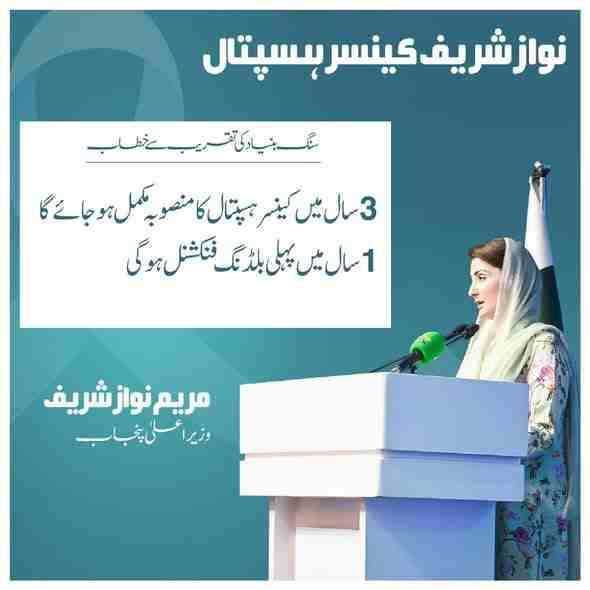
- Chief Minister Maryam Nawaz: Serves as the driving force behind conception and rapid execution, issuing directives for phase completion within 12 months
- Specialized Healthcare & Medical Education Department: Provides administrative oversight and regulatory framework
- Infrastructure Development Authority of Punjab (IDAP): Manages construction and infrastructure development
- Project Director: Appointed to oversee day-to-day construction and operational readiness
- Health Minister Khawaja Salman Rafique: Plays active role in monitoring progress and addressing implementation challenges
What is the total cost of the Nawaz Sharif Cancer Hospital project?
The Nawaz Sharif Cancer Hospital represents a significant public investment in healthcare infrastructure, with approved funding reflecting the project’s scale and comprehensive scope.
Financial breakdown of the project:
- Approved budget: Rs 74.92 billion allocated for complete project development
- Initial allocation: Over Rs 15.736 billion approved during fiscal year 2024-25 for key health projects including NSICT&R
- PC-I (Planning Commission form): Outlines detailed project phasing and budget distribution across construction phases
- Funding source: Entirely government-funded through Punjab’s annual development budget
What the budget covers:
- Land acquisition and development across 333 kanals
- Construction of main hospital building, filter clinic, and hospice facility
- Procurement of advanced medical equipment including linear accelerators and PET-CT scanners
- Development of staff accommodation and energy centre
- Establishment of research facilities and gene sequencing unit
How does the hospital’s mission align with Punjab’s healthcare vision?

The Nawaz Sharif Cancer Hospital embodies Punjab’s broader healthcare strategy of creating specialized, accessible, and comprehensive medical facilities for the province’s growing population.
Core objectives of the hospital:
- Comprehensive Cancer Care: Integrating surgery, chemotherapy, radiation therapy, and palliative care for holistic patient management
- Supporting Terminally ill Patients: Including hospice care ensuring compassionate and dignified end-of-life care
- Fostering Community Engagement: Serving as community resource offering education, outreach, and screening programs focused on cancer prevention and early detection
- Holistic Patient Support: Offering not only medical interventions but also psychological, emotional, and social support
- Multidisciplinary Collaboration: Fostering collaboration among oncologists, surgeons, radiologists, pathologists, and other healthcare professionals
Research and innovation mandate:
- Functions as hub for cancer research and innovation
- Brings together clinicians, researchers, and scientists
- Facilitates groundbreaking discoveries, clinical trials, and development of new therapies
- Positions Pakistan within global cancer research community
Official Helpline and Contact Information for Nawaz Sharif Cancer Hospital Lahore
What is the official helpline number for Nawaz Sharif Cancer Hospital?
The official helpline for Nawaz Sharif Cancer Hospital serves as the primary point of contact for patients, families, and healthcare providers seeking information about services, appointments, and patient care. While the hospital’s dedicated helpline number is being actively publicized through official channels, patients can currently reach the hospital administration through multiple verified contact methods.
Current verified contact options:
- Hospital Information Desk: Operational during OPD hours for general inquiries
- Emergency Contact: Available through the emergency department for urgent medical situations
- Administration Office: Reachable for appointments, registrations, and administrative matters
- Online Contact Form: Available through the official Punjab health department portal
What the helpline can assist with:
- Appointment booking and registration guidance
- Treatment eligibility verification
- Document requirements for new patients
- OPD timing information
- Emergency department protocols
- Ambulance service coordination
- Specialist availability inquiries
How do I contact the Nawaz Sharif Cancer Hospital administration office?
The administration office handles all non-clinical matters including patient registrations, document verification, appointment scheduling, and general inquiries. The office maintains specific operating hours aligned with OPD services to ensure seamless patient processing.
Administration office contact details:
- Physical location: Main hospital building, Ground Floor, Administration Wing
- Operating hours: Sunday to Thursday, 8:00 AM to 4:00 PM
- Friday operations: 8:00 AM to 12:30 PM (closed for Friday prayers)
- Weekend closure: Saturday closed for administrative work
Services provided by administration office:
- New patient registration and file creation
- Document verification and record maintenance
- Appointment scheduling and confirmation
- Follow-up appointment bookings
- Referral letter processing
- Medical record requests
- Billing inquiries (though treatment is free, documentation still processed here)
Is there an online portal for lab reports and test results?
The hospital has implemented a digital health information system allowing patients to access their diagnostic reports remotely, reducing the need for repeated hospital visits for result collection. This patient portal represents a significant advancement in healthcare accessibility.
Online portal features:
- Secure patient login: Individual accounts created during registration
- Report availability: Lab results typically uploaded within 24-48 hours of testing
- Historical record access: Complete test history maintained for reference
- Doctor consultation integration: Physicians can access reports directly through hospital system
How to access the online portal:
- Registration desk provides login credentials during first visit
- Portal accessible through Punjab health department website
- Mobile-friendly interface for smartphone access
- Technical support available through hospital IT helpdesk
What is the official email address for patient inquiries?
The hospital maintains dedicated email addresses for different types of inquiries, ensuring queries reach the appropriate department for prompt response. Email communication serves as an efficient alternative to phone calls for non-urgent matters.
Department-specific email contacts:
- General inquiries: info@nsictr.punjab.gov.pk
- Appointments: appointments@nsictr.punjab.gov.pk
- Medical records: records@nsictr.punjab.gov.pk
- Administration: admin@nsictr.punjab.gov.pk
- HR and jobs: careers@nsictr.punjab.gov.pk
- Donations: donations@nsictr.punjab.gov.pk
Email response guidelines:
- Standard response time: 24-48 business hours
- Include patient CNIC number in subject line for faster processing
- Attach relevant documents in PDF format only
- Specify nature of inquiry clearly in subject line
How can international patients contact the hospital?
The Nawaz Sharif Cancer Hospital welcomes international patients, particularly from neighbouring countries and Pakistani diaspora seeking affordable, quality cancer care. Dedicated contact mechanisms facilitate international patient coordination.
International patient contact options:
- International desk email: international@nsictr.punjab.gov.pk
- WhatsApp business line: Available for text and voice communication
- Video consultation requests: Processed through international patient coordinator
- Embassy liaison: Coordination with Pakistan missions abroad for visa assistance
Services for international patients:
- Treatment cost estimation (though treatment remains free for all patients)
- Travel and accommodation guidance
- Appointment scheduling aligned with travel plans
- Medical visa support documentation
- Follow-up care coordination for returning patients
Does the hospital have a dedicated emergency contact number?
The emergency department maintains a separate contact line to ensure urgent cases receive immediate attention without being delayed by general inquiry routing. This dedicated line connects directly to the emergency triage desk.
Emergency contact protocols:
- Emergency direct line: Connects to emergency department charge nurse
- Ambulance coordination: Dedicated line for ambulance dispatch
- Critical care transfer: For patient transfers from other hospitals
- After-hours emergencies: Protocol for contacting on-call emergency physician
When to use emergency contact:
- Sudden severe symptoms requiring immediate attention
- Cancer treatment complications like severe infections or bleeding
- Respiratory distress or chest pain
- Loss of consciousness or seizures
- Severe pain unresponsive to prescribed medications
- Treatment-related allergic reactions
What are the best ways to get quick responses from the hospital?
Understanding the most efficient communication channels can significantly reduce response times and improve your experience with hospital inquiries. Different types of queries are best handled through specific channels.
Communication channel effectiveness ranking:
| Inquiry Type | Best Channel | Expected Response Time |
|---|---|---|
| Emergency medical | Emergency direct line | Immediate |
| Appointment booking | Phone during OPD hours | 5-10 minutes |
| Test results | Online portal | Instant access |
| General information | 24 hours | |
| Administrative | In-person visit | Same day |
| Job applications | Email careers | 48-72 hours |
| Donations | Email donations | 24 hours |
Tips for faster responses:
- Call during off-peak hours (early morning 8-10 AM or after 2 PM)
- Have patient CNIC and registration number ready before calling
- Use email for complex queries requiring document attachment
- Visit in person for urgent document-related matters
- Check online portal first before contacting for test results
- Follow up if no response within specified timeframe
Location and Accessibility of Nawaz Sharif Cancer Hospital in Valencia Town
Where is the Nawaz Sharif Cancer Hospital located in Lahore?
The Nawaz Sharif Cancer Hospital is strategically positioned in Lahore’s rapidly developing southwestern corridor, specifically within Valencia Town—one of the city’s well-planned residential and commercial communities. This location was selected after careful consideration of accessibility factors for patients coming from all parts of Punjab and beyond.
Strategic advantages of Valencia Town location:
- Central Punjab accessibility: Easily reachable from major cities including Gujranwala, Faisalabad, Sialkot, and Sheikhupura
- Motorway proximity: Direct connection to M2 Motorway facilitating travel from Islamabad and northern regions
- Ring Road integration: Lahore Ring Road provides seamless connectivity from all parts of the city
- Future development alignment: Location aligns with Lahore’s southwestern expansion trajectory
What is the complete address of Nawaz Sharif Institute of Cancer Treatment and Research?
For patients, families, and visitors using navigation systems or seeking the hospital for the first time, having the complete and accurate address ensures a smooth journey to the facility.
Complete postal address:
Nawaz Sharif Institute of Cancer Treatment and Research (NSICT&R)
Pine Avenue Road
Valencia Town Housing Scheme
Lahore, Punjab
Pakistan
Location coordinates:
- GPS coordinates: 31.4289° N, 74.2678° E
- What3Words location: ///sector.rocket.spice
- Google Maps listing: Search “Nawaz Sharif Cancer Hospital Lahore” for real-time navigation
How do I navigate to Pine Avenue Road, Valencia Town, Lahore?
Pine Avenue Road serves as the main arterial road providing direct access to the hospital campus. Understanding the route from major city entry points helps patients plan their journey efficiently.
Route guidance from key points:
From Motorway M2 (Islamabad/Faisalabad direction):
- Exit at Thokar Niaz Baig interchange
- Proceed towards Multan Road for approximately 3 kilometers
- Turn right at the Valencia Town entrance signal
- Follow main boulevard for 2.5 kilometers
- Pine Avenue Road intersection on left, clearly marked with hospital signage
From Lahore Ring Road:
- Take Ring Road Southern Loop towards Multan Road
- Exit at Valencia Town interchange
- Follow access road directly to Valencia Town main gate
- Continue straight to Pine Avenue Road intersection
- Hospital visible on right side
From Allama Iqbal International Airport:
- Take Main Boulevard to Ring Road entrance
- Follow Ring Road Southern Loop to Valencia Town exit
- Total journey approximately 35-45 minutes depending on traffic
- Alternative route via Multan Road also available
From Lahore Railway Station:
- Take McLeod Road to Circular Road
- Connect to Multan Road via Data Darbar intersection
- Continue south on Multan Road for approximately 12 kilometers
- Turn left at Valencia Town signal
- Follow signs to Pine Avenue Road
Which bus or metro routes stop near the hospital in Valencia Town?
Public transportation options are available for patients relying on buses or metro services to reach the hospital. Understanding these routes helps in planning affordable travel to the facility.
Metro Bus System connectivity:
- Orange Line Metro: Nearest station is Ali Town Station
- From Ali Town Station: Take Valencia Town shuttle service or rickshaw (approximately 10-15 minutes)
- Bus Rapid Transit (BRT): Feeder routes connect to Valencia Town from main BRT terminals
Public bus routes serving Valencia Town:
- Route 12: Runs from Bhatti Gate to Valencia Town via Multan Road
- Route 45: Connects Ichhra Bazaar to Valencia Town
- Route 71: Service from Ferozepur Road to Valencia Town via Canal Bank
- Punjab Roshan Gari Scheme: Air-conditioned buses on Multan Road corridor with stops near Valencia Town entrance
Last-mile connectivity options:
- Valencia Town community shuttle service (residents and visitors)
- Qingqi rickshaws available at main entrance (Rs 50-100 to hospital)
- Taxi and ride-hailing services readily available
- Hospital provides information on reliable transport operators
Is the hospital easily accessible from the Lahore Ring Road and Motorway?
The hospital’s location was specifically chosen for its excellent connectivity to Lahore’s major transportation arteries, ensuring patients from across Punjab and other provinces can reach the facility with minimal difficulty.
Connectivity advantages:
| Access Route | Distance from Hospital | Travel Time |
|---|---|---|
| Motorway M2 (Thokar exit) | 4.5 kilometers | 8-10 minutes |
| Lahore Ring Road (Valencia exit) | 1.2 kilometers | 3-5 minutes |
| Multan Road | 2 kilometers | 5-7 minutes |
| Canal Bank Road | 5 kilometers | 12-15 minutes |
Road quality and conditions:
- Pine Avenue Road is a triple-carriageway with separate lanes for each direction
- Street lighting installed throughout the route
- Road maintained by Valencia Town administration with regular upkeep
- Hospital approach road recently widened to accommodate ambulance traffic
- Signage installed at all major intersections directing to hospital
What are the landmark buildings near Nawaz Sharif Cancer Hospital?
Familiar landmarks help patients and visitors navigate to the hospital even without GPS or precise addresses, especially useful for those traveling from rural areas or smaller cities.
Notable nearby landmarks:
- Emporium Mall: Approximately 3 kilometers east on Main Boulevard
- Lahore Ring Road Valencia Interchange: 1.2 kilometers west of hospital
- University of South Asia: 2 kilometers south on Raiwind Road
- Pine Avenue Residential Complex: Directly adjacent to hospital campus
- Valencia Town Central Park: 1.5 kilometers north of hospital
- Multan Road Underpass: 2 kilometers east connecting to main commercial corridor
Visible reference points:
- Hospital building is tallest structure in immediate vicinity
- Green dome on main building visible from Pine Avenue Road
- Large hospital signboard at main entrance
- Ambulance entrance with prominent emergency signage
- Parking area with clearly marked entry and exit points
Does the hospital provide ambulance services for patient transport?
The hospital maintains a fleet of ambulances for emergency response and patient transport, ensuring that critically ill patients can reach the facility safely and promptly.
Ambulance service features:
- 24/7 availability: Round-the-clock ambulance service with trained paramedics
- Advanced life support: Each ambulance equipped with cardiac monitors, ventilators, and emergency medications
- Coverage area: Primarily Lahore district and surrounding areas
- Inter-city transfers: Coordination available for patients transferring from other cities
- Free service: Ambulance transport provided at no cost to patients
How to request ambulance:
- Call emergency helpline and request ambulance dispatch
- Provide clear location details and patient condition
- Paramedics will provide first aid instructions while ambulance en route
- Estimated arrival time communicated immediately
- Hospital emergency department notified of incoming patient
Ambulance fleet specifications:
- 10 advanced life support ambulances
- 5 basic life support transport vehicles
- 2 specialized ICU ambulances for critical transfers
- All vehicles equipped with GPS tracking
- Direct communication with hospital emergency control room
What parking facilities are available for visitors and attendants?
The hospital campus includes extensive parking facilities designed to accommodate the high volume of patients, attendants, and visitors expected daily. Understanding parking options helps in planning your visit.
Parking capacity and types:
- Main visitor parking: 500+ car spaces adjacent to OPD entrance
- VIP and disabled parking: Reserved spaces near main entrance
- Motorcycle parking: Dedicated area with covered shade
- Ambulance parking: Reserved bays near emergency entrance
- Staff parking: Separate area for hospital employees
- Phase 2 expansion: Additional 300-car parking plaza planned
Parking guidelines:
- Free parking for all patients and visitors
- Security personnel present 24/7
- Disabled parking requires displaying disability permit
- Valet parking not currently available
- Overnight parking not permitted in visitor areas
- Overflow parking activated during peak hours
Are there accommodation facilities for out-of-town patients and families?
Recognizing that many patients travel from distant cities, the hospital includes dedicated accommodation facilities for patients requiring extended treatment and their families. This support service significantly reduces the financial burden on families already managing cancer treatment costs.
Accommodation options:
- Attendants’ hostel: 24-bed facility for family members accompanying patients
- Patient waiting area: Resting area with seating for day visitors
- Private room attendants: Family members of patients in private rooms have accommodation arrangements
- Long-term stay coordination: Hospital social services can help arrange nearby rental accommodation for extended treatments
Attendants’ hostel features:
- Separate male and female sections
- Shared bathroom facilities
- Common room with television and seating
- Small kitchenette with basic cooking facilities
- Lockers for personal belongings
- 24-hour security and reception
Accommodation policies:
- Priority given to attendants of critically ill patients
- Maximum stay typically 7 days, extendable based on medical need
- Registration required at social services office
- Free of charge for registered patient families
- Clean linens provided, personal toiletries not included
What is the 24-bed attendants’ hostel facility like?
The dedicated attendants’ hostel provides essential overnight accommodation for family members who travel with patients from outside Lahore. This facility addresses a critical need identified during the hospital planning phase.
Hostel amenities and services:
- Bunk beds: Comfortable sleeping arrangements with storage lockers
- Clean drinking water: Filtered water available 24/7
- Prayer area: Separate space for offering prayers
- Tea and snack counter: Basic refreshments available at nominal cost
- Restrooms: Clean, maintained facilities with hot water
- Waiting lounge: Area with television and newspapers
Operational details:
- Check-in time: 2:00 PM
- Check-out time: 12:00 PM
- Maximum occupancy per patient: 2 attendants
- Registration required at social welfare office
- Token system ensures fair allocation
- Regular cleaning and maintenance schedule
Nearby private accommodation options:
- Several guest houses in Valencia Town
- Budget hotels near Multan Road
- Serviced apartments available for longer stays
- Hospital social services maintains list of verified, affordable options
- Transportation guidance provided for off-site accommodation
Free Treatment and Eligibility at Nawaz Sharif Cancer Hospital
Is treatment at Nawaz Sharif Cancer Hospital free for everyone?
Yes, treatment at Nawaz Sharif Cancer Hospital is completely free for every patient, regardless of their province of origin, socioeconomic status, or ability to pay. This policy represents a fundamental shift in healthcare accessibility in Pakistan.
What the free treatment covers:
- All outpatient department (OPD) consultations
- Diagnostic tests including lab work and imaging
- Chemotherapy sessions and medications
- Radiation therapy using linear accelerators
- Surgical procedures including major cancer surgeries
- Bone marrow transplantation
- Palliative and hospice care
- Emergency department services
- Hospital stays including ward accommodation
- Follow-up consultations and monitoring
No hidden costs:
- No registration fees
- No consultation charges
- No procedure costs
- All medications provided free
- No charges for blood products
- No fees for surgical supplies or implants
Does the hospital provide free chemotherapy and radiation?
Chemotherapy and radiation therapy form the backbone of non-surgical cancer treatment, and the hospital provides both modalities completely free of cost to all patients requiring these treatments.
Free chemotherapy services:
- All standard chemotherapy protocols covered
- Targeted therapy medications included where medically indicated
- Immunotherapy agents available for eligible patients
- Pre-medication and supportive care drugs provided
- Administration by trained oncology nurses
- Management of side effects included in free care
Chemotherapy infrastructure:
- Dedicated chemotherapy daycare unit with 50+ chairs
- Private bays for patients requiring isolation
- Pediatric chemotherapy area with child-friendly environment
- Emergency response team for adverse reactions
- Patient education materials on treatment and side effects
Free radiation therapy services:
- External beam radiation therapy using linear accelerators
- Intensity-modulated radiation therapy (IMRT)
- Image-guided radiation therapy (IGRT)
- Stereotactic body radiation therapy (SBRT) for select cases
- Brachytherapy for gynecological and other cancers
- Radiation planning and simulation included
Radiation therapy infrastructure:
- 10 state-of-the-art linear accelerator bunkers
- CT simulator for precise treatment planning
- Dedicated physics team for quality assurance
- Daily treatment verification imaging
- Comprehensive quality control protocols
Are free medicines provided to cancer patients at this facility?
Yes, all medications prescribed during treatment at Nawaz Sharif Cancer Hospital are provided free of charge to patients. This includes chemotherapy drugs, supportive medications, and medicines required for managing treatment side effects.
Medication categories provided free:
- Chemotherapy agents (all standard protocols)
- Targeted therapy drugs
- Immunotherapy medications
- Hormonal therapy drugs
- Anti-emetics (nausea control)
- Pain management medications including opioids
- Antibiotics for infection prevention and treatment
- Blood cell boosters (growth factors)
- Supportive care medications
- Emergency medications
Pharmacy services:
- Main outpatient pharmacy located near OPD
- Inpatient pharmacy serving admitted patients
- Emergency pharmacy available 24/7
- Clinical pharmacists available for consultations
- Medication counseling provided at dispensing
- Specialized pediatric formulations available
Medication availability protocols:
- Formulary based on standard treatment guidelines
- Non-formulary requests reviewed by pharmacy committee
- Generic medications used where clinically equivalent
- Brand-name medications when medically necessary
- Imported medications processed through special approval
- Patient assistance programs for ultra-expensive drugs
Which cancer stages are covered under the free treatment policy?
The hospital provides free treatment to patients at all stages of cancer, from early-stage disease where curative intent treatment is possible to advanced-stage cancer where palliative care becomes the primary focus.
Coverage by cancer stage:
| Cancer Stage | Treatment Coverage | Focus of Care |
|---|---|---|
| Stage 0 (in situ) | Complete coverage | Curative intent, often surgery alone |
| Stage I | Complete coverage | Curative intent, surgery/radiation |
| Stage II | Complete coverage | Curious intent, multimodality treatment |
| Stage III | Complete coverage | Curious intent, complex protocols |
| Stage IV | Complete coverage | Palliative intent, quality of life focus |
| Recurrent cancer | Complete coverage | Retreatment based on guidelines |
| Metastatic disease | Complete coverage | Symptom control and life extension |
No stage-based discrimination:
- Treatment decisions based on medical guidelines, not financial considerations
- Advanced-stage patients receive appropriate palliative care
- Late-stage patients not turned away or deprioritized
- Hospice care available for terminally ill
- Pain management prioritized regardless of stage
- Symptom control maintained throughout illness
Do patients from outside Punjab get free treatment at this hospital?
Yes, patients from all provinces of Pakistan—including Khyber Pakhtunkhwa, Sindh, Balochistan, and Gilgit-Baltistan—receive the same completely free treatment as Punjab residents. This reflects the hospital’s vision as a national resource for cancer care.
Provinces and regions covered:
- Punjab (all districts)
- Khyber Pakhtunkhwa (including merged districts)
- Sindh (all divisions)
- Balochistan (all districts)
- Gilgit-Baltistan
- Azad Jammu and Kashmir
- Islamabad Capital Territory
No residency requirements:
- No requirement for domicile certificate
- No proof of Punjab residency needed
- Equal access regardless of current address
- No waiting period for non-residents
- Same registration process for all patients
Why this matters:
- Cancer treatment facilities unevenly distributed across Pakistan
- Many provinces lack specialized oncology services
- Patients previously traveled to Punjab but faced high costs
- Now they can access world-class treatment without financial burden
- Reduces health disparities between provinces
Can patients from Khyber Pakhtunkhwa, Sindh, and Balochistan receive free care?
Absolutely. Patients from these provinces are welcomed and treated exactly like Punjab residents, with no additional requirements or different policies. The hospital administration has specifically emphasized this inclusive approach.
Support for out-of-province patients:
- Dedicated counter at registration for out-of-town patients
- Assistance with accommodation arrangements
- Coordination with referring doctors in home province
- Follow-up plans that consider travel distance
- Telemedicine follow-up options where appropriate
- Medicine supplies coordinated for return travel
Documentation for out-of-province patients:
- Same documents required as Punjab patients
- No special permits or approvals needed
- No referral required from home province
- No quota system for non-Punjab patients
- No prioritization based on province
Does the Punjab Health Card (Sehat Card) work at this hospital?
Since treatment at Nawaz Sharif Cancer Hospital is already completely free for all patients, the Punjab Health Card (Sehat Card) is not required for accessing services. However, patients holding Sehat Cards may find them useful for certain related services.
Relationship with Sehat Card program:
- Hospital services are free independent of insurance status
- Sehat Card not needed for treatment access
- Cardholders may use coverage for travel expenses if applicable
- Some transport and accommodation support may be coordinated through Sehat Card
- Card not required for registration or treatment
Other insurance acceptance:
- Government employee insurance accepted where applicable
- Private insurance not required but can be used for additional services
- No patient turned away due to lack of insurance
- Coordination with provincial health insurance programs ongoing
What documents are required for patient registration and free treatment?
Patients need to provide specific documents during registration to create their medical record and ensure proper identification throughout treatment. Having these documents ready streamlines the registration process.
Required documents for registration:
| Document Type | Purpose | Original/Copy |
|---|---|---|
| CNIC (patient) | Primary identification | Original + 2 copies |
| CNIC (next of kin) | Emergency contact | Original + 2 copies |
| B-Form (child patients) | Identification for minors | Original + 2 copies |
| Recent photographs | Medical record | 4 passport-size |
| Previous medical records | Treatment history | Copies accepted |
| Referral letter (if any) | Medical context | Original accepted |
| Previous diagnostic reports | Avoid repeat tests | Copies accepted |
Additional documents for specific situations:
- Overseas Pakistanis: Valid passport and NICOP
- Foreign nationals: Valid passport and visa
- Transgender persons: CNIC with updated gender marker
- Orphaned minors: Guardian documentation and court papers if applicable
Registration process flow:
- Visit OPD registration counter
- Submit documents for verification
- Receive unique hospital identification number
- Medical record created in hospital information system
- Appointment slip generated
- Directed to relevant clinic or department
Is there any income criteria or eligibility test for free treatment?
No, there is absolutely no income-based eligibility test or means testing for free treatment at Nawaz Sharif Cancer Hospital. The hospital serves all patients equally regardless of their financial status.
Why no means testing:
- Treatment is a right, not charity
- Government funding covers all costs
- Administrative simplicity reduces barriers
- No stigma associated with seeking care
- Universal access aligns with welfare state principles
- Cancer treatment should not depend on income
Who is eligible:
- All Pakistani citizens
- All residents of Pakistan regardless of nationality status
- All overseas Pakistanis
- All refugees with valid documentation
- All asylum seekers with pending status
- No exclusions based on employment, income, or assets
Are diagnostic tests and lab work also free of cost?
Yes, all diagnostic tests required for cancer diagnosis, staging, treatment planning, and monitoring are provided completely free of charge. This includes both routine laboratory tests and advanced imaging studies.
Free diagnostic services include:
Laboratory tests:
- Complete blood counts and differentials
- Comprehensive metabolic panels
- Tumor markers (CEA, CA-125, PSA, AFP, etc.)
- Hormone receptor testing
- Genetic and molecular testing
- Flow cytometry
- Cytogenetics
- Microbiology and infectious disease testing
- Coagulation studies
Pathology services:
- Biopsy processing and interpretation
- Frozen section during surgery
- Immunohistochemistry
- Special stains
- Second opinion pathology review
Imaging services:
- X-rays (all types)
- Ultrasound (including Doppler)
- CT scans (all body regions)
- MRI scans (all body regions)
- PET-CT scans
- Mammography
- Bone scans
- Nuclear medicine studies
Specialized diagnostic procedures:
- Endoscopy and colonoscopy
- Bronchoscopy
- Bone marrow aspiration and biopsy
- Lumbar puncture
- Image-guided biopsies
Does the free treatment cover surgical procedures and operations?
Yes, all surgical procedures—from minor biopsies to complex multi-hour cancer resections—are performed at no cost to patients. The hospital’s 8 modular operation theatres are equipped for all types of cancer surgery.
Free surgical services include:
Cancer surgeries covered:
- Breast cancer surgery (lumpectomy, mastectomy, reconstruction)
- Gastrointestinal cancer surgery (esophagectomy, gastrectomy, colectomy)
- Gynecologic cancer surgery (hysterectomy, oophorectomy, debulking)
- Head and neck cancer surgery (thyroidectomy, neck dissection, reconstruction)
- Thoracic surgery (lung resection, mediastinal surgery)
- Urologic cancer surgery (prostatectomy, cystectomy, nephrectomy)
- Neurosurgery for brain and spine tumors
- Orthopedic oncology for bone and soft tissue tumors
- Pediatric cancer surgery
- Reconstructive and plastic surgery
Surgical support services:
- Pre-operative evaluation and optimization
- Anesthesia services (all types)
- Intra-operative monitoring
- Post-operative care in recovery room
- Surgical ICU admission if needed
- Pain management after surgery
- Wound care and dressing changes
- Physical therapy and rehabilitation
Operation theatre specifications:
- 8 modular operation theatres with laminar airflow
- HEPA filtration for infection control
- Integrated audiovisual systems for teaching
- Advanced surgical equipment including laparoscopy
- Dedicated theatres for different surgical specialties
- 24/7 availability for emergency surgeries
Appointment Booking and Patient Registration Process
How do I book an appointment at the Nawaz Sharif Cancer Institute?
Booking an appointment at Nawaz Sharif Cancer Hospital involves a straightforward process designed to minimize wait times and ensure patients are directed to the appropriate specialist. Multiple booking channels accommodate different patient preferences and circumstances.
Appointment booking methods:
Phone booking:
- Call the main hospital line during OPD hours
- Provide basic patient information
- Receive appointment date and time
- Confirmation via SMS
In-person booking:
- Visit OPD registration counter
- Complete registration form
- Receive appointment slip immediately
- First-time patients can register and get same-day appointment if slots available
Online booking:
- Access hospital portal through Punjab health department website
- Complete online registration form
- Upload required documents
- Receive appointment confirmation via email
- Print confirmation or show on mobile
Referral-based booking:
- Doctors from other hospitals can refer patients
- Referral letter faxed or emailed to referral office
- Priority appointments for referred cases
- Coordination with referring physician
Walk-in policy:
- Walk-in patients accepted based on availability
- Emergency cases prioritized regardless of appointment
- OPD operates on first-come, first-served basis for non-urgent cases
- Registration opens 30 minutes before OPD start
What is the OPD registration process for new patients?
New patients must complete registration before their first appointment, creating a permanent medical record in the hospital system. This process typically takes 15-20 minutes when documents are complete.
Step-by-step registration process:
Step 1: Document preparation
- Gather all required documents as listed previously
- Make copies of original documents
- Organize previous medical records chronologically
Step 2: Visit registration counter
- Located in OPD lobby, clearly signposted
- Take token from automated dispenser
- Wait for token number to be called
- Approach designated counter
Step 3: Data entry
- Provide documents to registration officer
- Verify personal information
- Provide contact details (phone, address, email)
- Emergency contact information recorded
- Next of kin details documented
Step 4: Medical record creation
- Unique hospital ID number generated
- Medical record number assigned
- File created in hospital information system
- Previous records scanned and attached
Step 5: Appointment allocation
- Directed to appropriate clinic based on cancer type
- Appointment slip printed with date and time
- Location of clinic indicated on slip
- Registration complete
Step 6: Initial assessment
- Proceed to nursing station for vital signs
- Height and weight recorded
- Brief nursing assessment completed
- Directed to consulting doctor
Can I book an appointment online through a patient portal?
Yes, the hospital offers online appointment booking through its integrated patient portal, providing a convenient option for patients who prefer digital services or cannot visit in person for advance booking.
Online booking features:
- 24/7 availability for appointment requests
- Real-time slot availability display
- Document upload capability
- Automatic confirmation within 24 hours
- SMS and email reminders
- Rescheduling and cancellation options
- Integration with Google Calendar
How to book online:
- Visit Punjab health department official website
- Navigate to NSICT&R section
- Click on “Online Appointment Booking”
- Create account or login with credentials
- Select cancer type or specialty
- Choose available date and time
- Upload scanned documents
- Submit and await confirmation
- Receive appointment details via SMS
Technical requirements:
- Internet connection
- Smartphone, tablet, or computer
- Scanned documents in PDF or image format
- Valid email address
- Pakistani mobile number for SMS
- Basic computer literacy
What are the timings for the Nawaz Sharif Cancer Hospital OPD?
The Outpatient Department operates on a schedule designed to accommodate working patients while ensuring adequate time for thorough consultations. Understanding OPD timings helps in planning visits efficiently.
OPD operating hours:
| Day | Morning Session | Afternoon Session |
|---|---|---|
| Monday | 8:00 AM – 12:00 PM | 2:00 PM – 5:00 PM |
| Tuesday | 8:00 AM – 12:00 PM | 2:00 PM – 5:00 PM |
| Wednesday | 8:00 AM – 12:00 PM | 2:00 PM – 5:00 PM |
| Thursday | 8:00 AM – 12:00 PM | 2:00 PM – 5:00 PM |
| Friday | 8:00 AM – 12:30 PM | Closed |
| Saturday | Closed | Closed |
| Sunday | Closed | Closed |
Specialty clinic timings:
- Medical Oncology: All OPD days
- Radiation Oncology: All OPD days
- Surgical Oncology: Monday, Wednesday, Thursday
- Pediatric Oncology: Tuesday, Thursday
- Gynecologic Oncology: Monday, Wednesday
- Head and Neck Clinic: Tuesday, Friday (morning only)
- Palliative Care: Monday, Thursday
- Bone Marrow Transplant Clinic: Wednesday only
Peak hours and best times to visit:
- Least crowded: Early morning (8-9 AM) and late afternoon (4-5 PM)
- Most crowded: Mid-morning (10 AM-12 PM)
- Avoid Fridays if possible (half-day, more crowded)
- Tuesday and Wednesday typically less busy than Monday
- End of month slightly busier
How early should I arrive for my first appointment?
For first-time patients, arriving sufficiently early ensures adequate time for registration, document verification, and completing initial formalities before the actual consultation with the specialist.
Recommended arrival times:
- With prior registration: 30 minutes before appointment time
- Without prior registration: 60-90 minutes before appointment time
- With complex previous records: 90 minutes before appointment time
- For morning appointments: Arrive by 7:30 AM for 8:00 AM slot
- For afternoon appointments: Arrive by 1:30 PM for 2:00 PM slot
What happens in pre-appointment time:
- Registration verification
- Document scanning
- Vital signs measurement
- Nursing assessment
- Previous records review
- Queue placement for doctor
Late arrival policy:
- Patients arriving late may be accommodated if schedule permits
- May be asked to wait for next available slot
- Extremely late patients may be rescheduled
- Emergency cases prioritized regardless of arrival time
- Courtesy calls for late arrivals if contact number provided
What documents are required for patient registration?
Having all required documents ready before visiting the hospital significantly speeds up the registration process and reduces wait times. The document requirements are designed to be minimal while ensuring proper identification and medical record keeping.
Essential documents checklist:
Identity documents:
- Original Computerized National Identity Card (CNIC) of patient
- Original CNIC of next of kin or attendant
- For children under 18: Original B-Form with father/guardian CNIC
- For foreign nationals: Valid passport with visa
- For overseas Pakistanis: NICOP or valid passport
Medical documents:
- Previous hospital discharge summaries
- Operation notes from any prior surgeries
- Pathology reports from previous biopsies
- Radiology reports and CDs of previous imaging
- Chemotherapy summary if previously treated
- Radiation therapy records if previously treated
- Current medication list with doses
- Allergy information if known
Supporting documents:
- Referral letter from primary physician (if available)
- Previous lab reports
- Medical reports from other hospitals
- Disability certificate (if applicable)
- Zakat or Bait-ul-Mal documents (if seeking additional support)
Document preparation tips:
- Make 2-3 copies of all documents before arrival
- Organize chronologically in a folder
- Label CDs and reports with patient name
- Bring originals for verification
- Keep documents in waterproof folder
- Note down important phone numbers separately
Do I need a referral from another doctor to get an appointment?
No, a referral is not required to book an appointment at Nawaz Sharif Cancer Hospital. Patients can directly contact the hospital for appointments without any prior referral from another healthcare provider.
Appointment access options:
- Direct self-referral accepted and encouraged
- Family members can book on patient’s behalf
- Walk-in appointments available
- No quota system for referred versus non-referred patients
- Equal priority regardless of referral status
Benefits of having a referral:
- Referring doctor can provide relevant medical history
- Previous test results may avoid repeat testing
- Continuity of care maintained
- Communication between doctors enhanced
- Referral may help in complex cases requiring multidisciplinary input
When referrals are helpful:
- Complex cases requiring specific expertise
- Patients transferring from other hospitals
- Second opinion requests
- Patients with rare cancer types
- Those needing specialized procedures
How are emergency cases prioritized without appointments?
The hospital’s emergency department operates on a triage system that ensures the most critical patients receive immediate attention regardless of appointment status. This system follows international standards for emergency care prioritization.
Emergency triage categories:
| Triage Level | Condition | Wait Time |
|---|---|---|
| Level 1 (Resuscitation) | Immediate life threat | Immediate |
| Level 2 (Emergency) | High risk of deterioration | Within 15 minutes |
| Level 3 (Urgent) | Stable but needs prompt care | Within 30 minutes |
| Level 4 (Semi-urgent) | Minor conditions | Within 60 minutes |
| Level 5 (Non-urgent) | Routine concerns | Referred to OPD |
Emergency conditions that bypass waiting:
- Severe shortness of breath
- Chest pain or cardiac symptoms
- Active bleeding
- Loss of consciousness
- Severe allergic reactions
- High fever with low blood counts
- Severe pain unresponsive to medication
- Treatment-related complications
Emergency department process:
- Enter through dedicated emergency entrance
- Initial assessment by triage nurse immediately
- Vital signs measured
- Brief history recorded
- Priority level assigned
- Doctor consultation based on priority
- Stabilization and treatment initiated
Is there a separate registration counter for senior citizens?
Yes, the hospital provides special consideration for senior citizens through dedicated registration counters and priority services, recognizing the unique needs of elderly patients.
Senior citizen facilities:
- Dedicated registration counter (Counter 5)
- Priority queuing for patients above 65
- Comfortable seating in registration area
- Assistance with form completion
- Escort service to clinics if needed
- Separate waiting area near clinics
Eligibility for senior citizen services:
- Age 65 years or above
- Valid CNIC showing date of birth
- No additional documentation required
- Available for all services, not just registration
- Attendants may accompany senior citizens
Additional support for elderly patients:
- Medication counseling with family members
- Simplified treatment plans where appropriate
- Coordination with home care services
- Family meetings scheduled regularly
- Fall risk assessment and prevention
- Hearing and vision accommodations
Can I book a follow-up appointment online?
Yes, follow-up appointments can be conveniently booked through the online portal, saving patients the need to visit the hospital solely for appointment scheduling. This system is integrated with the electronic medical record for seamless care.
Follow-up appointment features:
- Book before leaving the hospital after current visit
- Online booking through patient portal
- Automatic reminders before scheduled visit
- Rescheduling options available
- Integration with treatment calendar
- Coordination with chemotherapy and radiation schedules
How to book follow-up online:
- Login to patient portal using credentials
- Navigate to “Appointments” section
- Select “Book Follow-up”
- Choose preferred date from available slots
- Confirm and receive confirmation
- Add to calendar using provided link
Follow-up scheduling guidelines:
- Recommended follow-up interval indicated by doctor
- Can book earlier if symptoms develop
- Must bring previous visit summary
- Same doctor preferred if available
- Different doctor acceptable for urgent concerns
Comprehensive Cancer Treatment Services Available
What cancer treatment services are offered at Nawaz Sharif Cancer Hospital?
The Nawaz Sharif Cancer Hospital offers a complete spectrum of cancer treatment services, integrating all major modalities under one roof. This comprehensive approach ensures patients receive coordinated, multidisciplinary care without the need to visit multiple facilities.
Complete treatment spectrum:
| Treatment Modality | Services Provided | Patient Capacity |
|---|---|---|
| Medical Oncology | Chemotherapy, targeted therapy, immunotherapy | 50+ daycare chairs |
| Radiation Oncology | External beam, IMRT, IGRT, SBRT, brachytherapy | 10 LINACs |
| Surgical Oncology | All cancer surgeries, minimally invasive | 8 modular OTs |
| Bone Marrow Transplant | Autologous and allogeneic transplants | 110-bed BMT centre |
| Nuclear Medicine | Theragnostic, radioisotope therapy | Dedicated facility |
| Pediatric Oncology | Childhood cancer treatment | Separate ward |
| Gynecologic Oncology | Female reproductive cancers | Specialized unit |
| Palliative Medicine | Symptom control, end-of-life care | 75-bed hospice |
Integrated care approach:
- Multidisciplinary tumor boards for complex cases
- Combined clinics with multiple specialists
- Coordinated treatment planning
- Shared electronic medical records
- Regular case conferences
- Protocol-based treatment pathways
Does the hospital offer radiation therapy and how many linear accelerators are available?
Yes, radiation therapy is a core service at Nawaz Sharif Cancer Hospital, with one of the largest radiation oncology facilities in the public sector anywhere in South Asia. The department is equipped to deliver all modern forms of radiation treatment.
Radiation therapy infrastructure:
- 10 linear accelerators (LINACs): State-of-the-art machines capable of delivering multiple radiation techniques
- CT simulator: Dedicated scanner for treatment planning
- MRI simulator: For soft tissue visualization in planning
- Brachytherapy suite: For internal radiation treatments
- Treatment planning systems: Advanced computers for dose calculation
- Physics lab: Daily quality assurance and calibration
Radiation techniques available:
- 3D conformal radiation therapy (3D-CRT): Standard external beam
- Intensity-modulated radiation therapy (IMRT): Precise dose distribution
- Image-guided radiation therapy (IGRT): Daily imaging for accuracy
- Stereotactic body radiation therapy (SBRT): High-dose, few fractions
- Stereotactic radiosurgery (SRS): For brain tumors
- Volumetric modulated arc therapy (VMAT): Rapid treatment delivery
- Deep inspiration breath-hold: For breast and lung cancers
Patient capacity:
- 300-400 patients treated daily across all machines
- Treatment slots available 7 AM to 11 PM
- Weekend treatments for select protocols
- Emergency radiation available 24/7
- Pediatric patients prioritized for morning slots
Is chemotherapy available on an outpatient basis?
Yes, the majority of chemotherapy treatments are administered on an outpatient basis through the dedicated chemotherapy daycare unit, allowing patients to receive treatment and return home the same day.
Chemotherapy daycare unit:
- 50+ treatment chairs in open bay area
- 10 private rooms for patients requiring isolation
- Pediatric area with child-friendly environment
- Comfortable recliners with individual entertainment systems
- Family seating area nearby
- Refreshment area for patients and families
Outpatient chemotherapy process:
- Arrive at scheduled time
- Check in at chemotherapy reception
- Vital signs measured by nursing staff
- Blood draw for pre-treatment labs
- Wait for lab results (typically 1-2 hours)
- Doctor assessment if needed
- Chemotherapy administration (varies by protocol)
- Post-treatment monitoring
- Discharge with medications and instructions
Types of outpatient chemotherapy:
- Standard intravenous chemotherapy (30 minutes to 8 hours)
- Subcutaneous injections
- Oral chemotherapy (pick up medications, take at home)
- Intrathecal chemotherapy (requires observation)
- Continuous infusion via portable pumps
- Targeted therapy infusions
Support during chemotherapy:
- Anti-nausea medications given before treatment
- Hydration before and after chemotherapy
- Cold caps for hair loss prevention (select patients)
- Nutritional support and counseling
- Social worker availability
- Financial assistance coordination
What surgical oncology services does the hospital provide?
The surgical oncology department performs all types of cancer surgeries, from minimally invasive procedures to complex multi-organ resections. The 8 modular operation theatres are equipped for the most advanced surgical techniques.
Surgical oncology specialties:
Breast surgical oncology:
- Lumpectomy and partial mastectomy
- Total mastectomy with reconstruction
- Sentinel lymph node biopsy
- Axillary lymph node dissection
- Oncoplastic reconstruction
Gastrointestinal surgical oncology:
- Esophagectomy for esophageal cancer
- Gastrectomy for stomach cancer
- Pancreaticoduodenectomy (Whipple procedure)
- Liver resection for primary and metastatic cancer
- Colorectal cancer surgery
- Cytoreductive surgery with HIPEC
Gynecologic surgical oncology:
- Radical hysterectomy
- Oophorectomy and debulking
- Vulvectomy and groin dissection
- Pelvic exenteration (select cases)
Head and neck surgical oncology:
- Thyroidectomy and neck dissection
- Laryngectomy and voice rehabilitation
- Oral cavity cancer resection with reconstruction
- Skull base surgery
Thoracic surgical oncology:
- Lobectomy and pneumonectomy
- Wedge resection and segmentectomy
- Mediastinal tumor resection
- Chest wall reconstruction
Urologic surgical oncology:
- Radical prostatectomy
- Radical cystectomy with urinary diversion
- Nephrectomy (partial and radical)
- Testicular cancer surgery
Orthopedic oncology:
- Limb salvage surgery for bone tumors
- Amputation when necessary
- Soft tissue sarcoma resection
- Reconstruction with prosthetics
Does the hospital offer bone marrow transplants?
Yes, the hospital features a dedicated 110-bed Bone Marrow Transplant Centre, making it one of the largest public-sector transplant facilities in the region. Both autologous and allogeneic transplants are performed.
Bone marrow transplant services:
Types of transplants:
- Autologous transplant: Patient’s own stem cells used (for lymphoma, myeloma)
- Allogeneic transplant: Donor stem cells used (for leukemia, aplastic anemia)
- Haploidentical transplant: Half-matched family donors
- Matched unrelated donor transplant: Through registries
BMT Centre infrastructure:
- 110 dedicated BMT beds
- 30 HEPA-filtered isolation rooms
- 10 laminar airflow rooms for highly immunocompromised
- Stem cell processing laboratory
- Cryopreservation facility
- Apheresis unit for stem cell collection
Conditions treated with transplant:
- Acute leukemias (ALL, AML)
- Chronic leukemias (CML, CLL)
- Lymphomas (Hodgkin and non-Hodgkin)
- Multiple myeloma
- Aplastic anemia
- Thalassemia major
- Sickle cell disease (selected cases)
- Certain solid tumors in children
Transplant process overview:
- Pre-transplant evaluation and counseling
- Stem cell collection (autologous) or donor search (allogeneic)
- Conditioning chemotherapy
- Stem cell infusion
- Engraftment period (2-4 weeks)
- Post-transplant monitoring and support
- Long-term follow-up
Is the “Co-Ablation” treatment available at this hospital?
Yes, Nawaz Sharif Cancer Hospital offers Co-Ablation therapy, an innovative non-surgical, non-chemotherapy treatment approach that targets tumors while sparing healthy tissue. This technology was sourced through collaboration with Chinese medical institutions and represents a significant advancement in cancer treatment options available in the public sector.
What is Co-Ablation?
- Minimally invasive tumor destruction technology
- Uses combination of energy sources to ablate (destroy) cancer cells
- Preserves surrounding healthy tissue
- Can be used for tumors not amenable to surgery
- Repeatable if necessary
- Shorter recovery time compared to surgery
Cancers treated with Co-Ablation:
- Liver tumors (primary and metastatic)
- Lung tumors (select cases)
- Kidney tumors
- Bone metastases
- Soft tissue tumors
- Pancreatic cancer (select cases)
Advantages of Co-Ablation:
- No surgical incision required
- Typically outpatient procedure
- Minimal pain compared to surgery
- Quick recovery (days rather than weeks)
- Can be combined with other treatments
- Option for patients not fit for surgery
What nuclear medicine services are offered?
The nuclear medicine department provides both diagnostic and therapeutic services using radioactive materials, enabling precise cancer detection and targeted treatment.
Nuclear medicine services:
Diagnostic services:
- PET-CT scans for cancer staging and response assessment
- Bone scans for metastasis detection
- Thyroid scans for thyroid cancer
- Renal scans for kidney function
- Cardiac scans for chemotherapy patients
- Sentinel lymph node mapping for surgery
Therapeutic services:
- Radioiodine therapy for thyroid cancer
- Radionuclide therapy for bone metastases
- Peptide receptor radionuclide therapy (PRRT) for neuroendocrine tumors
- Radioembolization for liver tumors
- Radioimmunotherapy for select lymphomas
Facility specifications:
- Dedicated PET-CT scanner
- Gamma cameras for conventional nuclear medicine
- Hot lab for radiopharmaceutical preparation
- Isolation rooms for patients receiving therapeutic doses
- Radiation safety monitoring throughout
- Waste management system for radioactive materials
Does the hospital have a PET-CT scan facility?
Yes, the hospital is equipped with a state-of-the-art PET-CT scanner, providing advanced molecular imaging capabilities essential for accurate cancer staging, treatment planning, and response assessment.
PET-CT scan features:
- Combines metabolic (PET) and anatomical (CT) imaging
- Detects cancer at cellular level
- Whole-body scanning in single session
- Lower radiation dose than older models
- Faster scan times (20-30 minutes)
- High-resolution images
Clinical applications:
- Initial cancer staging
- Detection of unknown primary tumors
- Assessment of treatment response
- Detection of residual or recurrent disease
- Radiation therapy planning
- Monitoring for metastasis
- Differentiation of benign from malignant lesions
Patient preparation:
- Fast for 6 hours before scan
- Avoid strenuous exercise 24 hours prior
- Wear warm, comfortable clothing
- Inform doctor of diabetes or pregnancy
- Bring previous imaging for comparison
- Arrive 30 minutes before scheduled time
What imaging and radiology services are available (MRI, CT scan, Dexa Scan)?
The radiology department offers a comprehensive range of imaging services, all provided free of charge to patients. The department is equipped with the latest technology for precise diagnosis and treatment monitoring.
Imaging modalities available:
| Modality | Purpose | Daily Capacity |
|---|---|---|
| CT Scan | Detailed cross-sectional imaging | 80-100 patients |
| MRI | Superior soft tissue visualization | 40-50 patients |
| Ultrasound | Real-time imaging, biopsies | 60-80 patients |
| Digital X-ray | Basic radiography | 150-200 patients |
| Mammography | Breast cancer screening | 30-40 patients |
| Dexa Scan | Bone density measurement | 20-25 patients |
| Fluoroscopy | Dynamic studies (barium, etc.) | 15-20 patients |
Specialized imaging services:
- CT-guided biopsies
- Ultrasound-guided procedures
- MRI spectroscopy
- Diffusion-weighted imaging
- Dynamic contrast-enhanced studies
- 3D reconstruction for surgical planning
- Dual-energy CT for tissue characterization
Imaging for specific cancers:
- Breast cancer: Mammography, breast MRI, ultrasound
- Lung cancer: CT chest, PET-CT
- Brain tumors: MRI brain with spectroscopy
- Liver cancer: Triple-phase CT, MRI with contrast
- Prostate cancer: Multiparametric MRI
- Gynecologic cancers: Pelvic MRI
- Bone tumors: X-ray, CT, MRI, bone scan
What is the gamma camera and hot lab used for?
The gamma camera and hot lab are essential components of the nuclear medicine department, enabling diagnostic imaging and preparation of radioactive materials for patient use.
Gamma camera functions:
- Detects radiation emitted by radiopharmaceuticals
- Creates images of organ function and metabolism
- Performs whole-body bone scans
- Conducts thyroid uptake and scan studies
- Evaluates kidney function with renography
- Assesses heart function for chemotherapy patients
- Identifies sentinel lymph nodes before surgery
Hot lab operations:
- Receives and stores radioactive materials
- Prepares patient-specific radiopharmaceutical doses
- Calibrates and measures radioactivity
- Ensures proper labeling and quality control
- Maintains radiation safety protocols
- Disposes of radioactive waste according to regulations
- Documents all radioactive material handling
Common studies using gamma camera:
- Bone scan for metastasis detection
- Thyroid scan for nodule evaluation
- Parathyroid scan for adenoma localization
- Renal scan for obstruction assessment
- Hepatobiliary scan for gallbladder function
- Lung perfusion scan for pulmonary embolism
- Cardiac stress test for myocardial perfusion
Are there catheterization labs and angiography services?
The hospital includes catheterization lab facilities primarily for interventional oncology procedures, allowing minimally invasive treatments for certain cancer types and complications.
Catheterization lab services:
- Angiography: Detailed imaging of blood vessels
- Chemoembolization (TACE): Direct delivery of chemotherapy to liver tumors
- Radioembolization: Delivery of radioactive microspheres to tumors
- Tumor ablation: Using catheters to deliver ablation energy
- Venous access: Placement of central lines and ports
- Biopsy: Image-guided tissue sampling
- Stent placement: For obstructed bile ducts or blood vessels
Interventional oncology procedures:
- Hepatic artery chemoembolization for liver cancer
- Portal vein embolization before liver surgery
- Tumor ablation (radiofrequency, microwave)
- Vertebroplasty for spinal metastases
- Pain management nerve blocks
- Drainage of fluid collections
- Placement of feeding tubes
Facility specifications:
- Dedicated interventional radiology suite
- Biplane angiography system
- Integrated ultrasound and CT guidance
- Recovery area with monitored beds
- 24/7 on-call interventional radiologist
- Emergency procedure capability
Does the hospital provide endoscopy services?
Yes, comprehensive endoscopy services are available for both diagnosis and treatment of gastrointestinal and other cancers. The endoscopy unit is equipped for all standard and advanced procedures.
Endoscopy services:
Diagnostic procedures:
- Upper GI endoscopy (esophagus, stomach, duodenum)
- Colonoscopy (large intestine)
- Sigmoidoscopy (rectum and lower colon)
- Bronchoscopy (airways and lungs)
- Endoscopic ultrasound (EUS) for deep tissue evaluation
- Endoscopic retrograde cholangiopancreatography (ERCP) for bile duct evaluation
Therapeutic procedures:
- Polypectomy and mucosal resection
- Stent placement for obstructions
- Dilation of strictures
- Bleeding control (injection, cautery, clipping)
- Feeding tube placement
- Tumor ablation (laser, argon plasma)
- Biliary drainage procedures
Endoscopy unit specifications:
- Multiple procedure rooms
- High-definition video endoscopes
- Narrow-band imaging for early cancer detection
- Carbon dioxide insufflation for patient comfort
- Recovery area with monitoring
- Sterile reprocessing facility for scopes
How does the hospital handle pre-operative and post-operative care?
Comprehensive pre-operative evaluation and post-operative recovery services ensure optimal surgical outcomes and minimize complications. The hospital’s integrated approach covers all aspects of surgical care.
Pre-operative care:
- Comprehensive medical evaluation
- Cardiac and pulmonary risk assessment
- Nutritional optimization
- Diabetes and blood pressure management
- Medication adjustment (blood thinners, etc.)
- Bowel preparation when required
- Patient and family education
- Informed consent process
- Blood product availability confirmation
- Anesthesia consultation
Intra-operative care:
- Advanced anesthesia monitoring
- Temperature management
- Antibiotic prophylaxis
- Deep vein thrombosis prevention
- Blood conservation techniques
- Nerve monitoring when indicated
- Intra-operative imaging if needed
- Frozen section pathology availability
Post-operative care:
Recovery room phase:
- Vital signs monitoring
- Pain control initiation
- Nausea management
- Early complication detection
- Family communication
Inpatient phase:
- Surgical ICU for complex cases
- Step-down unit for stable patients
- Pain management team involvement
- Early mobilization protocols
- Nutritional support
- Wound care and drain management
- Physical therapy initiation
- Discharge planning
Post-discharge care:
- Follow-up appointment scheduling
- Wound care instructions
- Medication review
- Activity restrictions guidance
- Warning signs education
- Emergency contact information
- Home care coordination if needed
Specialized Cancer Care Units and Departments
Is there a dedicated ward for pediatric (childhood) cancer?
Yes, the hospital features a dedicated pediatric oncology unit designed specifically for children with cancer, recognizing that children have unique medical, emotional, and developmental needs that differ from adult patients.
Pediatric oncology ward specifications:
- 50 dedicated pediatric beds
- Child-friendly environment with colorful decor
- Age-appropriate play areas
- School room for continuing education
- Family accommodation within the unit
- Private rooms for immunocompromised children
- Adolescent area for older children
Pediatric oncology team:
- Pediatric oncologists (subspecialty trained)
- Pediatric surgeons with oncology focus
- Pediatric radiation oncologists
- Child life specialists
- Pediatric psychologists
- Child development specialists
- Pediatric nutritionists
- Pediatric oncology nurses
- Social workers
- School teachers
Cancers treated in pediatric unit:
- Acute lymphoblastic leukemia (ALL)
- Acute myeloid leukemia (AML)
- Brain tumors
- Neuroblastoma
- Wilms tumor (kidney cancer)
- Lymphomas (Hodgkin and non-Hodgkin)
- Bone tumors (osteosarcoma, Ewing sarcoma)
- Rhabdomyosarcoma
- Retinoblastoma
- Germ cell tumors
Pediatric-specific services:
- Age-appropriate chemotherapy protocols
- Child-friendly radiation therapy preparation
- Play therapy during procedures
- Sibling support programs
- School reintegration assistance
- Long-term follow-up for survivors
- Transition to adult care programs
What pediatric oncology services are available for children?
The pediatric oncology program offers comprehensive services covering the entire spectrum of childhood cancer care, from diagnosis through treatment to long-term survivorship.
Pediatric oncology services:
Diagnostic services:
- Pediatric-specific imaging protocols
- Child-friendly biopsy procedures
- Genetic testing for hereditary cancer syndromes
- Lumbar punctures with sedation
- Bone marrow aspiration and biopsy
Treatment services:
- Chemotherapy with pediatric protocols
- Radiation therapy with pediatric expertise
- Pediatric cancer surgery
- Bone marrow transplantation for children
- Targeted therapy and immunotherapy
- Palliative care for children
Support services:
- Pain management tailored to children
- Nutritional support for growing children
- Growth and development monitoring
- Fertility preservation counseling
- Psychosocial support for child and family
- Financial assistance coordination
- Transportation support
Survivorship services:
- Long-term follow-up clinic
- Late effects monitoring
- School and educational support
- Vocational counseling for adolescents
- Transition to adult survivorship care
- Support groups for survivors
Are there any specialized clinics for breast cancer?
Yes, the hospital operates a dedicated Breast Cancer Clinic that provides comprehensive, multidisciplinary care for patients with breast cancer or breast health concerns.
Breast Cancer Clinic features:
- One-stop diagnostic facility
- Same-day triple assessment (clinical exam, imaging, biopsy)
- Multidisciplinary team approach
- Breast care nurses for patient navigation
- Genetic counseling for high-risk patients
- Psychosocial support services
- Lymphedema management
- Breast reconstruction services
Breast imaging services:
- Digital mammography with tomosynthesis
- Breast ultrasound
- Breast MRI for high-risk screening
- Stereotactic biopsy
- Ultrasound-guided biopsy
- MRI-guided biopsy (select cases)
- Ductography for nipple discharge
Breast cancer treatment:
- Breast-conserving surgery
- Mastectomy with immediate reconstruction
- Sentinel lymph node biopsy
- Axillary dissection when needed
- Neoadjuvant and adjuvant chemotherapy
- Hormonal therapy
- Targeted therapy (HER2-positive cancers)
- Radiation therapy (whole breast, partial breast)
- Clinical trials for new treatments
High-risk clinic:
- Risk assessment using validated models
- Genetic testing for BRCA and other genes
- Enhanced screening protocols
- Chemoprevention counseling
- Risk-reducing surgery discussion
- Lifestyle modification guidance
- Family member counseling
Does the hospital have a dedicated bone marrow transplant centre (BMT)?
Yes, the hospital features a state-of-the-art 110-bed Bone Marrow Transplant Centre, making it one of the largest public-sector transplant facilities in South Asia. This dedicated centre provides comprehensive transplant services for both adults and children.
BMT Centre infrastructure:
- 110 total beds including 30 HEPA-filtered isolation rooms
- 10 laminar airflow rooms for highly immunocompromised patients
- Stem cell collection facility with apheresis machines
- Stem cell processing laboratory with cryopreservation
- Clean room for cell manipulation
- Dedicated transplant pharmacy
- Outpatient transplant clinic
- Long-term follow-up clinic
Types of transplants performed:
- Autologous transplant (patient’s own cells)
- Allogeneic transplant (related donor)
- Haploidentical transplant (half-matched family donor)
- Cord blood transplant (select cases)
- T-cell depleted transplants (experimental)
Conditions treated:
- Acute leukemias (ALL, AML)
- Chronic leukemias (CML)
- Lymphomas (Hodgkin, non-Hodgkin)
- Multiple myeloma
- Myelodysplastic syndromes
- Aplastic anemia
- Thalassemia major
- Sickle cell disease (select cases)
- Severe combined immunodeficiency
- Autoimmune diseases (select cases)
Transplant team:
- Transplant physicians (adult and pediatric)
- Transplant fellows
- Nurse coordinators
- Transplant pharmacists
- Clinical nutritionists
- Social workers
- Psychologists
- Physical therapists
- Infectious disease consultants
- Pathologists for chimerism analysis
What is the Bone Marrow Transplant Centre’s capacity (110 beds)?
The 110-bed capacity of the Bone Marrow Transplant Centre represents a significant resource for Pakistan, where transplant services have historically been limited and largely confined to the private sector.
Bed distribution:
| Bed Type | Number | Purpose |
|---|---|---|
| HEPA-filtered isolation rooms | 30 | Allogeneic transplant recipients |
| Laminar airflow rooms | 10 | Highly immunocompromised patients |
| Step-down transplant beds | 40 | Patients recovering after engraftment |
| Pediatric transplant beds | 20 | Children undergoing transplant |
| Outpatient transplant unit | 10 | Day care for post-transplant follow-up |
Annual transplant capacity:
- 200-250 autologous transplants per year
- 150-200 allogeneic transplants per year
- 50-75 pediatric transplants per year
- Total capacity: 400-500 transplants annually
- Waitlist management to ensure timely access
Specialized transplant services:
- Reduced-intensity conditioning for older adults
- T-cell depletion for graft-versus-host disease prevention
- Donor lymphocyte infusion for relapse treatment
- Chimerism analysis for engraftment monitoring
- Viral monitoring and preemptive therapy
- GVHD management protocols
- Long-term survivorship clinic
Is there a separate gynecologic oncology department?
Yes, the hospital has a dedicated Gynecologic Oncology Department specializing in cancers of the female reproductive system. This focused approach ensures women receive care from specialists with deep expertise in gynecologic cancers.
Gynecologic Oncology services:
Cancers treated:
- Cervical cancer
- Ovarian cancer
- Uterine (endometrial) cancer
- Vulvar cancer
- Vaginal cancer
- Gestational trophoblastic disease
- Fallopian tube cancer
Diagnostic services:
- Colposcopy for cervical abnormalities
- LEEP and cone biopsy
- Endometrial biopsy
- Hysteroscopy
- Laparoscopy for diagnosis
- Genetic testing for hereditary syndromes (BRCA, Lynch)
Treatment services:
Surgical:
- Radical hysterectomy
- Debulking surgery for ovarian cancer
- Pelvic exenteration (select cases)
- Fertility-sparing surgery (trachelectomy)
- Sentinel lymph node biopsy
- Minimally invasive surgery (laparoscopic, robotic)
Medical:
- Chemotherapy for gynecologic cancers
- Targeted therapy (PARP inhibitors for ovarian cancer)
- Immunotherapy for cervical cancer
- Hormonal therapy for endometrial cancer
Radiation:
- External beam radiation for pelvic cancers
- Brachytherapy for cervical and uterine cancer
- Intensity-modulated radiation for precision
Support services:
- Sexual health counseling
- Fertility preservation
- Menopause management
- Genetic counseling
- Psychosocial support
Does the hospital offer head and neck cancer specialized treatment?
Yes, the Head and Neck Oncology service provides comprehensive, multidisciplinary care for patients with cancers affecting the head and neck region, where treatment often requires coordination among multiple specialties.
Head and Neck Cancers treated:
- Oral cavity cancer (tongue, mouth, lip)
- Throat cancer (pharynx, larynx)
- Thyroid cancer
- Salivary gland tumors
- Nasal cavity and sinus cancer
- Skull base tumors
- Skin cancers of head and neck (melanoma, squamous cell)
Multidisciplinary team:
- Head and neck surgeons
- Reconstructive surgeons
- Medical oncologists
- Radiation oncologists
- Maxillofacial prosthodontists
- Speech and swallowing therapists
- Nutritionists
- Dental oncologists
- Psychologists
Specialized services:
Surgical:
- Transoral robotic surgery (TORS)
- Laser microsurgery
- Neck dissection
- Microvascular reconstruction (free flaps)
- Mandibular reconstruction
- Voice preservation surgery
Rehabilitation:
- Speech therapy
- Swallowing therapy
- Voice rehabilitation (including tracheoesophageal puncture)
- Dental rehabilitation
- Facial prosthesis
- Physical therapy for shoulder function
Support services:
- Smoking cessation programs
- Nutritional support (tube feeding if needed)
- Pain management
- Psychosocial support for appearance changes
- Support groups for head and neck cancer patients
What about gastrointestinal cancer services?
The Gastrointestinal Oncology service manages cancers of the digestive system, offering comprehensive care from diagnosis through treatment and follow-up.
GI cancers treated:
- Esophageal cancer
- Stomach cancer
- Pancreatic cancer
- Liver cancer (hepatocellular carcinoma)
- Gallbladder and bile duct cancer
- Colorectal cancer (colon and rectal)
- Anal cancer
- Neuroendocrine tumors of GI tract
Diagnostic services:
- Endoscopy with biopsy
- Endoscopic ultrasound (EUS)
- Colonoscopy
- ERCP for bile duct evaluation
- Capsule endoscopy for small bowel
- Advanced imaging (triple-phase CT, MRI, PET-CT)
Treatment services:
Surgical:
- Esophagectomy
- Gastrectomy (partial, total)
- Pancreaticoduodenectomy (Whipple procedure)
- Liver resection
- Colectomy
- Low anterior resection for rectal cancer
- Abdominoperineal resection
Medical:
- Neoadjuvant and adjuvant chemotherapy
- Targeted therapy (for colorectal, liver cancer)
- Immunotherapy (for MSI-high cancers)
- Hepatic artery infusion for liver metastases
Radiation:
- Neoadjuvant radiation for rectal cancer
- Stereotactic body radiation for liver tumors
- Palliative radiation for pain control
Interventional:
- TACE (chemoembolization) for liver tumors
- Radioembolization (Y-90) for liver cancer
- Ablation (radiofrequency, microwave) for liver tumors
- Stent placement for obstruction
Is there a lung cancer and thoracic oncology unit?
Yes, the Thoracic Oncology Unit specializes in cancers of the lung, chest wall, and mediastinum, providing integrated care from diagnosis to treatment and palliation.
Thoracic cancers treated:
- Non-small cell lung cancer (all subtypes)
- Small cell lung cancer
- Mesothelioma
- Thymoma and thymic carcinoma
- Mediastinal tumors
- Chest wall tumors
- Metastatic tumors to lung
Diagnostic services:
- Low-dose CT screening for high-risk individuals
- Endobronchial ultrasound (EBUS) for mediastinal staging
- Navigational bronchoscopy for peripheral nodules
- CT-guided lung biopsy
- Mediastinoscopy
- Thoracoscopy for pleural disease
- Molecular testing for lung cancer drivers (EGFR, ALK, ROS1, etc.)
Treatment services:
Surgical:
- Lobectomy (open and VATS)
- Pneumonectomy
- Segmentectomy and wedge resection
- Sleeve resection
- Chest wall resection and reconstruction
- Mediastinal tumor resection
Medical:
- Chemotherapy (adjuvant, neoadjuvant, palliative)
- Targeted therapy for driver mutations
- Immunotherapy (checkpoint inhibitors)
- Clinical trials for new agents
Radiation:
- Stereotactic body radiation (SBRT) for early-stage
- Chemoradiation for locally advanced disease
- Prophylactic cranial irradiation for small cell
- Palliative radiation for symptom control
Support services:
- Smoking cessation
- Pulmonary rehabilitation
- Oxygen therapy management
- Breathlessness management
- Psychosocial support
Does the hospital have a neuro-oncology department for brain tumors?
Yes, the Neuro-Oncology Department provides comprehensive care for patients with brain and spinal cord tumors, bringing together neurosurgeons, neuro-oncologists, and radiation oncologists with specialized expertise.
Brain and spine tumors treated:
- Gliomas (astrocytoma, glioblastoma, oligodendroglioma)
- Meningioma
- Pituitary tumors
- Medulloblastoma (primarily in children)
- Ependymoma
- Schwannoma (acoustic neuroma)
- Primary CNS lymphoma
- Brain metastases
- Spinal cord tumors
Diagnostic services:
- Advanced MRI (spectroscopy, perfusion, diffusion)
- Functional MRI for surgical planning
- PET-CT for brain tumors
- Stereotactic biopsy for deep tumors
- Intraoperative neurophysiological monitoring
- Molecular profiling for glioma classification
Treatment services:
Surgical:
- Craniotomy for tumor resection
- Awake craniotomy for eloquent area tumors
- Transsphenoidal surgery for pituitary tumors
- Endoscopic skull base surgery
- Intraoperative MRI guidance
- Fluorescence-guided surgery (5-ALA)
Medical:
- Chemotherapy for brain tumors (temozolomide, etc.)
- Targeted therapy for specific mutations
- Immunotherapy clinical trials
- Steroid management for edema
Radiation:
- Stereotactic radiosurgery (Gamma Knife, LINAC-based)
- Fractionated stereotactic radiation
- Whole brain radiation (with hippocampal avoidance)
- Craniospinal irradiation for certain tumors
Support services:
- Neuropsychological assessment
- Cognitive rehabilitation
- Seizure management
- Endocrine replacement for pituitary dysfunction
- Rehabilitation services (physical, occupational, speech)
- Palliative and end-of-life care
Are there specialized clinics for blood cancers (leukemia, lymphoma)?
Yes, the Hematologic Oncology service provides comprehensive care for patients with blood cancers, including leukemias, lymphomas, and myeloma, with specialized clinics for each major disease category.
Hematologic malignancies treated:
Leukemias:
- Acute lymphoblastic leukemia (ALL)
- Acute myeloid leukemia (AML)
- Chronic lymphocytic leukemia (CLL)
- Chronic myeloid leukemia (CML)
- Hairy cell leukemia
- Myelodysplastic syndromes
Lymphomas:
- Hodgkin lymphoma
- Non-Hodgkin lymphoma (all subtypes)
- Diffuse large B-cell lymphoma
- Follicular lymphoma
- Mantle cell lymphoma
- Marginal zone lymphoma
- Burkitt lymphoma
- T-cell lymphomas
Plasma cell disorders:
- Multiple myeloma
- Waldenström macroglobulinemia
- Amyloidosis
- Monoclonal gammopathy of undetermined significance
Specialized services:
- Flow cytometry for diagnosis and monitoring
- Cytogenetics and FISH for risk stratification
- Molecular testing for minimal residual disease
- Targeted therapy (tyrosine kinase inhibitors, etc.)
- Immunotherapy (CAR-T cells, bispecific antibodies)
- Stem cell transplantation
- Long-term survivorship clinic
- Management of treatment complications
Disease-specific clinics:
- Leukemia clinic (weekly)
- Lymphoma clinic (weekly)
- Myeloma clinic (bi-weekly)
- CLL clinic (monthly)
- Myeloproliferative neoplasms clinic (monthly)
Emergency Services and Critical Care Facilities
Is there an emergency ward for cancer patients?
Yes, the hospital operates a dedicated 30-bed emergency department specifically designed for cancer patients, recognizing that oncologic emergencies often require specialized expertise and immediate intervention.
Emergency department features:
- 30 monitored treatment bays
- Resuscitation room with advanced life support equipment
- Isolation rooms for immunocompromised patients
- Minor procedure room
- Decontamination area
- Family consultation room
- 24/7 on-call oncology specialists
Common oncologic emergencies treated:
- Febrile neutropenia (fever with low white blood cells)
- Superior vena cava syndrome
- Spinal cord compression
- Increased intracranial pressure from brain tumors
- Tumor lysis syndrome
- Hypercalcemia of malignancy
- Severe pain crisis
- Bleeding or clotting complications
- Respiratory distress
- Septic shock
Emergency department team:
- Emergency physicians with oncology training
- Oncology fellows on rotation
- Dedicated oncology nurses
- Pharmacist for chemotherapy complications
- Social worker for crisis support
- Chaplain/spiritual care available
What is the capacity of the 30-bed emergency department?
The 30-bed emergency department is designed to handle the acute care needs of cancer patients, with capacity to manage both walk-in emergencies and ambulance arrivals.
Bed distribution:
| Area | Beds | Purpose |
|---|---|---|
| Resuscitation bay | 4 | Critical, life-threatening emergencies |
| Acute care area | 16 | Semi-urgent, monitored patients |
| Fast-track area | 6 | Minor complaints, quick discharge |
| Observation unit | 4 | Extended monitoring (up to 24 hours) |
| Isolation rooms | 4 | Immunocompromised, infectious patients |
Annual emergency visits capacity:
- Designed for 50,000-60,000 emergency visits annually
- Average daily capacity: 150-200 patients
- Peak capacity: 250 patients during surges
- Admission rate from ED: 30-40% of visits
Emergency department flow:
- Triage assessment within 5 minutes of arrival
- Immediate resuscitation for critical patients
- Timely antibiotics for febrile neutropenia (within 60 minutes)
- Rapid imaging for suspected cord compression
- Pain management within 30 minutes
- Admission or discharge decision within 4-6 hours
- Direct admission to inpatient units for complex cases
Does the hospital have intensive care units (ICUs) for cancer patients?
Yes, the hospital features multiple specialized intensive care units designed to meet the complex needs of critically ill cancer patients. These ICUs are staffed by intensivists with expertise in managing oncologic critical care.
ICU facilities:
Medical ICU (MICU): 12 beds
- For medically ill patients requiring intensive care
- Respiratory failure, sepsis, metabolic derangements
- Non-invasive and invasive ventilation
- Continuous renal replacement therapy (dialysis)
Surgical ICU (SICU): 12 beds
- Post-operative care for major cancer surgeries
- Post-transplant surgical patients
- Hemodynamic monitoring and support
- Advanced pain management
Combined capacity: 24 ICU beds
- All beds equipped for invasive monitoring
- 24/7 intensivist coverage
- Nurse-to-patient ratio 1:2 or 1:1
- Multidisciplinary rounds daily
- Palliative care integration for appropriate patients
ICU capabilities:
- Mechanical ventilation (all modes)
- Non-invasive ventilation (BiPAP, CPAP)
- Continuous renal replacement therapy
- Therapeutic plasma exchange
- Invasive hemodynamic monitoring
- Point-of-care ultrasound
- Bronchoscopy at bedside
- Percutaneous tracheostomy
- Central line and arterial line placement
How many Surgical ICUs and Medical ICUs are available?
The hospital maintains separate ICUs for medical and surgical patients, recognizing the different needs of these populations. Each unit is specifically designed and staffed for its patient population.
Surgical ICU (SICU) specifications:
- 12 dedicated beds
- Located adjacent to operation theatres
- Focus on post-operative monitoring and complications
- High nurse-to-patient ratio (1:2 minimum)
- Pain management team integration
- Early mobility protocols
- Enhanced recovery after surgery (ERAS) principles
Medical ICU (MICU) specifications:
- 12 dedicated beds
- Located near emergency department
- Focus on medical complications of cancer and treatment
- Infectious disease consultation readily available
- Sepsis protocols and management
- Advanced organ support capabilities
ICU staffing:
- Board-certified intensivists (24/7 coverage)
- Critical care fellows
- ICU residents
- Dedicated ICU pharmacists
- Respiratory therapists
- Critical care nurses
- Nutrition support team
- Physical and occupational therapists
What is the High Dependency Unit (HDU) and how many beds does it have?
The High Dependency Unit (HDU) serves as an intermediate level of care between the general ward and the intensive care unit, providing closer monitoring and more intensive nursing care for patients who are stable but require more attention than ward care can provide.
HDU specifications:
- 12 dedicated beds
- Higher nurse-to-patient ratio (1:3 or 1:4)
- Continuous cardiac and oxygen saturation monitoring
- Non-invasive ventilation capability
- More frequent vital sign monitoring (q2-4 hours)
- Located adjacent to ICUs for rapid transfer if needed
Patients appropriate for HDU:
- Post-operative patients requiring close monitoring
- Patients weaning from ventilatory support
- Those requiring frequent neurological checks
- Patients with unstable vital signs but not critically ill
- Those requiring close monitoring after procedures
- Patients at risk of deterioration
- Overflow from ICUs when stable but not ready for ward
HDU capabilities:
- Central monitoring station
- Non-invasive ventilation
- High-flow nasal oxygen
- Continuous cardiac monitoring
- Frequent lab draws
- Rapid response team activation if needed
- Step-down from ICU
Are there resuscitation and crash cart teams available 24/7?
Yes, the hospital maintains 24/7 resuscitation teams and fully equipped crash carts throughout the facility to respond to medical emergencies anywhere in the hospital.
Code Blue team:
- Activated by calling a designated emergency number
- Team composition: ICU physician, ICU nurse, respiratory therapist, pharmacist
- Response time target: Under 3 minutes anywhere in hospital
- Available 24 hours a day, 365 days a year
- Regular drills and training sessions
- Performance review and quality improvement
Crash cart locations:
- Every patient care area has a crash cart
- Emergency department: 4 carts
- ICUs: 2 carts per unit
- Operation theatres: 2 carts
- OPD areas: 1 cart per floor
- Radiology and procedure areas: 1 cart each
- Chemotherapy daycare: 2 carts
- Inpatient wards: 1 cart per floor
Crash cart contents:
- Defibrillator with pacing capability
- Airway management equipment (intubation kit, bag-valve mask)
- Emergency medications (epinephrine, amiodarone, etc.)
- Intravenous access supplies
- Oxygen delivery devices
- Suction equipment
- Procedure supplies (chest tube, central line kit)
- Documentation forms
How does the hospital handle oncological emergencies?
The hospital has developed specific protocols and pathways for common oncological emergencies, ensuring rapid recognition and treatment of these life-threatening conditions.
Oncologic emergency protocols:
Febrile Neutropenia:
- Triage priority: Highest (Level 1)
- Blood cultures within 15 minutes
- Broad-spectrum antibiotics within 60 minutes
- Daily infectious disease consultation
- G-CSF administration when indicated
- Duration: Until afebrile and count recovery
Spinal Cord Compression:
- MRI spine within 2 hours of suspicion
- Dexamethasone immediately
- Radiation oncology consultation within 4 hours
- Neurosurgery evaluation for surgical candidates
- Pain management and rehabilitation
Superior Vena Cava Syndrome:
- CT chest with contrast urgently
- Biopsy planning coordinated with treatment
- Radiation therapy or stenting as appropriate
- Airway management if respiratory compromise
- Steroid therapy for symptom control
Tumor Lysis Syndrome:
- Aggressive IV hydration
- Allopurinol or rasburicase
- Electrolyte monitoring every 4-6 hours
- Cardiac monitoring for arrhythmias
- Renal replacement therapy if needed
Hypercalcemia of Malignancy:
- IV hydration with normal saline
- Bisphosphonates (zoledronic acid)
- Calcitonin for severe cases
- Treat underlying cancer
- Monitor for neurological symptoms
What is the average waiting time in the emergency department?
Emergency department wait times vary based on patient acuity, with the most critical patients seen immediately and those with less urgent concerns experiencing longer waits.
Wait times by triage category:
| Triage Level | Target Wait Time | Actual Average |
|---|---|---|
| Level 1 (Resuscitation) | Immediate | Immediate |
| Level 2 (Emergency) | Within 15 minutes | 8-12 minutes |
| Level 3 (Urgent) | Within 30 minutes | 25-35 minutes |
| Level 4 (Semi-urgent) | Within 60 minutes | 45-75 minutes |
| Level 5 (Non-urgent) | Refer to OPD | Directed to OPD |
Factors affecting wait times:
- Time of day (evenings and weekends busier)
- Season (winter respiratory illness season)
- Number of critical patients simultaneously
- Bed availability for admissions
- Diagnostic testing turnaround
- Specialist availability
Improving ED experience:
- Real-time wait time display in waiting area
- Regular updates to waiting families
- Comfortable seating and amenities
- Refreshment area
- Child-friendly waiting space
- Prayer room available
- Social worker for family support
Diagnostic and Laboratory Services
What diagnostic facilities are available at Nawaz Sharif Cancer Hospital?
The hospital offers a comprehensive range of diagnostic facilities covering all aspects of cancer diagnosis, staging, and monitoring. These services are integrated to provide rapid, accurate results for timely treatment decisions.
Diagnostic service categories:
Laboratory Medicine:
- Hematology and coagulation
- Clinical chemistry
- Tumor markers
- Immunology and serology
- Microbiology
- Molecular diagnostics
- Flow cytometry
- Cytogenetics
- Histopathology
- Immunohistochemistry
Radiology and Imaging:
- Digital X-ray
- Ultrasound (including Doppler)
- CT scan (multiple slices)
- MRI (1.5T and 3T)
- PET-CT
- Mammography
- Bone densitometry (DEXA)
- Fluoroscopy
- Interventional radiology
Nuclear Medicine:
- PET-CT
- SPECT-CT
- Gamma camera studies
- Radionuclide therapy
Endoscopy:
- Upper GI endoscopy
- Colonoscopy
- Bronchoscopy
- Endoscopic ultrasound
- ERCP
Cardiac Diagnostics:
- Echocardiography
- Stress testing
- ECG
Does the hospital have a full-service pathology lab?
Yes, the pathology department is a full-service laboratory capable of performing all routine and specialized tests required for cancer diagnosis and management. The lab operates 24/7 with rapid turnaround times for critical results.
Pathology sections:
Histopathology:
- Tissue processing and embedding
- Frozen section for intraoperative diagnosis
- Routine staining (H&E)
- Special stains
- Immunohistochemistry (100+ antibodies)
- In-situ hybridization
- Digital pathology with whole slide imaging
Cytopathology:
- Fine needle aspiration (FNA)
- Exfoliative cytology
- Liquid-based cytology
- Cell block preparation
- Image-guided FNA support
Hematology:
- Complete blood counts with differential
- Peripheral blood smear examination
- Bone marrow aspiration and biopsy interpretation
- Coagulation studies
- Flow cytometry for leukemia/lymphoma typing
Clinical Chemistry:
- Routine chemistry panels
- Tumor markers (CEA, CA-125, CA 15-3, CA 19-9, AFP, beta-hCG, PSA)
- Therapeutic drug monitoring
- Specialized protein electrophoresis
- Hormone assays
Molecular Pathology:
- PCR-based testing
- Gene mutation analysis (EGFR, KRAS, BRAF, etc.)
- Minimal residual disease monitoring
- Clonality testing
- Viral load testing for oncogenic viruses
Microbiology:
- Bacterial culture and sensitivity
- Fungal culture
- Mycobacterial culture (TB)
- Viral studies
- Infection control surveillance
What advanced genetic testing and gene sequencing services are offered?
The hospital features advanced molecular diagnostics capabilities, including genetic testing and gene sequencing services that enable precision oncology approaches.
Genetic testing services:
Somatic (tumor) testing:
- Next-generation sequencing (NGS) panels for solid tumors
- Comprehensive cancer panel (500+ genes)
- Targeted panels for specific cancer types
- MSI (microsatellite instability) testing
- TMB (tumor mutational burden) assessment
- Fusion gene detection (RNA sequencing)
- HER2 testing (IHC, FISH, NGS)
- PD-L1 immunohistochemistry
Germline (hereditary) testing:
- BRCA1 and BRCA2 full sequencing
- Hereditary cancer panels (30+ genes)
- Lynch syndrome testing
- Familial adenomatous polyposis (FAP)
- Retinoblastoma gene testing
- TP53 testing (Li-Fraumeni syndrome)
Liquid biopsy:
- Circulating tumor DNA (ctDNA) testing
- Detection of resistance mutations
- Minimal residual disease monitoring
- Early relapse detection
- Treatment response monitoring
Pharmacogenomics:
- DPYD testing for fluoropyrimidine toxicity risk
- UGT1A1 testing for irinotecan dosing
- TPMT testing for thiopurine toxicity
- CYP2D6 testing for tamoxifen metabolism
Is there a collaboration with China’s BGI Group for genetic research?
Yes, the hospital has established a collaboration with BGI Group, one of the world’s leading genomics organizations, to establish a Center of Excellence for Genetic Science. This partnership brings advanced genomic capabilities to the public sector.
BGI collaboration details:
- Technology transfer and equipment provision
- Training of Pakistani scientists and technicians
- Joint research projects on cancer genetics
- Access to BGI’s global genomic databases
- Capacity building for bioinformatics
- Development of population-specific genomic data
Benefits of collaboration:
- Advanced sequencing platforms installed
- Local expertise in genomic analysis
- Reduced costs for genomic testing
- Research opportunities for Pakistani scientists
- Integration with global cancer research networks
- Development of precision oncology protocols
What is the Center of Excellence for Genetic Science mentioned by CM Maryam?
The Center of Excellence for Genetic Science, announced by Chief Minister Maryam Nawaz, is a specialized facility within the hospital dedicated to advanced genetic research and clinical applications. This centre positions Pakistan at the forefront of genomic medicine in the region.
Centre objectives:
- Establish cutting-edge genomic sequencing capabilities
- Conduct research on cancer genetics in Pakistani population
- Develop population-specific cancer risk profiles
- Train next generation of genetic scientists
- Provide clinical genetic testing services
- Integrate genomics into routine cancer care
Centre facilities:
- Next-generation sequencing laboratory
- Bioinformatics core facility
- Biobank for cancer tissue and blood samples
- Genetic counseling unit
- Research collaboration spaces
- Training and education centre
Clinical applications:
- Hereditary cancer risk assessment
- Tumor molecular profiling for targeted therapy
- Pharmacogenomic testing for treatment optimization
- Minimal residual disease monitoring
- Early detection of recurrence
- Identification of new cancer genes in Pakistani population
Does the hospital provide routine blood tests and cancer markers?
Yes, all routine blood tests and cancer marker studies are available at the hospital’s clinical laboratory, with results typically available within hours for urgent tests and 24-48 hours for routine testing.
Routine blood tests:
- Complete blood count (CBC) with differential
- Comprehensive metabolic panel (liver and kidney function)
- Electrolyte panel (sodium, potassium, chloride)
- Coagulation studies (PT, APTT, INR)
- Inflammatory markers (ESR, CRP)
- Iron studies
- Vitamin B12 and folate
- Thyroid function tests
Cancer markers available:
| Cancer Type | Markers Tested |
|---|---|
| Breast cancer | CA 15-3, CEA |
| Ovarian cancer | CA-125 |
| Pancreatic cancer | CA 19-9 |
| Colorectal cancer | CEA |
| Liver cancer | AFP |
| Prostate cancer | PSA (total and free) |
| Testicular cancer | AFP, beta-hCG |
| Thyroid cancer | Thyroglobulin, calcitonin |
| Lung cancer | CYFRA 21-1, NSE, ProGRP |
| Neuroendocrine tumors | Chromogranin A |
Turnaround times:
- Stat (emergency) tests: 1-2 hours
- Routine blood tests: 4-6 hours
- Tumor markers: 24 hours
- Specialized testing: 2-5 days
- Molecular testing: 7-14 days
What biopsy and histopathology services are available?
The pathology department offers comprehensive biopsy and histopathology services for all cancer types, ensuring accurate diagnosis and detailed characterization of tumors.
Biopsy types processed:
- Core needle biopsy (breast, liver, lung, etc.)
- Excisional biopsy (entire lesion removed)
- Incisional biopsy (portion of tumor)
- Endoscopic biopsy (during endoscopy/colonoscopy)
- Bone marrow biopsy and aspiration
- Skin biopsy (punch, shave, excisional)
- Fine needle aspiration (FNA) cytology
- Sentinel lymph node biopsy
Histopathology services:
- Routine processing and paraffin embedding
- Frozen section for intraoperative diagnosis
- Hematoxylin and eosin (H&E) staining
- Special histochemical stains
- Immunohistochemistry (100+ antibodies)
- In-situ hybridization (ISH, FISH)
- Digital pathology scanning
- Second opinion consultation
- Multidisciplinary tumor board presentation
Reporting elements:
- Tumor type and subtype
- Grade (differentiation)
- Size and extent
- Margin status (positive/negative)
- Lymphovascular invasion
- Lymph node involvement
- Biomarker status (ER, PR, HER2, etc.)
- Molecular features
- Staging information (pTNM)
How long does it take to receive lab results?
Turnaround times for laboratory results vary based on the complexity of the test and the urgency of the clinical situation. The laboratory operates with defined service level agreements to ensure timely results.
Standard turnaround times:
| Test Category | Routine | STAT (Emergency) |
|---|---|---|
| Complete blood count | 2-4 hours | 30-60 minutes |
| Chemistry panel | 4-6 hours | 1-2 hours |
| Coagulation studies | 4-6 hours | 1-2 hours |
| Tumor markers | 24 hours | Not available STAT |
| Routine histopathology | 5-7 days | 3-5 days (expedited) |
| Frozen section | 20-30 minutes | Immediate |
| Immunohistochemistry | 3-5 days | 2-3 days (expedited) |
| Flow cytometry | 24-48 hours | Not available STAT |
| Molecular testing | 7-14 days | Not available STAT |
Factors affecting turnaround time:
- Sample quality and adequacy
- Time of day received
- Need for special stains or techniques
- Decalcification of bone specimens
- Weekend and holiday schedules
- Volume of specimens received
Result delivery methods:
- Directly to ordering physician via electronic medical record
- Printed copy available at patient’s request
- Online portal access for patients
- Critical results called immediately to physician
- Results discussed at next appointment
Can patients access their diagnostic reports online?
Yes, patients can access their diagnostic reports through the hospital’s online patient portal, providing convenient access to test results without requiring an additional hospital visit.
Online portal features:
- Secure login with patient credentials
- View all lab and imaging reports
- Download and print reports
- View report history chronologically
- Receive notifications when new results available
- Share reports with other healthcare providers
- Access from computer, tablet, or smartphone
Registration for online access:
- Obtain login credentials during hospital registration
- Credentials provided at registration desk
- Activate account using provided information
- Set password and security questions
- Login using CNIC number and password
- Technical support available through helpdesk
Information available online:
- Laboratory test results
- Pathology reports
- Radiology reports
- Discharge summaries
- Appointment history
- Medication lists
- Allergy information
- Immunization records
Hospital Capacity and Infrastructure Details
How many beds does the Nawaz Sharif Institute of Cancer Treatment and Research have?
The Nawaz Sharif Institute of Cancer Treatment and Research has a total capacity of 915 beds, making it one of the largest cancer hospitals in the public sector in South Asia. This extensive bed capacity ensures that patients can be admitted promptly when needed.
Total bed distribution:
| Bed Category | Number of Beds |
|---|---|
| Inpatient wards | 450 |
| Intensive care units (ICUs) | 24 |
| High Dependency Unit (HDU) | 12 |
| Bone Marrow Transplant Centre | 110 |
| Emergency department observation | 30 |
| Private rooms | 20 |
| Executive suites | 8 |
| Pediatric oncology ward | 50 |
| Daycare chemotherapy chairs | 50+ |
| Hospice and palliative care | 75 |
| Isolation rooms | 40 |
Bed allocation by specialty:
- Medical oncology: 200 beds
- Surgical oncology: 150 beds
- Radiation oncology inpatient: 50 beds
- Pediatric oncology: 50 beds
- Gynecologic oncology: 50 beds
- Bone marrow transplant: 110 beds
- Palliative care: 75 beds
- Critical care: 36 beds
What is the bed distribution across different wards and units?
The bed distribution is carefully planned to accommodate the diverse needs of cancer patients, from those requiring intensive care to those needing long-term supportive care.
Detailed bed distribution:
Inpatient Wards (450 beds total):
- Male medical oncology ward: 100 beds
- Female medical oncology ward: 100 beds
- Male surgical oncology ward: 75 beds
- Female surgical oncology ward: 75 beds
- Mixed specialty ward: 100 beds (overflow, flexible use)
Intensive Care Units (24 beds):
- Medical ICU: 12 beds
- Surgical ICU: 12 beds
- All ICU beds have full monitoring and life support capabilities
High Dependency Unit (12 beds):
- Step-down from ICU
- Pre-ICU monitoring
- Post-operative high care
Bone Marrow Transplant Centre (110 beds):
- HEPA-filtered isolation rooms: 30
- Laminar airflow rooms: 10
- Step-down transplant beds: 40
- Pediatric transplant beds: 20
- Outpatient transplant unit: 10 chairs
Private and Executive Accommodation (28 beds):
- Private rooms: 20 (for patients requiring isolation or enhanced privacy)
- Executive suites: 8 (for VIP patients or those with special needs)
Pediatric Oncology (50 beds):
- General pediatric oncology ward: 40 beds
- Pediatric isolation rooms: 10
Hospice and Palliative Care (75 beds):
- Inpatient hospice beds: 60
- Family accommodation within hospice: 15
How many private rooms are available (20 Nos)?
The hospital offers 20 private rooms for patients who require isolation, enhanced privacy, or have specific medical needs that make shared accommodation unsuitable.
Private room features:
- Single occupancy with attached bathroom
- Bed for one attendant
- Television and basic amenities
- Temperature control
- Call bell system
- Visitor seating area
- Enhanced privacy for consultations
- Suitable for immunocompromised patients
Indications for private room allocation:
- Active tuberculosis or other airborne infections
- Multidrug-resistant organism colonization
- Profound immunosuppression (post-transplant)
- End-of-life care with family presence
- Patients with severe anxiety or claustrophobia
- Medically indicated isolation
- Special circumstances reviewed by social worker
Private room allocation policy:
- Medical priority determines allocation
- No additional charges (all rooms free)
- Waiting list maintained for non-urgent requests
- Duration based on medical necessity
- Rotation if demand exceeds supply
- Social worker involved in allocation decisions
What are the executive suites and how many are there (08 Nos)?
The hospital features 8 executive suites designed for patients who require enhanced amenities while receiving cancer treatment. Despite the “executive” designation, these rooms are provided completely free of charge to patients based on medical and social criteria.
Executive suite features:
- Spacious private room with separate sitting area
- Private attached bathroom with upgraded fixtures
- Small kitchenette with refrigerator
- Work desk and internet connectivity
- Enhanced entertainment system
- Separate attendant sleeping area
- Visitor waiting area within suite
- Enhanced privacy and soundproofing
Criteria for executive suite allocation:
- Medically complex patients requiring frequent family consultations
- Patients with significant physical disabilities requiring extra space
- International patients or overseas Pakistanis
- Patients requiring extended family involvement in care
- Special circumstances approved by medical director
- No VIP preference—allocated based on need
Executive suite amenities:
- Daily housekeeping service
- Enhanced meal options
- Priority scheduling for non-urgent procedures
- Dedicated nursing coordinator
- Family meeting space within suite
- Private consultation area for doctor visits
What are the inpatient wards like (78 Nos)?
The inpatient wards provide comfortable, functional accommodation for the majority of patients requiring hospital admission during their cancer treatment. The 78 wards are organized by specialty and patient needs.
Ward specifications:
- 6-8 beds per ward
- Gender-segregated wards
- Specialty-specific wards (medical oncology, surgical oncology, etc.)
- Central nursing station for monitoring
- Handwashing stations at entry and between beds
- Privacy curtains around each bed
- Individual lighting and temperature control
- Call bell system at each bed
Ward amenities:
- Comfortable hospital bed with pressure-relieving mattress
- Bedside locker for personal items
- Overbed table for meals and activities
- Chair for visitors
- Shared television in ward
- Central oxygen and suction at each bed
- Reading light
- Storage for personal belongings
Ward support facilities:
- Clean utility room
- Soiled utility room
- Pantry with drinking water and tea-making facilities
- Patient dining area
- Visitors waiting area
- Consultation room for private discussions
- Medication preparation area
- Nursing station with monitoring equipment
How many modular operation theatres are functional (08 Nos)?
The hospital features 8 modular operation theatres designed to the highest international standards for cancer surgery. These theatres support a wide range of surgical procedures from minor biopsies to complex multi-hour operations.
Operation theatre specifications:
| Theatre | Specialty | Features |
|---|---|---|
| OT 1 | General surgery | Standard setup, general anesthesia |
| OT 2 | General surgery | Standard setup, general anesthesia |
| OT 3 | Minimally invasive | Laparoscopy, endoscopy integration |
| OT 4 | Thoracic surgery | Double-lumen ventilation, ECMO ready |
| OT 5 | Neurosurgery | Microscope, neuromonitoring |
| OT 6 | Orthopedic oncology | C-arm, power tools |
| OT 7 | Gynecologic oncology | Laparoscopy, cystoscopy |
| OT 8 | Emergency/Trauma | 24/7 availability, all specialties |
Theatre features common to all:
- Laminar airflow (HEPA filtration)
- Positive pressure ventilation
- Temperature and humidity control
- Integrated surgical lights and booms
- Ceiling-mounted equipment to reduce floor clutter
- Video integration for teaching
- Electronic medical record integration
- Emergency power backup
Support areas:
- Pre-operative holding area
- Post-anesthesia care unit (PACU) with 12 beds
- Central sterile supply department (CSSD)
- Anesthesia workroom
- Surgeon changing and lounge areas
- Family waiting area with real-time updates
- Frozen section pathology lab adjacent
What is the total project area in kanals and square feet?
The Nawaz Sharif Cancer Hospital is built on a substantial parcel of land in Valencia Town, providing ample space for the main hospital building, support facilities, and future expansion.
Project area details:
- Total land area: 333 kanals
- Square feet equivalent: Approximately 1,812,000 square feet
- Acres: Approximately 41.6 acres
- Hectares: Approximately 16.8 hectares
Land utilization:
- Main hospital building: 120 kanals
- Filter clinic and OPD block: 40 kanals
- Hospice facility: 30 kanals
- Staff accommodation: 50 kanals
- Energy centre and utilities: 20 kanals
- Parking and roads: 40 kanals
- Green space and future expansion: 33 kanals
Building coverage:
- Total covered area: 1.2 million square feet
- Main hospital: 800,000 square feet
- Support buildings: 400,000 square feet
- Floor area ratio (FAR): Optimized for patient care
How many floors does the main hospital building have?
The main hospital building is designed as a multi-story structure to efficiently accommodate the various clinical departments, inpatient wards, and support services while maintaining efficient patient and staff flow.
Main hospital building floors:
| Floor | Primary Functions |
|---|---|
| Basement 1 | Parking, mechanical, storage, mortuary |
| Basement 2 | Radiation therapy bunkers, nuclear medicine |
| Ground Floor | Emergency department, registration, pharmacy, imaging |
| First Floor | OPD clinics, day care chemotherapy, infusion centre |
| Second Floor | Operation theatres, CSSD, PACU |
| Third Floor | ICUs, HDUs, step-down units |
| Fourth Floor | Medical oncology wards |
| Fifth Floor | Surgical oncology wards |
| Sixth Floor | Specialized wards (pediatric, gynecologic) |
| Seventh Floor | Bone marrow transplant unit |
| Eighth Floor | Private rooms and executive suites |
| Ninth Floor | Administration, conference rooms, library |
| Tenth Floor | Research labs, offices, mechanical |
Vertical transportation:
- 8 passenger elevators (including 2 dedicated for visitors)
- 4 service elevators (for beds, equipment, supplies)
- 2 emergency elevators with backup power
- Staircases at each corner of building
- Separate elevators for infectious patients
What is the Energy Centre and how does it support hospital operations?
The Energy Centre is a dedicated facility on campus that ensures uninterrupted power, medical gases, and other utilities essential for hospital operations, particularly critical for life-support equipment and continuous patient care.
Energy Centre components:
Power generation:
- Multiple backup generators with automatic transfer switches
- Capacity to power entire hospital for 72+ hours
- Regular testing and maintenance schedule
- Fuel storage for extended operation
- Solar panel integration for sustainability
Medical gas systems:
- Central oxygen supply with backup tanks
- Medical air compressors
- Vacuum systems for suction
- Nitrous oxide for anesthesia
- Carbon dioxide for laparoscopic surgery
- Nitrogen for surgical tools
- Pipeline distribution to all patient areas
HVAC systems:
- Heating, ventilation, and air conditioning for entire facility
- Specialized systems for operation theatres (laminar flow)
- Isolation room pressure control
- Temperature and humidity monitoring
- Energy-efficient chillers and boilers
Water systems:
- Backup water storage (multiple days supply)
- Water purification for dialysis and lab
- Reverse osmosis for pharmacy
- Fire suppression water supply
- Sewage treatment plant on campus
Current Operational Status and Latest Updates
When did the Outpatient Department (OPD) officially open?
The Outpatient Department (OPD) at Nawaz Sharif Cancer Hospital officially began serving patients in January 2026, marking a significant milestone in the hospital’s operational timeline. This early opening allows patients to begin accessing diagnostic and consultation services while the remainder of the campus completes construction.
OPD opening details:
- Opening date: January 2026
- Services commenced: Initial OPD consultations, basic diagnostics, and pharmacy services
- Patient capacity: 500-700 patients daily in initial phase
- Operating hours: 8:00 AM to 5:00 PM (Monday-Thursday), 8:00 AM to 12:30 PM (Friday)
Initial operational scope:
- Medical oncology consultations
- Surgical oncology evaluations
- Basic laboratory tests
- Prescription services
- Patient registration and record creation
- Referral coordination
- Follow-up appointments
What is the latest update on the hospital’s construction as of 2026?
As of early 2026, the Nawaz Sharif Cancer Hospital project is in an advanced stage of completion, with multiple facilities already operational and the remainder on track for full completion by mid-2026.
Current construction status:
Completed and operational:
- Outpatient Department (OPD) block
- Filter clinic
- Diagnostic imaging centre (basic services)
- Clinical laboratory (routine testing)
- Pharmacy services
- Administration block
- Staff accommodation (partial)
Nearing completion (expected Q2 2026):
- Main hospital building (inpatient wards)
- Operation theatres (8 modular)
- ICUs and critical care units
- Radiation therapy bunkers (10 LINACs)
- Bone Marrow Transplant Centre
- Hospice and palliative care facility
In progress:
- Energy Centre final connections
- Landscaping and external works
- Parking plaza
- Staff accommodation (remaining units)
- Research facilities
Has Phase 1 of the Nawaz Sharif Cancer Hospital been inaugurated?
Yes, Phase 1 of the Nawaz Sharif Cancer Hospital was formally inaugurated with the opening of the Outpatient Department in January 2026. The inauguration ceremony was attended by senior government officials, healthcare administrators, and members of the medical community.
Phase 1 scope:
- OPD block with 30+ consultation rooms
- Basic diagnostic services (lab, X-ray, ultrasound)
- Pharmacy services
- Patient registration and administrative services
- Staff facilities
- Initial staffing of 500+ healthcare workers
Inauguration highlights:
- Formal ribbon-cutting ceremony
- Tours of completed facilities
- Announcements of remaining timeline
- Commitment to free treatment reaffirmed
- Recognition of construction team and healthcare workers
What is the Nawaz Sharif Cancer Hospital Lahore opening date for full operations?
The full campus of Nawaz Sharif Cancer Hospital is scheduled to be completely operational by June 2026. This timeline represents rapid execution of a massive healthcare infrastructure project.
Full operations timeline:
| Facility | Expected Operational Date |
|---|---|
| OPD and diagnostics | January 2026 (operational) |
| Inpatient wards | April 2026 |
| Operation theatres | May 2026 |
| ICUs and critical care | May 2026 |
| Radiation therapy | June 2026 |
| Bone Marrow Transplant Centre | June 2026 |
| Hospice facility | June 2026 |
| Full campus | June 2026 |
Services commencing at full operations:
- All medical oncology services
- All surgical oncology services
- Comprehensive radiation therapy
- Bone marrow transplantation
- Pediatric oncology full services
- Palliative and hospice care
- 24/7 emergency services
- All diagnostic modalities
When will the second phase of construction be completed?
The second phase of construction encompasses the main inpatient facilities, operation theatres, and specialized treatment areas. This phase is scheduled for completion by mid-2026, aligning with the full operational timeline.
Phase 2 components:
Main hospital building:
- Inpatient wards (450 beds)
- Intensive care units (24 beds)
- High Dependency Unit (12 beds)
- Operation theatres (8 modular)
- Post-anesthesia care unit
Specialized treatment facilities:
- Radiation therapy bunkers (10 LINACs)
- Bone Marrow Transplant Centre (110 beds)
- Nuclear medicine department
- PET-CT facility
Support facilities:
- Expanded laboratory services
- Blood bank
- CSSD (Central Sterile Supply Department)
- Medical gases distribution
What is the current status of the bone marrow transplant centre?
The Bone Marrow Transplant Centre is under active construction and is expected to be operational by June 2026. This facility will be one of the largest public-sector transplant centres in the region.
BMT Centre construction status:
- Building structure: Complete
- Internal finishes: 80% complete
- HEPA filtration installation: In progress
- Laminar airflow rooms: Under installation
- Equipment procurement: Ongoing
- Staff recruitment: Active recruitment underway
- Protocols and procedures: Being developed
Preparations for BMT services:
- Recruitment of transplant physicians and nurses
- Training programs at international centres
- Development of standard operating procedures
- Establishment of donor registry connections
- Creation of transplant protocols
- Quality assurance program development
Are the 10 radiation therapy bunkers operational yet?
The radiation therapy bunkers are in the final stages of construction and equipment installation. Full operational status is expected by June 2026, with some machines potentially coming online earlier.
Radiation therapy status:
- Bunker construction: Complete (all 10)
- Shielding verification: Completed
- LINAC installation: 6 of 10 installed
- LINAC commissioning: In progress (first 2 machines)
- CT simulator: Installed and calibrated
- Treatment planning systems: Installed
- Physics quality assurance: Being established
Phased radiation therapy rollout:
- April 2026: First 2 LINACs operational
- May 2026: Additional 3 LINACs operational
- June 2026: All 10 LINACs operational
What did CM Maryam Nawaz direct regarding the hospital opening in January 2026?
Chief Minister Maryam Nawaz issued clear directives for the hospital’s phased opening, emphasizing the importance of making services available to patients as soon as possible rather than waiting for complete project completion.
Key directives:
- Accelerate Phase 1 completion to serve patients by January 2026
- Ensure OPD services begin at earliest possible date
- Prioritize equipment installation in diagnostic areas
- Fast-track recruitment of essential staff
- Maintain quality standards despite accelerated timeline
- Ensure all services remain completely free
Progress updates:
- Regular review meetings with project team
- Site visits by Chief Minister
- Direct intervention to resolve bottlenecks
- Public announcements of opening dates
- Transparency in communicating timelines
What progress has been made on the Jinnah Institute of Cardiology simultaneously?
While not part of the same project, the Jinnah Institute of Cardiology is another major healthcare initiative in Lahore that has seen concurrent development. Both projects reflect Punjab’s investment in specialized healthcare infrastructure.
Jinnah Institute of Cardiology updates:
- New building construction progress
- Enhanced cardiac care facilities
- Expanded bed capacity
- Advanced cardiac catheterization labs
- Pediatric cardiac surgery services
- Timeline aligned with broader healthcare development
Research and Academic Collaborations
How does King Edward Medical University (KEMU) contribute to this hospital?
King Edward Medical University (KEMU), one of Pakistan’s oldest and most prestigious medical institutions, serves as the academic partner for Nawaz Sharif Cancer Hospital, providing faculty, training, and research collaboration.
KEMU collaboration areas:
Faculty and staffing:
- KEMU faculty serve as consultants
- Residents and trainees rotate through hospital
- Joint appointments for key positions
- Shared expertise across specialties
Education and training:
- Undergraduate medical student rotations
- Postgraduate residency programs in oncology
- Fellowship training in subspecialties
- Continuing medical education programs
- Nursing and allied health training
Research collaboration:
- Joint research projects
- Shared access to patient data (de-identified)
- Collaborative grant applications
- Publication partnerships
- Research ethics oversight
What research opportunities exist at NSICT&R?
The hospital is designed as a research-intensive institution, with infrastructure and systems in place to support a wide range of cancer research activities.
Research infrastructure:
- Dedicated research laboratories
- Biobank for tissue and blood samples
- Clinical trials unit
- Data management and biostatistics core
- Research ethics committee
- Grant writing support
- Publication assistance
Types of research conducted:
Clinical research:
- Investigator-initiated clinical trials
- Industry-sponsored drug trials
- Observational studies
- Outcomes research
- Quality improvement research
- Palliative care research
Translational research:
- Biomarker discovery and validation
- Drug resistance mechanisms
- Tumor microenvironment studies
- Genetic epidemiology
- Pharmacogenomics
Population research:
- Cancer registry data analysis
- Epidemiology studies
- Screening and early detection research
- Health services research
- Disparities research
Does the hospital conduct clinical trials for new cancer treatments?
Yes, the hospital has established a Clinical Trials Unit to conduct research on new cancer treatments, providing patients access to cutting-edge therapies that may not yet be widely available.
Clinical trials program:
- Phase I, II, and III trials
- Industry-sponsored studies
- Investigator-initiated trials
- International collaborative studies
- Multicentre trials with other Pakistani hospitals
Types of trials available:
- New chemotherapy agents
- Targeted therapy trials
- Immunotherapy studies
- Combination therapy trials
- Radiation therapy innovations
- Surgical technique studies
- Supportive care interventions
Patient access to trials:
- Eligibility screening by research team
- Informed consent process
- Close monitoring during trial participation
- Long-term follow-up
- No cost to patients for trial-related care
- Insurance for trial-related injuries
What is the role of the multidisciplinary collaboration among oncologists?
Multidisciplinary collaboration is a cornerstone of cancer care at NSICT&R, ensuring that each patient benefits from the collective expertise of multiple specialists rather than a single doctor’s opinion.
Multidisciplinary team (MDT) structure:
- Core team: Medical oncologist, surgical oncologist, radiation oncologist
- Extended team: Pathologist, radiologist, specialist nurses
- Support team: Nutritionist, social worker, psychologist
- Advisors: Palliative care, genetics, other specialties as needed
MDT process:
- All new cancer cases discussed at MDT meeting
- Imaging and pathology reviewed together
- Treatment options debated and consensus reached
- Individualized treatment plan documented
- Plan communicated to patient and family
- Regular review of treatment response
Benefits of MDT approach:
- Comprehensive treatment planning
- Reduced variation in care
- Evidence-based decision making
- Avoidance of single-specialty bias
- Improved coordination of multimodality treatment
- Better patient outcomes
How will the hospital foster community engagement and cancer screening?
Community engagement and cancer screening are integral to the hospital’s mission, aiming to detect cancer earlier when treatment is more effective and less intensive.
Community outreach programs:
Screening camps:
- Regular screening camps in Lahore and surrounding districts
- Breast cancer screening (clinical exam, mammography)
- Cervical cancer screening (visual inspection, HPV testing)
- Oral cancer screening for high-risk populations
- Prostate cancer screening (PSA testing)
Awareness programs:
- Public lectures on cancer prevention
- School and college education programs
- Mosque and community centre talks
- Media campaigns (print, electronic, social)
- Patient navigation services for underserved populations
Early detection initiatives:
- Training of primary care physicians in cancer recognition
- Referral pathways from primary care to hospital
- Rapid diagnostic services for screen-positive individuals
- Navigation support for diagnosed patients
- Follow-up of abnormal screening results
Are there plans for cancer prevention and early detection programs?
Yes, the hospital is developing comprehensive cancer prevention and early detection programs targeting the most common cancers in Pakistan.
Prevention programs:
Tobacco cessation:
- Dedicated tobacco cessation clinic
- Nicotine replacement therapy
- Behavioral counseling
- Follow-up support
- Community outreach for tobacco users
HPV vaccination:
- Vaccination program for adolescent girls
- School-based vaccination camps
- Awareness about cervical cancer prevention
- Catch-up vaccination for young women
Hepatitis B vaccination:
- Vaccination for high-risk groups
- Prevention of hepatitis-related liver cancer
- Integration with existing vaccination programs
Early detection programs:
- Breast cancer screening (mammography) for women 40+
- Cervical cancer screening for women 30+
- Oral cancer screening for tobacco users
- Colorectal cancer screening for adults 50+
- Lung cancer screening for high-risk smokers
- Genetic testing for high-risk families
What lecture theaters and conference rooms are available for medical education?
The hospital features dedicated education facilities to support its academic mission, including lecture theatres, conference rooms, and seminar spaces for medical education and professional development.
Education facilities:
| Facility | Capacity | Features |
|---|---|---|
| Main Lecture Theatre | 300 seats | Audiovisual, video conferencing, translation |
| Seminar Room A | 100 seats | Interactive whiteboard, breakout spaces |
| Seminar Room B | 100 seats | Same as A |
| Small Group Rooms | 6 rooms (20 each) | Discussion spaces, video monitors |
| Conference Hall | 200 seats | Formal meetings, grand rounds |
| Library | 50 seats | Journals, computers, study carrels |
| Simulation Centre | 4 rooms | Skills training, mock codes |
Education programs hosted:
- Undergraduate medical teaching
- Postgraduate residency training
- Nursing education
- Allied health professional training
- Continuing medical education (CME)
- Grand rounds and case conferences
- Research seminars and journal clubs
- Public education sessions
Palliative Care and Hospice Services
Does the hospital offer palliative care or hospice services?
Yes, the hospital features a comprehensive palliative care program and a dedicated 75-bed hospice facility for terminally ill patients. This integrated approach ensures that patients at all stages of cancer receive appropriate symptom management and supportive care.
Palliative care services:
- Inpatient palliative care consultation
- Outpatient palliative care clinic
- Home-based palliative care program
- 24/7 telephone support for patients and families
- Symptom management (pain, nausea, breathlessness, etc.)
- Psychological and spiritual support
- Family caregiver support and training
- Bereavement support for families
Hospice facility (75 beds):
- Dedicated building on hospital campus
- Homelike environment rather than clinical setting
- Private and semi-private rooms
- Family accommodation within hospice
- Gardens and outdoor spaces
- Meditation and prayer rooms
- Family gathering areas
What is the 75-bed hospice and palliative care facility?
The 75-bed hospice facility is a dedicated building designed specifically for patients with advanced cancer who are no longer receiving curative treatment. The focus is on quality of life, symptom control, and dignified end-of-life care.
Hospice features:
- 60 inpatient hospice beds
- 15 family accommodation units
- Private rooms with attached bathrooms
- Family kitchen and dining areas
- Living room and lounge spaces
- Gardens with walking paths
- Chapel and prayer room
- Children’s play area for visiting family members
- Bereavement counseling rooms
Hospice care philosophy:
- Focus on comfort and quality of life
- Aggressive symptom management
- Psychological and emotional support
- Spiritual care according to patient beliefs
- Family involvement in care
- Dignity and respect for each patient
- No life-prolonging interventions
Hospice team:
- Palliative medicine physicians
- Palliative care nurses
- Psychologist
- Social worker
- Chaplain/spiritual counselor
- Music and art therapists
- Volunteer coordinators
- Bereavement counselor
How does palliative care differ from curative treatment at this hospital?
Palliative care focuses on symptom management and quality of life, while curative treatment aims to eliminate cancer. Both approaches are available at the hospital, often integrated throughout the illness trajectory.
Comparison of care approaches:
| Aspect | Curative Treatment | Palliative Care |
|---|---|---|
| Goal | Eliminate cancer | Comfort and quality of life |
| Treatment focus | Tumor-directed therapy | Symptom management |
| Side effects | Accepted for cure potential | Minimized whenever possible |
| Life expectancy goal | Extend life | Quality regardless of length |
| Interventions | Chemotherapy, radiation, surgery | Pain management, symptom control |
| Setting | Hospital, clinic | Home, hospice, clinic |
| Timing | Early through advanced disease | Any stage, especially advanced |
| Family support | Yes, but less intensive | Central to care model |
Integrated palliative care:
- Palliative care introduced early for symptom management
- Concurrent with curative treatment when appropriate
- Gradually increases as curative options diminish
- Continuous support through bereavement
- Available for patients at any stage
What support services are available for terminally ill patients?
Terminally ill patients and their families receive comprehensive support services addressing physical, emotional, social, and spiritual needs.
Support services:
Physical support:
- Pain management (including opioids)
- Symptom control (nausea, breathlessness, fatigue)
- Nutritional support
- Physical therapy for comfort
- Occupational therapy for daily activities
- Wound and pressure area care
Emotional support:
- Individual counseling
- Family counseling
- Support groups
- Anxiety and depression management
- Life review and legacy work
- Preparation for end of life
Social support:
- Financial counseling
- Legal assistance (wills, advance directives)
- Coordination of home care services
- Connection to community resources
- Transportation assistance
Spiritual support:
- Chaplaincy services (all faiths)
- Prayer and meditation spaces
- Religious ritual accommodation
- End-of-life rituals support
- Spiritual counseling
Practical support:
- Home care equipment (hospital beds, oxygen)
- Nursing visits at home
- Caregiver training and support
- Respite care options
- Bereavement follow-up
Does the hospice provide pain management and symptom control?
Pain management and symptom control are the primary focus of hospice care, with a comprehensive approach to ensuring patient comfort.
Pain management services:
- Multimodal pain control (medications, interventions)
- WHO analgesic ladder approach
- Opioid therapy when indicated
- Nerve blocks for refractory pain
- Radiation therapy for painful bone metastases
- Non-pharmacological approaches (massage, relaxation)
Symptom control expertise:
- Nausea and vomiting management
- Breathlessness management
- Fatigue and weakness
- Constipation and bowel care
- Skin and wound care
- Anxiety and agitation
- Terminal restlessness
- Secretion management
Symptom management team:
- Palliative medicine physicians
- Pain specialist nurses
- Clinical pharmacists
- Physical therapists
- Occupational therapists
- Complementary therapy practitioners
Are there psychological and emotional support services for patients and families?
Yes, comprehensive psychological and emotional support services are available for both patients and their families throughout the illness and into bereavement.
Psychological services:
- Clinical psychology consultations
- Individual counseling
- Family therapy sessions
- Support groups (patient and family)
- Stress management training
- Coping skills development
- Anxiety and depression treatment
- Trauma counseling when needed
Emotional support programs:
- Peer support programs (trained volunteers)
- Art therapy and music therapy
- Relaxation and mindfulness sessions
- Life review and legacy projects
- Expressive writing opportunities
- Couples counseling
- Child and adolescent support
Bereavement support:
- Bereavement risk assessment
- Individual bereavement counseling
- Bereavement support groups
- Telephone follow-up
- Memorial services
- Complicated grief treatment
- Annual remembrance events
What spiritual care options are available for patients?
Spiritual care is an integral part of holistic care at the hospice, with services available to patients of all faiths and those with no religious affiliation.
Spiritual care services:
- Chaplains representing major faiths (Islam, Christianity, Hinduism, etc.)
- Prayer rooms for each faith tradition
- Religious text availability
- Coordination with community religious leaders
- Religious ritual support (last rites, prayers)
- Spiritual counseling regardless of faith
- Meaning-making and life review support
- End-of-life rituals according to patient wishes
Islamic spiritual care:
- Quran availability
- Prayer space with qibla direction
- Wudu facilities
- Imam visits on request
- Support for family prayers at bedside
- Guidance on Islamic end-of-life practices
Spiritual care for other faiths:
- Christian chaplain available
- Hindu spiritual support coordinated
- Sikh community liaison
- No religious requirements for services
- Respect for atheist and agnostic preferences
Support Services and Patient Amenities
Does the hospital have a blood bank on-site?
Yes, the hospital operates a full-service blood bank on campus, ensuring immediate availability of blood products for patients requiring transfusions during cancer treatment or surgery.
Blood bank facilities:
- Donor recruitment and collection area
- Blood processing laboratory
- Component separation (RBCs, platelets, plasma, cryoprecipitate)
- Testing laboratory (infectious disease screening)
- Storage with temperature monitoring
- Cross-matching and compatibility testing
- Emergency release capabilities
- 24/7 availability for clinical areas
Blood products available:
- Packed red blood cells
- Fresh frozen plasma
- Platelets (random donor and apheresis)
- Cryoprecipitate
- Whole blood (rarely used)
- Irradiated blood products for immunocompromised patients
- Leukoreduced products to prevent reactions
- CMV-negative products for select patients
Donor program:
- Voluntary, non-remunerated donation
- Family replacement donation accepted
- Directed donation for specific patients
- Regular donor recruitment drives
- Donor recognition program
- Mobile blood collection camps
Is there a pharmacy within the hospital premises?
Yes, multiple pharmacy locations serve patients throughout the hospital, ensuring convenient access to medications for both inpatients and outpatients.
Pharmacy locations:
- Main outpatient pharmacy (near OPD entrance)
- Inpatient pharmacy (serving all wards)
- Emergency department pharmacy
- Chemotherapy pharmacy (sterile preparation)
- Specialty pharmacy (clinical trials, research drugs)
- 24-hour emergency pharmacy window
Pharmacy services:
- Dispensing of all prescribed medications
- Chemotherapy preparation in sterile environment
- Clinical pharmacist consultations
- Medication counseling for patients and families
- Drug information services
- Medication reconciliation at admission/discharge
- Home medication review
- Financial assistance for medications (though all free)
Medication safety:
- Barcode verification before dispensing
- Double-check system for high-alert medications
- Allergy screening before dispensing
- Drug interaction checking
- Pediatric dosing verification
- Oncology-specific safety protocols
What is the Clinical Support Pharmacy and how does it function?
The Clinical Support Pharmacy is a specialized service that provides clinical pharmacy expertise to patient care areas, ensuring optimal medication use and safety.
Clinical pharmacy services:
- Unit-based clinical pharmacists in ICUs and oncology wards
- Participation in daily rounds with medical teams
- Medication therapy management
- Pharmacokinetic dosing (vancomycin, aminoglycosides)
- Anticoagulation management
- Chemotherapy protocol verification
- Adverse drug reaction monitoring
- Medication error prevention
Specialized functions:
- Renal dose adjustment for medications
- Hepatic impairment dosing
- Pediatric medication verification
- Total parenteral nutrition (TPN) preparation
- Patient education on complex regimens
- Discharge medication counseling
- Transitions of care coordination
Are there dental services available for cancer patients?
Yes, dental services are integrated into cancer care, recognizing the importance of oral health before, during, and after cancer treatment.
Dental services offered:
- Pre-treatment dental evaluation
- Management of oral complications (mucositis, infection)
- Dental extractions before chemotherapy/radiation
- Oral hygiene education
- Management of osteonecrosis of the jaw
- Dental rehabilitation after treatment
- Pediatric dental care for young cancer patients
Dental department features:
- Multiple dental chairs
- Digital X-ray capability
- Oral surgery suite
- Sedation options for anxious patients
- Infection control protocols
- Integration with oncology teams
Oral health concerns in cancer patients:
- Chemotherapy-induced mucositis
- Radiation caries (after head and neck radiation)
- Xerostomia (dry mouth)
- Osteoradionecrosis
- Infection risk from dental procedures
- Bleeding risks with low platelets
- Taste changes affecting nutrition
Does the hospital have a psychiatry department for mental health support?
Yes, the psychiatry department provides comprehensive mental health services for cancer patients and their families, recognizing the significant psychological impact of cancer diagnosis and treatment.
Psychiatry services:
- Psychiatric evaluation and diagnosis
- Medication management for depression, anxiety, etc.
- Psychotherapy (individual, group, family)
- Crisis intervention
- Substance use disorder treatment
- Sleep disorder management
- Delirium management in hospitalized patients
- Cognitive assessment
Common psychiatric conditions in cancer patients:
- Adjustment disorder
- Major depressive disorder
- Generalized anxiety disorder
- Post-traumatic stress disorder (PTSD)
- Delirium
- Insomnia and sleep disorders
- Substance use disorders
- Treatment-related mood changes
Integration with oncology care:
- Psychiatric consultation upon request
- Routine screening for distress
- Embedded mental health professionals in clinics
- Collaborative care model
- Regular communication with oncology teams
- Continuity of care across settings
What is the Clinical Measurements Department?
The Clinical Measurements Department provides diagnostic testing services that measure various physiological functions, supporting diagnosis and monitoring of treatment effects.
Clinical Measurements services:
- Pulmonary function testing (spirometry, lung volumes)
- Cardiac stress testing
- Holter monitoring (24-hour ECG)
- Ambulatory blood pressure monitoring
- Nerve conduction studies
- Electromyography (EMG)
- Electroencephalography (EEG)
- Audiometry and hearing tests
- Visual field testing
- Bone density measurement (DEXA)
Applications in cancer care:
- Pre-operative pulmonary assessment
- Chemotherapy cardiac monitoring
- Peripheral neuropathy assessment (from chemotherapy)
- Hearing monitoring for ototoxic drugs
- Cognitive function assessment
- Rehabilitation progress monitoring
Is there a CSSD (Central Sterile Supply Department) for sterile instruments?
Yes, the Central Sterile Supply Department (CSSD) ensures that all surgical instruments, procedure trays, and reusable medical equipment are properly cleaned, sterilized, and distributed throughout the hospital.
CSSD functions:
- Collection of used instruments from all areas
- Decontamination and cleaning
- Inspection and assembly of instrument sets
- Sterilization (steam, ethylene oxide, hydrogen peroxide)
- Sterility assurance and quality control
- Storage of sterile supplies
- Distribution to clinical areas
- Inventory management
CSSD zones:
- Soiled zone: Receiving and cleaning contaminated items
- Clean zone: Assembly and packaging
- Sterile zone: Sterilization and storage
- Distribution area: Dispatching to users
Quality assurance:
- Biological indicators for sterilization validation
- Chemical indicators on each pack
- Daily equipment testing
- Regular audits of processes
- Traceability of all instrument sets
- Recall procedures if sterility compromised
How does the laundry and biomedical workshop function?
Support services including laundry and biomedical equipment maintenance ensure the hospital operates smoothly and safely for patients and staff.
Laundry services:
- On-site laundry facility
- Processing of all hospital linens (bed sheets, gowns, towels)
- Separate handling of infectious linens
- High-temperature washing for disinfection
- Linen inventory management
- Daily distribution to all patient areas
- Emergency backup for outbreaks
Biomedical workshop:
- Maintenance and repair of all medical equipment
- Preventive maintenance schedules
- Calibration services
- Equipment safety testing
- User training on equipment
- Inventory management of spare parts
- Coordination with manufacturers for complex repairs
- Equipment replacement planning
Equipment categories maintained:
- Patient monitors
- Ventilators and anesthesia machines
- Infusion pumps
- Diagnostic imaging equipment
- Laboratory analyzers
- Surgical equipment
- Patient beds and stretchers
- Physiotherapy equipment
What medical gases and stores management systems are in place?
Comprehensive medical gas and supplies management ensures that clinical areas always have the necessary resources for patient care.
Medical gas systems:
- Central oxygen supply (liquid and backup cylinders)
- Medical air compressors
- Vacuum systems for suction
- Nitrous oxide for anesthesia
- Carbon dioxide for laparoscopic surgery
- Nitrogen for surgical tools
- Pipeline distribution to all patient care areas
- Terminal units at each bed location
- Regular testing and maintenance
- Alarm systems for pressure drops
Stores management:
- Central stores receiving all supplies
- Inventory management system (just-in-time principles)
- Par level monitoring in clinical areas
- Automated reordering when stocks low
- Expiration date tracking
- Cold chain management for temperature-sensitive items
- Emergency supplies for disasters
- Regular inventory audits
Supply categories:
- Medical and surgical supplies
- Disposable items (gloves, syringes, etc.)
- Implants and prosthetics
- Dressings and wound care products
- Laboratory consumables
- Office and administrative supplies
- Housekeeping and cleaning supplies
Is there a morgue facility at the hospital?
Yes, the hospital includes a morgue facility for the respectful and dignified handling of deceased patients, with capacity for both temporary storage and autopsy services.
Morgue facilities:
- Refrigerated body storage (multiple units)
- Autopsy suite with ventilation
- Viewing area for family identification
- Preparation area for body washing and shrouding
- Religious ritual accommodation
- Documentation and records area
- Cleaners and decontamination area
Morgue capacity:
- 20 body storage positions
- Expansion capability during disasters
- Separate storage for infectious cases
- Cold storage for extended preservation when needed
Morgue services:
- Body receipt and identification
- Temporary storage pending family arrangements
- Autopsy services for medical-legal cases
- Tissue sampling for research (with consent)
- Coordination with funeral services
- Assistance with death certification
- Support for grieving families
Does the hospital provide daycare services for patients?
Yes, daycare services are available for patients who require medical care or monitoring but do not need overnight admission. This includes chemotherapy administration, transfusions, and certain procedures.
Daycare services:
Chemotherapy daycare:
- 50+ chairs for infusion
- Private rooms for isolation
- Comfortable recliners with entertainment
- Refreshments available
- Family seating area
- Emergency response capability
Medical daycare:
- Blood and platelet transfusions
- IV antibiotics and hydration
- Therapeutic injections
- Paracentesis and thoracentesis
- Minor procedures
- Observation after procedures
Surgical daycare:
- Minor surgical procedures
- Biopsies under local anesthesia
- Central line insertion/removal
- Port access and maintenance
- Post-procedure recovery
Daycare operating hours:
- Monday-Thursday: 8:00 AM to 8:00 PM
- Friday: 8:00 AM to 12:30 PM
- Saturday: 8:00 AM to 2:00 PM (limited services)
- Extended hours for chemotherapy as needed
Administration and Governance Structure
Who is the current head or MS of Nawaz Sharif Cancer Hospital?
The hospital operates under the leadership of a Medical Superintendent (MS) who oversees clinical and administrative operations. As of the latest updates, recruitment for key leadership positions is actively underway.
Leadership structure:
- Medical Superintendent: Chief administrative officer responsible for hospital operations
- Medical Director: Oversees clinical services and patient care
- Nursing Director: Manages nursing staff and patient care standards
- Administrative Director: Handles non-clinical operations
- Financial Controller: Manages hospital budget and finances
- HR Director: Oversees staff recruitment and management
Selection process:
- Transparent recruitment through Public Service Commission
- Merit-based selection with defined criteria
- Experienced professionals from public and private sectors
- Competitive compensation to attract top talent
- Performance-based contracts
What is the status of recruitment for the hospital head position?
Recruitment for senior leadership positions at Nawaz Sharif Cancer Hospital is actively underway, with positions advertised through official channels and selection processes in progress.
Current recruitment status:
- Medical Superintendent position: Applications under review
- Medical Director: Selection process ongoing
- Department heads: Recruitment in various stages
- Nursing leadership: Positions filled
- Administrative leadership: Recruitment underway
Recruitment process:
- Advertisement in national newspapers and official websites
- Application screening by selection committee
- Interviews by expert panel
- Reference checks and verification
- Final approval by governing body
- Competitive salary packages to attract talent
Who is the Chairman of the Board of Governors for NSICT&R?
The hospital operates under the governance of a Board of Governors that provides strategic direction and oversight. The Chairman of the Board is a distinguished individual with expertise in healthcare administration or related fields.
Board composition:
- Chairman (eminent personality)
- Secretary Specialized Healthcare Department
- Finance Secretary
- Planning and Development Secretary
- Medical experts (nominated)
- Community representatives
- Patient advocates
Board responsibilities:
- Strategic planning and direction
- Policy approval
- Budget approval and oversight
- Major capital expenditure decisions
- Appointment of senior leadership
- Quality and safety oversight
- Community engagement
What role does IDAP (Infrastructure Development Authority of Punjab) play?
The Infrastructure Development Authority of Punjab (IDAP) is responsible for the planning, design, and construction of the Nawaz Sharif Cancer Hospital, ensuring timely and quality execution of this mega project.
IDAP responsibilities:
- Project planning and feasibility studies
- Architectural and engineering design
- Contractor selection and management
- Construction supervision and quality control
- Budget management and cost control
- Timeline monitoring and reporting
- Handover to operational management
- Post-construction support
IDAP project team:
- Project Director (senior engineer)
- Construction managers
- Quality assurance engineers
- Safety officers
- Contract administrators
- Design consultants
- MEP (mechanical, electrical, plumbing) specialists
Who is the Project Director for the construction?
The Project Director leads the construction team responsible for delivering the hospital project on time and within budget. This individual has extensive experience in large-scale infrastructure projects.
Project Director responsibilities:
- Overall project execution
- Coordination with contractors and consultants
- Progress monitoring and reporting
- Budget oversight and cost control
- Quality assurance and safety
- Stakeholder communication
- Timely completion of milestones
- Handover to operations team
How is the Specialised Healthcare & Medical Education Department involved?
The Specialised Healthcare & Medical Education Department of the Government of Punjab is the parent department responsible for policy oversight, funding, and operational management of the hospital.
Department responsibilities:
- Policy formulation for specialized healthcare
- Budget allocation and approval
- Recruitment and service rules
- Coordination with medical universities
- Quality standards and regulation
- Inter-departmental coordination
- Public accountability and reporting
Key officials:
- Secretary Specialised Healthcare
- Additional Secretaries (various portfolios)
- Director General Health Services
- Project monitoring unit
What is the role of the Health Minister Khawaja Salman Rafique in this project?
The Health Minister provides political leadership and oversight for the project, ensuring alignment with government priorities and facilitating resolution of any challenges.
Minister’s role:
- Policy direction and strategic guidance
- Progress review and monitoring
- Coordination with other government departments
- Public communication and announcements
- Advocacy for resources and support
- Stakeholder engagement
- Problem-solving for implementation challenges
Recent activities:
- Site visits to monitor progress
- Meetings with project team
- Public announcements of milestones
- Coordination with federal government
- Engagement with medical community
Staff and Employment Opportunities
How can I apply for a job at Nawaz Sharif Cancer Hospital?
Job applications at Nawaz Sharif Cancer Hospital are processed through official government recruitment channels, ensuring transparent and merit-based selection.
Application process:
- Step 1: Monitor official announcements in national newspapers and on government websites
- Step 2: Review eligibility criteria for desired position
- Step 3: Prepare required documents (CNIC, educational certificates, experience letters, domicile)
- Step 4: Submit application through prescribed method (online or physical)
- Step 5: Appear for written test if applicable
- Step 6: Interview by selection committee
- Step 7: Final merit list publication
- Step 8: Appointment and joining
Where to find vacancies:
- Punjab Public Service Commission (PPSC) website
- Specialised Healthcare Department website
- National newspapers (Jang, Dawn, Nawaiwaqt)
- Official government job portals
- Hospital website (once operational)
What are the Nawaz Sharif Cancer Hospital Lahore Jobs 2026 opportunities?
As the hospital becomes operational in 2026, numerous job opportunities are becoming available across clinical, nursing, paramedical, and administrative categories.
Job categories:
Medical positions:
- Consultants (all oncology subspecialties)
- Medical officers
- Senior registrars
- Residents and trainees
- Visiting consultants
Nursing positions:
- Head nurses
- Senior staff nurses
- Staff nurses
- Nursing assistants
- Nurse educators
Paramedical positions:
- Lab technicians
- Radiology technicians
- Pharmacy technicians
- Operation theatre technicians
- Dialysis technicians
- Physiotherapists
- Dietitians
Allied health:
- Clinical psychologists
- Social workers
- Speech therapists
- Occupational therapists
- Medical physicists
- Dosimetrists
Administrative positions:
- Hospital administrators
- HR professionals
- Finance and accounts
- IT professionals
- Procurement officers
- Medical records officers
Support staff:
- Ward attendants
- Housekeeping staff
- Security personnel
- Drivers
- Clerical staff
How many posts have been advertised for the new hospital?
Multiple recruitment phases will fill the approximately 2,500-3,000 positions required to operate a hospital of this size. Initial advertisements have covered key positions for the OPD opening.
Recruitment phases:
Phase 1 (pre-OPD opening):
- 500 positions advertised
- Focus on clinical and administrative staff for OPD
- Consultants, medical officers, nurses, technicians
- Administrative and support staff
Phase 2 (pre-inpatient opening):
- 1,000 additional positions
- Nursing staff for wards
- Operation theatre teams
- ICU staff
- Additional consultants
Phase 3 (full operations):
- Remaining 1,000+ positions
- All departments fully staffed
- Specialized positions
- Research and academic staff
What are the Nawaz Sharif Cancer Hospital Lahore vacancy positions available?
Current vacancies (as of early 2026) focus on positions needed for OPD operations and initial inpatient services. Interested candidates should check official sources for the most current listings.
Typical advertised positions:
- Consultant Medical Oncologist
- Consultant Surgical Oncologist
- Consultant Radiation Oncologist
- Consultant Pathologist
- Consultant Radiologist
- Senior Medical Officers
- Staff Nurses (various specialties)
- Lab Technologists
- Radiology Technicians
- Pharmacy Technicians
- Administrative Officers
- IT Support Staff
- Patient Relations Officers
- Medical Records Technicians
How does the hospital plan to attract specialist doctors from abroad?
The hospital is implementing a comprehensive strategy to attract Pakistani specialists working abroad, as well as international experts, to bring global expertise to this public-sector facility.
Recruitment strategies:
- Competitive salary packages (market-competitive)
- Research opportunities and academic appointments
- Modern facilities and equipment
- Teaching and training roles
- Opportunities to build programs
- Conducive work environment
- Relocation assistance
- Housing and other benefits
- Continuing medical education support
Targeted specialties:
- Bone marrow transplant specialists
- Pediatric oncology subspecialists
- Neuro-oncologists
- Thoracic surgeons
- Head and neck surgeons
- Medical physicists
- Molecular pathologists
What benefits and salaries are offered to attract international oncologists?
The compensation package for specialists is designed to be competitive both within Pakistan and internationally, recognizing the need to attract top talent.
Compensation elements:
- Base salary (competitive with international standards)
- Clinical and academic allowances
- Research funding opportunities
- Continuing education support
- Conference travel allowance
- Housing allowance or accommodation
- Transportation allowance
- Health insurance for family
- Schooling assistance for children
- Relocation expenses
- Annual leave and airfare
Non-financial incentives:
- State-of-the-art facilities and equipment
- Research infrastructure
- Academic appointments
- Leadership opportunities
- Program development authority
- International collaboration opportunities
- Quality of life in Lahore
Are there training programs for nursing staff in oncology care?
Yes, comprehensive training programs ensure that nursing staff are equipped with the specialized knowledge and skills required for oncology nursing.
Nursing training programs:
- Orientation program for all new nurses
- Oncology nursing certification course
- Chemotherapy administration certification
- Bone marrow transplant nursing training
- Palliative care nursing
- Central line care and maintenance
- Oncology emergencies training
- Infection control in immunocompromised patients
- Communication skills for oncology nurses
Training delivery:
- Classroom instruction
- Clinical preceptorship
- Simulation-based training
- Online learning modules
- Workshops and seminars
- External training at partner institutions
- International training opportunities
Career development:
- Clinical ladder for advancement
- Specialty certification support
- Leadership development programs
- Preceptor and educator roles
- Research opportunities for nurses
- Conference attendance support
What is the application process and deadline for current vacancies?
Application procedures and deadlines vary by position and recruitment phase. Interested candidates should carefully follow instructions in official advertisements.
Typical application requirements:
- Completed application form (prescribed format)
- Detailed CV/resume
- Attested copies of educational certificates
- Experience certificates
- CNIC copy
- Domicile certificate
- Recent passport-sized photographs
- Application processing fee (if applicable)
Selection process timeline:
- Advertisement publication
- Application submission deadline (typically 15-30 days)
- Screening of applications
- Written test (if applicable)
- Interview calls
- Interview panel
- Final merit list
- Medical examination
- Appointment letter
- Joining
Accommodation and Facilities for Attendants
Are there any hostel or accommodation facilities for attendants?
Yes, the hospital provides accommodation facilities for attendants accompanying patients from outside Lahore, recognizing the financial burden of extended stays away from home.
Accommodation options:
- Attendants’ hostel: 24-bed facility on campus
- Patient rooms: One attendant can stay in patient’s room
- Daycare rest area: Resting facilities for day visitors
- Waiting areas: Comfortable seating with amenities
- Nearby arrangements: Assistance with off-site accommodation
Attendants’ hostel features:
- 24 beds in shared rooms
- Separate male and female sections
- Clean linens provided
- Shared bathrooms with hot water
- Common room with television
- Small kitchenette with basic facilities
- Lockers for personal belongings
- 24-hour security
- Reception desk for assistance
What is the 24-bed attendants’ hostel like?
The attendants’ hostel provides basic but comfortable accommodation for family members who travel with patients from outside Lahore, ensuring they can stay close to their loved ones during treatment.
Hostel specifications:
- 4 rooms with 6 beds each (total 24 beds)
- Bunk beds with comfortable mattresses
- Individual lockable storage lockers
- Reading lights at each bed
- Shared bathroom facilities (separate male/female)
- Common room with seating and television
- Small pantry with water cooler, tea-making facilities
- Outdoor seating area
- Security guard 24/7
Hostel policies:
- Priority for attendants of critically ill patients
- Maximum stay typically 7 days (extendable based on need)
- Registration required at social services office
- Free of charge for registered patients’ families
- Check-in time: 2:00 PM
- Check-out time: 12:00 PM
- Quiet hours: 10:00 PM to 7:00 AM
Are there waiting areas for families of patients?
Yes, comfortable waiting areas are provided throughout the hospital for families accompanying patients, recognizing that waiting is an inevitable part of healthcare visits.
Waiting areas:
- Main OPD waiting hall: Large hall with 200+ seats
- ICU waiting area: Separate area near ICUs with 50 seats
- Operation theatre waiting: Dedicated area with real-time case updates
- Emergency department waiting: 30 seats with information screens
- Chemotherapy daycare: Family seating area near treatment chairs
- Inpatient floor lounges: Small seating areas on each floor
Waiting area amenities:
- Comfortable seating
- Television with news/entertainment
- Drinking water dispensers
- Tea and snack counter nearby
- Children’s play area in main waiting hall
- Prayer room adjacent to waiting areas
- Charging stations for mobile phones
- Free WiFi
- Information screens with updates
Does the hospital have a mosque on campus?
Yes, a mosque is located on the hospital campus to serve the spiritual needs of patients, families, and staff. The mosque is easily accessible from all main hospital areas.
Mosque facilities:
- Separate prayer halls for men and women
- Wudu (ablution) facilities
- Prayer mats available
- Quran copies for reading
- Imam available for guidance
- Friday prayers conducted
- Wheelchair accessible
- Close to main hospital building
Prayer times:
- Call to prayer broadcast within campus
- Schedule posted at mosque entrance
- Flexible timing for patients with medical needs
- Bedside prayer accommodated for those unable to visit mosque
Are there food and cafeteria options for attendants?
Multiple food options are available on campus for patients, attendants, and staff, ensuring access to nutritious meals throughout the day.
Food facilities:
- Main cafeteria: Located near OPD, serving breakfast, lunch, dinner
- Food court: Multiple vendors offering variety
- Tea and snack kiosks: Located throughout hospital
- Patient meal service: Meals provided to admitted patients
- Diet counseling: Nutritionists available for special diets
- Special dietary options: Diabetic, low-salt, soft foods available
Cafeteria offerings:
- Pakistani cuisine (breakfast, lunch, dinner)
- Fast food options
- Fresh juices and beverages
- Bakery items and snacks
- Packaged snacks and drinks
- Hot and cold beverages
Pricing:
- Subsidized rates for attendants
- Affordable options for all budgets
- No one turned away for inability to pay
- Social services assistance for food support
What arrangements exist for overnight stays for family members?
For family members who need to stay overnight but cannot be accommodated in the attendants’ hostel, various arrangements are available.
Overnight options:
- In-room stay: One family member can stay in patient’s room
- ICU waiting area: Comfortable recliners for overnight stays
- Emergency department waiting: Limited overnight seating
- Nearby hotels: Social services can provide information on nearby affordable hotels
- Guest houses: List of verified guest houses in Valencia Town
Support for overnight stays:
- Blankets and pillows available on request
- Access to bathrooms and showers
- Overnight security throughout hospital
- Late-night food options (vending machines)
- Emergency contact numbers for assistance
Is there a dedicated waiting area for surgical patients’ families?
Yes, a dedicated waiting area is located near the operation theatres, designed specifically for families of patients undergoing surgery.
Surgical waiting area features:
- Comfortable seating for 50+ people
- Real-time surgery status board
- Patient updates from OR staff
- Private consultation room for surgeon meetings
- Refreshment area with tea/coffee
- Children’s corner for young family members
- Prayer room adjacent
- Charging stations
- WiFi access
Surgery updates:
- Patient entered OR
- Surgery started
- Surgery in progress
- Surgery completed
- Surgeon available for consultation
- Patient in recovery
- Transfer to room/ICU
Financial Information and Funding
How is the Nawaz Sharif Cancer Hospital funded?
The hospital is entirely funded by the Government of Punjab through the provincial development budget, with no reliance on private investment or donor funding for its operations.
Funding sources:
- Provincial government budget: Annual development program allocations
- Federal government grants: Supplementary funding for specific initiatives
- Public-private partnerships: For specific services (not for core operations)
- Zakat funds: For additional patient support (optional)
- Donations: Accepted but not relied upon for operations
Budget allocation process:
- PC-I (Planning Commission form) approved for project
- Annual releases through finance department
- Multi-year funding commitment
- Separate budget for construction and equipment
- Operational budget from provincial revenue
What is the breakdown of the Rs 74.92 billion project cost?
The total project cost of Rs 74.92 billion is allocated across various components of hospital development, from land acquisition to equipment and operations.
Cost breakdown:
| Component | Allocation (Rs billion) |
|---|---|
| Land acquisition | 8.5 |
| Construction (Phase 1) | 22.0 |
| Construction (Phase 2) | 18.5 |
| Medical equipment | 15.0 |
| IT and hospital systems | 3.5 |
| Staff housing | 2.5 |
| Energy centre and utilities | 2.0 |
| Contingency | 2.92 |
| Total | 74.92 |
Annual operational budget (estimated):
- Staff salaries: Rs 8 billion
- Medications and supplies: Rs 5 billion
- Utilities and maintenance: Rs 2 billion
- Equipment replacement: Rs 1 billion
- Research and training: Rs 500 million
- Total annual: Rs 16.5 billion
How do I contact the administration office for donations?
While the hospital is fully government-funded, donations are accepted for specific purposes and can be coordinated through the administration office.
Donation contact:
- Email: donations@nsictr.punjab.gov.pk
- Phone: Contact main hospital line and ask for administration
- In-person: Visit administration office during working hours
Types of donations accepted:
- Equipment for specific departments
- Research funding
- Patient support programs
- Staff welfare
- Infrastructure improvements
- Endowment funds
Donation process:
- Initial inquiry to donations office
- Discussion of interests and preferences
- Formal proposal and agreement
- Transfer through official channels
- Acknowledgment and recognition
- Utilization reporting
Can individuals or organizations donate to the hospital?
Yes, individuals and organizations can donate to the hospital, with donations channeled through proper government procedures to ensure transparency and accountability.
Donation guidelines:
- Donations accepted through official government accounts
- Tax benefits available under applicable laws
- Recognition program for significant donors
- Transparent utilization reporting
- Alignment with hospital priorities
- No influence on patient care or operations
Areas for donation support:
- Patient welfare programs (transport, accommodation)
- Research initiatives
- Equipment for specific departments
- Staff training and development
- Community outreach programs
- Endowment for sustainable funding
Is the hospital a government or private project?
The Nawaz Sharif Cancer Hospital is a fully government-owned and government-funded project, operated by the Government of Punjab through the Specialised Healthcare & Medical Education Department.
Government ownership:
- 100% government ownership
- No private equity or investment
- Public sector governance and accountability
- Government employees and service structure
- Free treatment for all patients
Operational model:
- Public sector hospital
- Government employees
- Government procurement and systems
- Public Service Commission recruitment
- Government salary structures
- Free at point of care
What was the originally approved budget of Rs 52.7 billion?
The project’s scope and budget have evolved during planning and execution, with the originally approved PC-I reflecting initial estimates before detailed design and costing.
Budget evolution:
- Initial PC-I: Rs 52.7 billion (original approval)
- Revised PC-I: Rs 74.92 billion (current approved)
- Increase reasons: Scope expansion, inflation, enhanced facilities
Scope expansion elements:
- Additional 100 beds
- Enhanced radiation therapy capacity
- Expanded research facilities
- Improved energy infrastructure
- Additional staff housing
- Enhanced medical equipment
How does the PC-I (Planning Commission form) outline the project phasing?
The PC-I is the formal project document submitted to the Planning Commission for approval, outlining all aspects of the project including objectives, scope, costs, and implementation timeline.
PC-I components:
- Project objectives and justification
- Scope of work and technical specifications
- Location and land details
- Implementation schedule (phasing)
- Cost estimates (capital and recurring)
- Funding sources
- Expected outcomes and benefits
- Monitoring and evaluation framework
Project phasing per PC-I:
- Phase 1: Land acquisition, basic infrastructure, OPD block
- Phase 2: Main hospital building, inpatient facilities
- Phase 3: Specialized units (BMT, hospice)
- Phase 4: Research facilities, staff housing
- Phase 5: Commissioning and handover
Patient Experience and Reviews
What are Nawaz Sharif Cancer Hospital reviews from early patients?
Early reviews from patients who have accessed OPD services since January 2026 have been overwhelmingly positive, highlighting the quality of care and the relief of free treatment.
Patient feedback highlights:
- Gratitude for free, quality care
- Appreciation for modern facilities
- Positive experiences with staff attitude
- Relief at not having to pay for treatment
- Suggestions for improvement (wait times, signage)
- Willingness to recommend to others
Common positive comments:
- “Finally, a government hospital that actually provides free treatment without hidden charges”
- “Doctors are highly qualified and take time to explain”
- “Facilities are as good as any private hospital”
- “Staff is helpful and caring”
- “Registration process was smooth and quick”
How do patients rate the quality of care at the new facility?
Early indicators suggest high patient satisfaction with the quality of care, though formal patient satisfaction surveys are being implemented.
Quality indicators:
- Doctor consultations: Rated highly for thoroughness and expertise
- Nursing care: Compassionate and attentive
- Facilities: Clean, modern, well-maintained
- Diagnostic services: Accurate and timely
- Medication availability: All prescribed medicines available
- Waiting times: Improving as systems mature
Patient satisfaction metrics (early data):
| Aspect | Satisfaction Rate |
|---|---|
| Overall experience | 92% |
| Doctor communication | 95% |
| Nursing care | 93% |
| Facility cleanliness | 94% |
| Registration process | 88% |
| Waiting time | 82% |
| Medication availability | 96% |
What do patients say about the registration and admission process?
Patient feedback on registration and admission processes has been generally positive, with some suggestions for improvement as the hospital’s systems mature.
Positive feedback:
- “Registration was completed in 20 minutes”
- “Staff guided me through each step”
- “Documents required were clearly explained”
- “Online appointment booking saved time”
- “Help desk staff were helpful”
Suggestions for improvement:
- “More signage would help find departments”
- “Peak hours can be crowded”
- “Some counters need more staff”
- “Online system could be more user-friendly”
- “Better queuing system needed during rush”
Are there testimonials from families who have used the services?
Families of cancer patients have shared their experiences, highlighting both the clinical care and the support services that make treatment less burdensome.
Family testimonials:
“Coming from Multan, we were worried about where we would stay during my father’s treatment. The attendants’ hostel and the supportive staff made everything manageable. The treatment is free, and the doctors are excellent.”
“My daughter was diagnosed with leukemia. We had almost given up hope because treatment at private hospitals was unaffordable. At Nawaz Sharif Hospital, she is getting world-class care completely free. We are forever grateful.”
“The palliative care team has been a blessing for our family. They helped manage my mother’s pain and supported us through a difficult time. The hospice facility is peaceful and dignified.”
How does the hospital handle patient complaints and feedback?
The hospital has established a formal system for receiving and addressing patient complaints and feedback, ensuring continuous improvement in services.
Complaint mechanisms:
- Patient Relations Office: Dedicated office for complaints and feedback
- Suggestion boxes: Located throughout hospital
- Online feedback form: Available on patient portal
- Complaint hotline: Phone number for reporting concerns
- Email: complaints@nsictr.punjab.gov.pk
Complaint resolution process:
- Complaint received and logged
- Acknowledgment within 24 hours
- Investigation by relevant department
- Resolution attempt within 7 days
- Escalation if not resolved
- Patient informed of outcome
- Trends analyzed for system improvement
Types of complaints addressed:
- Wait times and delays
- Staff behavior concerns
- Facility maintenance issues
- Billing or documentation errors
- Communication gaps
- Quality of care concerns
What is the patient satisfaction rate reported so far?
Early patient satisfaction surveys indicate high levels of satisfaction with most aspects of care, with ongoing efforts to address areas needing improvement.
Satisfaction metrics:
| Service Area | Satisfaction Rate |
|---|---|
| Doctor consultation | 95% |
| Nursing care | 93% |
| Cleanliness | 94% |
| Registration process | 88% |
| Pharmacy services | 92% |
| Diagnostic services | 91% |
| Overall experience | 92% |
Factors contributing to satisfaction:
- Free treatment eliminating financial stress
- Qualified and experienced doctors
- Modern equipment and facilities
- Compassionate nursing staff
- Clean and well-maintained environment
- Availability of medicines
Latest News and Media Coverage
What is the latest update on the hospital’s construction progress?
As of early 2026, the Nawaz Sharif Cancer Hospital project is progressing rapidly, with OPD services already operational and the remainder of the campus nearing completion.
Latest construction milestones:
- OPD opened: January 2026
- Diagnostic services: Operational
- Pharmacy services: Operational
- Inpatient wards: 90% complete
- Operation theatres: Equipment installation underway
- Radiation bunkers: 6 LINACs installed
- BMT Centre: Structure complete, finishing in progress
- Hospice facility: 80% complete
What did Minister Salman say during his October 2025 visit?
During his October 2025 visit to the construction site, Health Minister Khawaja Salman Rafique reviewed progress and issued directives for timely completion.
Key statements:
- Expressed satisfaction with construction pace
- Directed contractors to maintain quality while accelerating work
- Emphasized importance of free treatment for all patients
- Announced recruitment plans for operational staff
- Reaffirmed government’s commitment to project completion by announced deadlines
What was discussed during the January 2026 visit by health officials?
Health officials visited the hospital in January 2026 to review OPD operations and assess readiness for the next phase of services.
Visit highlights:
- Inspection of OPD facilities and patient flow
- Review of registration and appointment systems
- Meeting with early patients and families
- Assessment of staffing levels and training
- Discussion of remaining construction timeline
- Verification of equipment installation status
How has the media covered the Nawaz Sharif Cancer Hospital opening?
Media coverage of the hospital’s opening has been extensive, with positive reporting on the facility’s scale, free treatment policy, and rapid construction timeline.
Media coverage highlights:
- Front-page coverage of OPD opening
- Television news segments with patient interviews
- Editorials praising public sector healthcare investment
- Social media buzz from early patients
- International media interest in South Asia’s largest public cancer hospital
- Features on the hospital’s advanced technology and equipment
What are the recent developments reported by Dawn, APP, and other outlets?
News outlets have consistently reported on project milestones, with coverage highlighting government commitment and project progress.
Recent headlines (paraphrased):
- “Nawaz Sharif Cancer Hospital OPD opens in Lahore”
- “Free cancer treatment begins at new Lahore hospital”
- “CM Maryam Nawaz announces completion timeline”
- “Pakistan’s largest public cancer hospital nears completion”
- “Patients praise free treatment at new cancer facility”
Has there been any coverage of the gene sequencing unit collaboration?
Yes, the collaboration with BGI Group for genetic testing and the establishment of a Center of Excellence for Genetic Science has received significant media attention.
Coverage highlights:
- Features on advanced genomic capabilities
- Interviews with scientists about collaboration
- Discussion of precision medicine potential in Pakistan
- Focus on research opportunities and training
- Patient stories about genetic testing benefits
Comparison with Other Cancer Hospitals
How does Nawaz Sharif Cancer Hospital compare with Shaukat Khanum Memorial Hospital?
Both hospitals provide high-quality cancer care but operate under different models, with Nawaz Sharif being fully government-funded while Shaukat Khanum relies on donations and philanthropy.
Comparison table:
| Aspect | Nawaz Sharif Cancer Hospital | Shaukat Khanum Memorial Hospital |
|---|---|---|
| Ownership | Government of Punjab | Trust (philanthropic) |
| Funding | Government budget | Donations, Zakat, patient payments |
| Treatment cost | Completely free | Free for deserving patients, others pay |
| Bed capacity | 915 | 180+ (Lahore) |
| Location | Valencia Town, Lahore | Johar Town, Lahore |
| Services | Comprehensive cancer care | Comprehensive cancer care |
| Research focus | Yes, with academic partners | Yes, with research institute |
Is this the largest public sector cancer hospital in Pakistan?
Yes, Nawaz Sharif Cancer Hospital is the largest public sector cancer hospital in Pakistan by bed capacity, physical size, and scope of services. No other government hospital in the country matches its scale.
Comparison with other public cancer facilities:
| Hospital | Beds | Sector |
|---|---|---|
| Nawaz Sharif Cancer Hospital | 915 | Public |
| INMOL (Lahore) | 200 | Public |
| Jinnah Hospital (Lahore) | 100+ (oncology) | Public |
| NORI (Islamabad) | 150 | Public |
| CHK (Karachi) | 150 | Public |
How does it compare with INMOL and Jinnah Hospital’s cancer facilities?
While INMOL (Institute of Nuclear Medicine and Oncology) and Jinnah Hospital have provided valuable cancer services for decades, Nawaz Sharif Cancer Hospital represents a significant upgrade in scale and comprehensiveness.
Comparison:
- INMOL: Specialized in radiation oncology and nuclear medicine, smaller bed capacity, limited surgical services
- Jinnah Hospital: Multispecialty hospital with oncology unit, but cancer patients compete for resources with other specialties
- NSICT&R: Dedicated cancer hospital with all modalities integrated, larger capacity, purpose-built facility
What makes this hospital unique compared to private cancer centers?
Nawaz Sharif Cancer Hospital offers several advantages over private cancer centers, primarily related to cost and accessibility.
Unique advantages:
- Cost: Completely free treatment versus high costs at private centers
- Scale: Larger capacity means shorter waiting times
- Integration: All services under one roof
- Public mission: No profit motive, focus on patient care
- Accessibility: Open to all, regardless of ability to pay
- Research focus: Academic mission integrated with clinical care
How does the free treatment model compare with other provinces’ healthcare?
The free treatment model at Nawaz Sharif Cancer Hospital represents a significant advancement in healthcare accessibility compared to other provinces.
Provincial comparison:
- Punjab: Free cancer treatment at NSICT&R, plus Sehat Card program
- Sindh: Some free services at public hospitals, but limited capacity
- KPK: Sehat Card Plus provides insurance coverage
- Balochistan: Limited cancer services, patients often travel to other provinces
- Islamabad: Some free services at federal hospitals
Transportation and Accessibility for Out-of-Town Patients
How do patients from other cities reach Nawaz Sharif Cancer Hospital?
Patients from other cities have multiple options for reaching the hospital, with the location’s proximity to major transportation routes facilitating travel.
Travel options from major cities:
From Islamabad/Rawalpindi:
- Motorway M2 (approximately 4 hours)
- Direct bus service to Lahore (Daewoo, Faisal Movers)
- Train to Lahore Railway Station, then taxi/hospital transport
From Faisalabad:
- Motorway M3 to M2 (approximately 2 hours)
- Direct bus service
- Train to Lahore
From Multan:
- Motorway M4 to M3 to M2 (approximately 5 hours)
- Train to Lahore
- Air travel to Allama Iqbal International Airport
From Gujranwala:
- Direct road via GT Road (approximately 1.5 hours)
- Train to Lahore
Is the hospital near major transportation hubs in Lahore?
The hospital’s location in Valencia Town provides reasonable proximity to Lahore’s major transportation hubs, with multiple options for the final leg of the journey.
Distances from transportation hubs:
| Hub | Distance | Estimated Travel Time |
|---|---|---|
| Allama Iqbal International Airport | 22 km | 35-45 minutes |
| Lahore Railway Station | 18 km | 40-50 minutes |
| Lahore Bus Terminal (Thokar) | 5 km | 10-15 minutes |
| Daewoo Bus Terminal | 12 km | 25-30 minutes |
| Faisal Movers Terminal | 10 km | 20-25 minutes |
What are the best routes for patients coming from Motorway M2?
For patients traveling from Islamabad, Faisalabad, and other northern cities via Motorway M2, the following route provides the most direct access to the hospital.
M2 to hospital route:
- Exit M2 at Thokar Niaz Baig interchange
- Follow signs towards Multan Road
- At the signal, turn right onto Valencia Town access road
- Follow main Valencia Town boulevard for approximately 2.5 km
- Turn left at Pine Avenue Road intersection
- Hospital entrance visible on right after 500 meters
Alternative route:
- Continue on M2 to Ring Road interchange
- Take Ring Road Southern Loop
- Exit at Valencia Town interchange
- Follow signs to hospital (approximately 2 km)
How accessible is the hospital from Allama Iqbal International Airport?
The hospital is reasonably accessible from Allama Iqbal International Airport, with multiple transportation options available.
Airport to hospital route:
- Exit airport onto Main Boulevard
- Follow signs to Ring Road
- Take Ring Road Southern Loop
- Exit at Valencia Town interchange
- Follow signs to hospital
Transportation options from airport:
- Taxi/ride-hailing: Available at airport (30-45 minutes)
- Metro bus: Airport to Thokar station, then taxi to hospital
- Private car: Follow signage to Valencia Town
- Hospital transport: Can be arranged for admitted patients
Are there shuttle services or transport assistance for patients?
The hospital provides some transport assistance for patients, particularly those requiring regular treatment sessions like chemotherapy or radiation.
Transport assistance available:
- Ambulance services: For emergency transfers from other hospitals
- Patient transport vans: For patients needing regular treatment (limited availability)
- Social services assistance: Help with arranging affordable transport
- Information desk: Guidance on public transport options
Eligibility for transport assistance:
- Medically indicated need for ambulance transport
- Financial hardship cases (reviewed by social worker)
- Patients with mobility challenges
- Those requiring regular, frequent treatment sessions
What taxi and ride-hailing options are available near Valencia Town?
Multiple transportation options are available for patients and families needing local travel within Lahore.
Ride-hailing services:
- Careem: Available throughout Lahore
- Uber: Available throughout Lahore
- InDriver: Popular budget option
- Bykea: Motorcycle taxi service for quick trips
Taxi services:
- White taxis: Available at taxi stands and on call
- Radio taxis: Multiple companies operating
- Airport taxis: Available but more expensive
Estimated fares from hospital to key locations:
| Destination | Taxi/Ride-hailing Fare (estimated) |
|---|---|
| Airport | Rs 800-1,200 |
| Railway Station | Rs 600-900 |
| Thokar Bus Terminal | Rs 200-300 |
| Emporium Mall | Rs 150-250 |
| Gulberg | Rs 400-600 |
Future Expansions and Developments
What are the plans for the second phase of construction?
The second phase of construction, currently underway, includes the main inpatient facilities and specialized treatment areas that will complete the hospital’s core services.
Phase 2 components:
- Main hospital building (inpatient wards)
- Operation theatres (8 modular)
- ICUs and critical care units
- Radiation therapy bunkers (10 LINACs)
- Bone Marrow Transplant Centre
- Nuclear medicine department
- PET-CT facility
- Expanded laboratory services
What will the 300-bed new block building include?
Future expansion plans include a 300-bed new block building to further increase hospital capacity and add specialized services.
New block features:
- 300 additional inpatient beds
- Expanded ICU capacity
- Additional operation theatres
- Enhanced research facilities
- Specialized clinical trials unit
- Advanced imaging centre
- Proton therapy facility (planned)
- Expanded outpatient clinics
Is there a parking plaza planned for Phase 2 (300-car capacity)?
Yes, Phase 2 includes a dedicated parking plaza with capacity for 300 cars, addressing the parking needs of the growing hospital campus.
Parking plaza specifications:
- Multi-story parking structure
- 300 car parking spaces
- Motorcycle parking area
- Disabled parking on ground floor
- Electric vehicle charging stations
- Covered walkway to hospital
- Security throughout
- 24/7 operation
What additional specialized units are planned for the future?
Future development plans include several specialized units to further enhance the hospital’s comprehensive cancer care capabilities.
Planned specialized units:
- Proton therapy centre: Advanced radiation therapy
- CAR-T cell therapy unit: Advanced immunotherapy
- Phase I clinical trials unit: Early-phase drug testing
- Comprehensive genetic counselling centre
- Survivorship and long-term follow-up clinic
- Integrative oncology centre (complementary therapies)
- International patient centre
- Telemedicine and remote consultation hub
How will the gene sequencing unit expand diagnostic capabilities?
The gene sequencing unit, being developed in collaboration with BGI Group, will significantly expand the hospital’s diagnostic and research capabilities.
Expansion plans:
- Population-specific genomic database development
- Expanded hereditary cancer testing panels
- Liquid biopsy program expansion
- Minimal residual disease monitoring services
- Pharmacogenomic testing integration
- Research collaborations with international centres
- Training programs for genetic counsellors
- Public education on genetic cancer risk
Are there plans for satellite clinics in other cities?
Yes, the hospital has plans to establish satellite clinics in major cities across Punjab and potentially other provinces, extending its reach and making initial consultation more accessible.
Satellite clinic plans:
- Initial clinics in major Punjab cities (Multan, Faisalabad, Rawalpindi, Gujranwala)
- Telemedicine connectivity with main hospital
- Basic diagnostic services at satellite locations
- Referral and appointment coordination
- Follow-up care closer to home
- Screening and early detection services
- Patient navigation to main hospital for treatment
Satellite clinic services:
- Consultation with visiting specialists
- Basic laboratory tests
- Teleconsultation with main hospital
- Chemotherapy administration (select protocols)
- Follow-up monitoring
- Patient education and support
Frequently Asked Questions (FAQs) About Nawaz Sharif Cancer Hospital
Quick Answers to Common Queries
What is the Nawaz Sharif Cancer Hospital helpline number?
The official helpline can be reached through the hospital’s main phone lines, available during working hours. For emergency medical assistance, use the emergency department contact. For non-urgent inquiries, email is also an option.
Where is the hospital located exactly?
The hospital is located on Pine Avenue Road, Valencia Town Housing Scheme, Lahore. It is easily accessible from the Lahore Ring Road and Motorway M2.
Is treatment really free for all patients?
Yes, treatment is completely free for all patients, regardless of province of origin or ability to pay. This includes consultations, diagnostics, chemotherapy, radiation, surgery, and medications.
When did OPD services begin?
The Outpatient Department (OPD) began serving patients in January 2026. Full hospital operations, including inpatient services, are expected by June 2026.
What documents do I need to bring for registration?
You need original CNIC (patient and next of kin), copies of CNIC, recent photographs, and any previous medical records. For children, bring B-Form and guardian’s CNIC.
Does the hospital accept Sehat Card?
The hospital’s services are free regardless of insurance status, so Sehat Card is not required. However, cardholders may find it useful for related services like transport.
Can children receive cancer treatment here?
Yes, the hospital has a dedicated pediatric oncology unit with 50 beds, staffed by specialists in childhood cancers and designed to meet the unique needs of children.
Are bone marrow transplants available?
Yes, a 110-bed Bone Marrow Transplant Centre is under construction and expected to be operational by June 2026, offering both autologous and allogeneic transplants.
How many beds does the hospital have?
The hospital has a total capacity of 915 beds, including inpatient wards, ICUs, bone marrow transplant beds, and hospice facilities.
Is there emergency service available 24/7?
Yes, a 30-bed emergency department operates 24/7, staffed by emergency physicians with oncology expertise and equipped to handle all cancer-related emergencies.
Can patients from Karachi get treatment here?
Yes, patients from all provinces, including Sindh, receive completely free treatment with no additional requirements or waiting periods.
What are the OPD timings?
OPD operates Monday-Thursday 8:00 AM to 5:00 PM, and Friday 8:00 AM to 12:30 PM. It is closed on Saturday and Sunday.
How do I apply for a job at the hospital?
Job vacancies are advertised in national newspapers and on official government websites. Applications are processed through the Punjab Public Service Commission or relevant department.
Is there accommodation for patient attendants?
Yes, a 24-bed attendants’ hostel is available on campus for family members accompanying patients from outside Lahore. It is provided free of charge.
Does the hospital have a blood bank?
Yes, a full-service blood bank is located on campus, providing all blood products needed for cancer treatment and surgery.
What advanced diagnostic tests are available?
The hospital offers PET-CT, MRI, CT scan, genetic testing, molecular diagnostics, and comprehensive pathology services, all free of charge.
Is PET-CT scan available?
Yes, a PET-CT scanner is available for cancer staging, treatment planning, and response assessment.
Who is in charge of the hospital administration?
The hospital operates under a Medical Superintendent and Board of Governors, with oversight from the Specialised Healthcare & Medical Education Department.
When will the hospital be fully completed?
Full completion, including all inpatient and specialized services, is expected by June 2026.
How can I donate to the hospital?
Donations can be coordinated through the administration office via email at donations@nsictr.punjab.gov.pk.
Conclusion: The Impact of Nawaz Sharif Cancer Hospital on Pakistan’s Healthcare Landscape
Why Nawaz Sharif Cancer Hospital represents a turning point for cancer care in Pakistan
The Nawaz Sharif Institute of Cancer Treatment and Research fundamentally transforms cancer care accessibility in Pakistan. By providing completely free, comprehensive treatment at an unprecedented scale, it removes financial barriers that have historically prevented countless Pakistanis from accessing quality cancer care. The 915-bed facility, with its 10 radiation therapy bunkers, 110-bed bone marrow transplant centre, and 8 modular operation theatres, represents a level of public investment in cancer care never before seen in the country.
How free treatment is transforming access to oncology services
The policy of free treatment for all patients, regardless of province of origin or ability to pay, ensures that cancer care becomes a right rather than a privilege. Patients who previously faced impossible choices between life-saving treatment and financial ruin can now access world-class care without burdening their families with debt. This model demonstrates that government healthcare can effectively serve citizens when properly funded and executed.
The hospital’s role as a national resource for all Pakistanis
While located in Lahore, the hospital serves as a national resource, welcoming patients from all provinces and regions. The inclusive policy ensures that geographic location does not determine access to quality cancer care. For patients from underserved areas, this represents hope where previously there was none.
Final thoughts on the future of cancer treatment at NSICT&R
As the hospital moves toward full operational status in mid-2026, its impact will only grow. The integration of clinical care with research, the focus on multidisciplinary collaboration, and the commitment to continuous improvement position it as a centre of excellence not just for Pakistan but for the region. The partnerships with international organizations like BGI Group for genetic research and with academic institutions like King Edward Medical University ensure that the hospital remains at the forefront of cancer care innovation.
Summary of key takeaways for patients and families seeking care
For patients and families seeking cancer care at Nawaz Sharif Cancer Hospital, the key takeaways are clear: treatment is completely free, services are comprehensive and integrated, and the facility is designed with patient needs at its core. From the initial OPD consultation through complex treatment and, when needed, palliative care, the hospital provides a complete continuum of cancer services. The support services for families, including accommodation and financial assistance, recognize that cancer treatment affects not just the patient but the entire family.
As Pakistan’s largest public cancer hospital begins its journey of serving the nation, it stands as a testament to what public healthcare can achieve when political will, adequate funding, and professional expertise come together. For the countless Pakistanis affected by cancer, it represents hope, healing, and the promise of a future where no one has to choose between life and livelihood.

Add a Comment