
Imagine living in a crowded urban slum or a remote village where the nearest hospital is hours away, and even basic medical care feels like a distant dream. For millions of Punjab’s residents in underserved communities, this was daily reality until the launch of the Clinic on Wheels program by Chief Minister Maryam Nawaz Sharif transformed healthcare delivery across the province. This flagship initiative brings fully equipped mobile clinics directly to people’s doorsteps, offering free medicines, diagnostic services including ultrasound, and emergency ambulance transport, fundamentally redefining what accessible healthcare means in Punjab.
Key Takeaways
- Free Comprehensive Healthcare: The Clinic on Wheels program provides completely free medical consultations, diagnostic tests including ultrasound and blood work, and essential medications to all Punjab residents without any income-based eligibility requirements.
- Massive Operational Scale: With hundreds of mobile clinics operating across all 36 districts of Punjab, the program serves tens of thousands of patients daily through a fleet that includes passenger medical vans and specialized ultrasound-equipped vehicles.
- Emergency Ambulance Access: The 1034 helpline connects pregnant women to free ambulance services for hospital delivery, providing both pickup from home and drop-off after childbirth, completely free of charge.
- Comprehensive Service Package: Each mobile clinic offers treatment for minor ailments, maternal and child health services, immunizations for children under two, nutritional screening, and testing for Hepatitis B and C, diabetes, and hypertension.
- No Documentation Barriers: Patients do not need CNIC or any identification to receive treatment, ensuring that even the most marginalized populations, including homeless individuals and undocumented residents, can access care.
- Read More: Prime Minister Ramzan Package | 9999 Official Portal (For PKR 13K)
- Read More: How To Apply For CM Punjab Ramzan Nigehban Card (Get 10000)
- Read More: How To Get Rs10,000 Through Nigehban Ramzan Package
- Read More: How to Activate Ramzan Nigehban Card (& Withdraw 10000)
CM Punjab Clinic On Wheels: Free Medicines & Ambulance By CM Punjab
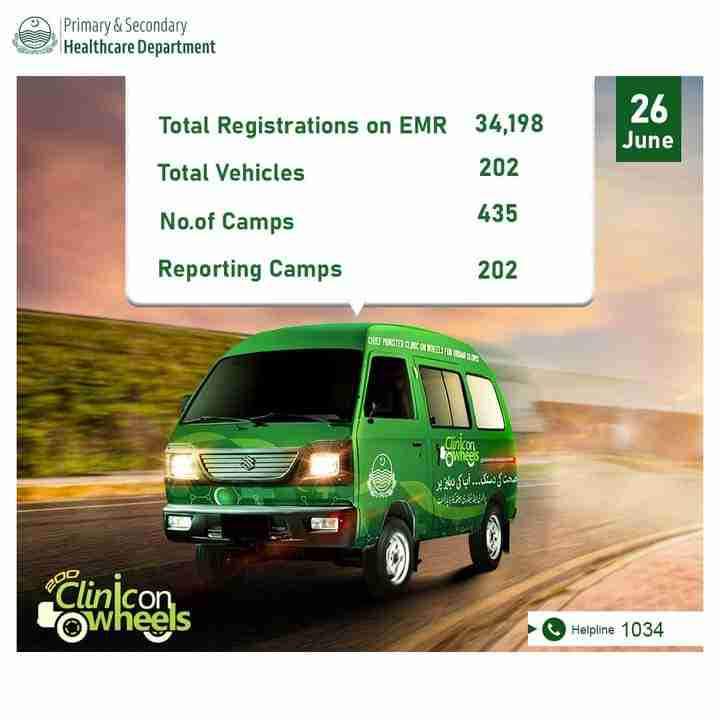
Introduction: What Is the Clinic on Wheels Program by CM Punjab and Why Was It Launched?
The Clinic on Wheels program is a mobile healthcare initiative launched by Punjab Chief Minister Maryam Nawaz Sharif to deliver free medical services directly to underserved urban slums and rural areas across the province. Unlike traditional government hospitals that require patients to travel often long distances, this program deploys specially equipped vehicles staffed with medical professionals to provide consultations, diagnostic tests, and medicines at people’s doorsteps. The initiative addresses a critical gap in healthcare access, as surveys revealed that a significant portion of slum residents lacked access to healthcare facilities, despite millions living in these densely populated, underserved communities. Through this program, the government aims to reduce healthcare disparities, decrease the burden on tertiary hospitals, and ensure that every Punjab resident, regardless of their location or economic status, can access quality medical care.
Who Can Access the Clinic on Wheels Services and What Are the Eligibility Requirements?
The Clinic on Wheels program operates on a universal access model, meaning any resident of Punjab can receive treatment without any registration requirements, age restrictions, or income limitations. This inclusivity represents a fundamental shift from traditional healthcare delivery, removing barriers that often prevent vulnerable populations from seeking medical attention.
Men, women, and children all receive equal access to treatment at these mobile clinics, with services specifically tailored to address the healthcare needs of each demographic. The program particularly prioritizes women with limited mobility or travel restrictions, children requiring routine immunization, elderly residents with limited access to healthcare facilities, pregnant women needing prenatal and postnatal care, and residents of remote areas with no nearby medical facilities.
No income-based restrictions exist for receiving free medicines at the mobile health units, as the program operates on the principle that healthcare is a fundamental right rather than a privilege based on economic status. Overseas Pakistanis visiting Punjab can utilize the facilities, though the program primarily serves residents. Transgender individuals are explicitly included in the healthcare coverage, reflecting the government’s commitment to inclusive healthcare delivery.
Perhaps most significantly, patients do not need CNIC or any identification to receive treatment at the Clinic on Wheels. This provision ensures that homeless populations, undocumented individuals, and those who have lost their identification documents can still access essential medical services. For women who may not have CNIC, marriage certificates or B-Forms are accepted as alternative identification. Children who do not yet have CNIC can receive treatment based on parental identification or simply by presenting for care, as the program prioritizes health access over documentation requirements.
Where Are the Clinic on Wheels Located Across Punjab and How Can You Find Them?
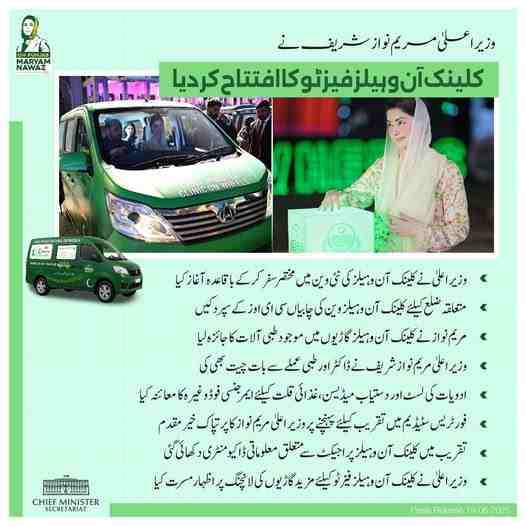
Which districts in Punjab currently have the Clinic on Wheels service operational?
The Clinic on Wheels program operates across all 36 districts of Punjab, making it a truly province-wide healthcare transformation. Major cities including Lahore, Faisalabad, Rawalpindi, and Multan have active mobile clinics serving densely populated urban slums and peri-urban areas. In Rawalpindi district specifically, residents can find the mobile clinic at locations like Dhoke Najoo and Phagwari, among other union councils. The service extends to rural areas of Attock, Gujrat, and Jhang, reaching communities that previously had minimal healthcare access. Underserved communities in Hafizabad, Vehari, and Mianwali are included in the current coverage map, while Rahim Yar Khan and Sargodha have prioritized locations based on health indicators and population density. Remote border districts of Punjab are included in the Clinic on Wheels expansion plan, ensuring that geographic isolation no longer determines healthcare access.
How can I find the schedule for Clinic on Wheels in my area?
The Punjab government publishes weekly schedules for all mobile clinic teams, making it possible for residents to plan their visits accordingly. District health authorities release these schedules through official channels, specifying which union councils will be served on particular days. For example, in Jhang district, the schedule operates on a rotation where specific teams visit designated union councils on set days such as Monday and Thursday in some areas and Tuesday and Friday in others. Lady Health Workers play a crucial role in informing communities about upcoming clinic visits through door-to-door outreach and community meetings. Local mosque announcements help residents stay updated on mobile clinic schedules, utilizing existing community communication channels. Residents can access the route plan for mobile health units in their district through the Primary & Secondary Healthcare Department website.
Is there a mobile app to track the Clinic on Wheels in real-time?
The program utilizes Google positioning and real-time monitoring systems to track clinic movements and ensure accountability. While a dedicated mobile application specifically for Clinic on Wheels tracking is still under development, the Centralized Reporting and Coordination system allows health authorities to monitor vehicle locations and assign daily tasks efficiently. Real-time GPS tracking is operational for the mobile clinic vehicles, enabling the Call Response Center to coordinate movements and respond to community needs. Citizens can access location information through the 1034 helpline, where operators provide details about the nearest clinic and its schedule. The government plans to enhance digital tracking capabilities in future phases, potentially integrating with popular navigation apps to make clinic locations more accessible to the public.
What Medical Services and Treatments Are Available at the Clinic on Wheels?
Does the mobile clinic have a doctor on board and what medical staff are present?
Every Clinic on Wheels unit includes a qualified Medical Officer, typically holding an MBBS degree, who leads the clinical team and provides consultations and treatment. The Lady Health Visitor plays a crucial role in providing maternal and child healthcare, offering antenatal and postnatal checkups, family planning counseling, and health education. Each mobile unit includes a vaccinator responsible for immunization services, ensuring children under two receive all required vaccines according to the Expanded Program on Immunization schedule. The dispenser manages medicine distribution and inventory at the mobile clinic, ensuring patients receive the correct medications with proper instructions. Male and female staff members are available to accommodate patient preferences, recognizing cultural sensitivities around healthcare delivery. In later phases of the program, each mobile unit now includes five or more staff members, enhancing service capacity and reducing patient wait times.
What types of diagnostic tests are available at the mobile clinic?
Patients can receive blood sugar testing at the Clinic on Wheels for diabetes screening, with results available during the same visit. The clinic provides free testing for Hepatitis B and Hepatitis C using rapid diagnostic tests, enabling early detection and referral for comprehensive treatment. Hemoglobin tests are available for anemia screening, particularly important for pregnant women and young children. Malaria testing is conducted at these mobile health units using rapid diagnostic kits, with treatment provided for confirmed cases. Blood pressure monitoring and hypertension screening are standard services at every clinic location. Equipment for urine analysis is available, helping diagnose urinary tract infections and other conditions. The diagnostic tests performed at mobile clinics use standardized protocols ensuring accuracy comparable to hospital laboratories. Patients receive written reports of their test results, which they can keep for future reference and share with other healthcare providers if needed.
Can I get an ultrasound done at a Clinic on Wheels?
Ultrasound services are available through specialized ultrasound-equipped vehicles deployed across Punjab, with one ultrasound vehicle allocated for every four to five passenger medical vans. Currently, dozens of ultrasound vehicles operate alongside hundreds of passenger vehicles, ensuring diagnostic imaging reaches underserved communities. Obstetric ultrasounds are performed at these mobile clinics for monitoring pregnancy, checking fetal development, and identifying potential complications. Patients can receive abdominal ultrasounds for liver, gallbladder, and kidney evaluations when recommended by the medical officer. Patients do not need a separate doctor’s referral beyond the consultation at the mobile clinic to access ultrasound services, streamlining the diagnostic process. The ultrasound vehicle rotation covers different districts systematically, ensuring equitable access across all 36 districts. Qualified technicians and Lady Health Visitors operate the ultrasound equipment, ensuring accurate imaging and patient comfort.
Are there free X-ray facilities in the larger mobile units?
Larger mobile units known as Field Hospital Medical Units operate on bigger trucks and provide X-ray facilities in addition to other diagnostic services. In Rawalpindi district specifically, several Field Hospital Medical Units are deployed, offering expanded diagnostic capabilities including X-ray examinations. These larger units serve as comprehensive mobile hospitals, bringing advanced diagnostic imaging to areas without radiology facilities. Chest X-rays are available for tuberculosis screening, helping identify and refer patients for appropriate treatment. The program strictly maintains radiation safety standards in all mobile X-ray units, with regular equipment calibration and staff training. Patients typically receive X-ray services on a walk-in basis, though priority is given to urgent cases. Results are interpreted by qualified medical officers, and patients receive appropriate referrals based on findings.
Does the clinic provide free medicines for heart patients and those with chronic conditions?
The Clinic on Wheels pharmacy stocks essential cardiac medications including blood pressure drugs, cholesterol-lowering medications, and other cardiovascular treatments. Blood pressure medications are provided free of cost to registered patients, with follow-up visits ensuring continuous care. Patients can receive cholesterol-lowering drugs such as statins at these mobile health units when prescribed by the medical officer. Diabetes medications including oral hypoglycemics and insulin are available for diabetic patients, with blood sugar monitoring to guide treatment adjustments. Chronic disease patients receive medications sufficient for one to two months, reducing the need for frequent visits. The program ensures cold chain storage for temperature-sensitive medications like insulin, maintaining efficacy through proper handling and transportation. For patients requiring long-term medication not available at the mobile clinic, referrals are issued to nearby government hospitals where treatment can continue.
Does the clinic provide treatment for Hepatitis C and other infectious diseases?
Hepatitis C treatment is available through the Clinic on Wheels program, with patients receiving antiviral medications free of cost after diagnosis. Patients diagnosed with Hepatitis C through rapid testing at the mobile clinic are referred for comprehensive treatment, with coordination between the mobile unit and tertiary hospitals ensuring continuity of care. The program offers screening for tuberculosis in addition to Hepatitis, with patients showing symptoms referred for further evaluation and treatment. Patients diagnosed with active Hepatitis C infection receive counseling about the disease, treatment options, and follow-up requirements. Follow-up care is coordinated between the mobile clinic and specialized hepatitis treatment centers, ensuring patients complete their treatment course. Preventive education sessions about Hepatitis transmission are conducted at the clinics, helping communities understand risk factors and prevention strategies.
Are vaccinations for children available in these mobile vans?
Childhood vaccines under the Expanded Program on Immunization are administered at the Clinic on Wheels, including vaccines for polio, measles, BCG, pentavalent, and pneumococcus. Children under two years of age receive immunizations according to the recommended schedule, with the vaccinator maintaining proper records. Polio vaccination drops are available at these mobile health units, supporting Pakistan’s polio eradication efforts through community-level administration. The clinic maintains proper cold chain for vaccine storage during mobile operations, using specialized vaccine carriers and regular temperature monitoring. Parents should bring their child’s vaccination card to receive immunizations, though services are not denied if the card is unavailable. Catch-up vaccinations are available for children who missed scheduled immunizations, ensuring no child is left unprotected due to previous access barriers.
Does the clinic provide post-natal care for mothers and newborns?
Post-natal checkups are available for mothers who recently delivered, with services including maternal health assessment, breastfeeding support, and newborn evaluation. New mothers can visit the Clinic on Wheels as soon as one week after delivery for post-natal checkups, with additional visits scheduled as needed. Newborn health assessments including weight monitoring, physical examination, and danger sign screening are available at mobile clinics. Breastfeeding support and counseling for new mothers help address common challenges and promote optimal infant nutrition. Clinic staff educate mothers about post-natal danger signs including fever, excessive bleeding, or signs of infection, with clear instructions on when to seek emergency care. Family planning counseling and services are available during postnatal visits, helping mothers make informed choices about birth spacing.
Does the CM Punjab program offer cancer medication through these clinics?
Cancer medications are available through the Clinic on Wheels program in specific phases, with specialized medicines for cancer patients included in the service package. The program includes cancer screening services, helping identify potential cases early and refer patients for specialized oncology care. Cancer patients are identified through the mobile clinic network and referred to tertiary hospitals for comprehensive diagnosis and treatment planning. Palliative care medications are available through the Clinic on Wheels, supporting cancer patients who cannot travel to major hospitals for symptom management. Pain management medications are provided for advanced cancer patients, ensuring comfort and quality of life during treatment. The program coordinates with oncology departments at major hospitals to ensure comprehensive care for cancer patients identified through mobile clinics.
What Are the Operating Hours and Days for the Clinic on Wheels?
The Clinic on Wheels operates from Monday to Thursday and Saturday from 9:00 a.m. to 3:00 p.m., with Friday hours from 9:00 a.m. to 1:00 p.m. to accommodate Friday prayers. The clinic is not available on Sundays for general operations, though emergency ambulance services continue operating. The earlier closing time on Fridays at 1:00 p.m. allows staff and patients to participate in weekly religious observances while maintaining service delivery. Each mobile clinic typically operates for six hours daily in the field, with additional time allocated for travel, restocking, and administrative tasks. Operating hours remain consistent throughout the year, though adjustments may be made in extreme weather conditions to protect patient and staff safety. If patients are waiting when the clinic reaches closing time, staff make every effort to complete consultations for those already present rather than turning people away.
How Can You Access the Free Ambulance Service for Pregnant Women?
How do I call the free ambulance service for pregnant women?
The dedicated helpline number for requesting the pregnancy ambulance service is 1034, connecting callers to the Call Response Center that coordinates all ambulance dispatches. The 1034 helpline number for Clinic on Wheels is toll-free from all mobile networks, ensuring that cost does not prevent women from accessing emergency transport. When calling for ambulance service, pregnant women or their family members should provide their location, contact information, and any relevant medical details about the pregnancy. The ambulance typically arrives within a reasonable timeframe after a request is made, with response times varying based on distance and traffic conditions. Family members can call the ambulance on behalf of a pregnant woman in labor, providing the necessary information to facilitate rapid response. The service covers all areas where the Clinic on Wheels program operates, including both urban and rural locations.
Who is eligible to use the Clinic on Wheels ambulance service?
The ambulance service is available for all pregnant women regardless of registration status, with no requirement for prior enrollment in the program. Women with high-risk pregnancies can access the ambulance transport service, with paramedics prepared to handle complications during transport. The service covers transport for postnatal complications in addition to delivery transport, ensuring women can access emergency care after childbirth. There are no eligibility criteria based on income or socioeconomic status, making the service truly universal. Women from any district can access the ambulance service regardless of where they reside, though transport is typically to facilities within reasonable distance. No documentation is required to prove pregnancy for ambulance access, removing barriers for women who may not have medical records readily available.
How does the free pickup and drop-off service work for hospital delivery?
The ambulance picks up pregnant women directly from their homes, transporting them to the nearest health facilities such as Maryam Nawaz Sharif Clinics, Rural Health Centres, or Tehsil Headquarters hospitals. Women are typically transported to designated facilities where qualified women medical officers, lady health visitors, and paramedics are available in well-equipped, hygienically maintained labor rooms. While women cannot always choose their preferred hospital, transport is arranged to the nearest appropriate facility with delivery services. A midwife or trained attendant accompanies the pregnant woman during ambulance transport, providing care and monitoring during the journey. Emergency delivery supplies are available in the ambulance if needed during transport, ensuring preparedness for any situation. The program coordinates with hospitals to ensure smooth admission upon arrival, with receiving facilities informed about incoming patients. After delivery, the ambulance provides return transport from hospital to home under the supervision of a midwife, ensuring mother and newborn reach home safely.
How to Apply, Register, and Contact the Clinic on Wheels Program
Is there a contact number or helpline for the mobile health units?
The official Clinic on Wheels Punjab contact number for public inquiries is 1034, connecting callers to the Call Response Center that handles all program-related communications. The 1034 helpline number operates during clinic hours for general inquiries, though emergency ambulance requests receive priority attention at all times. The helpline supports multiple languages to accommodate Punjab’s diverse population, with operators trained to communicate effectively with callers from various backgrounds. Patients can request specific information about medicine availability, clinic locations, and schedules through the helpline. Complaints about service quality are handled through the contact center, with issues documented and forwarded to relevant authorities for resolution. Citizens can provide feedback or suggestions through the helpline, helping improve program delivery. The average wait time when calling the Clinic on Wheels contact number is typically minimal, with adequate staffing to handle call volumes.
How can I apply for Clinic on Wheels services online?
Patients do not need to apply for services, as the program operates on a walk-in basis at all clinic locations. For medical professionals seeking employment, the online registration portal is available through the Primary & Secondary Healthcare Department website. The Clinic on Wheels Punjab Online Apply process for jobs requires candidates to create an account, complete their profile, upload required documents, and submit applications before deadlines. There is currently no patient appointment booking system, as services are provided on a first-come, first-served basis during operating hours. The digital registration form for mobile health services is used internally by Lady Health Workers for pre-registration, but patients do not need to complete this themselves. Personal health information is protected through data security protocols, ensuring patient confidentiality in all digital systems.
Do I need an ID card to get checkups at the clinic?
CNIC is not mandatory for adults seeking treatment at the Clinic on Wheels, as the program prioritizes healthcare access over documentation requirements. Women can use marriage certificates or B-Forms if they don’t have CNIC, ensuring married women and young adults can access care. Children who do not yet have CNIC receive treatment based on parental identification or simply by presenting for care with a parent or guardian. Provisions exist for patients who have lost their CNIC or have expired cards, with treatment never denied due to documentation issues. Afghan refugees with POR cards can access the Clinic on Wheels services, recognizing the healthcare needs of all residents regardless of legal status. Homeless individuals without any identification receive treatment based on their presence and need, with staff documenting visits through alternative means.
What is the process for Clinic on Wheels how to Apply in person?
Patients do not need to register before arriving and can walk directly to the clinic location during operating hours. The typical queue system at busy Clinic on Wheels locations involves token distribution upon arrival, with patients served in order of arrival. Patients should arrive early in the operating day to ensure they receive service, as clinics may reach capacity at busy locations. During in-person registration, patients provide basic information including name, age, and reason for visit, with documentation of services provided. Separate queues are often arranged for women, elderly, or differently-abled patients to ensure vulnerable populations receive appropriate priority. The clinic manages token distribution for diagnostic tests, ensuring patients are called in an orderly manner for ultrasound, lab work, or other services. Patients can request follow-up appointments during their initial visit, with staff providing information about future clinic dates in the area.
How Many Mobile Clinics Are Operating and What Is Their Coverage?
How many mobile clinics are currently operating in Lahore and other districts?
As the program has expanded through multiple phases, hundreds of mobile clinics now operate across Punjab, representing a massive expansion from the initial units deployed at launch. The fleet includes passenger vehicles for medicine and staff transport, ultrasound-equipped vehicles for diagnostic imaging, and Field Hospital Medical Units for expanded services. In Rawalpindi district specifically, dozens of medicine vehicles, ultrasound units, and Field Hospital Medical Units are deployed, serving the district’s diverse population. Vehicle allocation per district ranges based on population size, healthcare needs, and geographic considerations. The program serves tens of thousands of patients daily across the entire Clinic on Wheels network, with each mobile clinic handling between 50 to 100 patients per operating day depending on location and demand.
How are the mobile clinic routes and locations determined?
The government decides mobile clinic locations based on need assessment data, population density, health indicators, and community feedback. Lady Health Workers play a crucial role in identifying high-need areas through their community-level interactions and health surveys. Community feedback is actively incorporated into route planning decisions, with residents able to request clinic visits through the 1034 helpline or Lady Health Workers. Data analytics inform mobile clinic placement across Punjab, with health indicators, disease burden, and access gaps guiding resource allocation. Urban slums are prioritized differently from rural agricultural areas based on population density and healthcare access statistics. Natural disasters or disease outbreaks trigger temporary route changes to address emerging health needs in affected communities.
What Is the Quality of Staff, Medicines, and Facilities at the Clinics?
Are the medicines provided by the mobile clinic really free and of good quality?
All medicines provided at the Clinic on Wheels are completely free, with no hidden costs or fees for any patient. The government ensures medicine quality through rigorous procurement processes that source medications from reputable manufacturers meeting international standards. Quality control measures verify medicine storage conditions during transport, with temperature monitoring and proper handling protocols to maintain efficacy. Generic medications are primarily provided, ensuring cost-effectiveness while maintaining therapeutic equivalence to brand-name drugs. The program actively prevents medicine shortages through inventory management systems that track usage patterns and trigger timely restocking. If the clinic runs out of a specific medication, staff provide information about alternative sources or issue prescriptions for patients to obtain medicines from government hospitals.
Are there Lady Health Visitors available in the vans?
Lady Health Visitors are integral members of every Clinic on Wheels team, bringing specialized training in maternal and child health, family planning, and community health education. Each mobile clinic includes at least one Lady Health Visitor, with larger units having multiple LHVs to handle patient volume. LHVs provide services including antenatal and postnatal checkups, family planning counseling, nutritional screening, and health education that differ from doctor consultations. Patients can specifically request to see a female provider for sensitive health concerns, and LHVs ensure these preferences are accommodated. Lady Health Visitors support maternal health education by conducting group sessions and individual counseling on nutrition, breastfeeding, and newborn care. They play a crucial role in family planning counseling and services, helping couples make informed choices about contraception and birth spacing.
What should I do if the clinic doesn’t have the medicine I need?
When prescribed medication is unavailable at the mobile clinic, staff follow a clear protocol to ensure patients still receive necessary treatment. Patients receive a prescription to obtain medicines from government hospitals, with information about the nearest facility stocking the medication. Alternative medications within the same therapeutic class are provided when clinically appropriate and approved by the medical officer. Medicine shortages are tracked through the central reporting system, with daily inventory data helping central supply anticipate and address stock issues. Patients can request that specific medications be stocked at future clinic visits, with this feedback incorporated into procurement planning. For urgent medication needs, staff provide temporary solutions including partial courses or referrals to nearby facilities with available stock.
How Does This Program Compare to Other Healthcare Services in Punjab?
How is this program different from the Basic Health Units?
Clinic on Wheels provides mobile healthcare that travels to communities, while Basic Health Units are fixed facilities requiring patients to travel for services. Mobile clinics offer greater flexibility in reaching remote populations, operating in locations where BHUs cannot be established due to infrastructure or population constraints. Both services offer similar core medical services, but mobile clinics bring these directly to underserved areas lacking permanent facilities. Patient volume at mobile clinics varies by location and schedule, while BHUs maintain consistent daily capacity. The same essential medications are available at both mobile clinics and government hospitals, ensuring treatment continuity regardless of access point. Referral pathways connect both mobile clinics and BHUs to tertiary care facilities, creating an integrated healthcare network.
What Are the Job Opportunities and Outsourcing Details?
Are there job openings at Clinic on Wheels Punjab?
The Clinic on Wheels program creates significant employment opportunities for healthcare professionals across Punjab, with thousands of doctor applications received for expansion phases. Medical positions available include Medical Officers (MBBS degree required), Lady Health Visitors, Dispensers, and Vaccinators. Non-medical job opportunities include drivers for mobile clinic vehicles, support staff, and logistics personnel. Medical Officer positions require MBBS or BDS degrees from PMDC-recognized institutions with valid registration. The hiring process for Lady Health Visitors and Vaccinators requires relevant professional qualifications and registration with appropriate bodies. Fresh graduates are encouraged to apply, gaining valuable experience in community healthcare delivery. The application process for Chief Minister clinic on wheels driver job requires valid driving licenses and relevant experience, with positions advertised through official channels.
What does Clinic on Wheels outsource mean for service delivery?
Vehicle management and operations under the Clinic on Wheels program are outsourced to third-party service providers to ensure efficient service delivery. The government chose to outsource vehicle management to leverage private sector expertise in fleet maintenance, logistics, and operational efficiency. Outsourcing affects service quality by ensuring professional vehicle maintenance, reliable operations, and accountability through contractual performance standards. Specific companies contracted for Clinic on Wheels outsource operations are selected through transparent procurement processes meeting government requirements. Contractor performance is continuously monitored by health department officials through surprise visits, patient feedback, and real-time tracking systems. Safeguards ensure outsourced services meet healthcare quality standards through contractual obligations and regular inspections.
What Impact Has the Clinic on Wheels Program Achieved?
How many patients have been treated since the program launched?
Millions of patients have been treated across Punjab since the program’s inception, demonstrating its massive reach and impact. In districts across the province, the Clinic on Wheels has provided healthcare to hundreds of thousands of patients within short timeframes, illustrating the program’s operational scale. Tens of thousands of patients are treated daily across the entire mobile clinic network, with each clinic handling significant patient volumes. Thousands of neonatal cases have been attended through the Rural Ambulance Service 1034, showing the program’s impact on maternal and child health. The program’s success has prompted plans for further expansion and replication in other underserved areas.
What Are the Common Problems and Complaint Procedures?
How can I register a complaint about the Clinic on Wheels service?
Complaints about Clinic on Wheels service can be registered through the 1034 helpline, which connects callers to the Call Response Center for documentation and resolution. A separate complaints hotline for reporting service issues ensures concerns receive appropriate attention and follow-up. Complaints can be submitted online through the government portal, with complaint forms available for detailed reporting. When filing a complaint, patients should include the date and location of the clinic visit, nature of the issue, names of staff involved if applicable, and contact information for follow-up. The complaint resolution process typically involves investigation, response to the complainant, and corrective action if warranted. Common complaints include medicine shortages, long waiting times, and staff behavior concerns, all of which inform program improvements.
What Is the Future Expansion Plan for Clinic on Wheels?
Will the program expand to more districts and cities?
The Clinic on Wheels program has already expanded from initial units to hundreds of units across multiple phases, with further growth planned. Additional mobile clinics will be added in the next phase based on patient demand and geographic coverage gaps. New districts are prioritized for expansion based on health indicators, population density, and current healthcare access levels. The program aims to eventually cover every union council in Punjab, ensuring universal access to mobile healthcare services. Rural areas with poor road infrastructure are being incorporated through appropriate vehicle selection and route planning that accounts for terrain and accessibility.
What new services might be added to the mobile clinics?
Future expansion may include dental services, recognizing the high burden of oral health issues in underserved communities. Eye care and vision screening could be added, addressing preventable blindness and vision impairment through early detection. Mental health counseling may be included in expanded service packages, recognizing the growing need for psychological support. Physiotherapy services could be offered through specialized mobile units for patients with disabilities and chronic pain conditions. Non-communicable disease management programs for conditions like diabetes, hypertension, and heart disease will likely expand with dedicated follow-up services.
Final Words: Why Every Punjab Resident Should Know About Clinic on Wheels
The Clinic on Wheels program represents a revolutionary approach to healthcare access, bringing comprehensive medical services directly to communities that previously faced significant barriers to care. Every Punjab resident should know about this program because it transforms healthcare from something you travel to find into something that comes to your doorstep, completely free of charge. Citizens can best utilize the free services by checking clinic schedules in their area, arriving early during operating hours, bringing any relevant medical records, and sharing information with neighbors who may need care. Communities have a responsibility to support the mobile clinics by providing feedback, respecting staff and facilities, and helping spread awareness about service availability. This program demonstrates government commitment to citizen welfare through tangible, accessible services that reach the most vulnerable populations. When residents see the mobile clinic in their area, they should take advantage of the services and encourage family members and neighbors to do the same. The long-term vision for healthcare access in Punjab through this initiative includes universal coverage, reduced health disparities, and improved health outcomes across all population groups. Mobile clinics represent the future of community healthcare delivery, bringing services to people rather than requiring people to travel to services. Citizens can play a vital role by providing constructive feedback, participating in health education sessions, and supporting community health workers in their outreach efforts. The Clinic on Wheels program embodies the principle of healthcare as a fundamental right, ensuring that every resident of Punjab, regardless of location or economic status, can access quality medical care with dignity and respect.
DISCLAIMER
This article provides comprehensive information about the Clinic on Wheels program based on official government sources and public records. Service details, contact numbers, and operational information are subject to change by the Punjab government, and readers should verify current information through official channels.
FREQUENTLY ASKED QUESTIONS
What is the Clinic on Wheels program by CM Punjab?
The Clinic on Wheels program is a mobile healthcare initiative launched by Chief Minister Maryam Nawaz Sharif that deploys fully equipped medical vans to provide free consultations, diagnostic tests including ultrasound, and medicines to underserved communities across all 36 districts of Punjab.
How can I find the Clinic on Wheels schedule in my area?
You can find the clinic schedule by calling the 1034 helpline, checking the Punjab Health Department website, contacting local Lady Health Workers, or listening for announcements at local mosques about clinic arrival dates.
Are the medicines provided really free of cost?
Yes, all medicines provided at the Clinic on Wheels are completely free with no hidden costs or fees. The program provides medications for common illnesses, chronic conditions including diabetes and hypertension, and specialized medicines where available.
What are the operating hours for the mobile clinics?
Clinics operate Monday to Thursday and Saturday from 9:00 a.m. to 3:00 p.m., and Friday from 9:00 a.m. to 1:00 p.m. The service is closed on Sundays.
Does the mobile clinic have ultrasound facilities?
Yes, ultrasound-equipped vehicles are deployed across Punjab with one ultrasound vehicle for every four to five passenger medical vans. These provide obstetric ultrasounds for pregnant women and abdominal ultrasounds for diagnostic purposes.
How do I call the free ambulance service for pregnant women?
Call the toll-free helpline 1034 to request the free ambulance service for pregnant women. The service provides pickup from home, transport to the nearest appropriate hospital for delivery, and drop-off back home after childbirth.
Do I need an ID card to get treatment at the clinic?
No, CNIC or any identification is not required to receive treatment at the Clinic on Wheels. The program prioritizes healthcare access for all, including homeless individuals, women without CNIC, and children.
What types of diagnostic tests are available?
Available tests include blood sugar for diabetes, Hepatitis B and C screening, hemoglobin for anemia, malaria testing, blood pressure monitoring, and urine analysis. Ultrasound services are available at dedicated vehicles.
How many mobile clinics are currently operating?
Hundreds of mobile clinics operate across Punjab, including passenger medical vans, ultrasound-equipped vehicles, and Field Hospital Medical Units, serving tens of thousands of patients daily.
Is the Clinic on Wheels available in all districts?
Yes, the program operates in all 36 districts of Punjab, with vehicle allocation varying based on population size and healthcare needs.

Add a Comment