
Ramadan is here, and while the focus should be on spirituality, for millions of Pakistani families, the month brings the heavy burden of rising grocery bills and household expenses. You might have heard about two major relief initiatives: the Maryam Nawaz Ramzan Package in Punjab and the KPK Ramzan Package, but confusion remains about which one applies to you, how much cash you can actually get, and what the exact application process is. This comprehensive guide provides a definitive, data-driven comparison of the Maryam Nawaz Ramzan Package vs KPK Ramzan Package, covering eligibility, application procedures, benefits, and distribution mechanisms, so you can secure your aid immediately without falling for scams or misinformation.
Key Takeaways
- Punjab Offers Comprehensive Relief: The Maryam Nawaz Nigehban Package provides Rs10,000 cash plus subsidized ration via an active Nigehban Card, usable at ATMs and utility stores.
- KPK Provides Higher Cash Amount: The KPK Ramzan Support Package offers Rs12,500 per family, but it is strictly a one-time cash transfer with no additional ration subsidies.
- Application Methods Are Totally Different: Punjab uses an open and accessible SMS service (8070) and PSER online portal, while KPK relies on selection-based registration through local Union Councils and existing welfare databases.
- Eligibility Exclusions Matter: Government employees are disqualified in both provinces, but Punjab also excludes households with registered cars or family members living abroad.
- KPK Removed Bank Account Requirement: Following public criticism, the KPK government scrapped the mandatory bank account condition; beneficiaries can now register using only their CNIC and mobile number.
- Distribution Status Varies: Punjab has already distributed aid to over 3 million families, while KPK faces administrative delays with funds yet to reach many eligible households halfway through Ramadan.
- Read More: Prime Minister Ramzan Package | 9999 Official Portal (For PKR 13K)
- Read More: How To Apply For CM Punjab Ramzan Nigehban Card (Get 10000)
- Read More: How To Get Rs10,000 Through Nigehban Ramzan Package
- Read More: How to Activate Ramzan Nigehban Card (& Withdraw 10000)
Maryam Nawaz Ramzan Package Vs KPK Ramzan Package (Eligibility & How to Apply)
Table Of Contents
What is the Maryam Nawaz Ramzan Package (Punjab Nigehban Program) 2026?
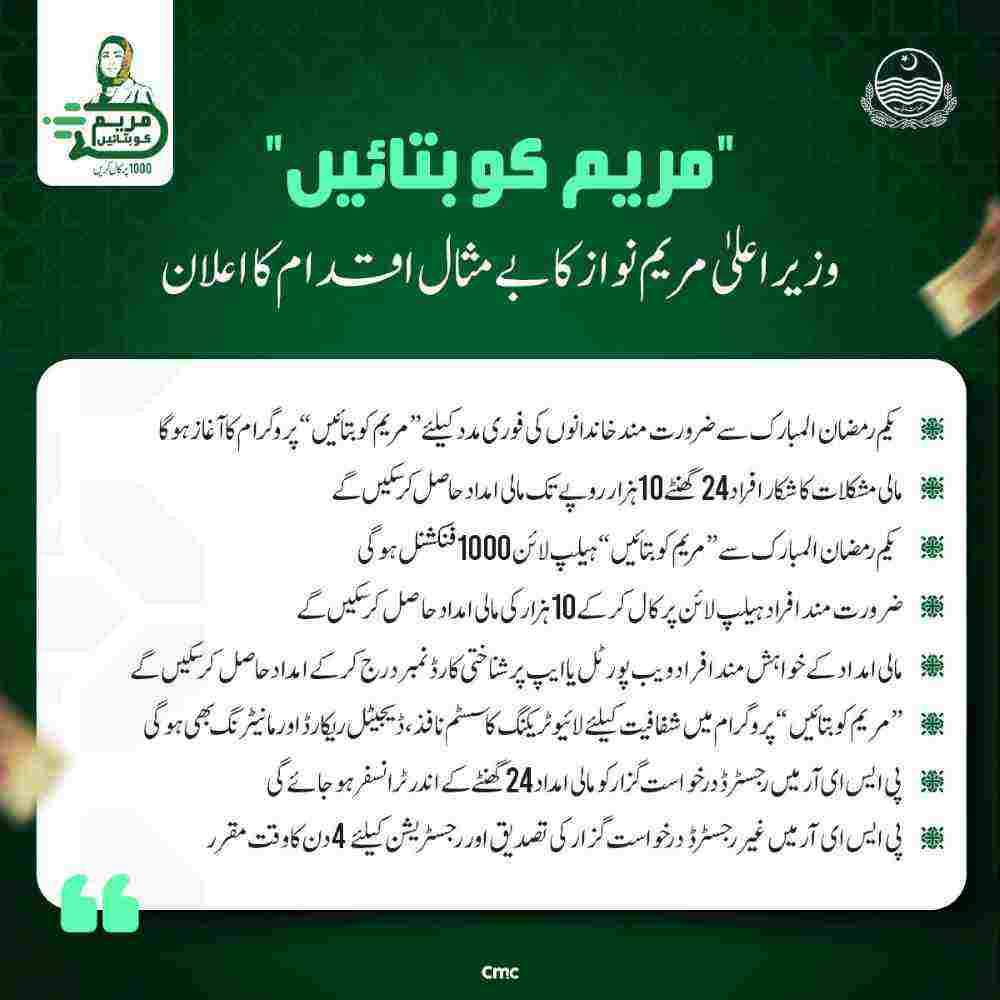
The Maryam Nawaz Ramzan Package, officially named the Nigehban Ramzan Package, is a provincial relief initiative launched by the Punjab government under the leadership of Chief Minister Maryam Nawaz Sharif. It represents one of the largest Ramadan relief efforts in Punjab’s history, designed to provide direct financial assistance and subsidized essential commodities to low-income families across the province. The program operates through a fully digital and transparent system, ensuring that aid reaches deserving households without requiring them to stand in long queues or face bureaucratic hurdles.
What is the official name and budget of the Punjab Ramzan Package?
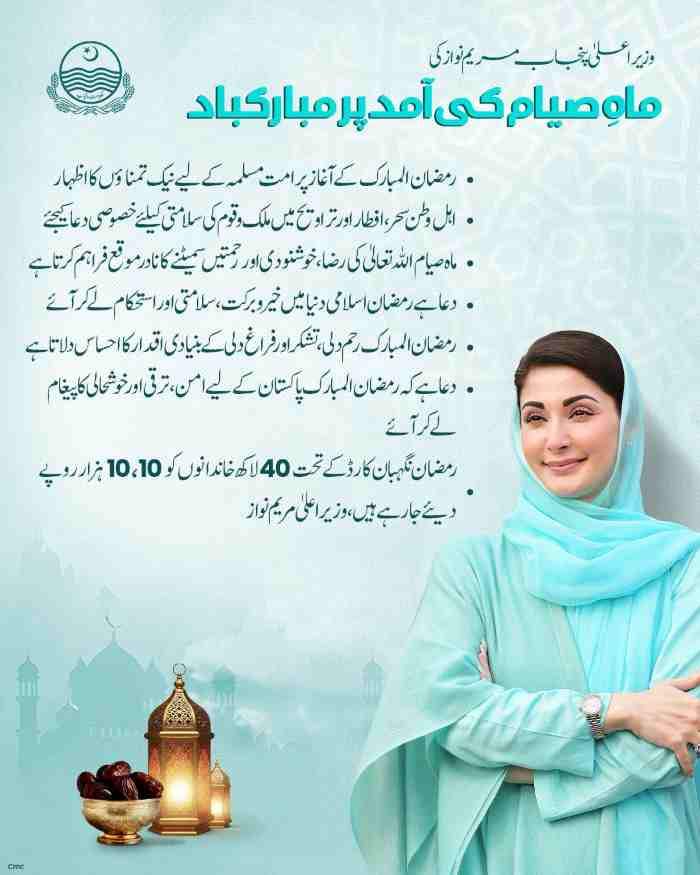
The official name of this initiative is the Nigehban Ramzan Package. The Punjab government allocated a historic budget of Rs47 billion to fund this program, demonstrating the administration’s commitment to supporting vulnerable populations during the holy month. This budget covers cash grants, subsidized ration, operational costs for distribution, and the establishment of support infrastructure like Sahulat markets and Nigehban Dastarkhwans. The sheer scale of the budget underscores why this package is considered a landmark welfare intervention in the province.
How much cash assistance does the Maryam Nawaz Ramzan Package provide?
Eligible families under the Maryam Nawaz Ramzan Package receive a direct cash grant of Rs10,000 per household. This amount is delivered through the Nigehban Card, which functions as a debit card, allowing beneficiaries to withdraw the full amount from ATMs or branchless banking agents without any deductions. The cash assistance is intended to help families cover their essential expenses during Ramadan, from grocery shopping to utility bills.
Special Provision for Social Security Registered Workers:
In addition to the general scheme, a separate mechanism exists for workers registered with the Punjab Employees Social Security Institution (PESSI). If these workers do not hold the Maryam Nawaz Rashan Card, they are still eligible to receive Rs10,000. The process involves:
- Eligible workers receive a six-digit PIN code via SMS.
- They must visit designated agents such as HBL Konnect, UBL Omni, or Alfa Pay.
- Present their CNIC and the secret PIN.
- Complete biometric verification to receive the full Rs10,000 immediately.
- Over 1.2 million Social Security registered workers across Punjab are benefiting from this specific cash assistance.
Maryam Nawaz Ramzan Relief Package
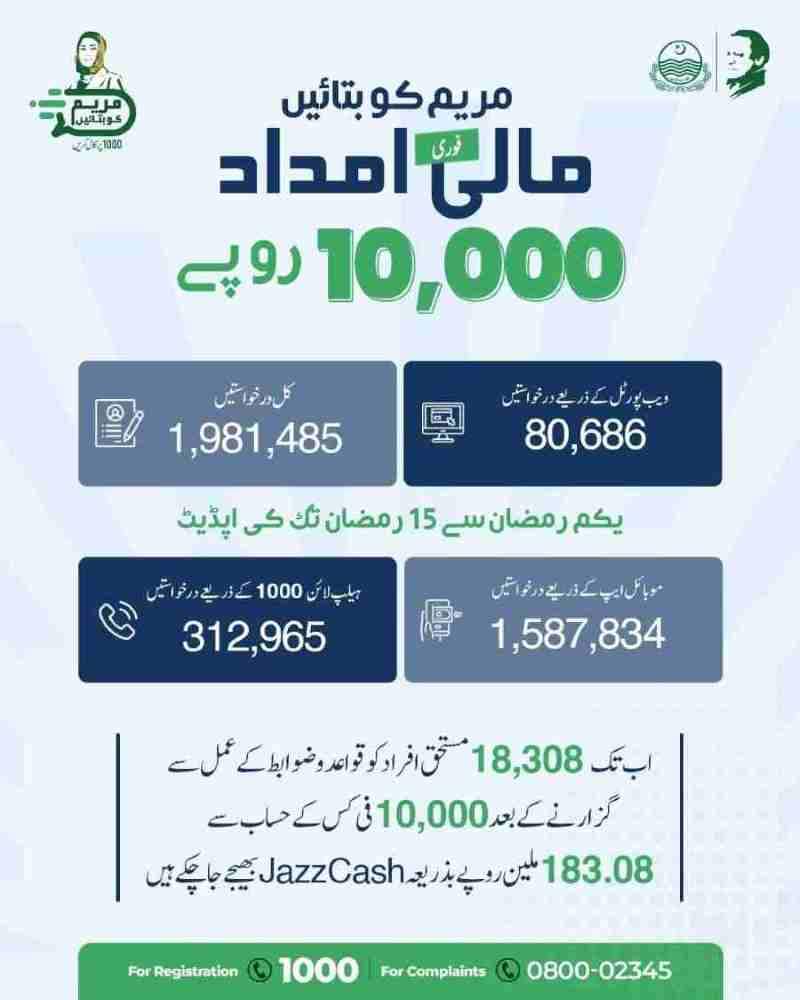
This update shows the progress of the Rs. 10,000 cash distribution during the first half of Ramadan.
1. How People Applied
- Total Applications: Almost 2 million (1,981,485) people have applied.
- Door-to-Door: 80,686 applications were collected via door-to-door visits.
2. How They Registered (1st to 15th Ramadan)
- Via Tehsil Offices (Code 1000): 312,965 applications.
- Via Mobile App: The most popular method with 1.58 million applications.
3. Money Distribution
- Beneficiaries So Far: 18,308 deserving people have received the money.
- Amount: Each person got Rs. 10,000.
- Total Paid: Rs. 183.08 million has been sent so far.
- Payment Method: Money was transferred through JazzCash.
4. Helpline Numbers
- For Registration: 1000
- For Complaints: 0800-02345
What is the Nigehban Card and how does it work?
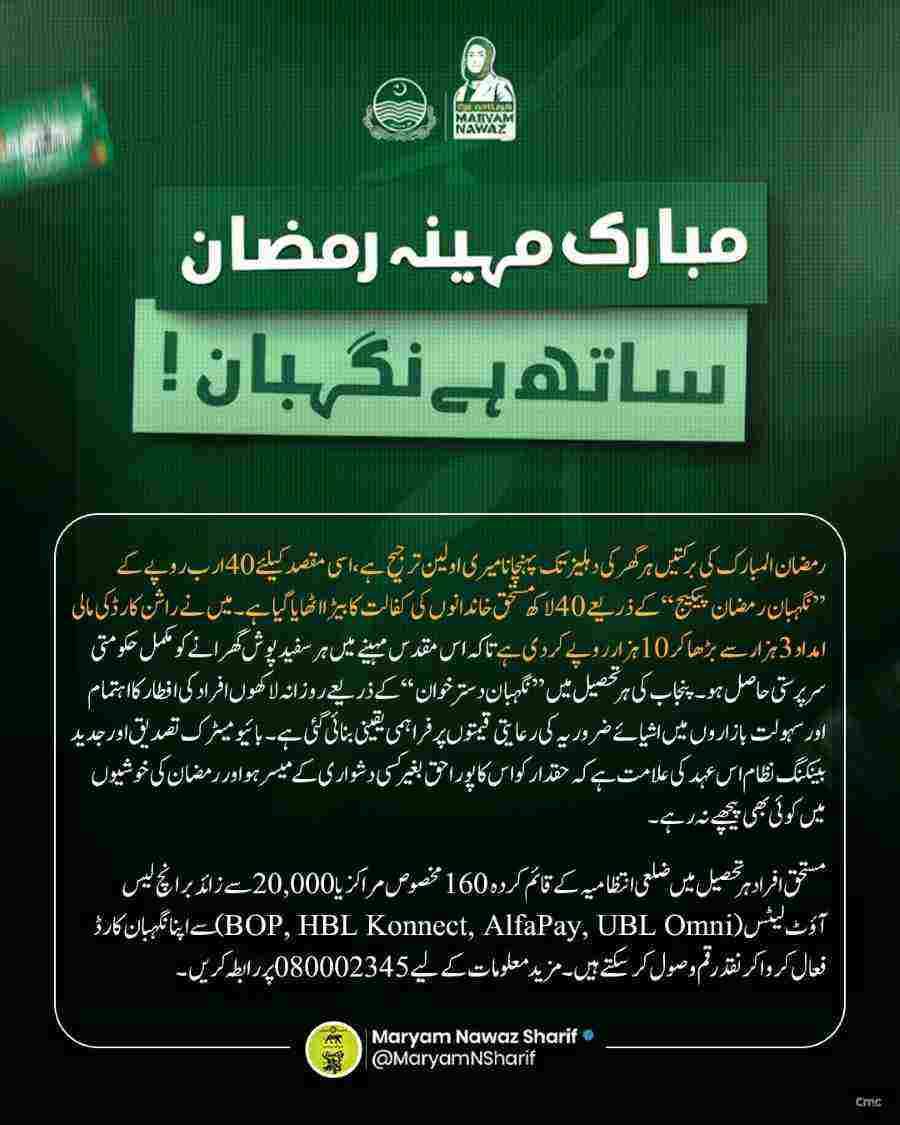
The Nigehban Card is the cornerstone of the Punjab government’s distribution strategy. It is a digital, pre-activated debit card that serves dual purposes: cash withdrawal and subsidized purchases.
- Cash Withdrawal: Beneficiaries can use the card at over 9,200 ATMs across Pakistan, with particular emphasis on Bank of Punjab ATMs. The card does not require separate activation; it is delivered door-to-door to eligible families ready for use.
- Subsidized Purchases: The same card can be used to buy essential items at discounted rates from utility stores and designated mobile vans.
- Distribution: The government initiated the delivery of Nigehban ATM cards across the province in mid-February, ensuring that funds reach families well before Ramadan begins.
- Helpline and Support: A dedicated helpline 08000-2345 and 160 special centres in every tehsil have been established to assist beneficiaries with any issues related to card usage or eligibility.
Does the Punjab package include free ration or subsidized groceries?
Yes, the Punjab package goes beyond cash assistance by incorporating a robust subsidy component. Beneficiaries can use their Nigehban Card to purchase essential groceries at discounted rates. The subsidized items typically include:
- Flour (atta)
- Sugar
- Ghee and cooking oil
- Pulses (daal)
- Rice
Additional Relief Measures:
- Sahulat Markets: The government has made 74 Sahulat markets functional across the province, offering essential commodities at below-market rates.
- Sasta Bazaars: Cheap price bazaars are operational in 30 districts, providing further relief on kitchen items.
- Maryam Ki Dastarkhwan: In every tehsil, the government organizes free Iftar meals for 2,000 fasting individuals daily, ensuring that no one goes hungry during Ramadan.
What is the difference between the Nigehban Card and the Chief Minister Rashan Card?
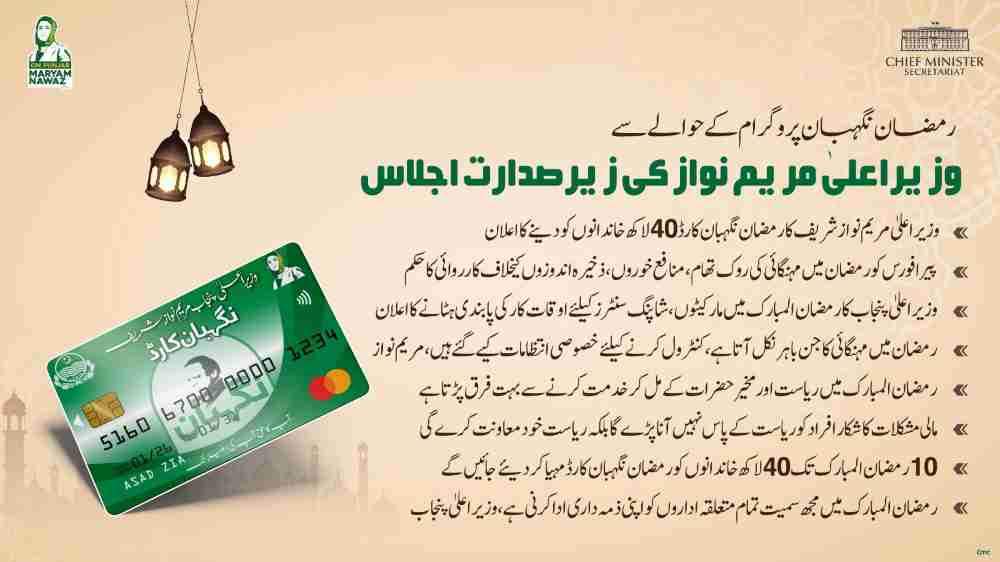
This is a common point of confusion among Punjab residents. The Chief Minister Rashan Card was a previous initiative that provided monthly subsidies to eligible families. Under the new Nigehban Ramzan Package, Rashan Card holders have been upgraded. Instead of the previous Rs3,000 monthly assistance, they now receive a one-time Rs10,000 cash grant during Ramadan. Essentially, the Nigehban Card replaces and enhances the benefits previously associated with the Rashan Card, offering a more substantial and flexible form of support.
What is the KPK Ramzan Package (Ramzan Support Package) 2026?
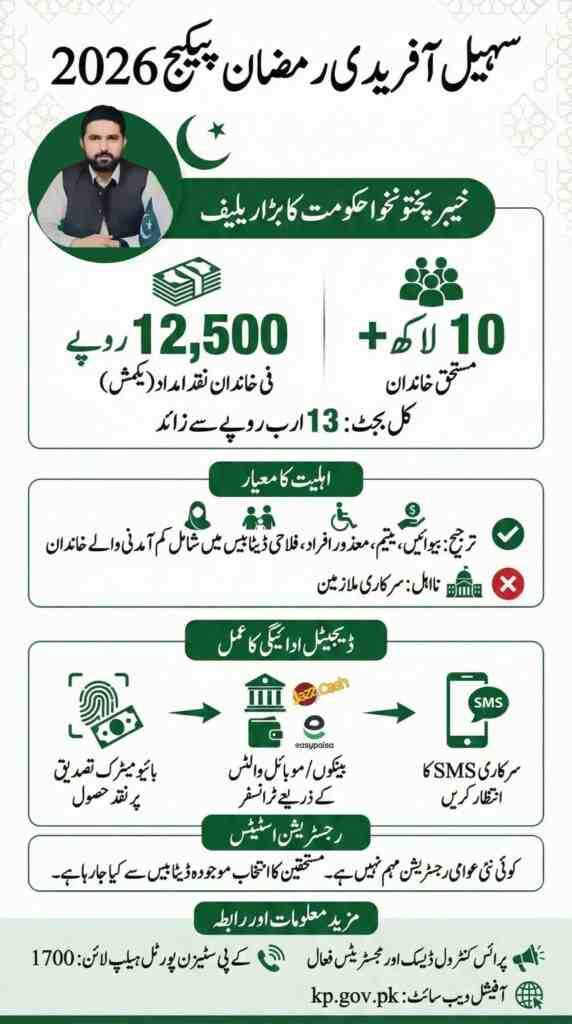
The KPK Ramzan Package, officially termed the Ramzan Support Package, is the provincial government’s initiative in Khyber Pakhtunkhwa to provide financial relief to low-income families during Ramadan. Led by the PTI provincial government under Chief Minister Sohail Afridi, the program focuses on direct cash transfers to vulnerable households identified through existing welfare databases and local administration channels.
What is the official name and budget of the KPK Ramzan Package?
The official name of the initiative is the KPK Ramzan Support Package. The provincial cabinet approved the program titled “Ramzan Support for Low-Income Households, KP Perspective, 2026” during its meeting on February 11, 2026. The total allocated budget stands at approximately Rs13.287 billion, structured as follows:
- Rs10 billion allocated as a grant-in-aid.
- Rs2.83 billion provided as a supplementary grant.
- The program aims to cover over 1.034 million beneficiaries across the province.
How much cash does the KPK Ramzan Package provide to families?
Eligible families under the KPK Ramzan Package receive a one-time cash grant of Rs12,500 per household. This amount is higher than Punjab’s cash component, reflecting the KPK government’s focus on pure financial assistance rather than combining cash with in-kind subsidies. The amount is intended to provide families with the flexibility to meet their specific needs during Ramadan.
Does the KPK Ramzan Package include a monthly stipend or ration hampers?
No, the KPK Ramzan Package is strictly a one-time cash grant. Unlike Punjab’s multifaceted approach, the KPK initiative does not include additional ration hampers, subsidy cards, or free Iftar programs. Beneficiaries receive the cash amount and are expected to manage their own grocery purchases based on their individual household requirements.
- No Subsidized Ration: There are no government-run ration distribution points or utility store subsidies linked to this package.
- No Mobile Vans: The province has not deployed mobile vans for rashan distribution as part of this specific program.
Is the KPK Ramzan Package available for government employees?
No, government and semi-government employees are explicitly declared ineligible for this package. The program is designed exclusively for low-income families not on the government payroll. This exclusion criterion ensures that the limited resources are directed toward the most vulnerable segments of society, including daily wage workers, widows, orphans, and persons with disabilities.
How many families are covered under the KPK Ramzan Package?
The KPK government has set a target to cover over 1.034 million deserving families across the province. This target was announced by Chief Minister Sohail Afridi and is based on the identification capacity of existing welfare databases and the allocated budget of Rs13.287 billion.
Maryam Nawaz 10000 Scheme (How To get 10000)
To receive a payment in the amount of 10,000 rupees , after confirming your registration via SMS (from number 8070 ) or PSER portal , use one of the following methods:1. Biometric verification (BOP/Agents)This is the most common method. You need:
- Visit your nearest payment pick-up point or authorized banking agent ( Bank of Punjab , HBL Connect or UBL Omni ).
- Present your original CNIC (identity card).
- Pass fingerprint verification .
- Get cash on the spot.
2. Withdrawal via ATMIf you have been issued a
Nigehban Card or
Himmat Card :
- Insert your card into a Bank of Punjab (BOP) or partner bank ATM.
- Enter your secret PIN code.
- Select the cash withdrawal option.
3. Mobile wallets (JazzCash / Easypaisa)
- You will receive an SMS with a transaction code.
- With this code and original CNIC, visit any JazzCash or Easypaisa outlet to withdraw cash.
Ramzan Nigehban Package Branchless Banking Timings To Receive 10000
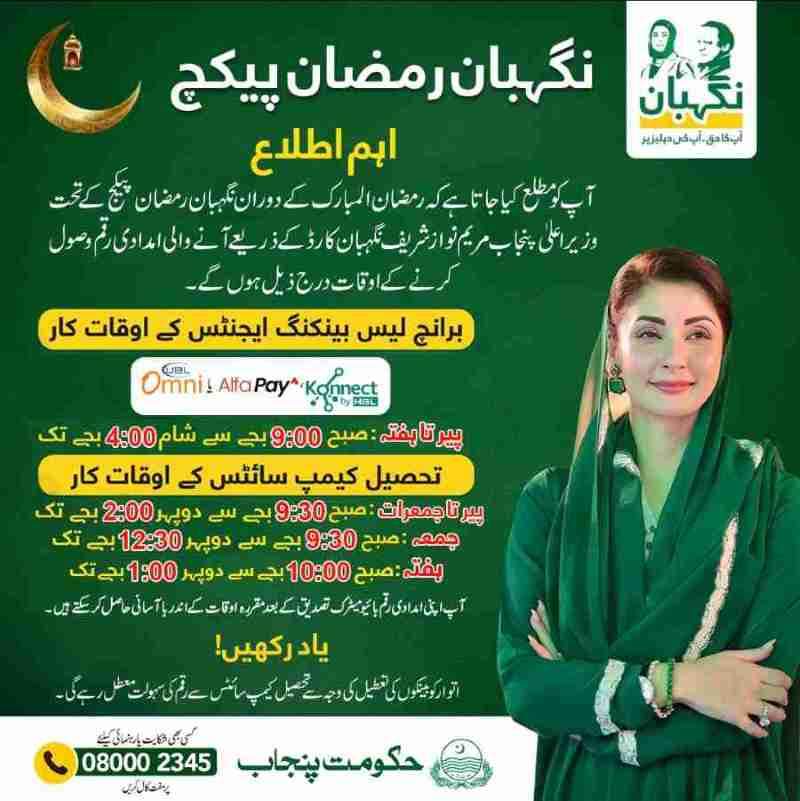
The Ramzan Nigehban Package is a special help program by the Punjab government (led by Chief Minister Maryam Nawaz Sharif) for poor and deserving families during Ramadan. Under this, eligible families get Rs. 10,000 cash to help with extra expenses like food for Sehri and Iftar.
Many families receive a Nigehban Card (like an ATM card). You can use this card to get the money easily.
How to Get the Rs. 10,000 Cash (Branchless Banking / Agents)
You can collect the money from these places:
- Bank of Punjab (BoP) branchless banking agents.
- HBL Konnect
- UBL Omni
- AlfaPay
- Any ATM connected to the 1LINK network (like Bank of Punjab ATMs or others).
If you have the card:
- Go to an agent or ATM.
- Insert the card (or show CNIC for biometric/thumb verification if no card).
- Enter PIN (if card).
- Withdraw the Rs. 10,000.
Important timings from the poster (branchless banking / agent timings to receive money):
- Monday to Thursday (Pir ta Jummay tak) — From 9:00 AM to 4:00 PM (صبح 9 بجے سے شام 4 بجے تک).
- Friday (Jumma) — From 9:30 AM to 12:30 PM (صبح 9:30 بجے سے دوپہر 12:30 بجے تک).
- Saturday (Hafta) — From 10:00 AM to 1:00 PM (صبح 10 بجے سے دوپہر 1 بجے تک).
These are the special hours for branchless banking agents (like Omni, AlfaPay, Konnect by HBL) to help you get the money without going to a regular bank branch.
Note: These timings are for collecting cash through agents or branchless points. ATMs (if your card is activated) can often be used anytime (24/7), but agents follow these hours. Cards are delivered home or activated at special centers.
If you face any problem, call the helpline: 08000-2345 (free call). They will guide you.
PSER Survey Registration Online | PSER Check Eligibility
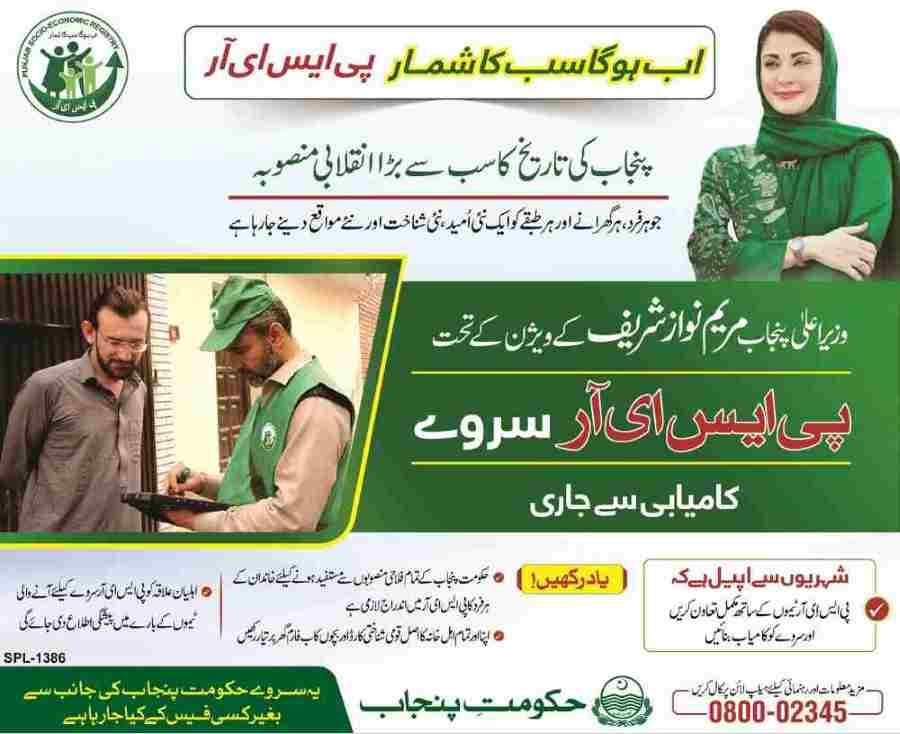
The Punjab Socio-Economic Registry (PSER) is the Punjab government’s flagship digital database initiative led by Chief Minister Maryam Nawaz Sharif. It creates a verified, province-wide household record to ensure transparent and targeted delivery of welfare programs — including the Sehat Card, education stipends, subsidies, and the special Maryam Nawaz Ramzan Nigehban Package 2026 (Rs. 10,000 cash assistance + Nigehban Card for ~4.2 million low-income families).
The attached official poster (SPL-1386) clearly shows:
- Door-to-door enumerators (in green caps & vests) conducting the survey.
- The “Punjab Socio-Economic Registry” logo.
- CM Maryam Nawaz Sharif’s message.
- Helpline 0800-02345.
- Emphasis on “everyone will be counted” for fair welfare distribution.
Who Can Register?
- All permanent residents of Punjab (no income limit for the survey itself).
- Every family member’s data is needed (adults + children).
- Registration is completely free.
3 Easy Ways to Register for PSER Survey
- Online Registration (Recommended – Fastest Self-Service) Visit the official portal: https://pser.punjab.gov.pk/
- Click “Register Now” / “New Registration”.
- Enter your 13-digit CNIC, mobile number (registered on your CNIC), name, district, and tehsil.
- Fill the socio-economic form: family details, monthly income, employment, utility bills, housing (owned/rented), assets, etc.
- Submit. You will receive a confirmation SMS. You can also update or check your existing record on the same portal after login.
- Door-to-Door Survey (Ongoing) Official enumerators visit homes with tablets and government ID cards. Keep ready:
- CNICs of all adults
- B-Forms / birth certificates of children
- Recent electricity/gas bills Cooperate fully — the survey is mandatory for future benefits.
- Registration Centers Over 5,000 centers (Union Councils, Tehsil offices, etc.) are open across Punjab. Walk in with documents.
Maryam Nawaz Ramzan Package Vs KPK Ramzan Package: Eligibility Criteria (Who Qualifies?)
Eligibility criteria form the backbone of any welfare program, determining who gets assistance and who is left out. Here is a detailed comparison of who qualifies for each package.
Who is eligible for the Maryam Nawaz Nigehban Program in Punjab?
Eligibility for the Punjab package is determined through a combination of residency, income, asset ownership, and database registration. The key requirements are:
Residency:
- The applicant must be a permanent resident of Punjab. Proof of residence may be required during verification.
Income Threshold:
- The household’s monthly income must be below Rs60,000. This is a clearly defined cutoff used to filter out middle-income and affluent families.
Database Status:
- The family must be registered in either the Punjab Socio-Economic Registry (PSER) or the Benazir Income Support Programme (BISP) database.
- A low Poverty Means Test (PMT) score is required, typically below approximately 30–32. This score is calculated based on household assets, education levels, and living conditions.
Asset-Based Exclusion:
- The head of the household should not own a registered car (motorcycles are allowed, as they are considered essential for daily wage workers).
- No large commercial property should be registered in the name of the head of household.
- No family members living abroad, as this indicates potential access to remittances.
Demographic Priority:
- Preference is given to:
- Widows
- Persons with disabilities
- Daily-wage labourers
- Families already registered with BISP
Special Category:
- Workers registered with the Punjab Employees Social Security Institution (PESSI) are also eligible, even if they do not hold the Rashan Card.
Who is eligible for the KPK Ramzan Support Package?
The KPK package eligibility is defined by residency, vulnerability status, and exclusion of government employees, with selection primarily based on existing databases.
Residency:
- The applicant must be a resident of Khyber Pakhtunkhwa. Local Union Councils and social welfare departments verify residency.
Demographic Priority:
- The package targets specific vulnerable groups:
- Widows
- Orphans
- Persons with disabilities
- Transgender persons
- Victims of natural disasters and terrorism
Database Inclusion:
- Families must already be listed in existing welfare databases, such as:
- The provincial Zakat system
- BISP beneficiary lists
- Other social protection lists maintained by the government
Employment-Based Exclusion:
- Government and semi-government employees are strictly ineligible. This includes all individuals on the provincial or federal government payroll.
Which package offers more benefits based on eligibility: Punjab or KPK?
To make this comparison clear, here is a side-by-side matrix of the eligibility criteria:
| Eligibility Aspect | Punjab (Maryam Nawaz Nigehban Package) | KPK (Ramzan Support Package) |
|---|---|---|
| Residency | Permanent resident of Punjab | Resident of Khyber Pakhtunkhwa |
| Income Limit | Monthly household income below Rs60,000 | Not explicitly defined; relies on database poverty scores |
| Database | PSER or BISP registration required | Zakat system, BISP, or social protection lists |
| Asset Check | No registered car, no large commercial property, no family abroad | Not explicitly mentioned |
| Priority Groups | Widows, disabled, daily-wage labourers, BISP families | Widows, orphans, disabled, transgender, disaster victims |
| Exclusions | Above-income threshold, asset owners, government employees | Government and semi-government employees |
| Coverage Target | 4.2 million families | 1.034 million families |
Analysis:
Punjab offers a broader, more transparent eligibility framework with a defined income cutoff and an accessible application process (PSER registration). The asset-based exclusions are clearly communicated. KPK’s approach is more targeted toward specific vulnerable demographics but relies heavily on the government’s internal databases, leaving less room for self-application.
Can I receive both the Punjab and KPK Ramzan packages?
No, you cannot receive both packages. These are mutually exclusive provincial programs. You are only eligible for the package in the province where you are a permanent resident. Attempting to apply for both would constitute fraud, and the computerized databases would likely flag duplicate CNIC usage across provinces.
Is the Maryam Nawaz Ramzan Package only for BISP beneficiaries?
No, it is not exclusively for BISP beneficiaries. While BISP-registered families are given priority due to their existing verification and poverty scores, the primary database for the program is the Punjab Socio-Economic Registry (PSER) . Families not in BISP can still qualify if they register on the PSER portal and meet the income and asset criteria. The government encourages all low-income families to update their information on the PSER platform.
How to Apply: Maryam Nawaz Ramzan Package Vs KPK Ramzan Package Registration
The application and registration process is where these two packages diverge most significantly. Punjab offers open access, while KPK follows a selection-based model.
How can I check my eligibility for the Punjab Nigehban Card?
Punjab has made eligibility checking incredibly simple through multiple channels, ensuring maximum accessibility.
Method 1: SMS Service (Fastest Method)
What is the SMS code for the Maryam Nawaz Ramzan Relief Program? The official code is 8070.
Here is exactly how it works:
- Open your mobile messaging app.
- Enter your 13-digit CNIC number without any dashes.
- Send it to 8070.
- Within seconds, you will receive a reply with one of three responses:
- “Eligible”: Congratulations, you are registered and will receive your Nigehban Card or further instructions.
- “Under Verification”: Your details are being checked; you may need to update your PSER information.
- “Not Eligible”: You do not meet the criteria based on current data.
Method 2: Online PSER Portal
How do I apply for the PSER portal in Punjab? If your record is missing or you want to ensure your data is correct:
- Visit the official Punjab Socio-Economic Registry (PSER) portal.
- Create an account using your CNIC.
- Complete the household survey form with accurate details.
- Upload a scanned copy of your CNIC and a recent utility bill.
- Submit the application for verification.
- Once approved, your household is automatically added to the eligible list.
Method 3: In-Person
- Visit your local Union Council office.
- Go to any of the 4,000+ designated registration centres across Punjab.
- Officials there can assist you in checking your status or completing PSER registration.
How do I register for the KPK 10,000 (12,500) Ramzan Package?
This is a critical distinction: There is no open SMS code or online portal for new applications in KPK for 2026. The KPK government has not activated a public registration system like Punjab’s 8070 service.
How does the selection work?
Families are identified and selected by the provincial government through:
- Existing welfare databases (Zakat system, BISP lists).
- Recommendations and lists prepared by local administrations, including Union Councils and district social welfare departments.
- Reports indicate that lists of beneficiaries are being prepared with input from elected members and office-bearers, which has drawn criticism from opposition parties alleging political favoritism.
What if I haven’t received it but think I qualify?
If you believe you are eligible but have not received any payment or notification:
- Contact your local Union Council office immediately.
- Visit the District Social Welfare Department.
- Reach out to the local Zakat Committee.
- Inquire about your status and request inclusion if your name is missing from the lists. However, note that inclusion is not guaranteed due to the closed nature of the selection process.
What is the 8070 SMS service used for in Punjab?
The 8070 SMS service is the primary, fastest, and most user-friendly method for Punjab residents to check their eligibility and registration status for the Maryam Nawaz Ramzan Package. It eliminates the need for physical visits, long queues, and paperwork. The system is designed for instant feedback, allowing citizens to know their status within moments from the comfort of their homes.
How do I check my status on the Punjab Socio-Economic Registry (PSER)?
To check or update your status on PSER:
- Go to the official PSER website.
- Click on the “Check Eligibility” or “Login” section.
- Enter your CNIC number and the captcha code.
- Your dashboard will show your current registration status, household details, and whether you have been flagged as eligible for the Ramzan package.
- If details are incorrect, you can usually update them through the portal, though updates may require reverification.
How do I verify my CNIC for the KPK Ramadan Relief Fund?
There is no self-service CNIC verification via SMS or web portal for the KPK package. Verification is an internal government process. Your CNIC is checked against the databases of BISP, the Zakat system, and other social protection registries by the authorities. If your name is on the final list, you will be contacted or can receive payment upon presenting your CNIC at designated disbursement centers. For verification, you must visit local government offices.
Is there a registration form for the Maryam Nawaz package available online?
The registration is primarily digital via the PSER portal. There is no physical PDF form to download and submit manually unless you visit a Union Council office that provides a paper-based alternative for data entry. The government strongly encourages online registration to speed up processing and reduce errors.
Distribution and Payment Method: Nigehban Card Vs Digital Transfer
Understanding how you will receive the money is just as important as knowing you are eligible. Here is a comparison of the disbursement mechanisms.
How is the cash distributed in the Maryam Nawaz Ramzan Package?
The cash is distributed through the Nigehban Card, a physical debit card delivered to eligible beneficiaries.
How do I use the Maryam Nawaz Nigehban Card at ATMs?
- The card is delivered pre-activated, so no separate activation step is required at a bank branch.
- Take the card to any ATM, preferably a Bank of Punjab ATM for seamless service.
- Insert the card and enter your PIN. The default PIN is typically the last digits of your CNIC, but you should verify this in the accompanying documentation.
- Withdraw the full Rs10,000 or any portion you need. The card can be used multiple times until the balance is exhausted.
Can I use it at any ATM?
Yes, the card is compatible with over 9,200 ATMs across Pakistan, including those of all major banks. However, using Bank of Punjab ATMs ensures there are no interoperability issues or unexpected fees.
Alternative Withdrawal Points:
- Branchless banking agents (like HBL Konnect, UBL Omni, and Alfa Pay) are also authorized to disburse cash against the card.
- Designated outlets and activation points across the province facilitate card usage for those uncomfortable with ATMs.
How is the cash distributed in the KPK Ramzan program?
The KPK program initially faced significant criticism for requiring beneficiaries to have a bank account, a condition that was unrealistic for many rural and underprivileged families.
Important Update: KPK Removed Bank Account Requirement
Following widespread criticism from citizens, social activists, and local representatives, the KPK government officially removed the mandatory bank account requirement. A formal notification was issued to this effect. The new procedure is:
- Beneficiaries can now register and receive aid based solely on their CNIC and mobile phone number.
- This change was made because access to banking facilities was impossibly difficult for poor families in remote and backward areas, and the majority living in villages neither have bank accounts nor are familiar with complex banking procedures.
- Officials claim this new procedure will increase transparency, expand access, and ensure timely distribution of funds.
Where can I collect the cash?
With the bank account requirement removed, cash is distributed through:
- Designated disbursement centers set up by the government across districts.
- Mobile wallets linked to the beneficiary’s CNIC and mobile number.
- Bank of Khyber branches for those who do have accounts, after biometric verification.
- Biometric verification (fingerprint scanning) is typically required at the point of collection to confirm identity.
What is the six-digit PIN code for PESSI workers in Punjab?
For the over 1.2 million workers registered with PESSI, the process is slightly different:
- They receive a six-digit PIN code via SMS on their registered mobile number.
- They must take this PIN along with their original CNIC to any HBL Konnect, UBL Omni, or Alfa Pay agent located near their homes or industrial units.
- After providing the secret PIN and completing biometric verification, the worker receives the full Rs10,000 immediately, without any deductions.
Does the KPK Ramzan Package include a discount on electricity bills?
No, the KPK Ramzan Package is strictly a cash grant program. It does not include any additional benefits such as discounts on electricity bills, free flour, or subsidized ration. The entire focus is on the one-time cash transfer of Rs12,500.
Timeline, Coverage, and Current Status
Knowing the current distribution status helps set realistic expectations and identifies potential issues.
When is the deadline to register for the Punjab Ramzan Package?
While the 8070 SMS service remains active throughout Ramadan for checking status, families should have ideally updated their PSER data well before Ramadan began to ensure timely inclusion. Registration on the PSER portal is a continuous process, but for this specific Ramadan package, data was likely frozen once distribution commenced. However, if you are not eligible now, updating your PSER record may make you eligible for future government assistance programs.
What is the current status of the KPK Ramzan Package distribution?
The KPK package has faced significant administrative delays.
- Despite half of the holy month of Ramadan having passed, the KPK government had still failed to start the distribution of its relief package to many families.
- The provincial cabinet approved the program on February 11, 2026, and the finance department released funds, but payments did not reach eligible recipients promptly.
- Criticism has come from opposition parties and even within government circles. Punjab Information Minister Azma Bokhari stated that “senior officials of the KP government appear unaware of the status of the relief program.”
- Officials like Muzzammil Aslam attributed the delay to “slow administrative data entry processes” rather than a lack of funds.
Is the KPK package facing criticism?
Yes, the KPK package has been criticized on multiple fronts:
- Delayed Distribution: The primary criticism is that money has not reached people despite Ramadan being halfway over.
- Political Allegations: Opposition parties, including the PML-N, have accused the PTI-led KPK government of distributing the Rs10 billion package among party workers based on lists from party members rather than purely on merit. Azma Bokhari claimed the government is “still in the process of obtaining lists from its Members of the National and Provincial Assemblies.”
- Lack of Transparency: The closed, selection-based model (without an open SMS code like Punjab’s 8070) has led to accusations of opaqueness.
- Initial Bank Account Requirement: The initial condition forcing beneficiaries to have a bank account was widely criticized as unrealistic before it was finally scrapped.
How many families have benefited so far in Punjab vs KPK?
Punjab:
- The Punjab government has already transferred financial assistance to over 3 million families under the Nigehban Ramadan Package.
- The government is on track to achieve its target of reaching 4.2 million deserving families in the coming days.
KPK:
- The target is to cover over 1.034 million families.
- However, as of mid-Ramadan, distribution had not fully commenced, with many families still waiting. The government had not met its distribution targets due to the aforementioned delays.
Troubleshooting and Common Problems
Here are solutions to the most common issues people face with these packages.
How do I complain if I don’t receive my Punjab Ramzan relief?
If you believe you are eligible but have not received your Nigehban Card or cash:
- Call the official helpline: 0800-02345.
- Use the “Maryam Ko Batayein” service, a dedicated feedback and complaint portal.
- Visit the nearest Bank of Punjab branch with your CNIC.
- Go to your local Union Council office or the 160 special centres established in every tehsil for assistance.
Why am I getting “Not Eligible” on 8070?
Receiving a “Not Eligible” response can be frustrating. Common reasons include:
- Not Registered in PSER: Your family data is not in the Punjab Socio-Economic Registry. You must register on the PSER portal.
- High PMT Score: Your Poverty Means Test score, calculated from your household data, is above the threshold (usually above 30-32), indicating a relatively better financial status.
- Disqualifying Assets: You own a registered car, large commercial property, or have family members living abroad, which are automatic disqualifiers.
- Income Above Threshold: Your declared or recorded monthly household income exceeds Rs60,000.
- Incorrect Data: There might be an error in your CNIC or household data in the system.
What if I lose my Nigehban Card?
If your Nigehban Card is lost or stolen:
- Immediately contact the Bank of Punjab helpline or visit the nearest branch to block the card.
- You will need to provide your CNIC and possibly file a police report (though this depends on the bank’s policy).
- Apply for a duplicate card. The procedure and timeline for reissuance will be provided by the bank or the program helpline (0800-02345).
My biometric verification is failing in KPK. What do I do?
Biometric verification failures can occur due to worn-out fingerprints or technical issues.
- Contact the local assistant commissioner’s office immediately.
- Visit the District Social Welfare Department.
- Explain the situation. There is usually an alternate verification method, such as manual verification by a government official or a grace period to try again later. Do not leave without asking for a solution.
Are there any scams I should be aware of?
Yes, unfortunately, scams proliferate during relief programs. The government never asks for money, OTP (One-Time Password), or bank details for these schemes.
- No Fees: Registration and eligibility checks are completely free. If anyone asks for money to process your application, it is a scam.
- No OTP Sharing: No government official will ever call you and ask for the OTP sent to your phone. Keep this confidential.
- Fake Websites: Beware of fake websites mimicking the PSER portal or asking for personal banking information. Always use the official URL: https://pser.punjab.gov.pk/ for Punjab.
- Agent Fraud: Do not pay any agent who promises to get you registered or eligible. The entire process is handled through official channels only.
Frequently Asked Questions
What is the amount given in the Maryam Nawaz Ramzan Package?
The Maryam Nawaz Ramzan Package provides a cash grant of Rs10,000 per eligible family. Additionally, families receive a Nigehban Card that can be used to purchase subsidized groceries at utility stores.
How much cash does the KPK Ramzan Package provide?
The KPK Ramzan Support Package offers a one-time cash grant of Rs12,500 per eligible family. This is a pure cash transfer with no additional ration or subsidy components.
What is the SMS code for Maryam Nawaz package?
The official SMS code for the Maryam Nawaz Ramzan Package is 8070. You must send your 13-digit CNIC number (without dashes) to this number to check your eligibility.
What is the 9999 SMS code used for?
The 9999 SMS code is used for the Prime Minister’s Ramzan Relief Package, which is a federal program, not the provincial Punjab package. Do not confuse it with Maryam Nawaz’s 8070 service.
Is the Nigehban Card a permanent program?
No, the Nigehban Card is specifically for the Ramadan relief initiative. However, the card mechanism and the digital infrastructure built for it may be utilized for future government assistance programs, making it a potentially reusable platform for welfare distribution.
What essential items are subsidized in Punjab’s Ramzan bazaars?
Punjab’s Ramzan bazaars and Sahulat markets offer subsidized rates on essential kitchen items including flour (atta), sugar, ghee, cooking oil, pulses (daal), and rice.
Does the KPK government provide free flour (Atta)?
No, the KPK government’s Ramzan package is cash-only and does not include free flour or any other ration items.
How do I apply for the PM Ramzan Package?
To apply for the federal Prime Minister’s Ramzan Relief Package, you must send your CNIC number to 9999. You can also visit the official portal at http://pmrrp.nitb.gov.pk/ for more information and registration.
What is the PM’s Ramadan Relief Package amount?
The federal Prime Minister’s Ramadan Relief Package provides Rs13,000 per family.
Who is heading the KPK government during this package?
The KPK government is led by the Pakistan Tehreek-e-Insaf (PTI) , with Sohail Afridi serving as the Chief Minister during the launch and implementation of this package.
What is the Maryam Nawaz 10000 Scheme check online 9999?
This search query reflects common confusion. 9999 is for the federal PM package, not Maryam Nawaz’s package. For Maryam Nawaz’s Rs10,000 scheme, the correct code is 8070, and online checks are done via the PSER portal, not the 9999 portal.
Conclusion and Final Verdict: Which Package is Better for the Common Man?
Summary of Differences: Punjab vs KPK
| Feature | Punjab (Maryam Nawaz Nigehban Package) | KPK (Ramzan Support Package) |
|---|---|---|
| Cash Amount | Rs10,000 | Rs12,500 |
| Additional Benefits | Nigehban Card for subsidized ration, Sahulat markets, free Iftar at Dastarkhwans | Cash only |
| Application Method | Open: SMS to 8070, PSER online portal, Union Councils | Selection-based: local govt databases and Union Council lists |
| Eligibility Access | Highly accessible with clear income (Rs60k) and asset criteria | Targeted at vulnerable groups in existing databases |
| Transparency | High: Public SMS verification, door-to-door card delivery | Moderate: Opaque selection process, facing criticism for delays |
| Distribution Status | Over 3 million families already benefited | Delayed; funds not fully distributed by mid-Ramadan |
| Best For | Families needing comprehensive food + cash support | Families who prefer pure cash liquidity |
Final Recommendations
For Punjab Residents:
- Act immediately: Send your CNIC to 8070 right now to check your status.
- If not registered: Visit the PSER portal today and complete your registration. Do not wait, as future installments or programs may rely on this data.
- Utilize full benefits: Once you receive your Nigehban Card, use it not just for cash withdrawal but also for subsidized groceries at utility stores to maximize the relief.
For KPK Residents:
- Visit your local Union Council immediately: Do not wait for an SMS. Go in person and confirm whether your name is on the beneficiary list.
- Ensure CNIC and mobile number are updated: With the bank account requirement removed, your CNIC and mobile number are your only keys to receiving aid. Make sure they are correctly registered with NADRA and local authorities.
- Follow up regularly: Given the administrative delays, persistent follow-up with the district social welfare department may be necessary.
Key Takeaway
Both governments have allocated historic budgets to support their populations during Ramadan—Rs47 billion for Punjab and Rs13.2 billion for KPK. The Maryam Nawaz Ramzan Package stands out for its accessibility, multi-faceted relief approach, and efficient digital delivery, making it a model for welfare distribution. The KPK Ramzan Package, while offering a higher cash amount, has faced implementation challenges and transparency issues that have hindered its timely delivery. Use this guide to navigate both systems, verify your eligibility through the correct channels, and secure the aid you are entitled to this Ramadan.
Frequently Asked Questions
How can I check my CNIC is registered in the PSER system?
You can check your PSER registration status by visiting the official PSER portal at https://pser.punjab.gov.pk/ and entering your CNIC number. The system will display your current registration status and household details.
What documents are needed for Maryam Nawaz Ramzan Package registration?
You need your valid Computerized National Identity Card (CNIC), proof of residence (such as a utility bill), and accurate details of all family members, including their CNICs if available.
Is there an age limit for the head of family applying for these packages?
Generally, the head of family must be an adult with a valid CNIC. There is no specific upper age limit, but the applicant must be capable of receiving and using the Nigehban Card or collecting cash.
Can I apply for the KPK package if I am already receiving BISP?
Yes, being a BISP beneficiary often increases your chances of inclusion in the KPK package, as the government uses BISP databases to identify eligible low-income families.
What is the role of the Union Council in the KPK Ramzan Package?
Union Councils in KPK play a crucial role in verifying residency, compiling lists of deserving families based on local knowledge, and acting as a point of contact for citizens inquiring about their eligibility and payment status.
How do I know if my application for the Punjab package is approved?
If you are approved, you will receive an SMS confirmation on the mobile number linked to your CNIC. Additionally, the Nigehban Card will be delivered to your door-to-door address.
What should I do if I receive a message saying “Under Verification” on 8070?
An “Under Verification” status means your details are being cross-checked with the PSER and other databases. Ensure your PSER record is complete and accurate. You may visit the nearest facilitation centre for assistance if the status does not change after several days.

Add a Comment