
The CM Punjab Disease Prevention Program represents a fundamental reorientation of how healthcare is delivered in Pakistan’s most populous province. Instead of waiting for citizens to become severely ill and seek treatment at overcrowded tertiary care hospitals, the program proactively reaches into communities to prevent disease onset, detect conditions early, and manage chronic illnesses at the household level.
What you will learn from this guide:
- The four core diseases targeted by the program and their prevention strategies
- How the Punjab Healthcare Commission enforces SOPs and eliminates quackery
- The role of 60,000+ community health workers in doorstep disease prevention
- Free medicine delivery, screening camps, and digital health profiling explained
- Eligibility criteria, budget allocation, and future expansion plans
Key Takeaways
- Prevention-First Model: The program shifts Punjab’s healthcare focus from reactive treatment to proactive disease prevention, reducing burden on tertiary hospitals.
- Four-Disease Strategy: Diabetes, tuberculosis, HIV/AIDS, and hepatitis are the primary targets with specialized prevention and treatment protocols.
- Regulatory Enforcement: The Punjab Healthcare Commission has sealed over 69,000 illegal treatment centres and forced 30,600+ quacks to abandon practice.
- Community Health Army: Over 60,000 Lady Health Workers and Community Health Inspectors deliver doorstep diagnostics, medicines, and health education.
- Technology Integration: Digital health profiling of every household enables real-time disease surveillance and early outbreak detection.
- Read More: CM Punjab Scholarship For Balochistan Students | Apply Online
- Read More: School Timing Notification Today Punjab (4 Days/Week)
- Read More: CM Punjab E-Bike Scheme For Teachers (Subsidy+Easy Installments)
- Read More: Maryam Nawaz Sohna Punjab Scheme (51 Cities & 7,500 Villages List)
CM Punjab Disease Prevention Program (Key Aspects & Focus Areas)
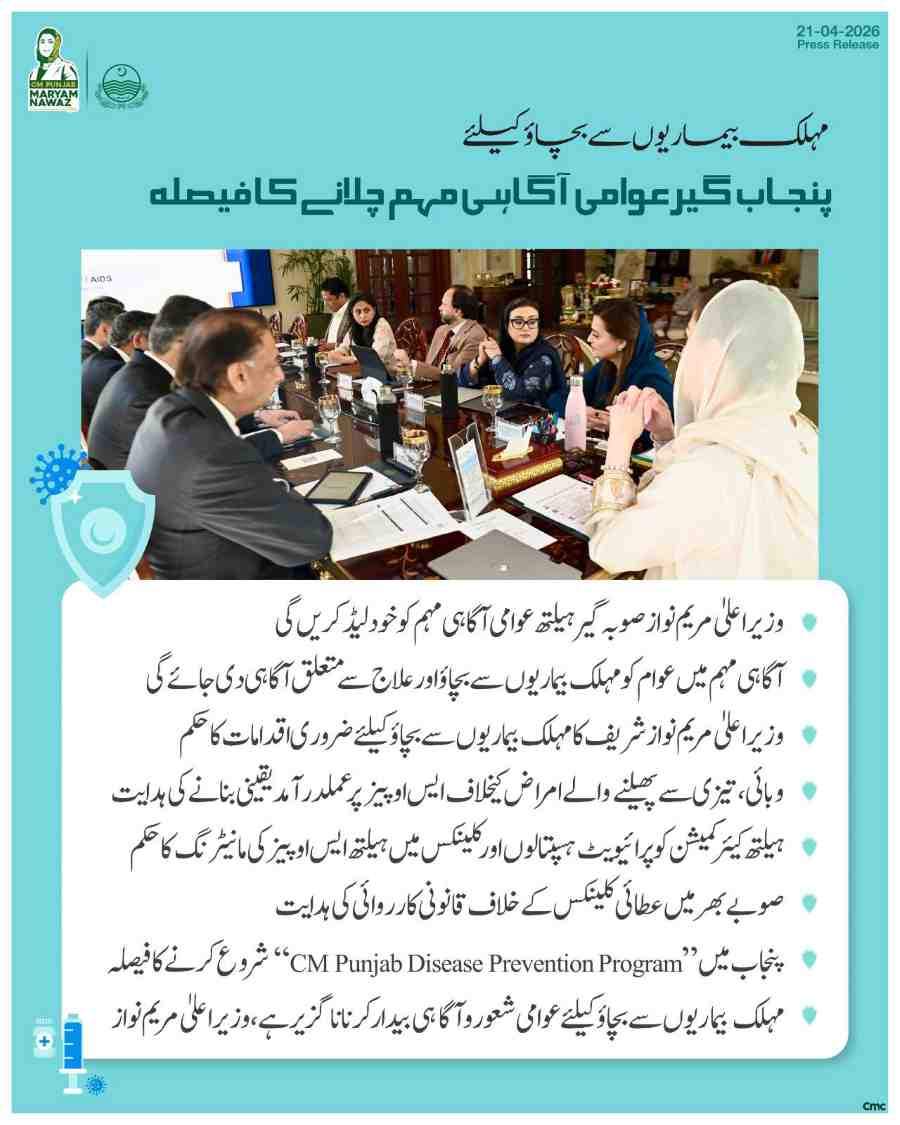
Table Of Contents
Overview and Genesis of the CM Punjab Disease Prevention Program
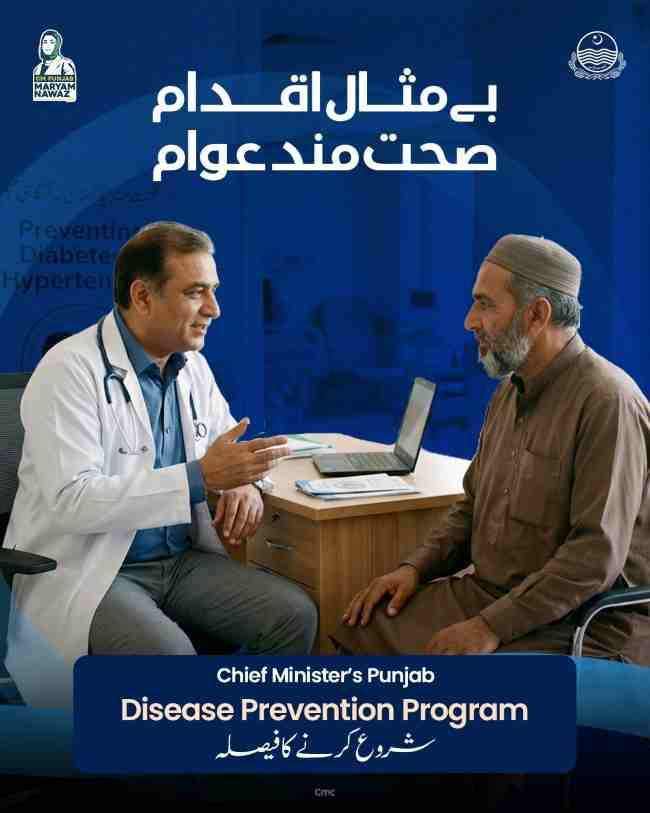
What is the primary objective of the CM Punjab Disease Prevention Program?
The primary objective is to curb the spread of major life-threatening and infectious diseases across Punjab by shifting the healthcare focus from reactive treatment to proactive prevention, early detection, and public awareness.
The CM Punjab Disease Prevention Program represents a fundamental reorientation of how healthcare is delivered in Pakistan’s most populous province. Instead of waiting for citizens to become severely ill and seek treatment at overcrowded tertiary care hospitals, the program proactively reaches into communities to prevent disease onset, detect conditions early, and manage chronic illnesses at the household level. This strategic shift from a treatment-centric to a prevention-centric model is designed to reduce mortality, lower healthcare costs, and improve overall population health outcomes.
Key features of the program’s objective framework:
- Early detection through community-based screening camps and household visits
- Public awareness campaigns personally led by the Chief Minister
- Strict enforcement of Standard Operating Procedures (SOPs) in all healthcare facilities
- Elimination of quackery through legal crackdowns and regulatory enforcement
- Integration of digital health technologies for real-time disease surveillance
Who is the main architect behind the Punjab Disease Prevention Program?
Punjab Chief Minister Maryam Nawaz Sharif is the main architect, having granted in-principle approval for the program in April 2026.
The Chief Minister has taken direct ownership of this initiative, personally chairing the special meeting where the program was approved and committing to lead the province-wide awareness campaign herself. Her vision emphasizes that creating public awareness about prevention of fatal and infectious diseases is essential for improving health outcomes. She has also stressed that patients must be provided not only treatment but also hope and support for recovery.
Leadership roles in program formulation:
- Secretary Health and Population Nadia Saqib provided the detailed briefing on the proposed initiative
- The Punjab Healthcare Commission is tasked with monitoring SOP compliance in private hospitals and clinics
- District administrations coordinate with health authorities for grassroots implementation
- Community Health Inspectors and Lady Health Workers deliver frontline services
When was the CM Punjab Disease Prevention Program approved and launched?
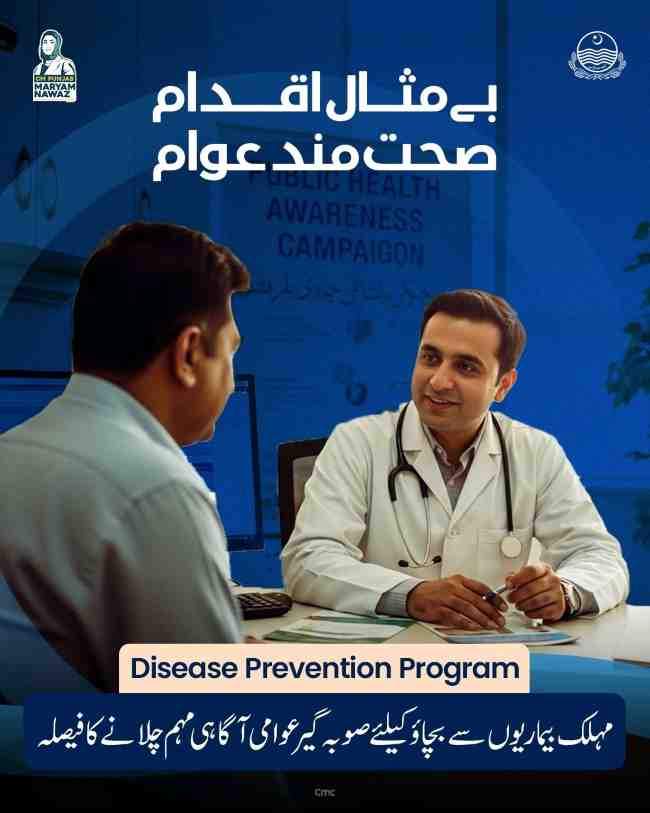
The program received in-principle approval from Chief Minister Maryam Nawaz Sharif in April 2026 during a special meeting chaired by the Chief Minister.
The approval was announced across multiple national news outlets on April 21-22, 2026, signaling the government’s commitment to rapid implementation. The decision was taken after a detailed briefing by the Secretary Health and Population, and immediate directives were issued to relevant authorities to begin operationalization.
Implementation timeline:
- In-principle approval granted in April 2026
- Comprehensive awareness drive to be rolled out immediately across Punjab
- SOP enforcement directives issued to all public hospitals
- Punjab Healthcare Commission instructed to intensify monitoring of private facilities
- Anti-quackery operations already underway and being further strengthened
Why was the CM Punjab Disease Prevention Program considered necessary?
The program was deemed necessary due to the high and rising burden of preventable diseases like diabetes, tuberculosis, HIV/AIDS, and hepatitis in Punjab, which placed immense strain on healthcare resources and caused significant mortality.
Pakistan faces one of the highest burdens of hepatitis C globally, with Punjab bearing a disproportionate share of this epidemic. Diabetes prevalence has reached alarming levels due to lifestyle changes, obesity, and lack of awareness. Tuberculosis remains a major public health challenge, while HIV/AIDS continues to spread among high-risk populations. The existing healthcare infrastructure, focused primarily on curative services, was ill-equipped to handle this growing prevention deficit.
Factors driving the program’s necessity:
- High out-of-pocket medical expenses pushing families into poverty
- Overwhelmed tertiary care hospitals with preventable advanced-stage cases
- Proliferation of quack clinics providing unsafe and ineffective treatments
- Lack of public awareness about early symptom recognition
- Gaps in infection control and SOP compliance across healthcare facilities
How does the CM Punjab Disease Prevention Program align with national health policies?
The program aligns with and complements national disease control initiatives such as the Prime Minister’s Hepatitis C Elimination Programme and national TB and HIV/AIDS control strategies.
The provincial initiative operates within the broader framework of Pakistan’s national health vision, supporting federal efforts to eliminate hepatitis, control TB, and prevent HIV/AIDS. By strengthening primary healthcare infrastructure and community-based prevention, the program creates a strong foundation for achieving national health targets. The integration of digital health technologies and community health workers also aligns with international best practices recommended by global health organizations.
Alignment mechanisms:
- Collaboration with federal disease control programs for technical support
- Adoption of WHO-recommended prevention and treatment protocols
- Contribution to Universal Health Coverage (UHC) goals
- Data sharing and coordination between provincial and federal health departments
Read More: Virtual Women Police Station (VWPS) – Launch FIR, & Report Harassment Online
The Four Core Diseases – Prevention and Control Strategies
Which specific diseases are targeted under this initiative?
The initiative specifically targets four major diseases: diabetes mellitus, tuberculosis (TB), HIV/AIDS, and hepatitis.
These four diseases were selected based on their high disease burden, preventability, and potential for significant health impact through early intervention. Diabetes represents the leading non-communicable disease challenge, while TB, HIV/AIDS, and hepatitis are major infectious disease threats. Together, these conditions account for a substantial proportion of morbidity, mortality, and healthcare expenditure in Punjab.
Disease selection rationale:
- Diabetes: Rapidly rising prevalence due to lifestyle factors, requiring lifestyle modification interventions
- Tuberculosis: Highly infectious airborne disease requiring active case finding and treatment adherence
- HIV/AIDS: Stigmatized condition requiring targeted prevention and counseling services
- Hepatitis: Silent epidemic transmitted through unsafe medical practices, preventable through safe injection protocols
What are the key prevention strategies for Diabetes under the CM Punjab Disease Prevention Program?
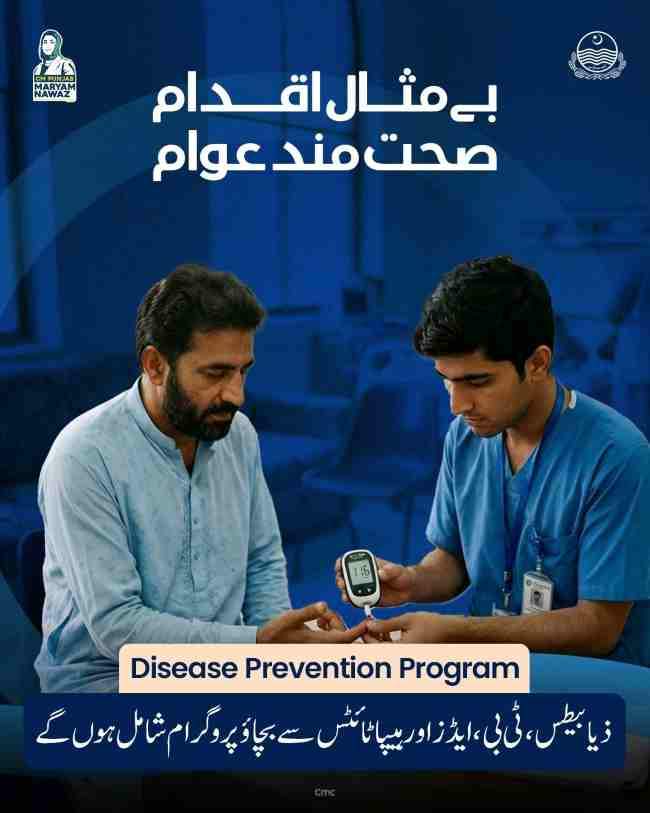
Key prevention strategies include province-wide screening camps, early detection through community health workers, public awareness campaigns about lifestyle modifications, and doorstep delivery of free medicines including insulin for Type-1 diabetic children.
The program recognizes that diabetes prevention requires a multi-pronged approach addressing both behavioral and clinical factors. Community Health Inspectors conduct blood sugar testing during household visits, identifying prediabetic individuals before they develop full-blown diabetes. Public awareness campaigns educate citizens about diet, exercise, and weight management. For those already diagnosed, doorstep medicine delivery ensures consistent treatment adherence.
Diabetes prevention components:
- Mass screening camps in urban and rural areas for early detection
- Doorstep delivery of free diabetes medicines across all districts
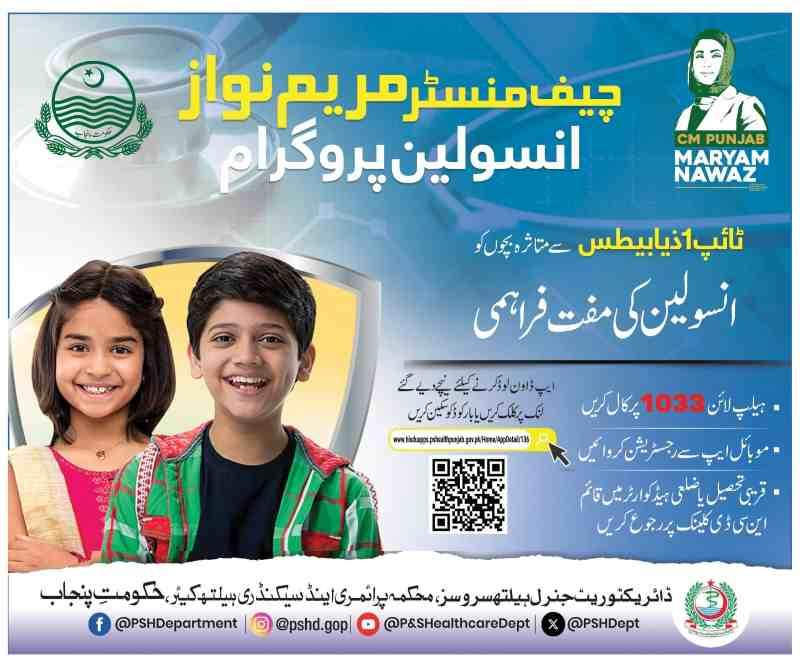
- CM Insulin for Diabetes initiative covering Type-1 diabetic children
- Lifestyle education through Lady Health Workers at household level
- Digital health profiling to track blood sugar trends over time
How does the program aim to control the spread of Hepatitis in Punjab?
The program aims to control Hepatitis through mass public awareness, promotion of safe injection practices, ensuring blood safety, and expanding screening and treatment facilities.
Hepatitis B and C are primarily transmitted through contaminated blood, unsafe injections, and from mother to child. The program addresses each transmission route through targeted interventions. Blood banks are strictly regulated to ensure all donated blood is screened for hepatitis markers. Healthcare facilities are required to follow safe injection protocols, eliminating reuse of syringes. Awareness campaigns educate the public about risks and encourage testing.
Hepatitis control measures:
- Safe blood transfusion protocols and blood bank regulation
- Injection safety campaigns targeting healthcare providers and the public
- Mass screening campaigns for early detection and treatment initiation
- Prevention of mother-to-child transmission through antenatal screening
- Free treatment for diagnosed hepatitis patients
What measures are being taken to combat Tuberculosis (TB) under this scheme?
Measures include household-level case detection by Lady Health Workers, doorstep delivery of TB medicines under the DOTS strategy, and strengthening TB control infrastructure across the province.
TB is a major public health challenge requiring active case finding and consistent treatment adherence. The program deploys Lady Health Workers to conduct household-level screening, identifying symptomatic individuals and referring them for diagnostic testing. Once diagnosed, patients receive doorstep delivery of TB medicines under the directly observed therapy, short-course (DOTS) strategy, ensuring treatment completion and preventing drug resistance.
TB control interventions:
- Active case finding through door-to-door household visits
- Doorstep delivery of TB medicines for treatment adherence
- Strengthening of diagnostic facilities at primary healthcare level
- Integration with provincial TB control program for coordinated action
- Public awareness to reduce stigma and encourage timely care-seeking
Is there a specific focus on HIV/AIDS prevention in this program?
Yes, the program includes HIV/AIDS prevention through awareness campaigns, safe practices education, and strengthening of existing AIDS control programs.
HIV/AIDS requires targeted prevention efforts due to its association with high-risk behaviors and significant stigma. The program supports the Punjab AIDS Control Program in delivering awareness campaigns, condom distribution, and harm reduction services. Prevention of mother-to-child transmission is a priority, with HIV testing integrated into antenatal care. Counseling and support services are provided to diagnosed individuals, ensuring confidentiality and reducing discrimination.
HIV/AIDS prevention strategies:
- Awareness campaigns on safe practices and prevention of transmission
- Targeted interventions for high-risk populations
- Prevention of mother-to-child transmission through antenatal screening
- Counseling and support services for HIV/AIDS patients
- Confidentiality protocols to protect patient privacy and reduce stigma
How does the program address the rising rates of Diabetes in the province?
The program addresses rising diabetes rates through mass screening, lifestyle education, free medicine delivery, and specialized initiatives like the CM Insulin for Diabetes program.
The rising prevalence of diabetes in Punjab is driven by urbanization, sedentary lifestyles, and dietary changes. The program’s comprehensive approach addresses both prevention and management. Early detection campaigns identify individuals with prediabetes, allowing for lifestyle interventions that can reverse the condition. For those already diagnosed, free medicines and insulin ensure that financial constraints do not lead to treatment discontinuation and complications.
Diabetes-specific initiatives:
- Community-based blood sugar screening by Community Health Inspectors
- Doorstep delivery of free diabetes medicines across Punjab
- CM Insulin for Diabetes: Free insulin for Type-1 diabetic children
- Public awareness on prediabetes and lifestyle modification
- Special focus on gestational diabetes screening in pregnant women
Key Components and Implementation Framework
What are the key Standard Operating Procedures (SOPs) for public hospitals?
Key SOPs include infection prevention and control protocols, waste management, medication management, patient admission and discharge procedures, emergency response protocols, and medical records management.
Standard Operating Procedures provide a structured framework for healthcare delivery, ensuring consistency, safety, and quality across all public hospitals. The program mandates strict implementation of these SOPs, particularly to prevent the spread of epidemic and rapidly spreading diseases. The Punjab Healthcare Commission is responsible for monitoring compliance and taking action against non-compliant facilities.
Critical SOP categories:
- Infection Prevention and Control: Sterilization, isolation protocols, hand hygiene
- Biomedical Waste Management: Safe disposal of infectious and hazardous waste
- Medication Management: Prescribing, dispensing, storage, and administration standards
- Patient Safety Systems: Incident reporting, fall prevention, medication error reduction
- Emergency Response: Triage protocols, disaster preparedness, rapid response teams
How does the Punjab Healthcare Commission enforce SOP compliance under this program?
The Punjab Healthcare Commission enforces compliance through regular inspections, identification of gaps in infection control and patient safety, legal notices for non-compliance, and strict enforcement of Minimum Service Delivery Standards (MSDs).
The PHC operates under the Punjab Healthcare Commission Act 2010, which grants it regulatory authority over all healthcare establishments in the province. The Commission conducts both scheduled and surprise inspections, assessing compliance with MSDs and SOPs. Gaps identified during inspections trigger enforcement actions ranging from legal notices to facility sealing. The Commission also coordinates with district administrations for effective enforcement.
Enforcement mechanisms:
- Regular inspections of public and private healthcare facilities
- Identification of compliance gaps in infection control and patient safety
- Legal notices and penalties for non-compliant facilities
- Coordination with district administrations and police for effective enforcement
- Public complaint mechanisms for reporting SOP violations
Is there a crackdown on medical quackery as part of this program?
Yes, a province-wide legal crackdown on quack clinics and unqualified medical practitioners has been ordered, with the Punjab Healthcare Commission intensifying anti-quackery operations and sealing thousands of illegal treatment centers.
Medical quackery poses a serious threat to public health, with unqualified practitioners providing unsafe treatments, incorrect diagnoses, and dangerous procedures. The program’s anti-quackery crackdown targets all forms of quackery, including unqualified general practitioners, illegal pharmacies, hakeems, homoeopathic clinics, and traditional bone-setters. The PHC has intensified enforcement operations, sealing illegal outlets and forcing quacks to abandon their practices.
Anti-quackery achievements:
- Over 69,000 illegal treatment centres sealed following 246,529 visits
- More than 30,600 quacks have either quit practice or abandoned illegal establishments
- Ongoing enforcement operations with district administration coordination
- Public awareness on identifying and reporting quackery
- Legal framework under Punjab Healthcare Commission Act 2010 and Drug Act 1976
How does the government monitor SOP compliance in private clinics?
The government, through the Punjab Healthcare Commission, conducts regular inspections, reviews implementation of SOPs and Minimum Service Delivery Standards, and takes legal action against non-compliant private healthcare facilities.
Private clinics and hospitals are required to register with the PHC and comply with the same MSDs and SOPs as public facilities. The Commission conducts periodic audits and surprise inspections to verify compliance. Gaps identified during inspections result in legal notices, fines, and in severe cases, suspension or revocation of licenses. The public can also report SOP violations through PHC helplines and online portals.
Private sector monitoring:
- Licensing and registration requirements for all private healthcare facilities
- Periodic audits and surprise inspections by PHC enforcement teams
- Public complaint mechanisms for reporting SOP violations
- Legal action against non-compliant facilities, including fines and license suspension
- Coordination with district health authorities for follow-up enforcement
What is the role of the Punjab Healthcare Commission in disease prevention?
The Punjab Healthcare Commission plays a crucial regulatory role by ensuring SOP compliance across all healthcare establishments, monitoring infection control protocols, and eliminating quackery to prevent disease spread.
The PHC serves as the primary regulatory body for healthcare quality and safety in Punjab. By enforcing MSDs and SOPs, the Commission prevents healthcare-associated infections, medication errors, and unsafe practices that contribute to disease transmission. The anti-quackery crackdown eliminates unqualified practitioners who may misdiagnose, delay proper treatment, or cause harm. The Commission also contributes to disease surveillance through data collection and reporting.
PHC’s prevention role:
- Regulatory oversight of healthcare quality and safety standards
- Infection control monitoring to prevent healthcare-associated infections
- Elimination of quackery to prevent misdiagnosis and harm
- Data collection and reporting for disease surveillance
- Coordination with health department for outbreak response
What are the “19 essential health services” mentioned in the program?
The 19 essential health services include vaccinations, health surveys, sanitation education, patient record tracking, basic diagnostic tests including blood sugar checks, and home-based healthcare services delivered through community health workers.
These 19 services represent a comprehensive package of preventive and basic curative services to be delivered at the community level. The services are designed to address the most common health concerns, promote healthy behaviors, and enable early detection of diseases. Community Health Inspectors and Lady Health Workers are trained to deliver these services during household visits.
Essential health services categories:
- Vaccinations for children and pregnant women under EPI
- Health surveys and household data collection
- Sanitation and hygiene education
- Patient record tracking and digital health profiling
- Basic diagnostic tests including blood sugar and blood pressure checks
- Doorstep medicine delivery for chronic conditions
- Health education on disease prevention and lifestyle modification
- Referral services for specialized care when needed
Community Health Workers and Frontline Delivery
What role do Lady Health Workers (LHWs) play in disease prevention?
Lady Health Workers are actively engaged in household-level disease detection, conducting basic diagnostic tests, educating communities about disease prevention, and facilitating doorstep delivery of medicines for TB, hepatitis, and other conditions.
Lady Health Workers serve as the frontline of the program’s community-based prevention efforts. They visit households regularly, conducting health assessments, identifying individuals with symptoms of target diseases, and referring them for diagnostic testing. They also deliver health education, promote healthy behaviors, and facilitate access to treatment services. Their trusted position within communities enables them to reach populations that might otherwise be missed.
LHW responsibilities:
- Household-level case detection for TB, hepatitis, diabetes, and HIV/AIDS
- Basic diagnostic tests including blood sugar checks
- Health education on disease prevention and hygiene
- Doorstep delivery of medicines for chronic conditions
- Referral facilitation for diagnostic testing and treatment
- Vaccination promotion and tracking
How is the Community Health Inspectors Programme connected to disease prevention?
The Community Health Inspectors Programme, which will recruit 20,000 additional health inspectors and integrate with Lady Health Workers, handles 19 essential healthcare tasks including digital health profiling, blood sugar testing, and door-to-door health education.
The Community Health Inspectors Programme is a massive expansion of the community health workforce, designed to complement the existing Lady Health Worker network. Over 55,000 Community Health Inspectors have been deployed, with recruitment ongoing. These inspectors are trained to conduct basic diagnostic tests, administer injections, and create digital health profiles for every household. This digital infrastructure enables early disease detection and continuous health monitoring.
Community Health Inspector functions:
- Digital health profiling of every household for complete medical records
- Basic diagnostic tests including blood sugar and blood pressure checks
- Administration of injections and basic treatments
- Door-to-door health education and awareness
- Referral of suspected disease cases to healthcare facilities
- Tracking of treatment adherence for chronic conditions
Does the program offer home-based healthcare services?
Yes, the program includes home-based healthcare services such as doorstep delivery of free medicines for TB, hepatitis, diabetes, and heart diseases, as well as home visits by Lady Health Workers for case detection and health education.
Home-based services are central to the program’s prevention-first approach. By bringing healthcare services directly to households, the program removes barriers to access such as transportation costs, time constraints, and fear of healthcare facilities. Doorstep medicine delivery ensures that patients do not miss doses due to inability to travel to clinics. Home visits enable early detection of diseases before they become severe.
Home-based services offered:
- Doorstep delivery of free medicines for chronic diseases
- Home visits by Lady Health Workers for case detection
- Basic diagnostic tests performed at home by Community Health Inspectors
- Health education and counseling at household level
- Referral coordination for specialized care when needed
- Follow-up visits for treatment adherence monitoring
How many community health workers are being deployed under this initiative?
A total workforce of over 60,000 health professionals is being deployed, including 39,000 Lady Health Workers and 20,000 additional Community Health Inspectors.
This massive workforce represents one of the largest community health worker deployments in Pakistan’s history. The recruitment and training process ensures that each worker is equipped with the skills needed to deliver the 19 essential health services. The geographic distribution covers both urban and rural areas, with special attention to underserved and hard-to-reach populations.
Workforce statistics:
- 39,000 Lady Health Workers deployed across all districts
- Over 55,000 Community Health Inspectors recruited and trained
- Additional recruitment ongoing to reach full deployment targets
- Monthly salary of Rs50,000 for Community Health Inspectors
- Performance-based salary increments for high-performing workers
- 25,000 individuals already employed under the programme
Related and Supporting Healthcare Initiatives
How does the “CM Insulin for All” project link to disease prevention?
The “CM Insulin for All” project is directly linked as it ensures free insulin delivery to Type-1 diabetic children, preventing life-threatening complications and promoting early, consistent disease management as a key preventive measure.
Type-1 diabetes requires lifelong insulin therapy to prevent diabetic ketoacidosis and other life-threatening complications. The CM Insulin for All project removes financial barriers to insulin access, ensuring that no child dies or suffers severe complications due to inability to afford insulin. By delivering insulin directly to patients’ doorsteps, the project also eliminates transportation barriers and encourages consistent treatment adherence.
CM Insulin for All details:
- 1,500 children benefited in the first phase with three-month insulin supplies
- Cold chain logistics through Pakistan Post for safe insulin delivery
- Eligibility includes Type-1 diabetic children registered with the program
- Quarterly check-ups at designated hospitals required for continued eligibility
- Doorstep delivery ensures consistent treatment access
What other health initiatives complement the Disease Prevention Program?
Complementary initiatives include the Chief Minister Dialysis Program Card, free treatment for cancer and cardiac patients, the Sehat Sahulat Program, and the Maryam Nawaz Community Health Services initiative.
These initiatives collectively create a comprehensive healthcare safety net that covers prevention, treatment, and financial protection. The Sehat Sahulat Program provides cashless treatment coverage for families, while specialized programs address specific conditions like kidney failure, heart disease, and cancer. Together with the Disease Prevention Program, these initiatives represent a holistic approach to health system strengthening.
Complementary health initiatives:
- Sehat Sahulat Program: Cashless treatment coverage for eligible families
- Chief Minister Dialysis Program Card: Free dialysis services for kidney patients
- CM Punjab Children’s Heart Surgery Program: 16,625 patients registered, 11,466 heart surgeries completed
- CM Special Initiative for Transplant Program: 1,574 successful transplant procedures including liver, kidney, and bone marrow
- Free cancer and cardiac treatment at government expense
- Clinic-on-Wheels project for medicine delivery
What is the budget allocation for the CM Punjab Disease Prevention Program?
While specific allocation for this program is not fully disclosed, the Punjab government has allocated substantial funds for health services, including Rs100 million for public awareness campaigns and billions for community-based health outreach programs.
The overall health budget reflects the government’s commitment to strengthening healthcare delivery. Rs100 billion has been allocated for overall health services and free medicine provision. The Community Health Inspectors Programme alone has created employment for 25,000 individuals with monthly salaries of Rs50,000. The scale of investment indicates that the Disease Prevention Program is a priority initiative with significant financial backing.
Budget highlights:
- Rs100 million allocated for public awareness campaigns
- Rs12.6 billion for community-based health outreach programs
- Rs100 billion for overall health services and free medicine provision
- Rs50,000 monthly salary for Community Health Inspectors
- Free dialysis, transplants, and heart surgeries funded by government
- Continuous budget monitoring and efficiency measures
Does the program include a vaccination drive for children and adults?
Yes, the program includes vaccination drives as part of the 19 essential health services, with the Expanded Program on Immunization (EPI) providing vaccines for children under 2 years and pregnant women.
Vaccination is one of the most cost-effective disease prevention strategies. The program supports EPI in achieving high vaccination coverage, protecting children from preventable diseases like polio, measles, and hepatitis B. Adult vaccination for hepatitis B and influenza is also promoted, particularly for high-risk populations. Community Health Inspectors and Lady Health Workers play a key role in vaccine outreach and tracking.
Vaccination components:
- Expanded Program on Immunization (EPI) for children under 2 years
- Vaccination for pregnant women including tetanus toxoid
- Adult vaccination for hepatitis B, influenza, and other preventable diseases
- Integration with Community Health Worker activities for vaccine outreach
- Addressing vaccine hesitancy through public awareness campaigns
Public Awareness and Community Engagement
What is the public awareness campaign under the CM Punjab Disease Prevention Program?
The campaign is a comprehensive, province-wide drive personally led by the Chief Minister to educate citizens on disease prevention, early symptom recognition, available treatments, and reducing stigma associated with infectious diseases.
The public awareness campaign is designed to reach every citizen of Punjab through multiple communication channels. The Chief Minister’s personal leadership of the campaign signals its importance and ensures high-level attention. The campaign messages focus on practical prevention measures, early symptom recognition, and available treatment options. Special attention is given to reducing stigma for HIV/AIDS and hepatitis, encouraging people to seek testing and treatment without fear.
Campaign features:
- Multi-channel communication strategy: TV, radio, social media, print, community events
- Personal leadership of CM Maryam Nawaz in driving the awareness drive
- Focus on practical prevention measures and early symptom recognition
- Stigma reduction for HIV/AIDS and hepatitis
- Engagement of religious and community leaders to amplify messages
- School health programs to educate children on hygiene and prevention
What strategies are being used to create public awareness about infectious diseases?
Strategies include mass media campaigns, community-based health education through Lady Health Workers, school health programs, public service announcements, and engagement of religious and community leaders to amplify prevention messages.
The program recognizes that effective awareness requires a multi-pronged approach that reaches people through different channels and in different settings. Mass media campaigns create broad awareness, while community-based education provides personalized guidance. School health programs reach children early, establishing healthy behaviors that last a lifetime. Religious and community leaders lend credibility and reach to health messages.
Awareness strategies detailed:
- Television commercials and radio jingles for mass reach
- Newspaper advertisements and print materials for detailed information
- Door-to-door health education by Lady Health Workers
- School health programs integrating disease prevention into curriculum
- Social media campaigns targeting younger audiences
- Mosque announcements and community leader engagement
- Public service announcements in public transport and public spaces
How can citizens report non-compliance with health SOPs in their area?
Citizens can report non-compliance by contacting the Punjab Healthcare Commission through their official helpline, website, or by filing complaints at district health offices.
The program encourages citizen participation in monitoring healthcare quality and safety. The PHC has established multiple channels for reporting SOP violations and quackery. Complaints are investigated promptly, and action is taken against non-compliant facilities. Whistleblowers are protected through confidentiality and non-retaliation policies, ensuring that citizens can report violations without fear.
Reporting mechanisms:
- PHC helpline numbers for immediate reporting
- Online complaint portal on PHC website
- District health office grievance redressal system
- Written complaints accepted at PHC regional offices
- Anonymous reporting options available
- Follow-up mechanisms to inform complainants of action taken
What is the focus on maternal and child health within this program?
Maternal and child health is addressed through vaccinations for pregnant women and children under 2 years, prevention of mother-to-child transmission of HIV and hepatitis, and early detection of gestational diabetes.
Maternal and child health is a priority area within the broader disease prevention framework. The program ensures that pregnant women receive antenatal care including screening for gestational diabetes, HIV, and hepatitis. Prevention of mother-to-child transmission protocols prevent newborns from acquiring infections from their mothers. Childhood vaccination under EPI protects children from preventable diseases, while nutrition and hygiene education promotes healthy development.
Maternal and child health interventions:
- Prevention of mother-to-child transmission of HIV/AIDS and hepatitis
- Screening and management of gestational diabetes
- Expanded Program on Immunization for children under 2 years
- Tetanus toxoid vaccination for pregnant women
- Nutrition education for pregnant and lactating mothers
- Growth monitoring and malnutrition screening for children
Technology, Surveillance, and Data Management
How is technology being used to track patient records and disease outbreaks?
Technology is being used through digital health profiling of households, integrated disease surveillance systems, real-time outbreak reporting mechanisms, and electronic patient records for continuity of care.
The program leverages digital technologies to create a comprehensive health information ecosystem. Digital health profiling creates electronic health records for every household, enabling continuous health monitoring and early disease detection. Integrated disease surveillance systems collect and analyze data from multiple sources, detecting outbreaks in real-time. Electronic patient records ensure that healthcare providers have access to complete medical histories, improving diagnosis and treatment.
Technology applications:
- Digital health profiling of every household in Punjab
- Integrated Disease Surveillance System (IDSS) for real-time outbreak detection
- Electronic Patient Records (EPR) for continuity of care
- Mobile applications for Community Health Workers to record and report data
- Data analytics for identifying disease hotspots and high-risk populations
- Cloud-based data storage with security and privacy protocols
What steps are taken to ensure blood safety and prevent Hepatitis C?
Steps include regulation of blood banks, mandatory screening of blood for Hepatitis B and C, strict protocols for blood collection and transfusion, and penalties for non-compliant blood banks.
Blood safety is critical for preventing hepatitis transmission through transfusion. The program mandates that all blood banks register with the PHC and comply with strict quality standards. Every unit of blood donated must be screened for hepatitis B, hepatitis C, HIV, and syphilis before transfusion. Blood collection and storage protocols must follow WHO guidelines. Non-compliant blood banks face penalties including fines, suspension, and permanent closure.
Blood safety measures:
- Regulation of blood banks under Punjab Healthcare Commission
- Mandatory screening of all blood donations for hepatitis and HIV
- Safe blood transfusion protocols in public and private hospitals
- Penalties for non-compliance and operation of unlicensed blood banks
- Public awareness on safe blood donation and transfusion practices
- Regular audits of blood bank operations
Is there a real-time disease outbreak monitoring system in place?
Yes, the program utilizes an integrated disease surveillance system that enables real-time reporting, early warning alerts, and rapid response mechanisms for potential outbreaks like dengue and other epidemic-prone diseases.
The Integrated Disease Surveillance System (IDSS) collects data from healthcare facilities, community health workers, and laboratory networks to detect disease outbreaks in real-time. Early Warning Alert and Response System (EWARS) algorithms analyze incoming data to identify unusual patterns that may indicate an outbreak. When a potential outbreak is detected, rapid response teams are deployed to investigate and contain the spread.
Surveillance system components:
- Integrated Disease Surveillance System (IDSS) for real-time data collection
- Early Warning Alert and Response System (EWARS) for outbreak detection
- Data coordination between district health officers and provincial surveillance units
- Predictive modeling for outbreak forecasting
- Case study: Dengue outbreak response using real-time reporting
- Regular surveillance reports shared with all districts
How does the program use AI and IT solutions in healthcare delivery?
The program incorporates smart IT solutions in healthcare, including AI-powered diagnostic tools, digital patient records, telemedicine services, and data analytics for disease trend prediction.
Artificial intelligence and information technology are transforming healthcare delivery under the program. AI-powered diagnostic tools assist healthcare providers in interpreting medical images and laboratory results. Telemedicine services enable remote consultations, reducing the need for travel and expanding access to specialist care. Data analytics identify disease trends and high-risk populations, enabling targeted interventions. The program also collaborates with technology partners to provide free certification courses in digital health.
AI and IT integration:
- AI-powered diagnostic support for early disease detection
- Telemedicine services for remote consultations and follow-ups
- Data analytics for identifying disease hotspots and high-risk populations
- Smart IT solutions in government hospitals and clinics
- Free certification courses in digital health for students
- Digital health records for seamless information sharing
Patient Services, Medicines, and Treatment Access
Is the program providing free medicines for chronic diseases?
Yes, the program includes doorstep delivery of free medicines for cancer, heart diseases, diabetes, hepatitis, and other chronic conditions.
The free medicine delivery program removes financial barriers to treatment for chronic diseases. Patients registered with the program receive regular supplies of their prescribed medicines delivered directly to their homes. The medicines are procured through a transparent process and undergo quality assurance testing. The program covers all districts of Punjab, with special attention to rural and underserved areas.
Free medicine program details:
- Doorstep delivery of free medicines for chronic diseases
- Medicines covered include those for diabetes, hepatitis, TB, heart disease, and cancer
- Quality assurance and supply chain management for medicine availability
- Eligibility criteria include diagnosis of covered conditions
- Registration process through healthcare facilities or Community Health Workers
- Coverage area includes all districts of Punjab, urban and rural
Are free screening camps available under the CM Punjab health initiative?
Yes, free screening camps are being organized across Punjab for early detection of diabetes, hepatitis, TB, and HIV/AIDS, with a focus on reaching underserved rural populations.
Free screening camps bring diagnostic services directly to communities, removing barriers to testing. The camps are organized in partnership with district health authorities, Community Health Workers, and local organizations. Screening procedures include blood sugar tests for diabetes, rapid testing for hepatitis B and C, HIV rapid tests, and chest X-rays for TB. Individuals who test positive are referred to healthcare facilities for confirmatory testing and treatment initiation.
Screening camp features:
- Schedule and locations announced through public awareness campaigns
- Screening procedures aligned with national guidelines
- Referral pathways for patients who test positive
- Follow-up mechanisms to ensure treatment initiation
- Special focus on high-risk and underserved populations
- Mobile screening units for remote areas
Does the program offer specialized clinics for TB and HIV?
Yes, the program includes specialized clinics for TB and HIV/AIDS, offering diagnosis, treatment, counseling, and follow-up services through integrated disease control programs.
Specialized clinics provide comprehensive care for TB and HIV/AIDS patients, including diagnosis, treatment, counseling, and follow-up. The clinics are integrated with provincial TB and AIDS control programs, ensuring standardized care. TB patients receive DOTS therapy with treatment adherence monitoring. HIV patients receive antiretroviral therapy, counseling, and support services. Both sets of clinics prioritize confidentiality and patient-centered care.
Specialized clinic services:
- Provincial TB Control Program clinics with DOTS services
- Punjab AIDS Control Program clinics with ART services
- Integrated Counseling and Testing Centers (ICTCs) for HIV
- Patient support services including adherence counseling and nutritional support
- Confidentiality protocols to protect patient privacy
- Follow-up services to monitor treatment progress
What are the eligibility criteria to benefit from these prevention services?
All citizens of Punjab are eligible for prevention services, with priority access for high-risk populations, low-income families, pregnant women, and children.
The program adopts a universal access approach, ensuring that all residents of Punjab can benefit from prevention services. Screening camps, awareness campaigns, and basic diagnostic services are available to everyone without any eligibility restrictions. For specialized services like free medicine delivery, priority is given to low-income families and those with high-risk conditions. Pregnant women and children receive priority for maternal and child health services.
Eligibility guidelines:
- Universal eligibility for screening, awareness, and basic prevention services
- Priority populations include high-risk groups, low-income families, pregnant women, and children
- Registration required for free medicine delivery and specialized services
- Documentation includes CNIC or B-Form for identification
- No discrimination based on socioeconomic status, gender, or location
- Equal access regardless of ability to pay
How is the government addressing the shortage of diagnostic tools in rural areas?
The government is deploying mobile health units, expanding diagnostic facilities at Basic Health Units and Rural Health Centers, and training community health workers to conduct basic diagnostic tests.
Addressing diagnostic gaps in rural areas requires a multi-pronged approach. Mobile health units travel to remote villages, bringing diagnostic equipment and trained staff directly to underserved populations. Basic Health Units and Rural Health Centers are being upgraded with essential diagnostic equipment. Community Health Inspectors are trained to conduct basic tests like blood sugar checks, enabling early detection at the household level.
Rural diagnostic solutions:
- Mobile health units bringing diagnostics to remote villages
- Upgrading BHUs and RHCs with essential diagnostic equipment
- Training Community Health Inspectors in basic diagnostic tests
- Public-private partnerships for expanding diagnostic access
- Supply chain management for test kits and reagents
- Telemedicine for remote consultation with specialists
Governance, Monitoring, and Performance
How often are the performance reviews of the Disease Prevention Program conducted?
Performance reviews are conducted regularly through high-level meetings chaired by the Chief Minister, with periodic assessments by the Health Department and the Punjab Healthcare Commission.
Regular performance reviews ensure that the program remains on track and can adapt to emerging challenges. The Chief Minister personally chairs quarterly performance reviews, receiving detailed briefings on progress against key performance indicators. The Health Department conducts monthly monitoring reports, tracking implementation across districts. Independent audits and third-party evaluations provide objective assessments of program effectiveness.
Review mechanisms:
- Quarterly performance reviews chaired by Chief Minister Maryam Nawaz
- Monthly monitoring reports from the Health Department
- Role of Secretary Health and Population in program oversight
- Independent audits and third-party evaluations
- Key Performance Indicators (KPIs) used to measure success
- Regular reporting to cabinet and public
What are the key performance indicators for measuring program success?
Key performance indicators include disease incidence rates, screening coverage, treatment adherence rates, number of SOP-compliant facilities, reduction in quackery, and public awareness levels measured through surveys.
KPIs provide a quantitative framework for measuring program success and identifying areas needing improvement. Disease incidence rates track whether prevention efforts are reducing new cases. Screening coverage measures how many eligible individuals have been tested. Treatment adherence rates indicate whether patients are completing their prescribed therapies. SOP compliance rates measure healthcare facility quality. Reduction in quackery tracks enforcement effectiveness.
KPI categories:
- Disease incidence and prevalence reduction targets
- Screening coverage percentage for each target disease
- Treatment adherence and completion rates for TB, HIV/AIDS, and hepatitis
- Number of healthcare facilities achieving full SOP compliance
- Public awareness levels measured through pre- and post-campaign surveys
- Reduction in quackery: number of illegal centers sealed and quacks prosecuted
- Healthcare worker satisfaction and retention rates
How does the program plan to reduce the burden on tertiary care hospitals?
The program reduces burden through early detection and prevention at community level, strengthening primary and secondary healthcare facilities, and managing chronic diseases through home-based care, thus preventing advanced cases that require tertiary hospitalization.
Tertiary care hospitals in Punjab are chronically overcrowded, with patients seeking care for conditions that could have been prevented or managed at lower levels. The program addresses this by catching diseases early when they are easier and cheaper to treat. Strong primary and secondary healthcare facilities provide appropriate care for most conditions, reserving tertiary hospitals for complex cases requiring specialized expertise. Home-based care for chronic diseases prevents hospital admissions for routine management.
Burden reduction strategies:
- Early detection preventing disease progression to advanced stages
- Strengthening primary and secondary healthcare for first-line management
- Home-based care reducing hospital admissions for chronic disease management
- Referral protocols ensuring appropriate use of tertiary care resources
- Impact assessment: expected reduction in hospital occupancy rates
- Telemedicine for follow-up care, reducing hospital visits
What steps are taken to ensure transparency and accountability in program implementation?
Steps include public reporting of program activities, independent audits, complaint redressal mechanisms, and performance-based evaluations of implementing departments and healthcare facilities.
Transparency and accountability are essential for maintaining public trust and ensuring effective use of resources. The program publishes regular reports on activities, expenditures, and outcomes. Independent financial and performance audits verify compliance and identify areas for improvement. Complaint redressal mechanisms allow citizens and healthcare workers to report issues. Performance-based evaluations link funding and recognition to results.
Accountability measures:
- Public reporting of program activities and outcomes
- Independent financial and performance audits
- Complaint redressal mechanisms for citizens and healthcare workers
- Performance-based evaluations and incentives for healthcare facilities
- Role of civil society and media in ensuring transparency
- Whistleblower protection policies
Challenges, Future Outlook, and Recommendations
What are the potential challenges in implementing the CM Punjab Disease Prevention Program?
Potential challenges include ensuring sustained funding, reaching remote rural populations, overcoming vaccine hesitancy and stigma, maintaining SOP compliance across all facilities, and effectively coordinating among multiple government departments.
Implementation of a program of this scale inevitably faces challenges. Sustained funding is essential for long-term success, requiring continued political commitment. Geographic barriers make it difficult to reach remote and hard-to-access populations. Behavioral challenges such as vaccine hesitancy and stigma associated with HIV/AIDS require sensitive and sustained communication efforts. Coordination among multiple government departments demands strong leadership and clear protocols.
Key challenges identified:
- Funding sustainability beyond initial launch phase
- Geographic barriers to reaching remote rural populations
- Behavioral challenges: vaccine hesitancy, stigma, mistrust
- Coordination complexities among multiple government departments
- Human resource constraints: recruitment, training, retention
- Supply chain management for medicines and diagnostics
- Maintaining SOP compliance across thousands of facilities
What are the future expansion plans for the Disease Prevention Program?
Future plans include expanding screening coverage to all districts, adding more diseases to the prevention portfolio, scaling up home-based healthcare services, and integrating advanced AI and digital health technologies.
The program is designed to be scalable and adaptable. District-wide expansion ensures that all areas of Punjab benefit from prevention services. Adding more diseases to the portfolio recognizes that prevention is valuable for many conditions beyond the initial four. Scaling up home-based services brings healthcare closer to where people live. Integration of AI and digital technologies continuously improves efficiency and effectiveness.
Expansion priorities:
- District-wide expansion of screening and awareness campaigns
- Adding cardiovascular diseases, cancer, and respiratory diseases to prevention portfolio
- Scaling up home-based healthcare services across all tehsils
- Integration of AI for enhanced disease surveillance and diagnostics
- Collaboration with international health organizations for technical support
- Continuous training and capacity building for healthcare workers
What is the socio-economic impact expected from the CM Punjab Disease Prevention Program?
Expected socio-economic impacts include reduced household out-of-pocket medical expenses, prevention of disease-induced poverty, increased workforce productivity, and overall economic stabilization for families.
The socio-economic benefits of prevention extend far beyond health outcomes. By catching diseases early, the program prevents the catastrophic medical expenses that can push families into poverty. A healthier workforce is more productive, contributing to economic growth. Reduced healthcare expenditure at the household level frees up resources for other needs such as education and nutrition. The program thus serves as both a health intervention and an economic development tool.
Socio-economic impact pathways:
- Prevention of the “poverty trap” caused by catastrophic medical expenses
- Increased workforce productivity through reduced disease burden
- Economic stabilization for urban and rural families
- Reduced government healthcare expenditure on late-stage treatments
- Long-term economic benefits of a healthier population
- Improved educational outcomes for children in healthier families
How does this program set a new standard for provincial health governance?
The program sets a new standard by shifting from a reactive, treatment-focused model to a proactive, prevention-focused framework, emphasizing structural accountability, regulatory enforcement, and community-based healthcare delivery.
The CM Punjab Disease Prevention Program represents a paradigm shift in how health governance is conceived and implemented. Instead of waiting for diseases to occur and then treating them at great expense, the program actively prevents them from occurring in the first place. Structural accountability ensures that every level of the health system is responsible for prevention outcomes. Regulatory enforcement through the PHC ensures that standards are maintained. Community-based delivery brings healthcare to the doorstep of every citizen.
Governance innovations:
- Transition from reactive to proactive healthcare model
- Emphasis on structural accountability and regulatory enforcement
- Integration of community health workers into formal health system
- Data-driven decision making through digital health technologies
- Public-private partnerships for expanded reach and efficiency
- Replicability: blueprint for other provinces to adopt similar models
Frequently Asked Questions (FAQs)
What is the CM Punjab Disease Prevention Program?
The CM Punjab Disease Prevention Program is a province-wide initiative approved by Chief Minister Maryam Nawaz Sharif that focuses on preventing and controlling four major diseases: diabetes, tuberculosis, HIV/AIDS, and hepatitis.
Which diseases are covered under this program?
The program specifically targets diabetes mellitus, tuberculosis (TB), HIV/AIDS, and hepatitis B and C.
How can I get free medicines under this program?
Free medicines are delivered to your doorstep after registration through a healthcare facility or Community Health Worker. Eligibility is based on diagnosis of covered chronic diseases.
Where can I find free screening camps near me?
Free screening camps are organized across all districts. Information about camp schedules and locations is disseminated through public awareness campaigns, local health offices, and Community Health Workers.
How do I report a quack clinic in my area?
You can report quack clinics by calling the Punjab Healthcare Commission helpline, using the online complaint portal, or filing a complaint at your district health office.
What is the role of Lady Health Workers in disease prevention?
Lady Health Workers conduct household-level case detection, perform basic diagnostic tests, deliver health education, and facilitate access to treatment services.
Is the program available in rural areas?
Yes, the program has a special focus on reaching rural and underserved populations through mobile health units, Community Health Inspectors, and Lady Health Workers.
Disclaimer: This article provides general information about the CM Punjab Disease Prevention Program. Readers should consult official government sources and healthcare providers for specific medical advice and the most current program details.

Add a Comment