
Are you a livestock farmer in Punjab struggling with the high cost of animal feed and unable to access affordable credit to expand your herd? The CM Punjab Livestock Card Phase 2 is a transformative government initiative designed specifically to solve these challenges by providing interest-free loans directly to farmers for calf fattening and animal nutrition. This comprehensive guide explains everything you need to know about the Punjab Livestock Card, from eligibility requirements and application methods to loan amounts, repayment terms, and how to check your status online through the PLC Punjab gov pk portal.
Key Takeaways
- Interest-Free Financial Support: The CM Punjab Livestock Card Phase 2 provides completely interest-free loans ranging from PKR 135,000 to PKR 540,000, with the government covering all markup costs.
- Targeted Animal Ownership: Eligibility requires owning 5 to 20 male calves or young stock, with loans calculated at PKR 27,000 per animal for purchasing Wanda, silage, and mineral mixtures.
- Simple SMS Registration: Farmers can apply by sending their CNIC number to 8070 in the format “PLC <space> CNIC,” followed by verification through the SPMS-9211 system and physical inspection.
- Women Empowerment Focus: Special provisions exist for rural women, particularly widows and divorced women in South Punjab, who can receive free livestock and training support.
- Structured Repayment Terms: Loans come with a 4-month utilization period plus a 1-month grace period, ensuring farmers can fatten their calves before repayment begins.
- Read More: Punjab Livestock Scheme | CM Punjab Livestock Card
- Read More: CM Punjab 3 Marla Plot Scheme Apply Online | AZAG
- Read More: Punjab Socio-Economic Registry (PSER) | Punjab Portal For Schemes
Understanding the CM Punjab Livestock Card Phase 2
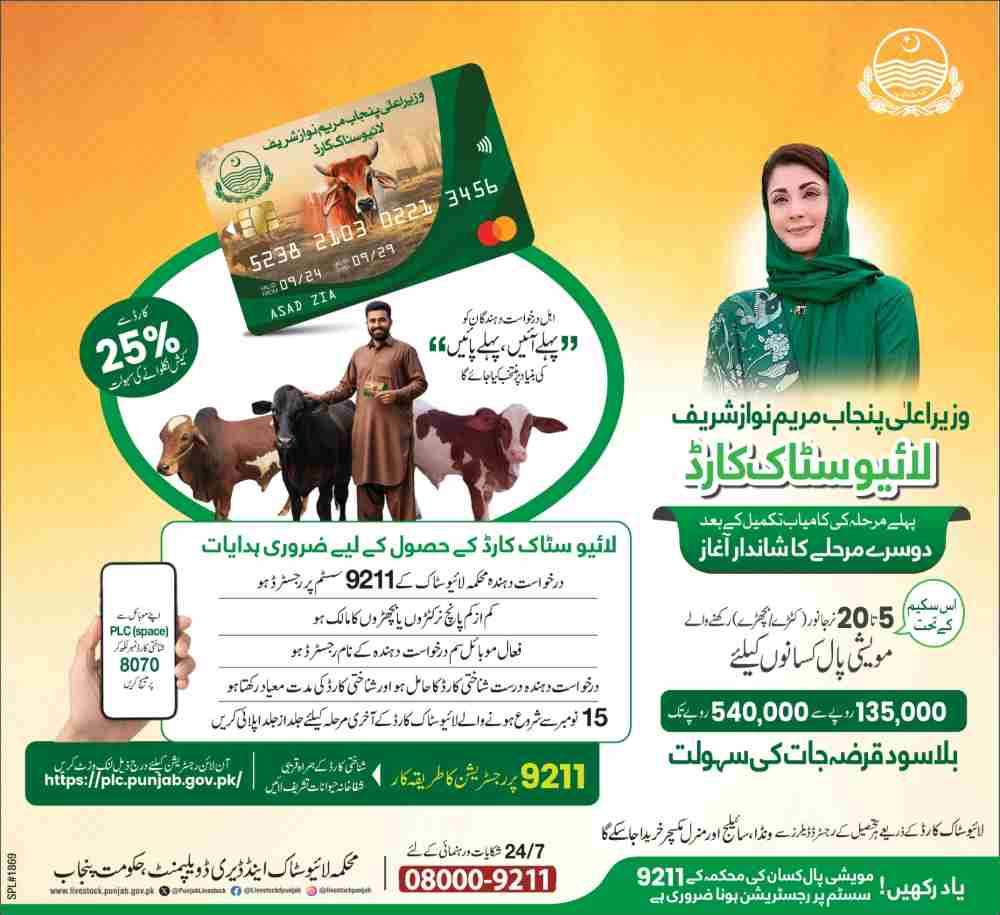
Table Of Contents
What Exactly Is the CM Punjab Livestock Card Phase 2?
The CM Punjab Livestock Card Phase 2 is a digital, debit-style card issued to eligible livestock farmers in Punjab, loaded with an interest-free loan amount specifically for purchasing animal feed and nutritional supplements. Unlike traditional cash loans, this card functions as a restricted payment method at authorized feed dealers, ensuring the funds are used exclusively for their intended purpose: improving animal nutrition and supporting calf fattening operations. The scheme represents a fundamental shift in how agricultural support is delivered, moving away from subsidy models toward direct, traceable financial assistance that puts purchasing power directly in farmers’ hands.
Why Was the Livestock Card Scheme Launched?
The Punjab government launched this initiative to address several critical challenges facing the livestock sector. Small and medium farmers consistently struggle with cash flow constraints that prevent them from investing in quality feed, which directly impacts animal growth rates and final market prices.
Traditional lending institutions charge high interest rates that eat into already thin profit margins, while informal money lenders often trap farmers in cycles of debt. The scheme specifically targets calf fattening because this segment offers the fastest return on investment and the greatest potential for increasing meat production. By providing interest-free credit for feed purchases, the government enables farmers to raise healthier, heavier animals that command premium prices in both domestic and export markets.
The Visionary Leadership Behind the Scheme
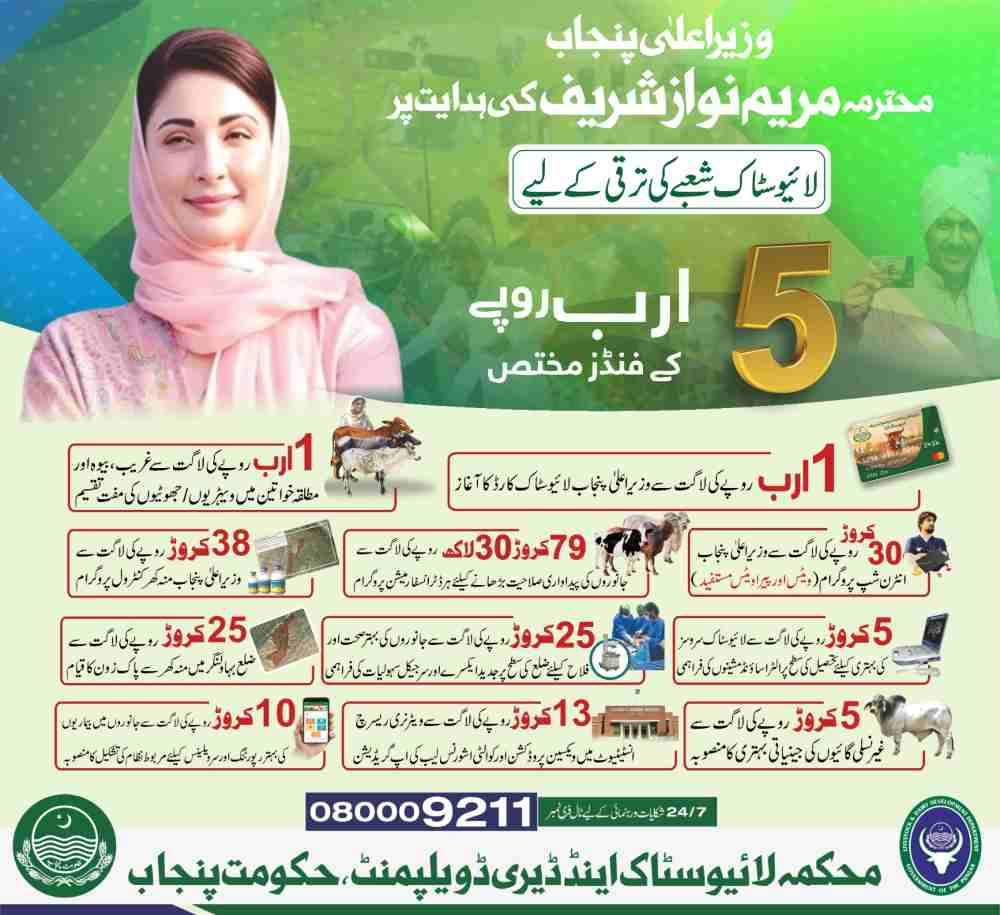
Chief Minister Maryam Nawaz Sharif has been the driving force behind this transformative initiative, making livestock development a cornerstone of Punjab’s rural prosperity agenda. Her direct oversight ensures transparency and rapid implementation, with regular reviews of disbursement targets and beneficiary feedback.
The scheme reflects a broader vision of converting Punjab’s smallholder farmers into competitive agricultural entrepreneurs capable of participating in modern supply chains. Under her leadership, the program has evolved from a pilot project into one of the largest interest-free lending initiatives in Pakistan’s agricultural sector, with clear targets for scaling and expansion based on Phase 1 learnings.
How Phase 2 Differs from Phase 1 and Previous Schemes
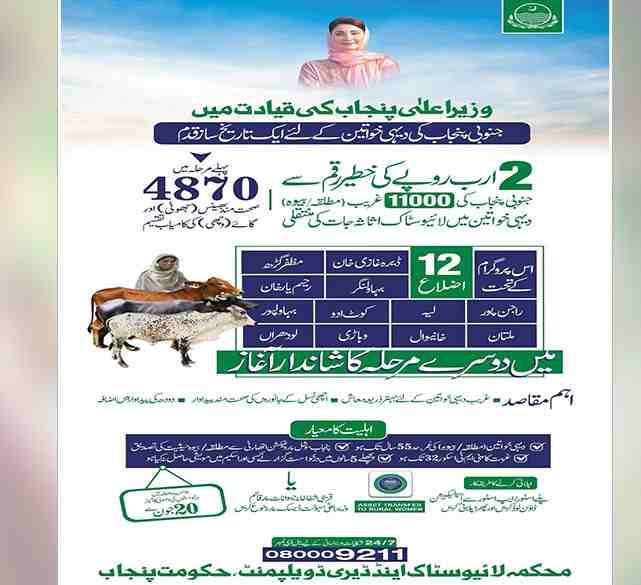
Phase 2 represents a significant evolution from both the initial Livestock Card launch and earlier programs like the Katta Paal Scheme. The Katta Paal Scheme provided calf fattening subsidies but lacked the digital infrastructure and direct farmer engagement that characterize the current initiative. Phase 1 successfully demonstrated the viability of interest-free lending for livestock, distributing thousands of cards and establishing the verification systems needed for scale.
Phase 2 builds on this foundation with expanded loan limits, improved digital verification through PITB technology, broader district coverage, and enhanced support for women beneficiaries. The loan ceiling has increased from PKR 270,000 to PKR 540,000 for farmers with larger herds, recognizing that economies of scale require proportional financial support.
Target Beneficiaries and Coverage Goals
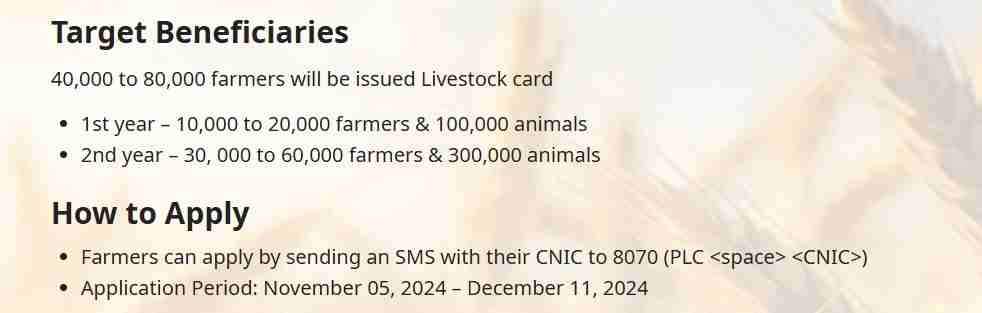
The program aims to transform the livelihoods of 40,000 to 80,000 farmers across Punjab, with a phased implementation strategy that ensures quality over speed. Year 1 targets 10,000 to 20,000 farmers and 100,000 animals, focusing on establishing robust systems and verifying impact before expansion. Year 2 scales dramatically to 30,000 to 60,000 farmers and 300,000 animals, reflecting the program’s maturation and the government’s confidence in its delivery mechanisms.
This graduated approach allows the Livestock Department and partner banks to build capacity, train verification teams, and ensure that every beneficiary receives the full intended support rather than being lost in a rushed rollout.
Eligibility Criteria for Phase 2
Who Can Apply for the Punjab Livestock Card?
The Punjab Livestock Card is designed specifically for small to medium livestock farmers who form the backbone of the province’s meat and dairy production. Applicants must be permanent residents of Punjab with a valid Computerized National Identity Card issued by NADRA.
The scheme prioritizes active farmers who are already engaged in livestock rearing rather than individuals seeking to enter the sector speculatively. This focus ensures that limited resources reach those who can immediately utilize them for production increases. The application process explicitly checks residency through NADRA databases, preventing non-residents from accessing benefits meant for Punjab’s farming communities.
How Many Animals Do You Need to Own to Qualify?
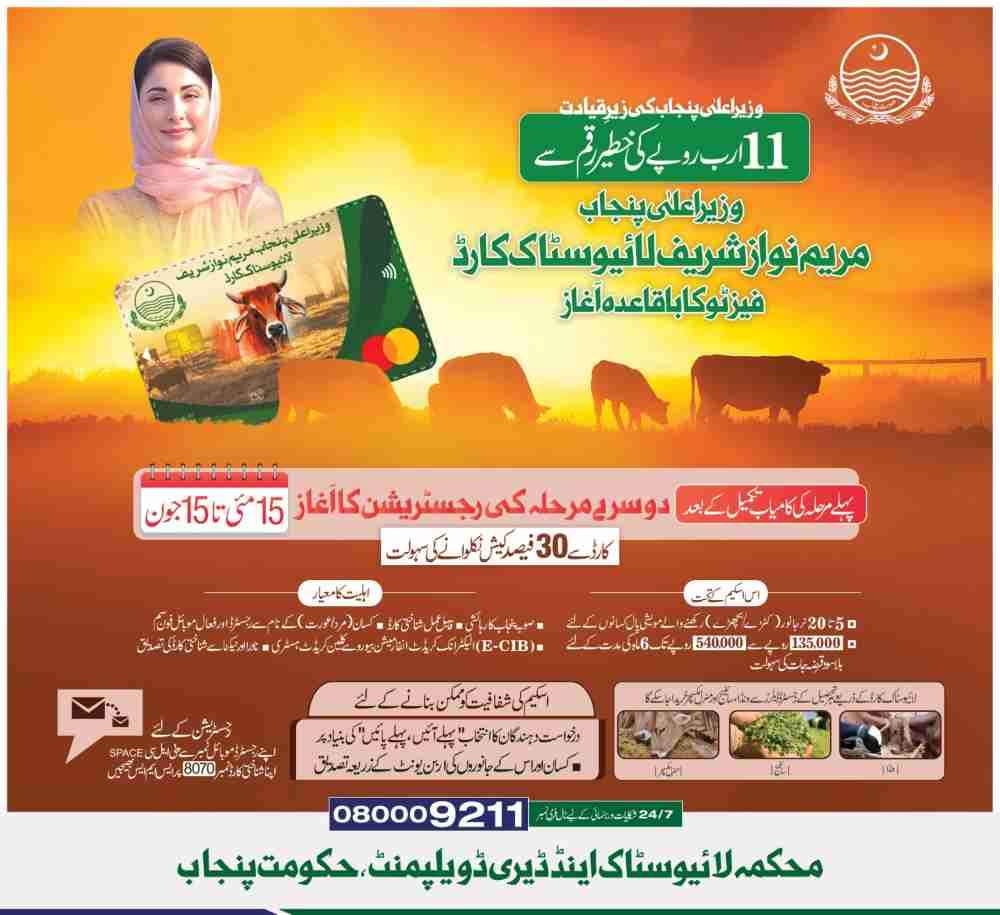
Animal ownership is the most critical eligibility criterion, with clear minimum and maximum requirements designed to target the right beneficiaries. Farmers must own between 5 and 20 male calves or young stock, with preference given to those in the 5 to 10 animal range for initial phases. The scheme specifically requires male calves because they are destined for meat production and respond most dramatically to improved nutrition during the fattening period.
Both cattle and buffalo calves qualify, recognizing that Punjab’s livestock sector includes significant populations of both species. The loan amount scales directly with animal count at PKR 27,000 per animal, meaning a farmer with 5 animals qualifies for PKR 135,000, while one with 10 animals can access PKR 270,000. Phase 2’s expanded ceiling of PKR 540,000 accommodates farmers with up to 20 animals, acknowledging that larger operations need proportional support.
Why Is SPMS-9211 Registration Mandatory?
Registration in the SPMS-9211 system is non-negotiable for Livestock Card eligibility, serving as the government’s primary mechanism for verifying animal ownership and health status. The SPMS-9211 system functions as a comprehensive digital livestock record database where each animal is registered with unique identifiers, vaccination histories, and ownership details.
Farmers who have not yet registered their animals can do so by visiting their nearest Livestock Department office or veterinary hospital, where staff can enter animals into the system. The registration process typically involves physical verification of animals, ear tagging for permanent identification, and recording of basic health data. This system prevents fraud where farmers might claim ownership of non-existent animals, ensures that loan funds support actually existing livestock, and creates a traceability framework that benefits animal health monitoring and disease control efforts across Punjab.
What Credit History Requirements Must Be Met?
The Punjab government requires all applicants to have a clean credit history with no defaults on previous government loans or schemes. This verification occurs through the Electronic Credit Information Bureau, which maintains records of all formal lending transactions and government program participation. Farmers who defaulted on previous initiatives like the Kisan Card, tractor schemes, or agricultural input loans will find their applications automatically rejected during this verification stage.
The requirement ensures that limited resources flow to farmers who have demonstrated responsible financial behavior and are likely to repay their loans according to terms. Farmers with no prior credit history are not penalized, as the system can verify a clean slate. Those with past defaults have no avenue for appeal unless they can provide documentation that the default was resolved or resulted from circumstances beyond their control.
Mobile SIM Registration and Verification Process
Every applicant must have an active mobile SIM card registered in their own name as verified by NADRA records. This requirement serves multiple purposes: it enables two-factor authentication during application, ensures that status updates and repayment reminders reach the actual beneficiary, and creates a communication channel for veterinary alerts and training opportunities.
The verification process checks the SIM’s registration date and ownership history, rejecting numbers registered to spouses, children, or other relatives. Farmers without personally registered SIMs can visit their mobile network operator’s franchise with CNIC to transfer ownership or obtain a new connection. This requirement has proven essential for preventing fraud where middlemen might apply using their own numbers and intercept communications meant for actual farmers.
Are There Any Age or Income Restrictions?
The Livestock Card scheme does not impose strict age limits for general applicants, though the women’s component specifies a maximum age of 55 years for widows and divorced women. Income verification occurs indirectly through the Punjab Social and Economic Registry for women applicants, while general farmers are evaluated based on livestock ownership rather than income brackets.
The scheme explicitly targets small farmers, meaning those with substantial landholdings or existing large-scale commercial operations may find their applications deprioritized in favor of genuine smallholders. Land ownership is not required, making the scheme accessible to landless farmers who raise livestock on rented land or through sharecropping arrangements, provided they can demonstrate legitimate ownership of the required animals.
Step-by-Step Application Process
How to Apply via SMS to 8070
The SMS application method represents the simplest and most accessible registration pathway, requiring only a basic mobile phone and your CNIC number. Farmers should open their messaging app and type “PLC” followed by a space and their 13-digit CNIC number without dashes. Sending this message to 8070 initiates an automatic verification process that checks basic eligibility criteria against government databases. Within minutes, applicants receive a confirmation message acknowledging receipt and providing a tracking reference number.
This SMS serves as proof of application and should be saved until the final decision is communicated. The system can handle thousands of simultaneous applications, and farmers who do not receive confirmation within 24 hours should resend the message or contact the helpline to verify delivery.
Online Registration Through PLC Punjab Gov Pk Portal
Farmers with internet access and basic digital literacy can complete their applications through the official Punjab Livestock Department website at livestock.punjab.gov.pk. The online portal offers a more comprehensive application experience, allowing farmers to upload documents directly, track status in real-time, and receive detailed updates throughout the verification process. To apply online, navigate to the Livestock Card section and select “New Registration.”
You will need to create an account using your CNIC number and mobile number, after which you can complete the application form with details about your livestock holdings, contact information, and preferred bank branch. The system guides you through each step, validating information as you enter it and highlighting any missing requirements before submission.
In-Person Application at Livestock Department Offices
Farmers who prefer face-to-face assistance or lack confidence in digital methods can visit their nearest District Livestock Department office for application support. Staff at these offices are trained to help farmers complete applications, verify documents, and answer questions about the scheme. When visiting, bring your original CNIC, proof of livestock ownership such as SPMS-9211 registration receipts, and any previous documentation related to government schemes.
The office staff can also verify your animal count through their systems and may schedule the required physical inspection immediately if resources permit. This option is particularly valuable for older farmers or those in areas with limited mobile network coverage who might otherwise struggle with SMS or online applications.
Required Documents Checklist for Smooth Processing
Preparing the correct documentation before starting your application significantly reduces processing delays and rejection risks. The essential documents include:
- Original CNIC and two photocopies
- Mobile SIM registered in applicant’s name with recent usage proof
- SPMS-9211 registration certificate or animal identification numbers
- Proof of residence such as utility bills or domicile certificate
- Recent passport-sized photographs for file records
- Bank account details if already holding an account with partner banks
- Widow/divorce certificate if applying under women’s special quota
- Previous loan repayment certificates if applicable
Having these documents scanned and saved digitally speeds online applications, while physical copies should be organized in a folder for verification visits. The Livestock Department does not retain original documents, so all submissions should be copies with originals available for verification.
The Verification Process Explained
After application submission, a multi-stage verification process begins that determines final approval and card issuance. First, NADRA databases verify CNIC authenticity, confirming that the applicant is a living, valid citizen with no identity discrepancies. Simultaneously, mobile network operator records confirm SIM ownership and active status. The E-CIB credit bureau check reviews any previous government loan participation and default status.
Following these automated checks, the Urban Unit or designated verification teams conduct physical inspections of the applicant’s livestock, visiting the farm location to count animals, verify their presence, and confirm they match the SPMS-9211 registration records. This physical verification prevents fraud where farmers might claim animals they do not actually possess. Finally, the verification report is reviewed by a district-level committee that makes the final approval decision based on complete application packages and available quota.
Timeline: How Long Does Verification Take?
The complete verification process typically requires 2 to 4 weeks from application submission to final decision, though timelines vary based on application volume and verification team availability in each district. Automated checks complete within 24 to 48 hours, generating initial eligibility determinations. Physical inspections consume the most time, as verification teams must travel to each applicant’s location, often in remote rural areas with limited road infrastructure.
High-volume districts may experience backlogs, particularly during peak application periods. Farmers receive SMS updates at each milestone: application received, automated verification complete, inspection scheduled, inspection completed, and final decision. Those whose applications exceed 30 days without update should contact the helpline to inquire about delays and ensure their file hasn’t encountered administrative obstacles.
Application Deadlines and Registration Windows
The CM Punjab Livestock Card Phase 2 operates on a first-come, first-served basis with defined registration windows that close when target beneficiary numbers are reached. While initial Phase 2 registration operated from November to December, subsequent windows open as the program scales to meet its ambitious Year 2 targets of 30,000 to 60,000 farmers.
The government typically announces new registration windows through media campaigns, SMS blasts to registered farmers, and updates on the official livestock.punjab.gov.pk website. Farmers who missed initial windows should monitor these channels and prepare their documentation in advance so they can apply immediately when registration reopens. The program’s popularity means windows can close within days of opening, so early application is essential for securing participation.
Loan Details and Financial Structure
How Much Interest-Free Loan Can You Get?
The CM Punjab Livestock Card provides loans ranging from PKR 135,000 to PKR 540,000, with the exact amount determined by the verified number of animals each farmer owns. The government calculates loans at PKR 27,000 per animal, a figure derived from average feed costs required to fatten one calf over the 4-month utilization period. This per-animal rate ensures proportionality, meaning farmers with larger herds receive larger loans that reflect their greater feed requirements.
The minimum threshold of 5 animals ensures that very small operators without the capacity for meaningful production increases do not receive loans they cannot effectively utilize, while the maximum ceiling of 20 animals in Phase 2 accommodates medium-scale farmers while preventing the largest commercial operations from dominating the scheme.
What Can You Purchase with the Livestock Card?
The Livestock Card is restricted to purchases that directly support animal nutrition and health, ensuring loan funds contribute to production increases rather than diversion to household expenses. Approved purchases include:
- Wanda, the concentrated animal feed that provides essential proteins and energy for rapid weight gain
- Silage, fermented fodder that preserves nutritional value and provides consistent feed quality
- Mineral mixtures containing calcium, phosphorus, and trace elements essential for bone development and health
- Veterinary medicines and supplements recommended by livestock officers
- Feed additives that improve digestion and nutrient absorption
All purchases must occur at authorized dealers registered with the Livestock Department, who are equipped with point-of-sale terminals that verify card validity and deduct purchases from available balances. This system prevents cash leakage and ensures every rupee reaches its intended purpose.
Can You Withdraw Cash from the Livestock Card?
Partial cash withdrawal is permitted under specific circumstances, though the primary mechanism remains direct dealer purchases. Phase 2 introduced a 30% cash withdrawal facility for farmers who need flexibility in feed purchasing or operate in areas where authorized dealers are not readily accessible. This cash component can be withdrawn from partner bank ATMs or over the counter at Bank of Punjab branches, but farmers must provide basic documentation of intended use.
The remaining 70% must be spent through the card system at authorized dealers, maintaining the scheme’s core purpose of supporting feed purchases. Farmers considering cash withdrawals should understand that this reduces the traceability benefits of the card and may trigger additional verification during subsequent application phases.
Repayment Terms: Period and Grace Period Explained
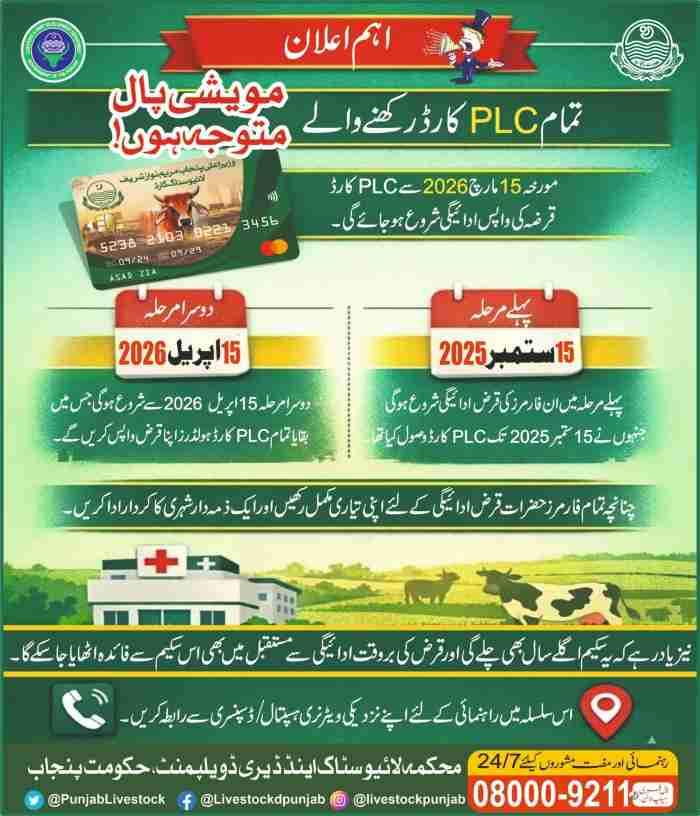
The loan structure reflects the natural cycle of calf fattening operations, providing adequate time for animals to reach market weight before repayment obligations begin. Farmers receive a 4-month utilization period during which they can purchase feed and care for their animals without any repayment pressure. Following this, a 1-month grace period allows for marketing and sale of fattened animals, with repayment due at the end of this fifth month.
This 5-month total cycle aligns with typical fattening periods where calves gain significant weight within 120 days of optimized feeding, after which farmers can sell at premium prices. The grace month acknowledges that actual sales may take time to finalize and ensures farmers are not forced into distress sales at unfavorable prices.
How Are Installments Structured and Collected?
Loan repayment occurs as a single lump sum at the end of the 5-month cycle rather than through monthly installments, simplifying administration and matching farmers’ cash flow patterns. Most farmers sell fattened animals in bulk transactions that generate significant lump-sum payments, making monthly installments impractical and potentially forcing premature sales.
Repayment occurs through the same partner bank system that disbursed the loan, with farmers depositing the principal amount at any Bank of Punjab branch using their Livestock Card account number. The bank provides a receipt confirming repayment, which farmers should retain as proof for future scheme participation. Early repayment is permitted and encouraged, with no penalties or lost benefits for farmers who can repay sooner.
What Happens If You Default on the Loan?
Default consequences are significant and designed to maintain the scheme’s financial sustainability while discouraging casual non-payment. Farmers who fail to repay by the deadline face immediate flagging in the E-CIB credit bureau system, rendering them ineligible for any future government scheme including Kisan Cards, tractor subsidies, and subsequent livestock program phases.
The government initiates recovery procedures through partner banks, which may include legal notices and, in extreme cases, civil proceedings to recover outstanding amounts. However, the program recognizes that genuine hardship can occur, so farmers facing unavoidable difficulties should contact the helpline immediately to discuss restructuring options before default status is recorded. The government prefers working solutions that recover principal over punitive measures that leave farmers permanently excluded.
Special Provisions for Women Farmers
Can Women Farmers Apply for the Livestock Card?
Women farmers are not only eligible but actively prioritized under the CM Punjab Livestock Card Phase 2, with special quotas and dedicated program components designed to address the unique challenges women face in livestock farming. The government recognizes that women perform the majority of daily animal care work in rural Punjab yet rarely control the financial resources needed for feed and veterinary inputs.
By providing cards directly to women, the scheme ensures that those doing the work receive the resources, fundamentally shifting household dynamics and empowering women economically. Applications from women receive equal consideration in the general pool, and a separate women’s component provides additional opportunities specifically for female beneficiaries.
The Rural Women’s Livestock Program in South Punjab
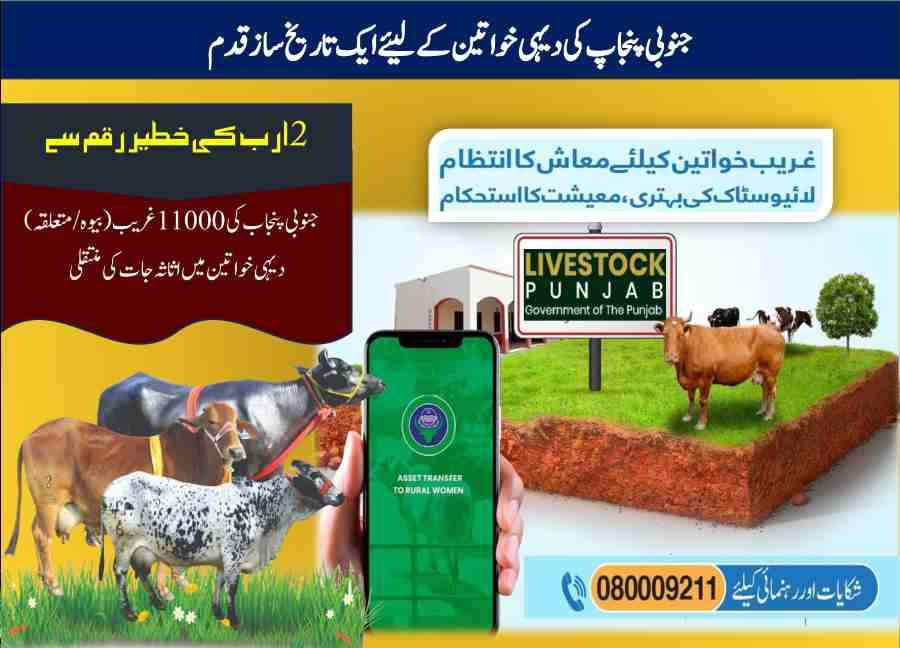
A dedicated component of Phase 2 targets 10,957 poor rural women across 12 districts of South Punjab, providing free livestock assets rather than loans to the most vulnerable households. This program specifically benefits widowed and divorced women not exceeding 55 years of age who did not receive animals from any government scheme during the previous five years.
The districts covered include Multan Division with 3,652 beneficiaries, Bahawalpur Division with 2,740 beneficiaries, and Dera Ghazi Khan Division with 4,565 beneficiaries, reflecting the concentration of poverty and livestock-dependent livelihoods in these areas. Selected women receive healthy cows or buffaloes, initial feed support, and comprehensive training on livestock management, animal nutrition, and breed improvement from field veterinarians.
What Benefits Do Widows and Divorced Women Receive?
Widowed and divorced women receive the most comprehensive support package under the women’s component, acknowledging their heightened vulnerability and limited alternative income sources. Each eligible woman receives a productive dairy animal selected for good genetic potential and current health status, along with three months of free feed to establish the animal in its new environment.
Free veterinary care continues throughout the program, with regular checkups and vaccination schedules managed by local livestock departments. Training programs specifically designed for women participants cover practical topics like recognizing illness early, proper milking techniques, and basic business calculations for milk sales. The program’s ultimate goal is creating sustainable livelihoods where women can sell milk and milk products, generating monthly income that continues long after direct program support ends.
How Do Women Apply Under the Special Quota?
Women applying under the special quota must follow slightly different procedures than general applicants, reflecting the program’s different structure as an asset transfer rather than loan scheme. Applications are accepted through the same SMS system to 8070, but women should also visit their local Livestock Department office to register specifically for the women’s component. Required documentation includes CNIC, proof of widowhood or divorce status through Nikah Nama or divorce certificate, and verification of residence in eligible South Punjab districts.
The Punjab Social and Economic Registry poverty score is checked to confirm eligibility, with priority given to women scoring below the threshold that indicates extreme poverty. Selection occurs through transparent processes with district-level committees reviewing applications and selecting beneficiaries based on verified eligibility and available quota.
Using Your Punjab Livestock Card Effectively
How to Find Authorized Feed Dealers
The Livestock Department maintains a comprehensive directory of authorized dealers who have been vetted and equipped to accept Livestock Card payments. Farmers can access this directory through the official website, by calling the helpline, or via SMS by sending their location to receive nearby dealer information. Authorized dealers display official certification from the Livestock Department and use government-provided point-of-sale terminals that connect directly to the card system.
Farmers should verify dealer authorization before making purchases, as transactions at unauthorized shops will not process and may indicate fraud attempts. The dealer network continues expanding as Phase 2 scales, with new vendors added regularly to ensure farmers in all districts have reasonable access to authorized purchase points.
Making Purchases: Step-by-Step Process
Using the Livestock Card at authorized dealers follows a simple, secure process designed for farmers with varying literacy levels. Present your card to the dealer, who will insert it into the point-of-sale terminal and enter the purchase amount. You will be prompted to enter your 4-digit PIN, which you set during card activation at the bank.
The terminal communicates with the central system to verify available balance and authorize the transaction, generating a receipt showing the purchase amount and remaining balance. Always collect this receipt and verify the deducted amount matches your intended purchase. The receipt serves as your record of how loan funds are being utilized and may be requested during subsequent verification visits or when applying for future phases.
How to Check Your Card Balance and Transaction History
Staying informed about your remaining balance helps with budgeting and ensures you don’t exceed loan limits unexpectedly. Balance can be checked through multiple channels: by sending your CNIC number to 8070 with the word “BALANCE,” through the online portal by logging into your account, at any Bank of Punjab ATM using the card, or by calling the helpline and providing your card number after identity verification.
Transaction history showing all purchases with dates, amounts, and dealer names is available through the online portal and provides valuable documentation of how loan funds were used. Farmers should review their transaction history monthly to identify any unauthorized transactions and ensure their card hasn’t been compromised.
What to Do If Your Card Is Lost or Stolen
Immediate action is essential if your Livestock Card is lost or stolen, as the loaded funds could be misused before the card is blocked. Call the helpline immediately to report the loss and request card blocking, providing your CNIC number and any reference details you have. Follow up by visiting your nearest Bank of Punjab branch to complete formal blocking procedures and apply for a replacement card.
The replacement process typically takes 5 to 7 working days, during which your remaining balance remains secure in your account. Any unauthorized transactions that occur after you report the loss are investigated, and funds may be restored if the bank determines proper procedures were followed. Keep your PIN confidential and never write it on the card or store it with the card.
Technology and Digital Systems
PITB’s Role in Digitizing the Livestock Card
The Punjab Information Technology Board has developed and maintains the end-to-end digital infrastructure that makes the Livestock Card scheme possible at scale. PITB’s systems handle application processing, database management, verification workflows, and the card transaction network that connects farmers, dealers, and banks. This digital backbone enables real-time eligibility checks, automated verification of CNIC and SIM data against NADRA records, and immediate updates to card balances as purchases occur.
The system generates comprehensive analytics that help program managers identify bottlenecks, track disbursement rates, and ensure equitable distribution across districts. Without PITB’s technological infrastructure, managing tens of thousands of beneficiaries across Punjab’s diverse geography would be logistically impossible.
The Farmer Guidance App Features and Benefits
The Farmer Guidance App, developed alongside the Livestock Card, provides registered farmers with a mobile platform for accessing expert advice, receiving alerts, and managing their livestock operations more effectively. Available for download through the official website, the app features veterinary helplines connecting farmers to livestock officers for immediate consultation when animal health issues arise.
Disease alerts notify farmers about outbreaks in their region and recommended preventive measures. Feeding guides provide scientifically-based recommendations for optimizing nutrition based on animal age, weight, and production goals. The app also includes vaccination reminders that help farmers maintain animal health schedules, improving overall herd productivity and reducing mortality.
Understanding the SPMS-9211 System
The SPMS-9211 system functions as the comprehensive livestock management platform that underpins the entire Livestock Card scheme by maintaining detailed records of every registered animal. Farmers can access their SPMS records through the associated mobile app or by visiting veterinary hospitals where staff can print animal histories.
The system tracks each animal’s unique ear tag number, breed, age, vaccination history, disease treatments, and ownership transfers. For Livestock Card purposes, SPMS-9211 provides the definitive verification of animal ownership and count, preventing fraud where farmers might claim animals they do not actually possess. The system also enables longitudinal tracking of animal health outcomes, allowing the Livestock Department to measure the scheme’s impact on productivity and adjust future phases accordingly.
How to Track Your Application Status Online
The PLC Punjab gov pk portal offers comprehensive status tracking for all applicants, providing transparency throughout the verification process. To check your status, visit livestock.punjab.gov.pk and navigate to the “Application Status” section, where you will enter your CNIC number and the reference number received during application.
The system displays your current stage: received, under automated verification, pending physical inspection, inspection completed, under final review, approved, or rejected. Each status includes the date when that stage was reached and estimated remaining time for the next update. Farmers whose applications show prolonged inactivity should use the portal’s inquiry feature to request status updates or call the helpline with their reference number for personalized assistance.
SMS-Based Status Checking
For farmers without internet access, the SMS system provides basic status checking functionality through the same 8070 short code used for applications. Send your CNIC number to 8070 with the word “STATUS” to receive an automated reply indicating your current application stage. This system works on any mobile phone and requires no data connection, making it accessible to farmers in areas with limited internet infrastructure. The SMS response includes your application reference number, current status, and estimated timeline for completion. While less detailed than the online portal, this method provides essential information and works reliably across all mobile networks in Punjab.
Training and Support Services
What Training Programs Are Available for Beneficiaries?
Selected Livestock Card beneficiaries gain access to comprehensive training programs designed to maximize the productive impact of their loan funds. These free training sessions cover modern livestock management practices, with modules on balanced nutrition and feed formulation that help farmers understand why specific feeds are recommended and how to combine them for optimal results. Disease prevention training teaches recognition of common illnesses and appropriate response protocols, reducing mortality and treatment costs.
Breeding management sessions explain optimal timing for breeding and selection criteria for replacement stock. Business skills training helps farmers calculate profitability, track expenses, and make informed decisions about when to sell fattened animals. These sessions are conducted at district livestock offices, veterinary hospitals, and sometimes at union council levels to minimize travel requirements for participating farmers.
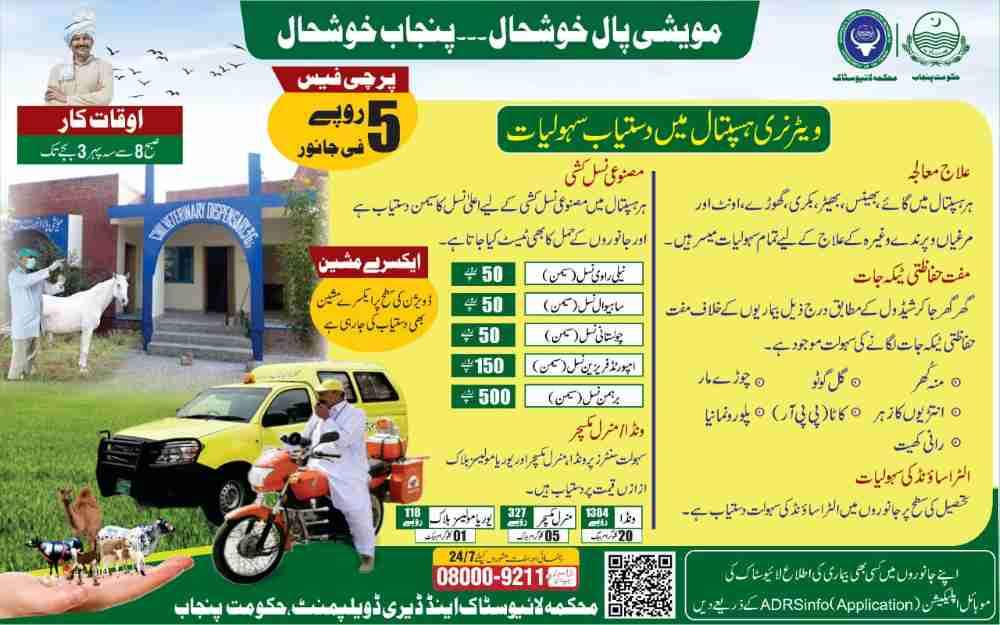
Veterinary Support and Vaccination Services
The Livestock Card scheme integrates closely with the provincial veterinary network to ensure beneficiaries’ animals remain healthy and productive throughout the loan period. Registered farmers receive priority access to government veterinary hospitals and dispensaries, with reduced or eliminated fees for basic consultations.
Vaccination campaigns specifically target Livestock Card beneficiaries’ animals, ensuring they receive protection against foot-and-mouth disease, hemorrhagic septicemia, and other common threats. Veterinary officers conduct regular health monitoring visits to beneficiary farms, identifying potential issues before they become serious and providing on-site treatment when needed. This comprehensive health support protects the government’s investment in loans while ensuring farmers benefit from improved animal productivity rather than losses from preventable diseases.
Helpline Numbers and Support Channels
The CM Punjab Livestock helpline operates 24 hours a day, 7 days a week, providing immediate assistance for farmers facing technical issues, application questions, or emergency situations. The primary helpline number is 08000-9211, a toll-free line accessible from any phone in Punjab without charge. Trained operators handle initial inquiries, resolving common questions about application status, dealer locations, and card usage.
Complex issues are escalated to specialized teams within the Livestock Department or PITB, with guaranteed callback within 48 hours. Farmers can also reach support through email at support@livestock.punjab.gov.pk, though response times are longer than the helpline. Social media channels including the official Facebook page provide updates about program changes, new registration windows, and important announcements affecting beneficiaries.
Common Problems and Solutions
Farmers frequently encounter specific challenges with the Livestock Card system, and knowing how to resolve them quickly minimizes disruption. Application rejection due to SIM not being registered in the applicant’s name requires visiting the mobile network franchise to transfer ownership or obtain a new SIM, after which a fresh application can be submitted. Card not working at dealer terminals often results from entering incorrect PIN or the dealer’s terminal experiencing connectivity issues, resolvable by trying a different dealer or calling the helpline for technical support.
Balance discrepancies between receipts and actual card balance should be reported immediately with transaction receipts as evidence, triggering investigation and correction within 72 hours. Physical inspection delays exceeding 30 days should prompt a helpline call to verify the application hasn’t been overlooked and to schedule an expedited visit where possible.
Common Questions Answered
Is the Livestock Card Available in All Districts of Punjab?
Yes, the CM Punjab Livestock Card Phase 2 is available in all districts of Punjab, though rollout timing varies based on administrative capacity and local livestock densities. The program launched simultaneously across the province, but high-volume districts naturally process applications faster due to greater verification resources.
Farmers in remote or less densely populated districts should not experience discrimination in selection, as quotas are allocated proportionally based on livestock populations rather than political considerations. The women’s component focusing on South Punjab operates in specifically identified districts, but the main Livestock Card program covers the entire province without geographic restriction. Farmers in any district who meet eligibility criteria should apply during open registration windows.
What Specific Animal Breeds Are Covered?
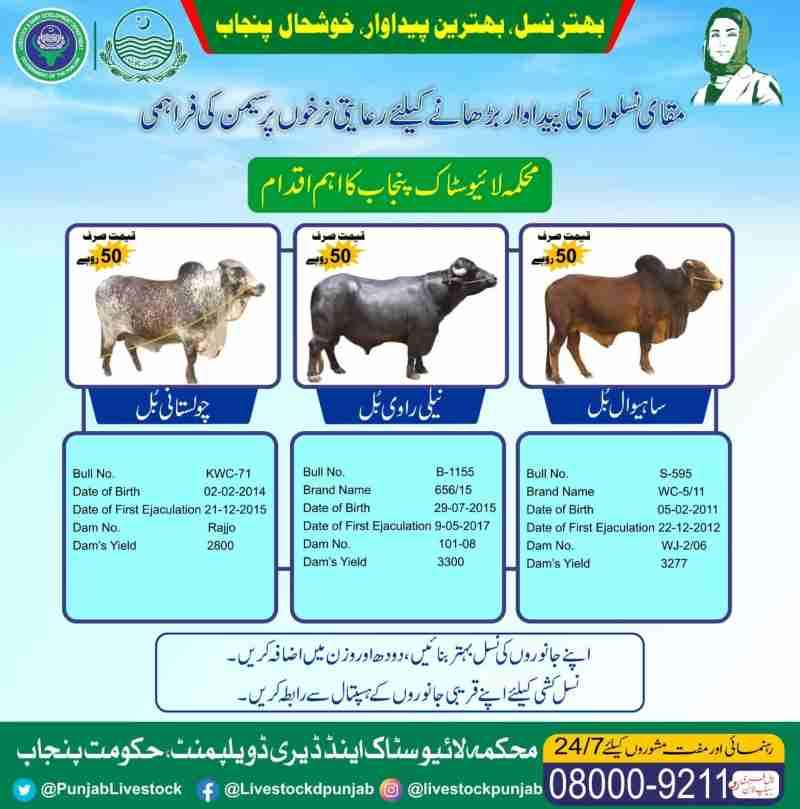
The scheme covers both cattle and buffalo breeds commonly found in Punjab, with no discrimination based on breed quality or production potential. For cattle, this includes Sahiwal, Red Sindhi, Friesian crosses, and local nondescript breeds. Buffalo breeds covered include Nili-Ravi, Kundi, and their crosses. The program specifically requires male calves because they are destined for meat production, though female animals used for breeding or milk production may qualify under other government initiatives.
The focus on male calves for fattening reflects the scheme’s primary objective of increasing meat production and exports, though improved nutrition benefits all animals regardless of ultimate purpose. Farmers with mixed herds of cattle and buffalo can include both species in their animal count, provided all are male calves destined for fattening.
Are There Any Hidden Charges or Processing Fees?
The CM Punjab Livestock Card is completely free for farmers, with no application fees, processing charges, or hidden costs deducted from loan amounts. The Punjab government pays all administrative costs, bank charges, and the interest that would normally accrue on these loans, ensuring farmers receive the full loan amount for their intended purposes.
Card issuance is free, and there are no monthly maintenance fees or transaction charges for purchases at authorized dealers. Farmers should beware of anyone requesting payment to facilitate application processing or guarantee approval, as these are scams preying on desperate applicants. All legitimate assistance is available free through government offices and the official helpline.
How Does the Scheme Support Meat Exports?
The Livestock Card directly contributes to Pakistan’s meat export potential by improving the quality and weight of animals raised for slaughter. Export markets demand specific weight ranges and meat quality standards that many Pakistani animals historically failed to meet due to inadequate nutrition during fattening phases. By providing interest-free loans specifically for high-quality feed, the scheme enables farmers to raise animals that meet international standards, accessing premium prices in Gulf and other export markets.
The government’s target of preparing 400,000 animals for meat production reflects the scale of this ambition, positioning Punjab as a reliable supplier in global halal meat markets. This export focus benefits participating farmers through higher prices while generating foreign exchange and strengthening Pakistan’s agricultural trade position.
Conclusion and Next Steps
The CM Punjab Livestock Card Phase 2 represents a fundamental shift in how government supports agricultural development, moving from passive subsidy models to active investment in farmer productivity. By providing interest-free loans directly for feed purchases, the scheme addresses the core constraint facing small livestock farmers: lack of working capital to invest in animal nutrition.
The results speak for themselves in improved animal weights, higher farmer incomes, and growing meat exports that benefit the entire provincial economy. Farmers who meet eligibility criteria should prepare their documentation now and apply immediately when registration windows open, as the first-come, first-served basis means opportunities close quickly once quotas fill. Those who successfully participate will not only benefit from immediate loan support but position themselves for future phases and expanded opportunities as the program continues evolving.
Frequently Asked Questions
What is the CM Punjab Livestock Card Phase 2?
The CM Punjab Livestock Card Phase 2 is a government initiative providing interest-free loans ranging from PKR 135,000 to PKR 540,000 to livestock farmers for purchasing animal feed including Wanda, silage, and mineral mixtures to support calf fattening operations.
How can I apply for the Punjab Livestock Card Phase 2?
You can apply by sending an SMS with your CNIC number to 8070 in the format “PLC <space> CNIC,” through the online portal at livestock.punjab.gov.pk, or by visiting your nearest Livestock Department office or Bank of Punjab branch.
What are the eligibility criteria for the livestock card?
Applicants must be Punjab residents with valid CNIC, own 5 to 20 male calves registered in SPMS-9211 system, have an active SIM registered in their name, and maintain a clean credit history with no defaults on previous government loans.
How much interest-free loan can I get through this card?
Loan amounts range from PKR 135,000 for 5 animals to PKR 540,000 for 20 animals, calculated at PKR 27,000 per animal. The exact amount depends on your verified animal count during physical inspection.
What is the repayment period for the livestock loan?
The loan comes with a 4-month utilization period for purchasing feed and caring for animals, plus a 1-month grace period, making the total repayment deadline 5 months from loan disbursement. Repayment is required as a single lump sum.
How do I check my livestock card application status?
You can check status by sending your CNIC to 8070 with the word “STATUS,” visiting the online portal at livestock.punjab.gov.pk, or calling the helpline at 08000-9211 with your application reference number.
Can women farmers apply for Phase 2?
Yes, women farmers are actively encouraged to apply and benefit from special provisions including dedicated quotas, free livestock distribution for widows and divorced women in South Punjab, and equal consideration in the general application pool.
What documents are required for the application?
Required documents include valid CNIC, proof of mobile SIM ownership, SPMS-9211 registration record, proof of residence, and for women applicants under special quota, widowhood or divorce certificates where applicable.

Add a Comment