
Is your phone about to be blocked from all Pakistani mobile networks without warning? Understanding the PTA approved check and PTA tax calculator processes is no longer optional—it is the only way to ensure your device remains connected. This definitive guide explains exactly how to verify any mobile phone’s compliance status, accurately calculate the taxes you owe using the official systems, and complete your registration successfully.
Key Takeaways
- Immediate IMEI Check Required: Dial
*#06#to find your 15-digit IMEI and send it to 8484 for an instant PTA approval status result. - Tax Varies by Registration Method: Registering a phone on a passport typically costs significantly less than registering on a CNIC due to different duty structures.
- 120-Day Free Facility Exists: Overseas Pakistanis and foreign visitors can register one device tax-free for up to 120 days per visit through the temporary registration system.
- Payment Completes via PSID: You must generate a Payment Slip ID on the DIRBS portal and pay through online banking, ATM, or bank branch to finalize registration.
- Non-Compliant Devices Face Blocking: Any device not registered within the allowed timeframe will be permanently blocked from all Pakistani mobile networks.
- Read More: PTA Mobile Tax List | PTA Mobile Tax Check Online
- Read More: PTA Tax Check Online | PTA Tax Check By IMEI
- Read More: PTA Mobile Registration Online Check | PTA Approved Check [DVS PTA]
PTA Approved Check | PTA Tax Calculator
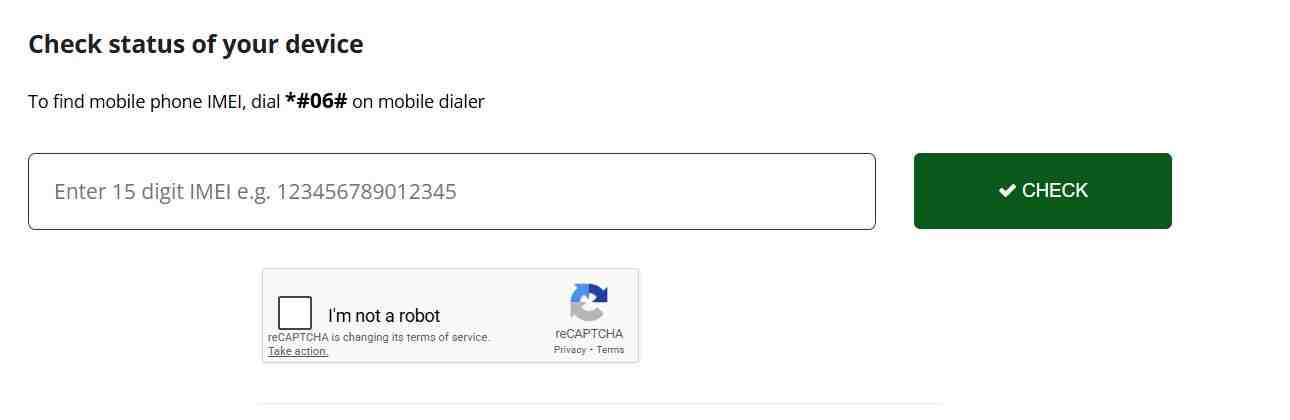
Table Of Contents
Why PTA Approval and Tax Payment is Non-Negotiable in Pakistan
The Pakistan Telecommunication Authority (PTA), in coordination with the Federal Board of Revenue (FBR), has established a mandatory regulatory framework that affects every mobile phone user in the country. The Device Identification, Registration, and Blocking System (DIRBS) is the technological backbone that enforces this compliance. This system automatically identifies every mobile device operating on Pakistani networks by reading its unique International Mobile Equipment Identity (IMEI) number.
DIRBS cross-references each IMEI against a database of approved, compliant devices. If your device is not registered and tax-paid, the system flags it for action. The objective is clear: to ensure a healthy growth of the mobile device ecosystem, to prevent the use of smuggled or counterfeit phones, and to protect national security interests by eliminating devices that could be used for financial fraud or cybercrimes.
What Happens When You Use a Non-Compliant Device? The 60-Day Countdown Explained
When a non-compliant device first connects to a Pakistani mobile network, a 60-day countdown begins. This is the grace period provided by the PTA. During these 60 days, you can still use your phone normally with any local SIM card. However, the clock is ticking. The PTA sends automated reminders via SMS to alert the user about the impending block. It is crucial to understand that this 60-day window is not an extension of legal use; it is a final opportunity to regularize the device by paying the applicable taxes and duties.
Can I Use a Non-PTA Phone in Pakistan for 60 Days?
Yes, you can use a non-PTA phone in Pakistan for 60 days from the date it first connects to a local network. This is the standard grace period. However, this rule applies strictly to devices brought in by individuals, such as returning residents or travelers. If you purchase a phone from the local market that is already non-compliant, those 60 days may have already expired, making the device immediately susceptible to blocking.
What is the penalty for using a non-PTA approved device after the deadline?
The penalty is absolute and irreversible: permanent network blocking. Once the 60-day grace period expires without successful registration and tax payment, the DIRBS system automatically blocks the device. After this point, no Pakistani SIM card—whether from Jazz, Zong, Telenor, or Ufone—will work in that phone. You will be unable to make calls, send texts, or use mobile data. The only way to reverse this block is to pay the full tax and complete the registration process. Using a blocked device is also a punishable offense, and authorities are actively cracking down on the sale and use of unregistered phones.
Legal and Security Benefits: Why PTA approval ensures your device is not counterfeit, stolen, or blocked
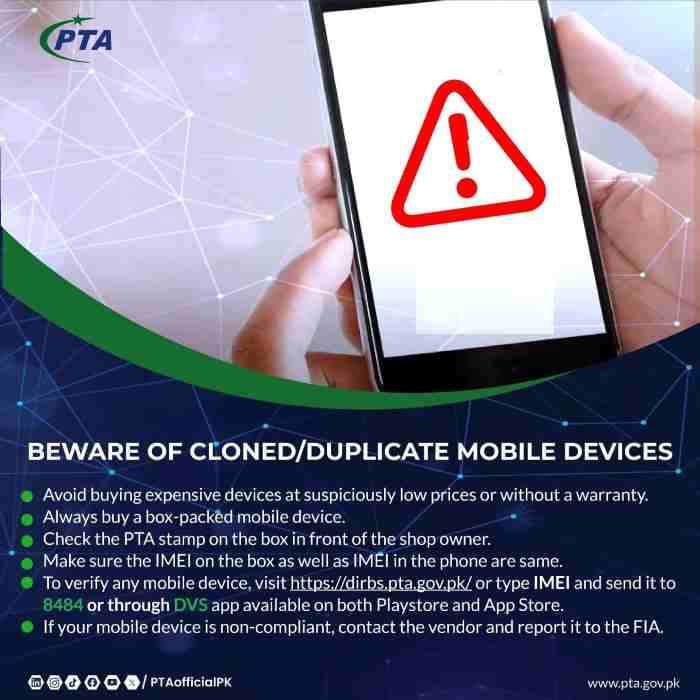
The PTA approval system serves as a critical consumer protection mechanism. When a device is PTA approved, it means the phone has passed through legal import channels and its IMEI is clean. This verification confirms that the phone is not counterfeit, meaning it is an authentic product from a legitimate manufacturer. It also ensures the device has not been reported as stolen. By checking the status before purchase, you avoid buying a phone that may have been involved in criminal activity. Furthermore, an approved phone guarantees that software updates, warranty claims, and network compatibility will function as intended.
Is “CPID approved” the same as PTA approved?
No, “CPID approved” is not the same as PTA approved. CPID, or Certification of Product Identification Database, is often confused with PTA approval, particularly in the used phone market. Some sellers might claim a phone is “CPID approved” to suggest it is legal. However, the only valid and official status is PTA compliance verified through the DIRBS system. A phone might have its CPID details registered with the manufacturer, but if the PTA tax has not been paid, it remains a non-compliant device and will eventually be blocked. Always rely on the official PTA verification methods, not seller terminology.
How to Check if Your Mobile is PTA Approved: A Step-by-Step Guide
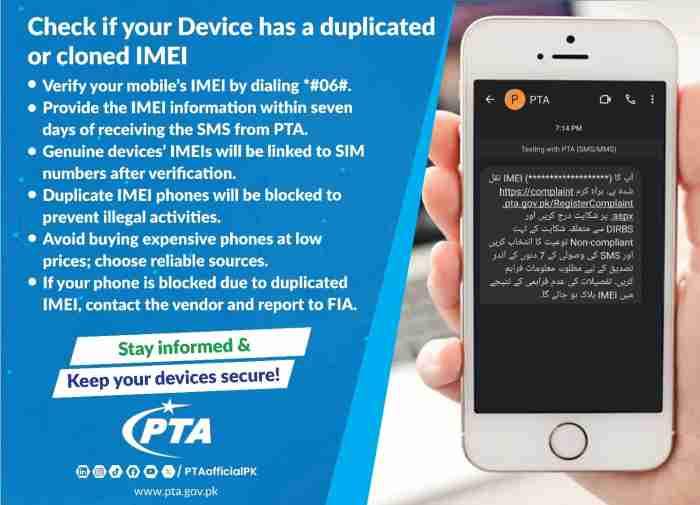
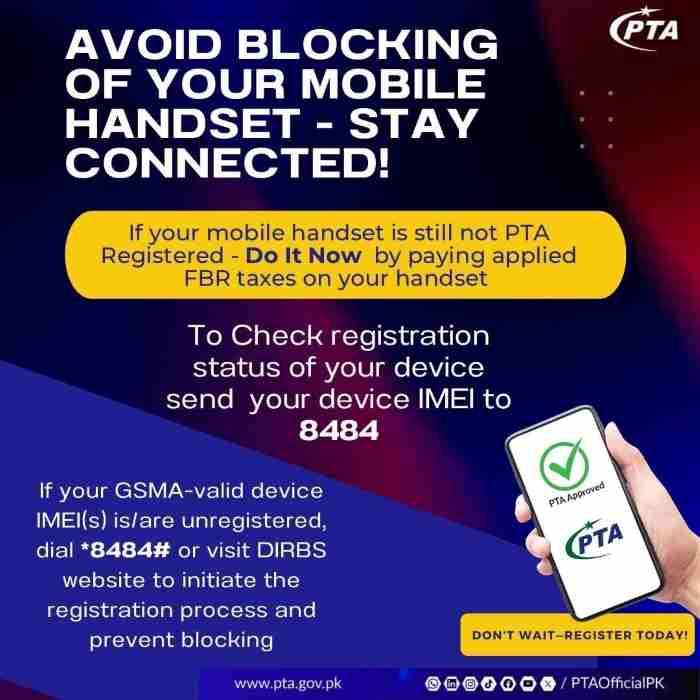
Verifying your phone’s PTA approval status is a straightforward process that takes only a few minutes. The PTA provides three distinct methods to ensure every user can easily check their device. You must perform this check before buying any new or used phone, and periodically for your current devices, especially if you receive a warning SMS.
How can I check if my mobile is PTA approved? The Three Official Methods
The three official methods for a PTA approved check are SMS, web portal, and mobile app. Each method uses your phone’s unique IMEI number to query the central DIRBS database and returns the current registration status of the device. All three methods are free and accessible 24/7.
Prerequisite: How do I find my 15-digit IMEI number?
Before you can check the status, you need the 15-digit IMEI number. There are several reliable ways to find it:
- Dial the Code: Open your phone’s dialer and press
*#06#. The IMEI number(s) will instantly appear on your screen. For dual-SIM phones, you will see two separate IMEI numbers—one for each SIM slot. - Check Phone Settings:
- On Android: Go to Settings > About Phone > Status > IMEI Information.
- On iPhone: Go to Settings > General > About. Scroll down to find the IMEI.
- Physical Inspection: Look at the original box of your phone. The IMEI is usually printed on a barcode sticker. If your phone has a removable back cover and battery, the IMEI might be printed on a sticker underneath.
Method 1: The Instant SMS Check
The SMS method is the fastest and most accessible way to perform a PTA approved check.
What is the code to check PTA registration status?
There is no special code to dial for the status. The process involves sending a standard SMS.
How do I check my PTA approval by sending an SMS to 8484?
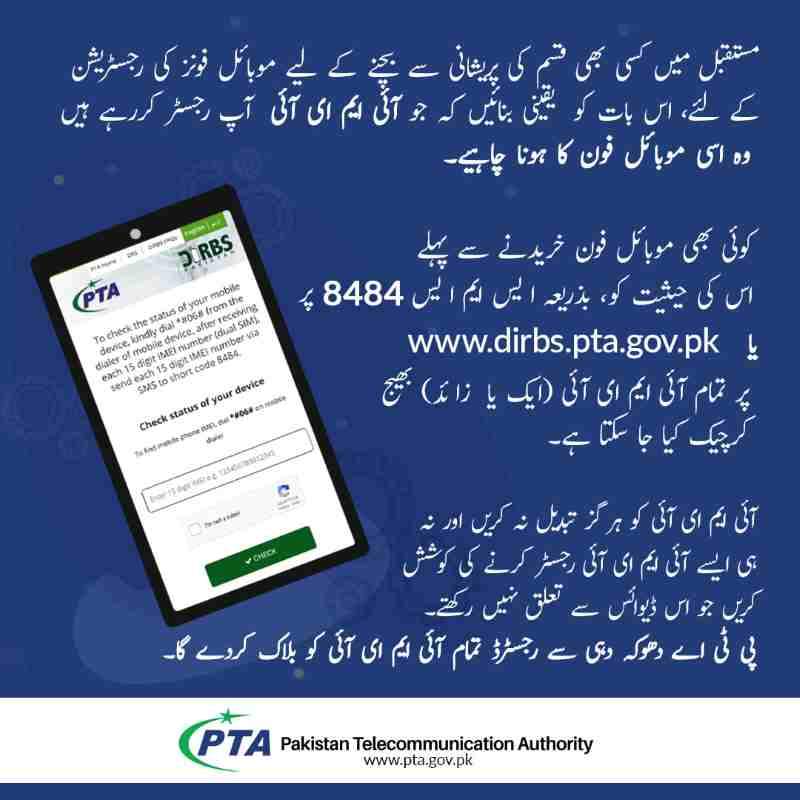
Open your messaging app and create a new message. In the message body, type your 15-digit IMEI number. Do not add any other text, spaces, or special characters. Send this message to 8484. Within a minute or two, you will receive a reply from the PTA containing the registration status of your device. This service is free of charge.
What does the SMS reply mean? Understanding the status codes.
The SMS reply will contain one of several status messages. Understanding what each means is crucial.
- Compliant / Approved: Your device is fully PTA approved and legally registered. No further action is needed.
- Valid / Non-Compliant / Not Registered: The IMEI is recognized as valid, but the device has not been registered or tax has not been paid. You are within the 60-day window and must pay the tax immediately.
- Non-Compliant / Blocked / Stolen: The device is not registered and has been blocked from all networks. It may also have been reported as stolen. You cannot use this phone in Pakistan. If you have just paid the tax, this status may update within 24-48 hours.
Method 2: The Official Web Portal (DIRBS)
The DIRBS web portal offers a more detailed view of your device’s status and is the primary tool for initiating registration.
How to perform a PTA IMEI check online via dirbs.pta.gov.pk
Open your web browser and navigate to the official Device Verification System (DVS) portal at https://dirbs.pta.gov.pk/. On the homepage, you will find a search bar labeled “Enter IMEI Number.” Type your 15-digit IMEI into the field and click the “Submit” or “Check” button. The system will instantly display the current status of your device along with additional details, such as the model name and, if applicable, the tax amount due.
Decoding the Results: Compliant, Valid, Non-Compliant, and Stolen/Blocked
The web portal uses specific terminology that you must understand:
- Compliant: This is the ideal result. It means your device is fully registered and tax-paid. It is legal to use on all networks.
- Valid: This is a common status for new imports. It confirms the IMEI is authentic, but the device is not yet registered. You have a 60-day window to pay the tax. This status is a direct call to action.
- Non-Compliant: This status indicates the device has been checked and found to be unregistered, and it does not have a valid grace period. It may have been smuggled or its 60 days have already expired. It will be blocked or is already blocked.
- Stolen/Blocked: This device has been reported stolen or is blocked due to fraudulent activity. Using or purchasing such a device is illegal and may involve you in a criminal investigation.
My phone shows “IMEI is valid” but not approved. What does this mean?
This means your phone is genuine and has been recognized by the system, but the mandatory taxes and duties have not been paid. The “Valid” status is a temporary condition. You must proceed to the tax calculation and payment steps immediately to register the device within the 60-day window. If you ignore this status, your phone will become “Non-Compliant” and be permanently blocked.
Method 3: The PTA DVS Mobile App
For users who prefer a mobile interface, the PTA offers an official app.
How to use the DVS PTA Online check app for instant verification
Download the “Device Verification System (DVS)” app from the Google Play Store (for Android) or the Apple App Store (for iPhone). Install and open the app. You can either manually type the IMEI number or use the built-in scanner to scan the barcode on your phone’s box. The app will then connect to the DIRBS database and display the verification result instantly.
How to verify a phone’s PTA status via SMS or App for dual-SIM devices.
Dual-SIM phones have two separate IMEI numbers. To ensure the entire device is compliant, you must verify both IMEIs. When using SMS, you must send two separate messages—one for each IMEI—to 8484. On the web portal or the app, you can usually enter both numbers in the designated fields for a combined check. Both IMEIs must show a “Compliant” status for the phone to be fully legal. If only one IMEI is registered, the SIM in the other slot will eventually stop working.
What to Do If Your Phone is Stolen: How do I report a stolen phone to the PTA?
If your mobile phone is stolen, you should immediately report it to the PTA to have its IMEI blocked. This prevents the thief from using your device on any Pakistani network and protects your personal data. You can report a stolen phone by filing a complaint at your nearest police station and obtaining a copy of the First Information Report (FIR). Then, visit the official PTA website or contact their helpline to register the complaint and provide the FIR number and your IMEI. Once blocked, the device becomes unusable in Pakistan.
Decoding the PTA Tax Calculator: How Much Will You Pay?
The PTA tax calculator is not a simple, single tool but a process that combines customs valuation with FBR duty rates. The final tax amount depends on several variables, and understanding how it works can save you thousands of rupees.
How is PTA tax calculated for mobile phones? The formula explained
The tax is calculated based on the customs value of the phone, which is determined by the FBR. This value is often the Cost and Freight (C&F) value of the device. The FBR then applies a tiered tax structure. The final amount includes several components:
- Customs Duty: A percentage of the customs value.
- Regulatory Duty: An additional duty imposed on imported goods.
- Sales Tax: A fixed percentage applied to the total value. As of recent updates, an 18 percent sales tax has been implemented, impacting overall costs.
- Income Tax: A small percentage may also be applied.
The formula is: (Customs Value + Customs Duty + Regulatory Duty) x Sales Tax Rate + Income Tax = Total PTA Tax.
The Foundation: What is the “C&F Value” of a phone and how is it determined by Customs?
The C&F value is the total cost of the product including freight charges to bring it to Pakistan. For new phones, this is often based on the international invoice price. For used phones, the Directorate General of Customs Valuation periodically issues rulings that assign a fixed value to different models based on their age and condition. These rulings are updated frequently. For instance, a recent ruling significantly lowered the customs values for used premium Samsung phones, basing taxes on depreciated market value rather than launch prices, which drastically reduced the tax burden for buyers of older flagship models.
PTA Tax Calculator by IMEI: The Most Accurate Method
While online estimators can give you a rough idea, the only way to get the exact tax amount for your specific device is to use the official system.
How to generate a PSID (Payment Slip ID) using the DIRBS portal for an exact tax quote
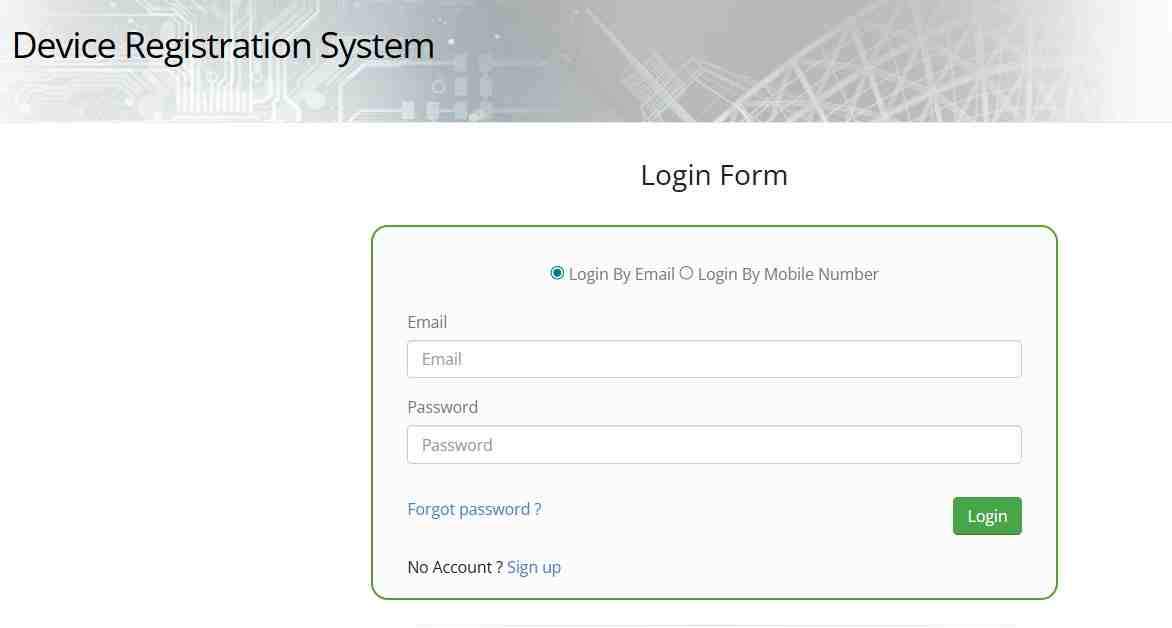
To generate a PSID, visit the DIRBS portal (https://dirbs.pta.gov.pk/drs). You will need to create an account using your CNIC, NICOP, or Passport number. After logging in, select the option to apply for a Certificate of Compliance (CoC) or register a device. Enter your phone’s IMEI number. The system will automatically calculate the exact tax amount based on the current FBR valuation and duty rates for that specific IMEI and model. It will then generate a unique 24-digit Payment Slip ID (PSID). This PSID is valid for a limited time, usually 7 to 15 days.
PTA tax calculator by Model: Using online tools to estimate before you buy
If you are considering purchasing a phone and want an estimate before committing, you can use third-party PTA tax calculators available on various websites. These tools allow you to select the brand and model (e.g., iPhone 15 Pro Max, Samsung S23 Ultra) and provide an estimated tax range. However, remember these are estimates. The final amount generated by the DIRBS portal via a PSID is the only binding figure.
Why is the PTA tax on my phone higher than the actual phone price?
This often happens when the FBR assigns a high customs value to a phone, sometimes even higher than its current market price, particularly for new, high-end models. The tax is calculated on this official value, not the price you paid. Additionally, the cumulative effect of customs duty, regulatory duty, and the 18 percent sales tax can easily push the total tax to a significant portion of the phone’s value. For commercial imports, the duties are structured to be higher than for personal baggage, which is another reason for variation.
PTA Tax Calculator by IMEI Pakistan: 2026 Tax Slabs and Rates
The FBR uses a slab-based system for calculating taxes, primarily based on the customs value of the phone. These slabs are periodically revised.
Latest PTA Mobile Tax List 2026: Detailed breakdown of tax slabs based on USD value
The tax slabs are generally structured as follows, though exact amounts can vary based on the specific FBR rulings in effect. The table below provides estimated tax amounts for registration on a passport.
| Tax Slab (Customs Value USD) | Estimated Tax (Passport) |
|---|---|
| $0 – $30 | ~Rs. 1,500 |
| $30 – $100 | ~Rs. 4,500 |
| $100 – $200 | ~Rs. 13,000 |
| $200 – $350 | ~Rs. 31,640 |
| $350 – $500 | ~Rs. 54,450 |
| Above $500 | Variable, often above Rs. 80,000+ |
How much is the PTA tax on an iPhone 15 Pro Max or iPhone 16?
Taxes on high-end iPhones typically fall into the highest brackets due to their high customs value. For example, a used iPhone 15 Pro Max, based on its depreciated value, might fall into the $200-$350 slab, resulting in an estimated tax of around Rs. 31,640 if registered on a passport. However, newer models like the iPhone 16, with higher assigned values, could easily fall into higher slabs, with taxes exceeding Rs. 80,000 or more. Always perform an IMEI check for the exact amount.
What are the latest PTA tax rates for Samsung Galaxy S24 or S23 Ultra?
Recent valuation rulings have made Samsung flagship phones more affordable. Here is an estimated breakdown based on new customs values for used models:
| Samsung Model (Used) | Customs Value ($) | Estimated Tax (Passport) |
|---|---|---|
| Samsung S23 Ultra | $255 | ~Rs. 31,640 |
| Samsung S23+ | $160 | ~Rs. 13,000 |
| Samsung S23 | $140 | ~Rs. 13,000 |
| Samsung S22 Ultra | $160 | ~Rs. 13,000 |
| Samsung S22 | $80 | ~Rs. 4,500 |
| Samsung S21 | $50 | ~Rs. 4,500 |
| Samsung Note 20 | $59 | ~Rs. 4,500 |
What is the PTA tax on a basic phone like the Nokia 3310?
Basic feature phones like the Nokia 3310 have a very low customs value, typically falling into the lowest tax slab ($0-$30). The estimated tax for such a device is around Rs. 1,500.
Passport vs. CNIC: Which Registration Method Saves You Money?
One of the most critical decisions in the PTA registration process is choosing whether to register the phone on your Passport or your CNIC. This choice has a significant financial impact.
Is there a difference between PTA tax on a passport and CNIC?
Yes, there is a significant difference. Generally, registering a mobile phone on a passport results in a lower tax amount compared to registering it on a CNIC. This is because the FBR and PTA differentiate between a returning resident bringing a personal device for their own use (registered on passport) and a resident importing or buying a phone for use within the country (registered on CNIC). The duties and tax structures are designed to be more lenient for personal, accompanied baggage.
PTA Tax with Passport vs. CNIC: A side-by-side cost comparison
To illustrate the difference, consider a phone that falls into the $200-$350 tax slab. If registered on a passport, the estimated tax might be around Rs. 31,640. If that same phone is registered on a CNIC, the tax could be significantly higher, potentially reaching Rs. 50,000 or more. The exact difference varies based on the phone’s value and current FBR regulations, but the passport route is almost always cheaper. This is why overseas Pakistanis and travelers are encouraged to use their passport for registration.
How can overseas Pakistanis register their phones for free or at a lower cost?
Overseas Pakistanis have a distinct advantage. They are eligible for a 120-day FBR tax-free mobile registration facility during each visit to Pakistan. This service, provided through the PTA’s automated Temporary Mobile Registration System, allows them to use their personal mobile devices without paying any tax for up to 120 days. After 120 days, if they are still in the country, they must either pay the tax to register it permanently or face a network block. This facility is fully digital and can be availed on the DIRBS portal.
What is the first mobile phone duty-free allowance for international travelers?
Yes, there is a concession for international travelers, including overseas Pakistanis. You are allowed to bring one mobile phone duty-free as part of your personal baggage, provided it is for your own use and not for commercial purposes.
However, this duty-free allowance is now linked to the temporary registration system. The phone is registered tax-free for 120 days. If you intend to stay longer or leave the phone in Pakistan after your departure, you must complete the permanent registration and pay the applicable tax, which will be calculated based on the passport registration rates.
How many phones can I register on one CNIC in a year?
The PTA and FBR have placed limits on how many devices can be registered on a single CNIC to prevent commercial misuse of the personal import allowance. Typically, you can register a limited number of devices per year—often one or two—on a single CNIC. Exceeding this limit may result in your application being flagged or rejected, or you may be required to pay higher commercial rates of duty. These limits are in place to curb smuggling and ensure the system is used for personal devices only.
Can I register a phone without a passport using only my CNIC?
Yes, if you are a Pakistani resident and do not hold a valid passport, or if you are importing a phone for personal use that will stay in Pakistan permanently, you can and should register it on your CNIC. This is the standard process for residents. While the tax will likely be higher than the passport rate, it is the correct and legal method to ensure your device remains compliant and unblocked.
The Impact of Recent Tax Revisions: What Changed?
The tax landscape for mobile phones in Pakistan is dynamic, with periodic revisions aimed at balancing revenue generation with consumer affordability.
PTA Tax Reduction: How the FBR lowered taxes on used and refurbished phones
In a significant move, the FBR revised the valuation rulings for hundreds of used and refurbished mobile phone models. Instead of taxing used phones based on their original, often inflated, launch prices, Customs now assesses them based on a realistic depreciated market value. This change directly targets the grey market and makes it more affordable for individuals to import or buy second-hand flagship phones. The result is that many premium devices now fall into lower tax slabs, leading to savings of thousands of rupees.
New Customs Valuation for iPhones: Savings on premium models
The revised valuations have particularly benefited iPhone users. Older flagship models like the iPhone 14, 15, and even 16 series (as they become used) are now assigned more reasonable customs values. For instance, a used iPhone 15 Pro Max might now be valued in the $200-$350 range instead of a much higher bracket, reducing its estimated tax from potentially over Rs. 80,000 to around Rs. 31,640. This represents massive savings for buyers opting for premium but slightly older technology.
New Customs Valuation for Samsung: How flagship models became more affordable
Samsung users have seen some of the most dramatic reductions. Phones like the Samsung S22 Ultra, once taxed heavily, now have a customs value of around $160, placing it firmly in the Rs. 13,000 tax slab. Similarly, the S23 Ultra, valued at $255, now incurs a tax of approximately Rs. 31,640, a fraction of its previous cost. Older flagships like the S10 series and Note 9 have seen their taxes drop to as low as Rs. 1,500, making them almost tax-free to import and register.
Does PTA tax apply to tablets and iPads with SIM slots?
Yes, the PTA tax and registration rules apply to any device that can connect to a mobile network using a SIM card. This includes tablets (like the iPad Pro with cellular) and laptops with built-in 4G/5G modems. If your tablet has a SIM slot and you intend to use a Pakistani SIM card in it, you must get it PTA approved. The tax calculation process is the same as for mobile phones, based on the device’s IMEI number and its customs value. Wi-Fi-only tablets do not require PTA approval.
How to Pay Your PTA Tax and Register Your Mobile
Once you have your PSID, the final step is payment and confirmation. This process is entirely online and streamlined.
Where can I pay my mobile registration duty online?
You have multiple convenient options to pay your PTA tax using the generated PSID:
- Online Banking: Log in to your bank’s website or mobile app. Navigate to the “Bill Payments” or “Tax Payments” section. Select “PSID” or “Government Taxes” as the payment type. Enter your 24-digit PSID and the amount will auto-populate. Confirm the payment.
- ATM: Visit any ATM of banks that accept government payments (like HBL, UBL, Allied Bank, etc.). Select the “Bill Payment” or “Government Payment” option and follow the instructions to enter your PSID and pay via your debit card.
- Bank Branch: You can visit the designated branch of a partner bank (list available on the FBR/PTA websites), fill out a deposit slip with your PSID and CNIC details, and pay in cash or via cheque.
- Mobile Wallets: Services like JazzCash and Easypaisa also have options for government tax payments where you can enter your PSID and pay directly from your wallet balance.
How to generate a PSID for PTA tax payment via the *8484# USSD code or DIRBS portal
Besides the web portal, you can also generate a PSID using the *8484# USSD code. Dial *8484# from your mobile phone and follow the interactive menu. Select the option for “Device Registration” or “Tax Information,” enter your IMEI, and the system will generate and send a PSID to you via SMS. This is a useful alternative if you do not have easy internet access. The primary method, however, remains the DIRBS portal at https://dirbs.pta.gov.pk/drs.
Payment Methods: How to pay via online banking, JazzCash, and Easypaisa
- JazzCash/Easypaisa: Open the app, go to “Payments” or “Bill Payments.” Look for “Government Payments” or specifically “PTA/FBR Tax.” Enter your PSID. The system will fetch the details. Confirm the amount and complete the payment using your mobile account balance. Keep a screenshot or note of the transaction ID for your records.
- Online Banking (e.g., HBL, UBL, Meezan): Log in, go to “Payments,” select “Government Payments” > “PSID Payment.” Enter the PSID number. Review the details (amount, purpose) and authorize the payment.
How do I check my PTA tax payment status online?
After making the payment, you can check its status on the DIRBS portal. Log in to your account on https://dirbs.pta.gov.pk/drs. Go to your application history or device list. The status for the IMEI you paid for should update from “Payment Pending” to “Payment Received” or “In-Process.” You can also use the IMEI check methods (SMS to 8484 or web portal) again. The status should eventually change from “Valid” to “Compliant.”
How long does it take for a phone to be unblocked after paying tax?
In most cases, the unblocking process is automatic and happens within 24 to 48 hours after the payment is successfully processed and verified by the system. You will receive a confirmation SMS from the PTA stating that your device has been registered. Once you receive this SMS, your phone is fully compliant. If your phone was previously blocked, you may need to restart your phone or re-insert your SIM card for the network to recognize the new status.
Can I pay PTA tax in monthly installments?
No, you cannot pay the PTA tax in monthly installments. The entire tax amount must be paid in one lump sum using the generated PSID before the device can be registered and marked as compliant. There is no financing or installment plan available through the official government system.
I received a confirmation SMS. Is my phone now fully approved?
Yes, absolutely. Once you receive an official SMS from the PTA confirming the successful registration of your device, it is fully approved. You can keep this SMS as proof of registration. You can also verify the “Compliant” status again by sending your IMEI to 8484 or checking on the web portal. Your phone will now work seamlessly on all Pakistani networks without any risk of future blocking.
Advanced Scenarios and Troubleshooting
How do I register the second SIM slot of a dual-SIM phone?
You must register both IMEI numbers. When you go through the registration process on the DIRBS portal, there is an option to enter two IMEIs. You will generate a single PSID that covers the tax for both IMEIs. Paying for both ensures both SIM slots remain active and compliant.
What if I bought a used phone? How to ensure the previous owner’s tax is cleared
Before buying a used phone, perform a PTA approved check using the IMEI. If the status is “Compliant,” the tax has already been paid. However, be cautious. Ask the seller for proof of payment, such as a copy of the PSID or the confirmation SMS. If the phone is still on a “Valid” status, negotiate the price knowing you will have to pay the tax. Avoid phones with a “Non-Compliant” or “Stolen” status entirely.
How do I check if my CNIC has been used for another phone’s registration?
You can check this by logging into the official DIRBS portal (https://dirbs.pta.gov.pk/drs) with your CNIC. Once logged in, navigate to your profile or the “My Devices” section. Here, you should be able to see a list of all IMEIs that have been registered against your CNIC. This is a useful way to monitor for any fraudulent activity.
My phone is blocked/unblocked after paying tax. What should I do?
If your phone remains blocked more than 48 hours after receiving a confirmation SMS, first restart your phone. If the issue persists, remove and re-insert your SIM card. If it is still blocked, contact your mobile network operator’s customer service. They can sometimes manually refresh the connection. If the operator cannot help, file a complaint with the PTA through their helpline or website, providing your IMEI, PSID, and proof of payment.
How to file a complaint with PTA if your device is wrongly blocked
You can file a complaint by visiting the official PTA website and navigating to the “Complaints” section. You will need to provide your CNIC, the IMEI number of the device, a detailed description of the issue, and any supporting documents such as proof of purchase and proof of tax payment. You can also call the PTA helpline for assistance.
WeBOC PTA Tax: What is WeBOC and its role in the import clearance process?
WeBOC (Web-Based One Customs) is the clearance system used by Pakistan Customs. For commercial importers, the process of bringing mobile phones into the country involves filing declarations on WeBOC, where customs duties are assessed and paid. The PTA tax for the end consumer, however, is separate and handled through the DIRBS system. WeBOC is more relevant for businesses and large-scale importers, while DIRBS is the system for individual end-users regularizing their personal devices.
Frequently Asked Questions
How can I check if my mobile is PTA approved via SMS?
Type your 15-digit IMEI number in a new SMS message and send it to 8484. You will receive a reply within minutes stating whether your device is Compliant, Valid, Non-Compliant, or Stolen/Blocked.
What is the code to check PTA registration status instantly?
There is no specific dial code. The instant check is performed by sending the IMEI number via SMS to 8484 or by entering it on the official DIRBS website at https://dirbs.pta.gov.pk/.
How do I find my 15-digit IMEI number on Android and iPhone?
Dial *#06# on your phone’s keypad. The IMEI number(s) will appear on the screen. Alternatively, check in Settings: on Android, go to About Phone > Status; on iPhone, go to Settings > General > About.
How much is the PTA tax on an iPhone 15 Pro Max?
The tax depends on the phone’s condition and current customs valuation. For a used iPhone 15 Pro Max, based on recent depreciation, the estimated tax for passport registration is approximately Rs. 31,640. For the exact amount, you must generate a PSID using your specific IMEI.
How is PTA tax calculated for used mobile phones imported from abroad?
The tax is calculated based on the customs value assigned to that specific model by the FBR, which is often a depreciated value. This value determines which tax slab the phone falls into. The tax amount is then calculated using the official FBR duty and tax rates applied to that slab.
Can overseas Pakistanis register their phones without paying tax?
Yes, overseas Pakistanis can register one mobile phone tax-free for up to 120 days per visit using the Temporary Mobile Registration System on the DIRBS portal. After 120 days, they must pay the applicable tax to continue using the device or face a network block.
Does being a tax filer reduce the PTA mobile tax?
Tax filer status can sometimes affect the rate of withholding tax on certain transactions, but the primary components of PTA tax (customs duty, regulatory duty, sales tax) are generally the same for filers and non-filers. The most significant factor for a lower tax is registering the phone on a passport rather than a CNIC.
How do I generate a PSID for PTA tax payment?
You can generate a PSID by logging into the DIRBS portal (https://dirbs.pta.gov.pk/drs) and applying for device registration using your IMEI. You can also dial *8484# and follow the menu to generate a PSID via USSD.
Why is my phone showing “IMEI is valid” but not approved?
“IMEI is valid” means your phone is genuine, but “not approved” means the PTA tax has not been paid. You are within the 60-day grace period and must pay the tax immediately to register the device and prevent it from being blocked.
How long does it take for a phone to be unblocked after paying tax?
It typically takes 24 to 48 hours for the system to process your payment and unblock the device. You will receive a confirmation SMS from the PTA once the process is complete.
What is the penalty for using a non-PTA approved device after 60 days?
The penalty is permanent network blocking. Your phone will be unable to connect to any mobile network in Pakistan, rendering it unusable for calls, texts, and mobile data.
How can I verify a phone’s PTA status via SMS?
Send the 15-digit IMEI number to 8484. The response SMS will contain the official status from the PTA.
What happens if I don’t pay the PTA tax within the 60-day deadline?
Your phone will be permanently blocked from all Pakistani mobile networks. To unblock it, you will have to pay the full tax and complete the registration process.
How can I track my mobile registration application status?
You can track your application by logging into the DIRBS portal with your credentials and checking the history or status of your submitted applications and generated PSIDs.
Is there a difference between DIRBS PTA tax and FBR tax?
No, they refer to the same thing. DIRBS is the system used to identify and register devices, and it integrates the tax rates and values determined by the FBR. The tax you pay is the FBR tax, calculated and collected through the DIRBS platform.

Add a Comment