
The Benazir Income Support Programme (BISP) 8171 service is the official government gateway for millions of Pakistani families to verify their eligibility for financial assistance using only their 13-digit Computerized National Identity Card (CNIC) number. This guide will teach you exactly how to perform your BISP 8171 eligibility check via SMS and the web portal, understand your PMT score, resolve common problems, and safely collect your Rs. 13,500 payment for the March 2026 installment.
What you will learn in this definitive guide:
- Step-by-Step Methods: How to check your status via the 8171 web portal and SMS.
- Eligibility Criteria: The exact PMT score, income, and asset rules for 2026.
- Troubleshooting: Why you might be ineligible and how to appeal the decision.
- Payment Collection: Where and how to safely collect your Rs. 13,500.
- Digital Wallet: Understanding the new 8171 Digital Wallet and SIM verification rules.
Key Takeaways
- 8171 is the Only Official Channel: All legitimate BISP communications come from the shortcode 8171 or the official web portal. Never trust messages from personal mobile numbers.
- PMT Score Below 32: Your eligibility is primarily determined by your Proxy Means Test (PMT) score. A score below 32 is the standard threshold for the Benazir Kafalat program.
- Digital Wallet is Mandatory: To receive payments in 2026, your mobile SIM must be registered in your own name (the female beneficiary) to link with the new 8171 Digital Wallet.
- Free Registration Process: All BISP surveys, registrations, and eligibility checks are completely free. Do not pay any agent or middleman for assistance.
- Read More: BISP 13500 Payment Status Check | BISP New Payment [March]
- Read More: BISP 8171 Online Check Balance | February
- Read More: 8171 Ramzan Package Check | February Apply Online
BISP 8171 Eligibility Check By CNIC Via SMS | March
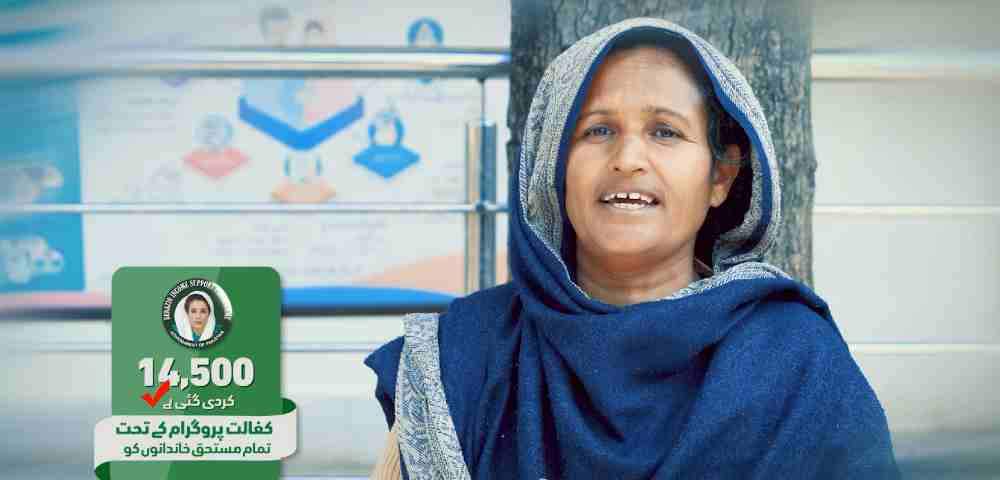
Table Of Contents
What is the BISP 8171 Program and Who is Eligible for the Rs. 13,500 Payment in March 2026?
The BISP 8171 program is not a separate scheme but the digital and SMS-based interface for the Benazir Income Support Programme (BISP). It serves as the primary communication and verification channel connecting beneficiaries to the government’s social safety net. The core purpose of 8171 is to allow citizens to check their enrollment status, payment schedule, and eligibility using their CNIC, thereby eliminating the need for middlemen and reducing corruption. This system is directly linked to the National Socio-Economic Registry (NSER) database and NADRA records.
What is the Benazir Kafalat Program and How Does it Connect to 8171?
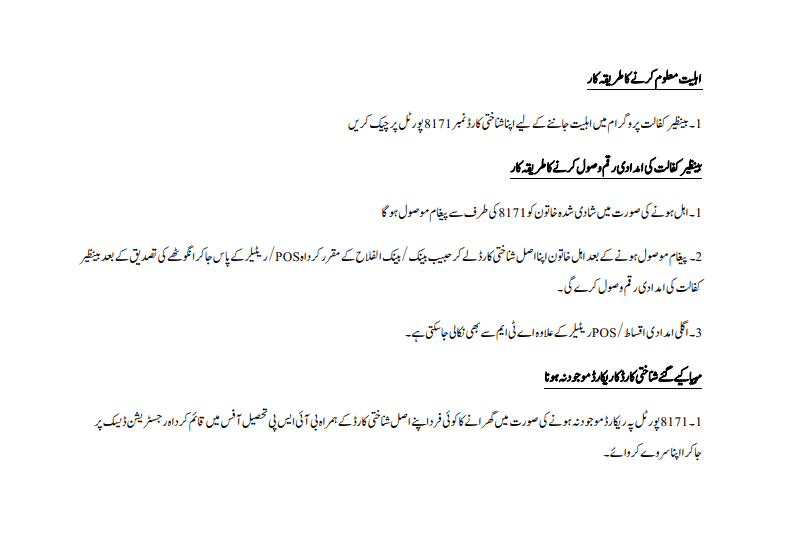
The Benazir Kafalat Program is the flagship unconditional cash transfer initiative under BISP, designed to provide financial support to low-income women. The 8171 system acts as the central data hub for this program. When you send your CNIC to 8171, the system cross-references your identity with the NSER survey data and your PMT score to determine if you qualify for the Kafalat quarterly stipend. If you are eligible, the 8171 portal and SMS service will also confirm when your payment (currently Rs. 13,500) has been released and is ready for collection.
What Are the Exact Eligibility Criteria for the BISP 8171 Program in 2026?
Eligibility for BISP is determined through a data-driven process to ensure transparency and fairness. Simply having a CNIC does not guarantee inclusion. The system evaluates several key indicators to identify households living below the poverty line.
- Income Threshold: The total monthly household income must typically be less than Rs. 30,000 to Rs. 45,000, depending on family size and location. This is verified through the NSER survey data.
- Poverty Score (PMT): This is the most critical factor. Your Proxy Means Test (PMT) score, calculated from your NSER survey, must generally be 32 or below. A lower score indicates a higher level of poverty and need.
- Employment Status: No member of the household should be a regular employee of the federal, provincial, or any government department, nor should they be receiving a government pension.
- Asset Verification: Families owning significant assets are typically disqualified. This includes owning more than 3 acres of agricultural land, owning a residential plot exceeding 80 square yards, or owning any registered vehicle.
- CNIC Validity: The applicant’s CNIC must be valid (not expired) and verified by NADRA. Biometric data on the CNIC must also be verifiable.
Who Are the Priority Groups for BISP Assistance in 2026?
While the PMT score is the primary filter, BISP gives priority to specific vulnerable demographics to ensure aid reaches those with the greatest social and economic needs.
- Female-Headed Households: Women who are the primary breadwinners for their families are a top priority.
- Widows and Divorced Women: Women who have lost their spouse or are divorced and lack a stable income source are given special consideration.
- Persons with Disabilities: Individuals with disabilities who are unable to work and their families are prioritized for support.
- Orphans and Transgender Persons: Families caring for orphaned children and registered transgender individuals are also high-priority groups.
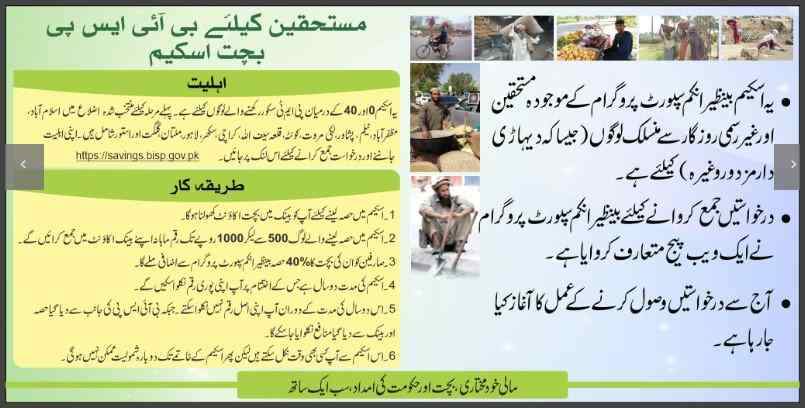
- Daily Wage Laborers: Families whose income depends on daily or seasonal labor and lack financial stability.
Who is Automatically Disqualified from Receiving the BISP Payment?
The BISP system is designed to automatically filter out households that do not meet the poverty criteria. These automatic disqualifications help conserve resources for the most deserving.
- International Travel: Any household member with a history of foreign travel or a valid passport is often flagged for review and may be disqualified.
- High Utility Consumption: Households showing high electricity or gas consumption bills are considered to have a better financial standing and are usually disqualified.
- Vehicle Ownership: Ownership of any registered vehicle, including cars, motorcycles above 70cc, or tractors, generally leads to disqualification.
- Dual Registration: Cases where the same family or individual is found registered under two different records are disqualified pending investigation.
How to Perform a BISP 8171 Eligibility Check (CNIC Check by SMS) in March 2026
Verifying your eligibility and payment status before taking any action is the most important step. It saves you from unnecessary travel and protects you from fraudsters who might claim they can “activate” your payment for a fee. The 8171 system offers two official, free, and secure methods for this check: the online web portal and the SMS service.
Why Should You Check Your Eligibility and Payment Status Before Visiting a Center?
Checking your status online or via SMS provides several critical advantages for every beneficiary.
- Avoiding Wasted Trips: You can confirm if your payment has actually been released for your district before traveling to a payment center, preventing long waits for nothing.
- Confirming Exact Amount: The 8171 system will show the exact amount you are entitled to, including any additional stipends like Taleemi Wazaif for children, ensuring you are not underpaid.
- Protecting Against Fraud: By knowing your official status, you can easily identify and ignore scammers who claim your payment is “stuck” and needs their paid intervention.
How to Check BISP 8171 Eligibility Online via the Official Web Portal?
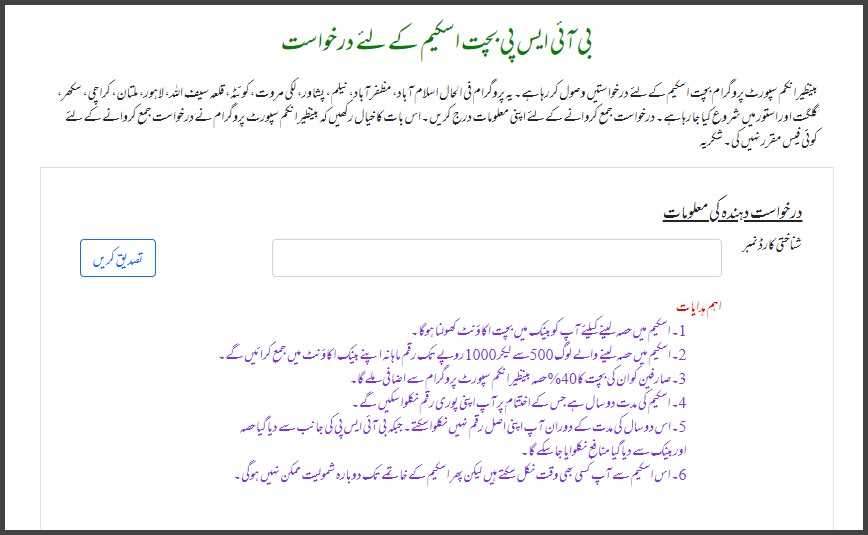
The web portal is the most comprehensive way to check your status, providing detailed information about your eligibility and payment.
What is the Official 8171 Web Portal Link for 2026?
The only official and secure web address for checking your BISP status is: https://8171.bisp.gov.pk . Be cautious of look-alike websites that may try to steal your personal information.
Step-by-Step Guide to the Online CNIC Check:
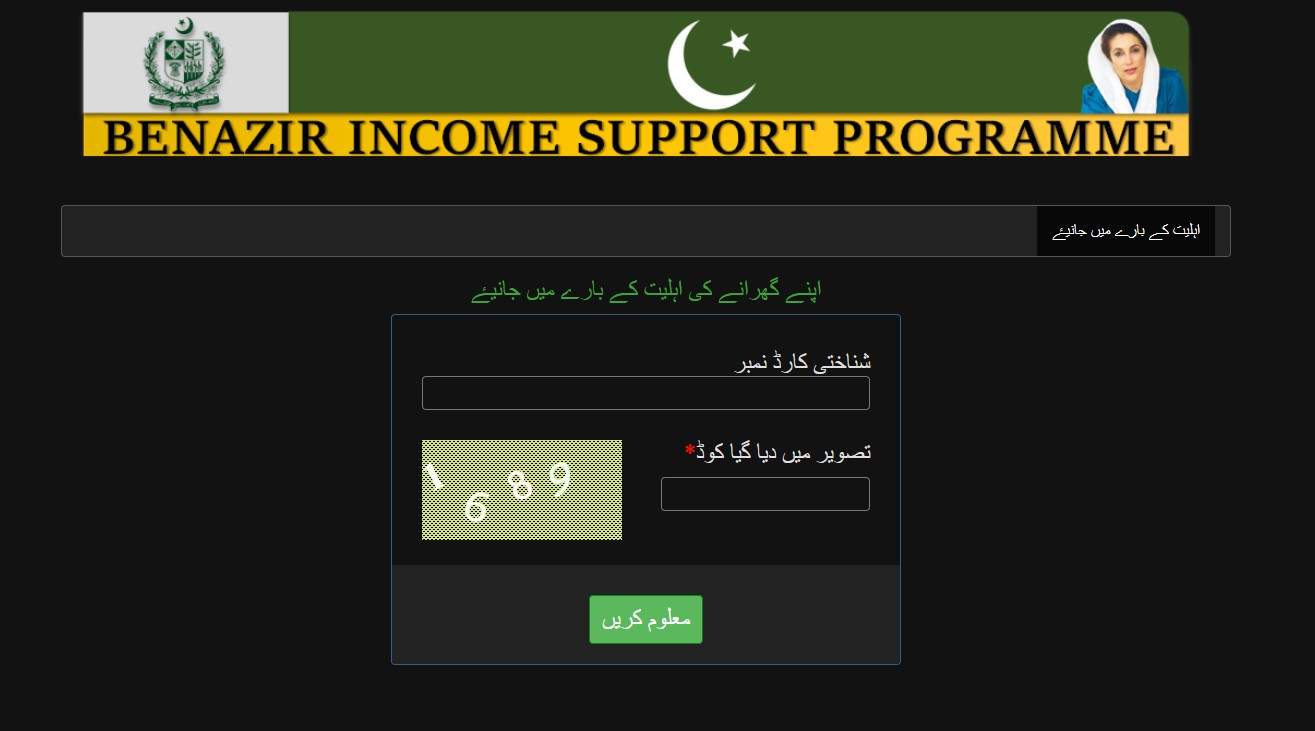
- Step 1: Navigate to the Portal: Open a web browser on your phone or computer and go to the official 8171 web portal.
- Step 2: Enter Your CNIC: On the homepage, you will find a field asking for your CNIC number. Carefully enter your 13-digit CNIC number without any spaces or dashes (e.g., 4210112345678).
- Step 3: Enter the Captcha: Type the captcha code exactly as it appears in the image provided on the screen. This verifies you are a human user.
- Step 4: Click Submit: Press the “Submit” or “Check Status” button to proceed.
- Step 5: View Your Result: Your eligibility and payment details will be displayed on the screen within seconds.
Understanding the Results on the 8171 Web Portal:
The portal will return one of several clear status messages. Understanding what each one means is crucial for your next step.
- “Eligible / Payment Available”: This is the best result. It confirms you are a beneficiary and the current installment (Rs. 13,500) has been released.
- “Under Verification” / “Pending”: Your application or survey data is currently being processed. This can take a few weeks. Check back later.
- “Not Eligible”: Based on your current data, you do not meet the program’s criteria. You can inquire about the reason at a BISP office.
- “Survey Required”: Your NSER survey data is old or missing. You must visit a BISP Tehsil Office to complete a new Dynamic Survey.
- “Blocked”: Your account has been temporarily suspended, often due to a biometric issue, a reported complaint, or a potential CNIC mismatch. Visit a BISP office to resolve this.
How to Check BISP 8171 Eligibility via SMS (The No-Internet Method)?
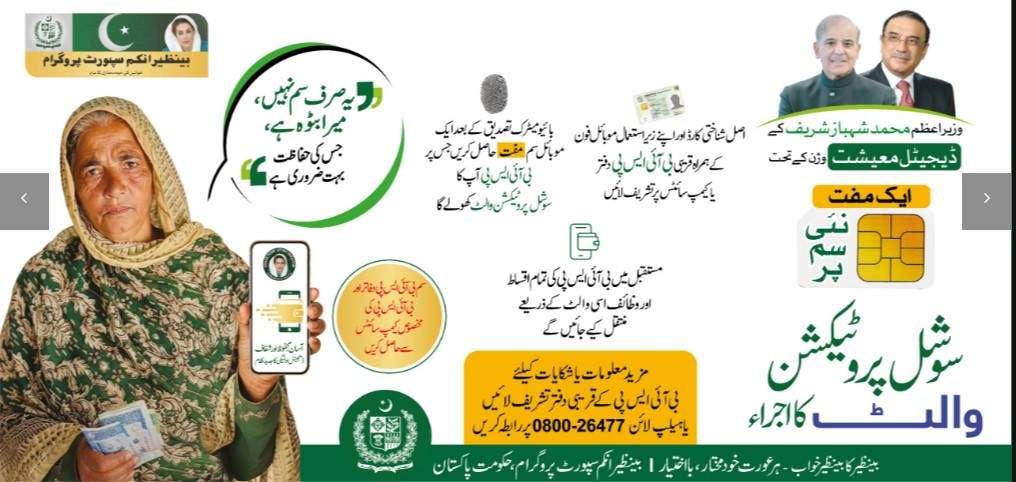
For beneficiaries in remote areas or those without a smartphone, the SMS service is a reliable and straightforward alternative.
What is the SMS Code for BISP Registration and Status Check in 2026?
The only official shortcode for all BISP communications is 8171. No other number is authorized to send or receive messages regarding your eligibility or payment.
Step-by-Step Guide to the 8171 SMS Service:
- Step 1: Open the default messaging app on your mobile phone.
- Step 2: In the “To” or recipient field, type 8171.
- Step 3: In the message body, type your 13-digit CNIC number only. Crucially, do not use any spaces or dashes.
- Step 4: Send the message. This service is free on all major Pakistani mobile networks.
Is the 8171 SMS Service Free of Charge?
Yes, the 8171 SMS service is completely free. You will not be charged for sending the message, and you will not be charged for receiving the reply. If your mobile network operator tries to deduct a charge, you should report it to their customer service and the BISP helpline.
What Kind of Reply Will I Receive from 8171?
Within a few seconds to a few minutes, you will receive a reply SMS from 8171. The message will clearly state your current status, similar to the web portal.
- Example Reply (Eligible): “Congratulations! You are eligible for the Benazir Kafalat program. Your payment of Rs. 13,500 has been released. Visit your nearest payment center with your original CNIC.”
- Example Reply (Not Eligible): “Dear citizen, based on your current socio-economic data, you are not eligible for BISP assistance. For more information, please visit your nearest BISP Tehsil Office.”
Why Am I Not Receiving a Reply from 8171?
It can be frustrating when you don’t get a response. Several common factors can cause this delay or failure.
- Incorrect CNIC Format: The most common reason. If you used spaces or dashes, the system will not recognize your input. Try again without them.
- Network Congestion: During payment cycles, millions of people are using the service simultaneously, which can temporarily overwhelm the system. Wait a few hours and try again.
- Data Mismatch: Your CNIC number may not be correctly linked to any NSER survey data in the BISP database.
- Temporary Technical Downtime: The 8171 system may occasionally be down for maintenance. If the problem persists for more than 24 hours, check the official portal.
What is the BISP 8171 Digital Social Protection Wallet and Do I Need It?
The BISP 8171 Digital Social Protection Wallet is a transformative initiative launched to modernize the payment system. It shifts the disbursement of funds from cash-based collections at campsites to a secure, digital account linked directly to the beneficiary’s CNIC. This system is designed to enhance transparency, eliminate illegal deductions by middlemen, and provide beneficiaries with greater control and dignity in accessing their funds.
What is the New 8171 Digital Wallet Initiative Announced for 2026?
The 8171 Digital Wallet is essentially a bank account or mobile wallet created for every registered BISP beneficiary. The government deposits the quarterly stipend (Rs. 13,500) directly into this digital wallet. The beneficiary can then withdraw the money from authorized biometric agents (like HBL Konnect or Bank Alfalah retailers) or from ATMs, ensuring that only they can access the funds. This system dramatically reduces the risk of fraud and makes the payment trail fully auditable.
Why is SIM Verification Mandatory for the BISP 8171 Digital Wallet?
A critical requirement for the digital wallet is the “SIM Mapping” or “SIM Verification” rule. The mobile SIM card you use to receive SMS alerts from 8171 must be registered in your own name (the primary female beneficiary’s name) with NADRA. This is a crucial security layer.
The “SIM Mapping” Rule:
This rule ensures that the person receiving the payment confirmation SMS is the same person who is biometrically verified to withdraw the money. It links your CNIC, your mobile number, and your digital wallet, making it nearly impossible for anyone else to intercept your funds or payment notifications. If your SIM is registered in your husband’s, son’s, or any other person’s name, you will face delays in receiving payments and may not be able to register for the wallet.
How to Register for the BISP 8171 Digital Social Protection Wallet?
The registration process for the digital wallet is designed to be simple but requires you to follow a few essential steps.
- Step 1: Verify via 8171 SMS: First, send your CNIC to 8171 to confirm your overall eligibility for the BISP program. The reply will also indicate if you need to register for the digital wallet.
- Step 2: Ensure SIM Ownership: Check your mobile SIM’s registration. You can do this by sending your CNIC to
668(for most networks) or visiting your mobile network operator’s customer service center. If the SIM is not in your name, visit your operator with your CNIC to get a free SIM swap into your own name. - Step 3: Biometric Activation: Once your SIM is verified, you may need to visit your nearest BISP Tehsil Office or an authorized payment center with your original CNIC. A representative will guide you through a one-time biometric verification to officially activate your digital wallet and link it to your CNIC and mobile number.
Can I Receive My BISP Payment Without a Smartphone?
Absolutely. The digital wallet system is designed to be inclusive and does not require a smartphone. A basic feature phone is perfectly sufficient. You will still receive critical SMS alerts (like payment confirmation and OTPs) from 8171. The cash withdrawal process at retailer shops or campsites relies on your biometric thumbprint, not on a smartphone app.
What is the Current BISP Payment Amount for March 2026 and How to Collect It?
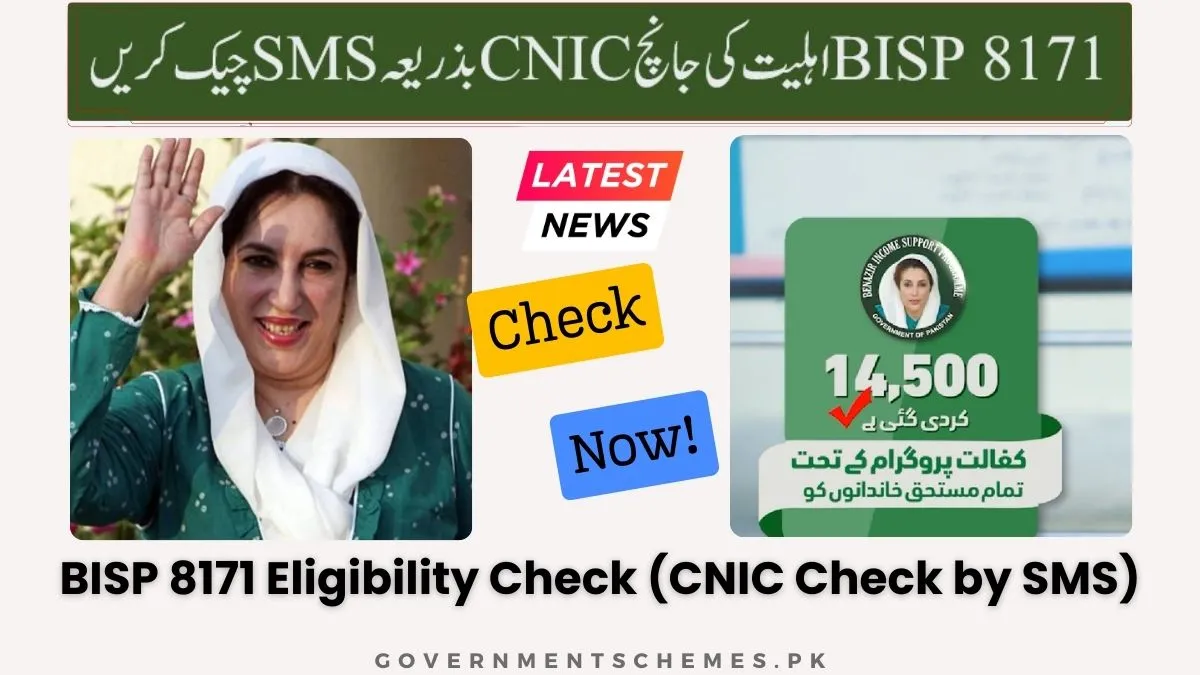
For the March 2026 payment cycle, the government has maintained the enhanced stipend to support families, particularly during the challenging economic climate. Knowing the exact amount and the authorized collection methods is key to a smooth experience.
How Much Money Will Eligible Families Receive in the March 2026 Installment?
The standard quarterly installment under the Benazir Kafalat program for March 2026 is Rs. 13,500. This amount is credited to the digital wallet of every eligible woman beneficiary. Families with children enrolled in school under the Benazir Taleemi Wazaif program will receive an additional stipend on top of this base amount. The exact total for these families can range from Rs. 13,500 up to approximately Rs. 14,500 or more, depending on the number of eligible children and their education levels.
How Do I Check My BISP 8171 Payment Status After Being Declared Eligible?
Once you have been confirmed as eligible, your next query will be about the actual payment. Checking your payment status is just as easy as checking your eligibility.
- Via 8171 Web Portal: Log on to the portal, enter your CNIC, and the system will show a specific status like “Payment Released” or “Payment Pending” for the current quarter.
- Via 8171 SMS: Send your CNIC to 8171. The reply will now indicate whether the payment for the March 2026 cycle has been processed and is available for collection in your district.
- District-Wise Phases: BISP releases payments in phases, district by district, to manage the load on payment centers. If your payment shows as “released” but you cannot collect it, it may simply not be your district’s designated week yet.
Where Can I Collect My BISP Rs. 13,500 Payment in March 2026?
BISP offers several secure and official channels for payment collection. You should only use these authorized methods.
- HBL Konnect and Bank Alfalah Biometric Retailers: These are the most common collection points. They are local shopkeepers or agents authorized by the banks to disburse payments using a biometric device.
- BISP Payment Campsites: In many rural areas or during peak payment phases, the government sets up temporary campsites in central locations to ensure all beneficiaries have access to their cash.
- Partner Banks (Biometric ATMs): Some banks, like HBL and Bank Alfalah, have ATMs equipped with biometric scanners. You can use these ATMs to withdraw your cash directly from your digital wallet using your thumbprint.
- Mobile Wallets: For beneficiaries who have fully activated their digital wallet, the funds may also be accessible through mobile financial services platforms like Easypaisa or JazzCash.
Step-by-Step Guide to Collecting Your Payment Safely:
Follow these steps to ensure a secure and successful payment collection.
- Step 1: Confirm Status: Always verify that your payment is “Released” on the 8171 portal or via SMS before you leave home.
- Step 2: Go to an Authorized Center: Visit one of the official payment channels mentioned above. Avoid any unofficial shops or individuals offering to help.
- Step 3: Present Your Original CNIC: You must provide your original, physical CNIC. Photocopies or digital photos will not be accepted.
- Step 4: Complete Biometric Verification: The payment agent will ask you to place your thumb on a biometric scanner. Ensure your thumb is clean and dry for a successful read.
- Step 5: Count Your Cash: The agent will hand you the cash. Before leaving the counter, count the money in front of them to confirm you have received the full Rs. 13,500 (or your entitled amount). Do not accept any deductions.
- Step 6: Get a Confirmation SMS: After a successful transaction, you should receive an SMS from 8171 confirming the payment. This serves as your official receipt.
How to Check BISP Taleemi Wazaif (Education Stipends) and Nashonuma Payments via 8171?
The BISP 8171 system is not limited to the Kafalat cash transfers. It also manages and provides information on conditional cash transfer programs designed to promote education and nutrition. These include the Benazir Taleemi Wazaif (education stipends) and the Benazir Nashonuma (health and nutrition) programs.
Can I Check My Benazir Taleemi Wazaif Status Through 8171?
Yes, the 8171 portal and SMS service are integrated to show the combined payment status for families enrolled in both Kafalat and Taleemi Wazaif. When you check your CNIC, the system will display the total amount you are eligible for, which includes the base Kafalat payment plus any additional stipends for your children who are verified as enrolled and attending school.
How to Check BISP Taleemi Wazaif Payment Online by CNIC?
- Using the Mother’s CNIC: The most reliable method is to use the mother’s CNIC on the 8171 web portal. The system is designed to link the education stipends for children to the primary female beneficiary’s record. The result will show a cumulative total if Taleemi Wazaif payments are included.
- Using the Child’s B-Form: In some cases, or for specific verification, you may be able to use the child’s B-Form number on the portal to check their individual education stipend status. However, the mother’s CNIC remains the primary identifier.
What are the Eligibility Criteria for Taleemi Wazaif in 2026?
To qualify for the education stipends, families and children must meet specific conditions beyond the basic Kafalat eligibility.
- Active Kafalat Beneficiary: The mother must first be an active, eligible beneficiary of the Benazir Kafalat program.
- School Enrollment: The child (ages 4-22) must be enrolled in a government school or a registered private school.
- Minimum Attendance: The child must maintain a minimum of 70% school attendance, which is verified quarterly by the school administration.
- Registration Form: A specific Taleemi Wazaif registration form, signed by the school principal, must be submitted to the BISP Tehsil Office to enroll the child.
Can I Check My Benazir Nashonuma Eligibility on 8171?
The Benazir Nashonuma program, which provides stipends to pregnant and lactating women and children under two to combat stunting, is also linked to the BISP system. While the primary registration and check-ups happen at dedicated Nashonuma facilities, eligibility is often tied to the mother’s BISP/Kafalat status. Checking your status via 8171 can sometimes indicate if you are part of the Nashonuma program or refer you to a nearby facility for assessment.
What is a PMT Score and How to Check it for BISP 8171 Eligibility?
The Proxy Means Test (PMT) score is the cornerstone of the BISP targeting mechanism. It is a statistically derived number that estimates the economic status of a household. Understanding your PMT score is essential to understanding why you may or may not be eligible for the program.
What is a Proxy Means Test (PMT) Score?
The PMT score is not a measure of your income alone; it’s a composite index calculated from a wide range of household data collected during the NSER survey. The formula considers factors that are “proxies” for wealth or poverty.
- Housing Conditions: The type of walls, roof, and number of rooms in your home.
- Asset Ownership: Ownership of items like refrigerators, televisions, motorcycles, or livestock.
- Household Demographics: Number of family members, number of earning members, and education levels of adults.
- Access to Utilities: Type of fuel used for cooking, source of drinking water, and sanitation facilities.
What is the PMT Score Limit for BISP 8171 Eligibility in 2026?
For the 2026 cycle, the eligibility threshold remains a PMT score of 32 or below. This is the cutoff line used to distinguish the poorest households from those with a slightly better economic standing.
- Score Below 32: Generally indicates a household is living below the poverty line and is eligible for assistance, provided all other criteria are met.
- Score of 32 or Above: Suggests the household has a relatively better economic status and is typically deemed ineligible for the Kafalat cash transfers.
How Can I Check My PMT Score for the BISP Program?
Directly viewing your precise PMT score number can sometimes be challenging, but you can infer it from your eligibility status.
- Check Eligibility Status: The most direct way is to check your eligibility on the 8171 portal or via SMS. If you are “Eligible,” it is almost certain your PMT score is below 32.
- PMT Score Check App: The government occasionally releases an official “PMT Score Check App.” If available, you can download this from the official app store (Google Play Store) to check your score. Be extremely careful to only download the official app.
- Visit a BISP Office: You can visit your nearest BISP Tehsil Office and request information about your PMT score. The staff can look up your record and inform you of your score and how it was calculated.
Troubleshooting: Why Am I Ineligible or Not Receiving Payments from 8171?
Receiving an “Ineligible” status or facing a payment delay can be stressful. However, most issues are administrative and can be resolved by following the correct procedures. This section covers the most common problems and their practical solutions.
What Should I Do if My CNIC is Declared “Ineligible” on the 8171 Portal?
An “Ineligible” status does not mean you will never be able to receive BISP support. It simply means that, based on the current data, your household does not meet the criteria. You have the right to appeal or update your information.
- Step 1: Understand the Reason: The “Ineligible” status is usually due to a PMT score above 32, which could be caused by outdated information (e.g., a family member previously had a job but is now unemployed) or an error in the initial survey.
- Step 2: Visit Your Nearest BISP Tehsil Office: Go to the BISP office in your tehsil. Ask the staff to check the specific reason for your ineligibility. Request a token for a “Dynamic Survey.”
- Step 3: Complete the New NSER Survey: When your turn comes, a BISP representative will conduct a new Dynamic Survey. It is vital that you provide honest and accurate information about your current household income, expenses, and living conditions. Any false information can lead to permanent disqualification.
- Step 4: Wait for Re-verification: After the new survey, your data will be processed. This can take anywhere from 30 to 60 days. Your new PMT score will be calculated, and if it falls below 32, you will be registered for future payments.
How Can I Appeal a “Not Eligible” Decision on 8171?
If you believe the “Not Eligible” decision is a mistake (for example, if the system shows you own a vehicle you don’t, or shows a government employee who has since left their job), you can file a formal appeal.
- The Formal Appeal Process: Visit your BISP Tehsil Office and request to file an appeal against the decision. You will likely need to fill out a form.
- Documents Required for the Appeal: To strengthen your case, bring supporting documents such as:
- An affidavit stating your current income.
- Death certificate of a spouse (for widows).
- Proof of resignation or retirement if a family member was previously a government employee.
- Any other document that proves your current financial hardship.
Why Did I Get an Eligibility Message But No Money in My Account?
This is a common point of confusion. An eligibility message confirms you are part of the program, but it does not guarantee that the current installment has been deposited into your wallet.
- District-Wise Phases: BISP releases payments in phases. Your district might be scheduled for a later phase. Check the 8171 portal again in a week or two.
- Biometric Issues: Even if the money is in your wallet, you might not be able to access it if your biometric verification fails at the payment center. The payment will remain in your wallet until you successfully withdraw it.
- Digital Wallet Registration Pending: If you haven’t completed the SIM verification for the digital wallet, your new payments may be held until your wallet is fully activated.
How to Fix “Biometric Verification Failed” Issues?
Biometric failure is one of the most frustrating problems, especially for older women or manual laborers with worn fingerprints.
- Apply Lotion: Dry fingers are a common cause of failure. Apply a moisturizing lotion to your hands 15-20 minutes before going to the payment center.
- Try Different Fingers: The system usually allows you to try all ten fingers. Don’t just stop at your thumb if it fails; try your index, middle, etc.
- Visit NADRA: If all fingers fail consistently, your fingerprints may have faded. Visit a NADRA center to update your biometric data. They have specialized equipment to capture worn prints.
- Alternative Verification: In some cases, if biometrics persistently fail, the payment center or BISP office may have an alternative verification process, such as a manual verification form, but this is rare and should only be used as a last resort.
How Do I Reactivate a Blocked BISP Account Through 8171?
An account can be blocked for several reasons, such as an expired CNIC or a fraud alert.
- Renew Your CNIC: The most common reason for a block is an expired CNIC. The moment your CNIC expires, your BISP account is automatically frozen. Get your CNIC renewed at NADRA immediately. Once the new CNIC is in the system, your BISP account should automatically reactivate within a few weeks.
- Resolve Fraud Cases: If your account is blocked due to a suspicion of fraud (e.g., someone reported you for giving a bribe), you must visit a BISP Tehsil Office in person with your documents to clear your name.
What Does a “Pending” Status Mean on the 8171 Portal?
A “Pending” status is not a bad sign, but it does require patience. It means your file is actively being processed by the BISP system.
- New Application Under Review: If you recently completed an NSER survey, your data is being analyzed and your PMT score is being calculated. This can take 30-45 days.
- Payment Processing: It can also mean that your payment for the quarter has been initiated but has not yet been fully processed by the bank or payment system. Check back in a few days.
What is the NSER Survey and Why is it Essential for 8171 Eligibility?
The National Socio-Economic Registry (NSER) survey is the foundational data collection exercise that underpins the entire BISP targeting system. Without a completed and up-to-date NSER survey, you cannot be considered for the BISP 8171 program.
What is the National Socio-Economic Registry (NSER) Survey?
The NSER is a comprehensive nationwide survey that visits households to collect detailed socioeconomic data. This data includes information on family composition, education, health, employment, assets, and living conditions. This information is then used to calculate each household’s unique PMT score. Think of the NSER as the master list of potentially eligible households in Pakistan. BISP uses this list to identify and verify those who are poorest.
How Do I Check if My NSER Survey is Complete via SMS or Online?
Your status on the 8171 portal is the best indicator of your NSER survey status.
- Status: “Eligible” or “Not Eligible”: This indicates that you have a completed NSER survey in the database, and a decision has been made based on that data.
- Status: “Survey Required” or “Record Not Found”: This is a clear indication that you either do not have an NSER survey on file, or your survey data is so old that it is no longer considered valid. You must complete a new Dynamic Survey to be considered for the program.
How Do I Register for the BISP 8171 Program if I am a New Applicant?
If you have never been part of BISP before and your 8171 check shows “Survey Required,” here is how to initiate your registration.
- Step 1: Find your nearest BISP Dynamic Registry Center, usually located at the BISP Tehsil Office.
- Step 2: Go to the center early in the morning and get a token for the NSER Dynamic Survey. Tokens can run out, so it’s best to arrive early.
- Step 3: When your token is called, a BISP enumerator will sit with you and complete the survey. You must provide accurate information about your family’s income, expenses, and living situation.
- Step 4: After the survey, you will be given a token or receipt. Your data will then be processed, and you will receive an SMS from 8171 in the coming weeks or months informing you of your eligibility status.
Official BISP Contact, Safety Guidelines, and Avoiding Scams
Protecting yourself from fraud is as important as checking your eligibility. Scammers often target vulnerable beneficiaries with fake promises and demands for money. This section provides the official contact points and essential safety rules.
What is the Official BISP Helpline Number for Eligibility Issues and Complaints?
If you encounter problems with your eligibility, face payment delays, or want to report a complaint, you have two primary official channels.
- Toll-Free Helpline: You can call the official BISP helpline at 0800-26477 from any phone. This call is free and connects you to the BISP complaint center.
- BISP Tehsil Office: For issues that cannot be resolved over the phone, you must visit your nearest BISP Tehsil Office. You can find its location by asking locally or searching online for “BISP Tehsil Office near me.”
How Do I Know if My 8171 SMS or Message is Fake or Real?
With the popularity of BISP, fraudulent messages are common. Here are the golden rules to identify a fake.
- Golden Rule: The Sender’s Number: The only authentic sender of BISP messages is the shortcode 8171. Any message regarding your BISP status or payment that comes from a personal mobile number (e.g., 03xxxxxxxxx) is 100% a scam.
- Message Content: Official messages never ask you to pay a fee, click on a strange link, or share your personal bank details or PIN codes. They are informational only.
- Grammar and Spelling: Scam messages often contain poor grammar, spelling mistakes, or urgent demands.
Important Safety Tips for BISP Beneficiaries in 2026:
- Never Pay for Registration: All BISP services, from the NSER survey to the eligibility check, are completely free. Never pay anyone who claims they can register you, update your survey, or increase your payment amount for a fee.
- Protect Your Biometrics: Your fingerprints are your password. Never let anyone other than an official, uniformed agent at a designated payment center scan your thumb. Unauthorized possession of your biometrics can be used to commit fraud.
- Collect in Daylight: If possible, go to payment centers during daylight hours, preferably with a family member or a trusted neighbor for safety.
- Report Deductions Immediately: If any agent or shopkeeper demands a “cut” or deduction from your payment (e.g., asking for Rs. 500 to give you the remaining Rs. 13,000), refuse to pay and report them immediately to the BISP helpline at 0800-26477.
Can I Check Someone Else’s BISP Status Using My Phone?
Yes, the 8171 SMS service is based on the CNIC number entered, not the SIM owner. You can type another person’s CNIC and send it to 8171 to check their status for them. However, it is very important to remember that you cannot collect their payment. Payments can only be collected by the registered beneficiary themselves after biometric verification.
Conclusion
Your Roadmap to a Successful BISP 8171 Eligibility Check and Payment Collection
Navigating the BISP 8171 system in 2026 is straightforward when you rely on official channels and accurate information. Your journey to financial support starts with a simple step: sending your CNIC to 8171 or visiting the official web portal. Remember that your PMT score, updated survey data, and verified CNIC are the keys to unlocking this assistance.
The government’s shift towards the 8171 Digital Wallet is a significant move towards a more transparent and dignified system, putting you in direct control of your funds. By staying informed, following the official procedures, and remaining vigilant against fraud, you can ensure you receive the full support you are entitled to without unnecessary stress or delays. Check your status today to secure your financial support for March 2026.
Disclaimer: This guide is based on the official procedures and announcements regarding the Benazir Income Support Programme (BISP) as of March 2026. The author is not an official representative of BISP. For personalized assistance or to resolve specific issues, please contact the official BISP helpline at 0800-26477 or visit your nearest BISP Tehsil Office.
Frequently Asked Questions (FAQs)
Q1: How can I check my BISP 8171 eligibility by CNIC?
You can check your eligibility by sending your 13-digit CNIC number (without dashes) via SMS to 8171. Alternatively, you can visit the official 8171 web portal at https://8171.bisp.gov.pk, enter your CNIC and the captcha code, and click submit to view your status.
Q2: What is the current BISP payment amount for March 2026?
The current quarterly installment for the Benazir Kafalat program is Rs. 13,500. Families with children enrolled in the Taleemi Wazaif program may receive an additional amount on top of this base stipend.
Q3: What is a PMT score and what is the limit for eligibility?
PMT stands for Proxy Means Test. It is a score calculated from your household’s socioeconomic data that determines your poverty level. The eligibility limit for the BISP Kafalat program in 2026 is a PMT score of 32 or below.
Q4: Why am I not receiving a reply from 8171 after sending my CNIC?
This can happen for a few reasons. The most common is that you may have typed your CNIC with spaces or dashes; try again without them. It could also be due to network congestion or a temporary system issue. If the problem persists, use the online portal to check your status.
Q5: What should I do if my BISP 8171 status shows “Not Eligible”?
If you are declared “Not Eligible,” you can visit your nearest BISP Tehsil Office to inquire about the specific reason. If your financial situation has worsened or the data was incorrect, you can request a new NSER Dynamic Survey to update your information and potentially qualify in the future.
Q6: How do I collect my BISP payment from the 8171 digital wallet?
Once your payment is released, you can visit an authorized payment center, such as an HBL Konnect or Bank Alfalah retailer. You will need to provide your original CNIC and complete biometric verification (thumb scan) to withdraw your cash. Ensure your mobile SIM is registered in your own name to receive confirmation alerts.
Q7: Is the BISP 8171 SMS service really free?
Yes, the SMS service to and from 8171 is completely free on all major Pakistani mobile networks. You should not be charged for sending your CNIC or receiving the reply. If you are charged, report it to your service provider.
Q8: How can I register my child for the Benazir Taleemi Wazaif program?
To register your child, you must first be an active BISP Kafalat beneficiary. Visit your nearest BISP Tehsil Office with your CNIC and your child’s B-Form. Obtain the Taleemi Wazaif registration form, have it signed and stamped by your child’s school principal to confirm enrollment, and submit it back to the BISP office.

Add a Comment