
The Zarai Qarza Scheme, known as the 10 Lakh Zarkhez-e App, is a fully digital, collateral-free agricultural financing initiative launched by the State Bank of Pakistan (SBP) to provide small farmers with loans up to Rs. 1 million through a centralized mobile application without visiting a bank branch.
From this guide, you will learn:
- Exact loan limits for landowners and tenants
- Complete step-by-step digital application process
- Eligibility criteria and required documents
- Disbursement structure and repayment terms
- Troubleshooting common application issues
Key Takeaways
- Collateral-Free Access: Farmers no longer need land documents as security; loans are granted based on farming capacity and digital verification.
- 75/25 Disbursement Split: Most of the loan (75%) is given as digital vouchers for seeds, fertilizers, pesticides, and diesel, ensuring funds are used productively.
- Two-Tier Loan Limits: Landowning farmers can access up to Rs. 1,000,000, while tenant farmers are eligible for up to Rs. 500,000.
- Government-Backed Risk Coverage: A 10% first-loss guarantee and operational cost subsidy incentivize banks to lend to small and underserved farmers.
- Fully Digital Journey: From registration and verification to disbursement and repayment, the entire process is completed online via the Zarkhez-e app or portal.
- Read More: Zarkhez-e-Asaan Digital Zarai Qarza | 10 Lakh Agriculture Loan Scheme
- Read More: Excise Sindh Fuel Subsidy – People’s Motorcycle Fuel Subsidy Program
- Read More: Motorcycle Fuel Subsidy Program (By Sindh Govt Rs.2K)
- Read More: Sindh Government Petrol Subsidy App (Rs. 2K Apply Online) | Sindh Fuel Relief App
Zarai Qarza Scheme – Farmer Loan Scheme (10 Lakh Zarkhez-e App)
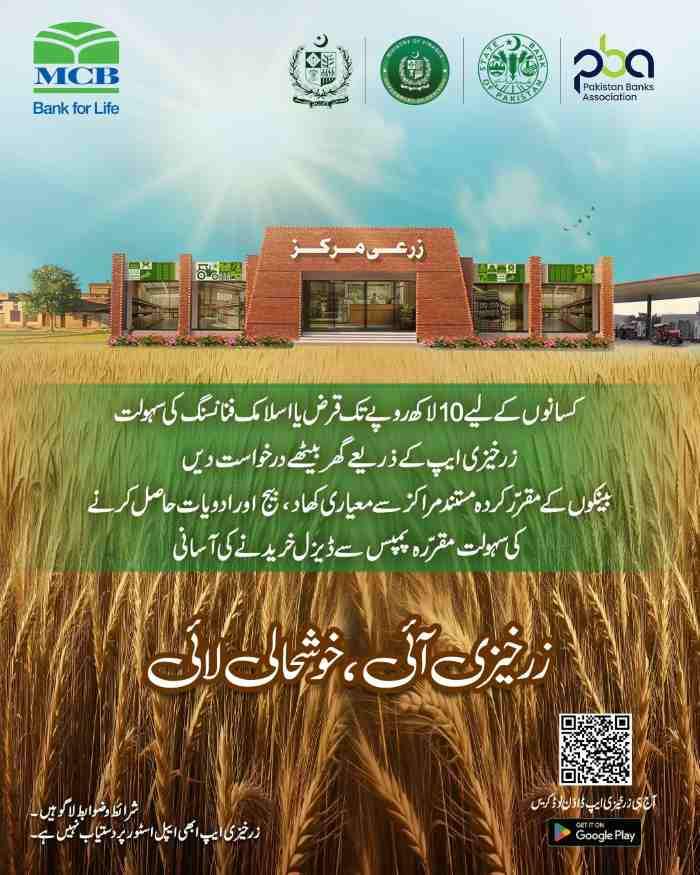
Table Of Contents
Introduction: What is the Zarai Qarza Scheme (10 Lakh Zarkhez-e App) and Why Was It Launched?
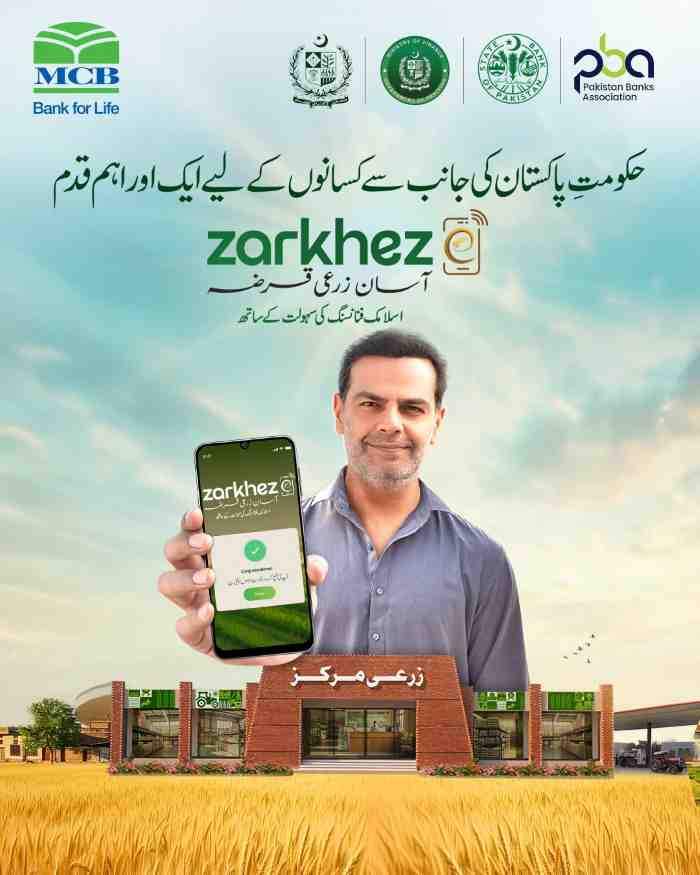
The Zarai Qarza Scheme, branded as Zarkhez-e with the tagline “Asaan Digital Zarai Qarza,” is a digital-first agricultural financing program introduced by the State Bank of Pakistan (SBP) under the National Subsistence Farmers Support Initiative (NSFSI). This scheme was launched to address the long-standing financial exclusion of small and subsistence farmers who have been unable to access formal credit due to lack of collateral, high transaction costs, and geographic barriers.
Zarkhez-e: A Complete Overview of the Asaan Digital Zarai Qarza
Zarkhez-e is not a standalone loan product but a centralized digital ecosystem that connects farmers, banks, microfinance institutions, and approved agricultural merchants through a single mobile app and web portal. The platform integrates with the Land Information Management System (LIMS), NADRA for biometric verification, and Pakistan Mobile Communications (PMD) for SIM validation, creating an end-to-end digital lending infrastructure.
The Core Objectives: Financial Inclusion, Ending Moneylender Exploitation, and Enhancing Agricultural Productivity
The scheme has three interconnected objectives. First, to bring 750,000 previously unbanked farmers into the formal financial system. Second, to replace expensive informal credit from local moneylenders (Arthis) who charge exorbitant interest rates. Third, to improve farm productivity by ensuring farmers receive quality inputs and agronomic advisory services alongside financing.
Why the Zarai Qarza Scheme is a Game-Changer for Pakistan’s Agriculture Sector
Pakistan’s agricultural credit system has historically favored large landowners. Data shows that only 7% of farmers (primarily large landowners) received 68% of total agricultural credit. The Zarai Qarza Scheme directly addresses this imbalance by targeting the 93% of small farmers who have remained outside the formal banking system. The program is projected to inject substantial liquidity into rural economies over the next three years.
What is the difference between the Zarai Qarza Scheme, ZTBL Loan Scheme, and the E Zarkhez Loan Scheme?
Zarkhez-e is the overarching digital platform and framework developed by SBP. ZTBL (Zarai Taraqiati Bank Limited) is one of the participating banks offering loans through this platform. The “E Zarkhez loan scheme” refers to the same digital application process. Multiple banks, including ZTBL, HBL (via HBL Zarai Services), BOP (Bank of Punjab), and MCB Bank, participate in the Zarkhez-e initiative, each using the same centralized portal for application processing.
1. Zarai Qarza Scheme: Financing Amount, Loan Limits & Disbursement Structure
The Zarai Qarza Scheme provides short-term production financing for one crop cycle, with loan amounts calculated on a per-acre basis up to specified maximum limits. The financing is structured as a hybrid model combining in-kind input supply and cash disbursement.
What is the maximum loan limit for a tenant farmer under the 10 Lakh Zarkhez-e App?
The maximum loan limit for a tenant farmer under the Zarkhez-e scheme is Rs. 500,000. This amount is calculated at Rs. 100,000 per cultivated acre, with the tenant farmer’s maximum cap set at half of what landowners can access.
How much loan can a landowning farmer get from the Zarai Qarza Scheme?
For Landowners: Landowning farmers can borrow up to Rs. 100,000 per acre, with an absolute maximum limit of Rs. 1,000,000 (10 Lakh). The per-acre calculation applies only up to the landholding caps specified by province.
For Tenants/Landless Farmers: Tenant farmers receive the same per-acre rate of Rs. 100,000 but with a lower overall ceiling of Rs. 500,000.
The table below summarizes loan limits by farmer category:
| Farmer Category | Per Acre Limit | Maximum Total Loan |
|---|---|---|
| Landowner (Punjab/KPK) | Rs. 100,000 | Rs. 1,000,000 (up to 12.5 acres) |
| Landowner (Sindh) | Rs. 100,000 | Rs. 1,000,000 (up to 16 acres) |
| Landowner (Balochistan) | Rs. 100,000 | Rs. 1,000,000 (up to 32 acres) |
| Tenant Farmer (All Provinces) | Rs. 100,000 | Rs. 500,000 (maximum) |
What percentage of the loan is provided as digital vouchers for seeds and fertilizer?

At least 75% of the total approved loan amount is disbursed “in-kind” through digital vouchers. These vouchers can only be redeemed at approved agricultural merchants (agri-merchants) that have been onboarded by participating banks. The remaining 25% is disbursed in cash directly to the farmer’s digital wallet or bank account.
Can I use the loan for poultry or livestock farming under the Zarkhez-e Scheme?
The primary purpose of the Zarkhez-e loan is short-term crop production financing. The approved in-kind spending categories are specifically limited to seeds, fertilizers, pesticides, and diesel for crop cultivation. Poultry or livestock farming is not covered under this scheme’s standard framework, though farmers should check with their chosen bank for any specialized agricultural loan products.
What specific crop inputs can be purchased using the digital vouchers?
The digital vouchers can be used exclusively for four categories of agricultural inputs:
- Quality seeds (certified varieties)
- Fertilizers (including urea, DAP, NPK, and other soil nutrients)
- Pesticides and crop protection products
- Diesel fuel for farm machinery and irrigation pumps
Financing Tenor & Repayment Period: How long does a farmer have to repay the Zarkhez-e loan?
The financing tenor is up to 12 months, aligned with a single crop cycle. Repayment of principal plus applicable markup/profit is due at the end of the financing tenor. Farmers are permitted to make early repayments without any prepayment penalty, which can help reduce the total markup cost and improve their credit score for future loan applications.
Read More: Sindh Govt Petrol Subsidy Scheme – Petrol Subsidy App
2. Eligibility Criteria: Who is Eligible for the Rs. 1 Million Zarkhez-e Loan?
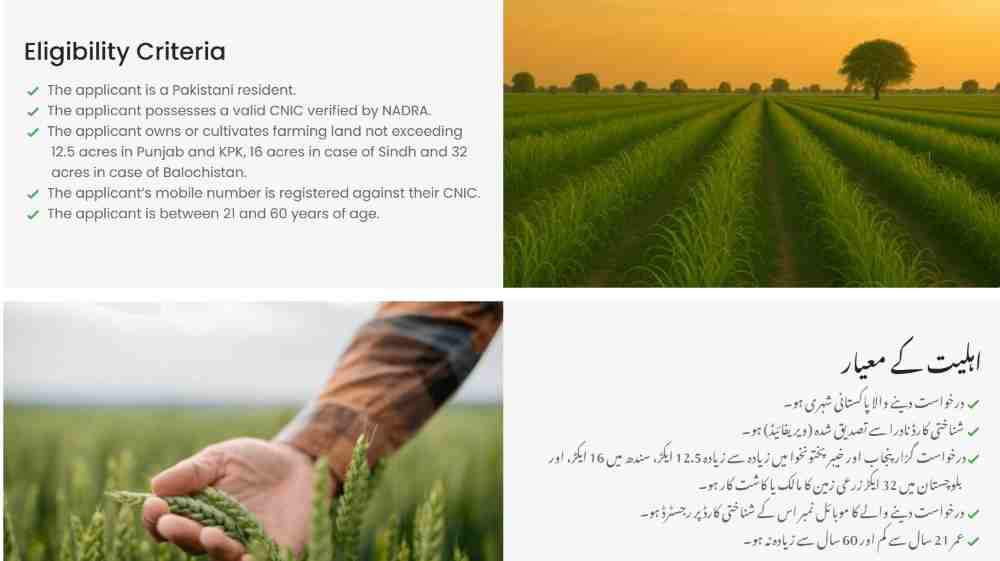
The Zarkhez-e scheme is designed specifically for subsistence and small-scale farmers. Eligibility is determined based on landholding size, age, nationality, and digital verification requirements. A critical distinction is that eligibility does not equate to automatic loan entitlement; final lending decisions rest entirely with individual banks based on their internal credit assessment policies.
How much land do I need to own to get a 10 lakh loan?
Landholding limits vary by province to account for regional agricultural differences:
- Punjab and Khyber Pakhtunkhwa (KPK): Farmers owning or cultivating up to 12.5 acres are eligible.
- Sindh: Farmers with landholdings up to 16 acres qualify.
- Balochistan: The limit is set at up to 32 acres, reflecting the lower productivity per acre in the province.
These limits apply to both landowners and tenant farmers. Farmers with landholdings exceeding these thresholds are not eligible, as the scheme targets subsistence farmers.
Do I need to provide land documents (collateral) for this loan?
No. The Zarkhez-e scheme is explicitly collateral-free. Unlike traditional agricultural loans that require land titles or property documents as security, this scheme grants loans based on farming capacity, digital verification, and agronomic assessment. Banks remain free to seek collateral according to their internal policies, but the scheme’s design eliminates this as a standard requirement.
What is the age limit for applying for the Zarai Qarza Scheme?
Applicants must be between 21 and 60 years of age at the time of application. This age bracket ensures that borrowers are within their productive farming years and capable of repaying the loan within the 12-month tenor.
What are the NADRA and mobile SIM requirements for Zarkhez-e registration?
Two critical digital verification requirements must be met:
- Valid CNIC: The applicant must possess a valid Computerized National Identity Card (CNIC) verified by NADRA.
- Registered Mobile SIM: The mobile phone number used for registration must be biometrically verified and registered in the applicant’s own name with the Pakistan Mobile Communications (PMD) database.
These requirements are non-negotiable, as the entire application process relies on OTP verification and digital identity authentication.
Can landless farmers or tenants apply for the Zarkhez-e scheme?
Yes. The scheme explicitly includes tenant farmers (Muzaray) and landless cultivators. They are eligible for loans up to Rs. 500,000, calculated at Rs. 100,000 per cultivated acre. This inclusion is a fundamental departure from traditional agricultural lending, which typically excludes tenants due to lack of collateral.
Can women farmers apply for the Zarkhez-e Zarai Qarza?
Yes. Women farmers are fully eligible to apply under the same criteria as male farmers. The scheme includes specific provisions to encourage female participation, including reserved quotas and targeted training programs for women farmers.
Can farmers from Sindh and Balochistan apply for this scheme?
Yes. The Zarkhez-e scheme is open to farmers in all four provinces of Pakistan, as well as Gilgit-Baltistan and Azad Jammu & Kashmir. The provincial landholding limits (16 acres for Sindh, 32 acres for Balochistan) are specifically designed to ensure equitable regional access.
Who is not eligible for the Zarkhez-e Farmer Loan Scheme?
The following categories of farmers are not eligible:
- Farmers whose landholdings exceed the provincial limits (12.5 acres for Punjab/KPK, 16 acres for Sindh, 32 acres for Balochistan)
- Applicants younger than 21 or older than 60 years
- Non-Pakistani residents or citizens
- Individuals without a valid, NADRA-verified CNIC
- Farmers whose mobile SIM is not registered in their own name
- Applicants with existing overdues or write-offs on their credit history as per ECIB checks
- Farmers who have already availed a Zarkhez-e loan and not yet repaid it
3. Step-by-Step Application Guide: How to Apply for a 10 Lakh Loan Through the Zarkhez-e App
Applying for the Zarai Qarza Scheme is a fully digital process completed either through the Zarkhez-e mobile application or the centralized web portal. The entire journey from registration to disbursement requires no physical bank branch visit.
How do I download the official Zarkhez-e mobile application?
Where can I find the Zarkhez-e App for Android?
The official Zarkhez-e application is available for download on the Google Play Store. Search for “Zarkhez-e” or “BOP Zarkhez-e” to find the verified app. The app is designed to provide complete self-service registration, application submission, and account management.
Is the Zarkhez-e app available for iPhone/iOS users?
While the primary focus has been on Android availability, farmers can also access the Zarkhez-e portal through any mobile web browser on iOS devices. Farmers without smartphone access can visit their nearest bank branch for assistance with digital onboarding.
How to Apply: A Step-by-Step Walkthrough of the Online Process
The application process follows five structured steps, each designed to be completed digitally without paperwork.
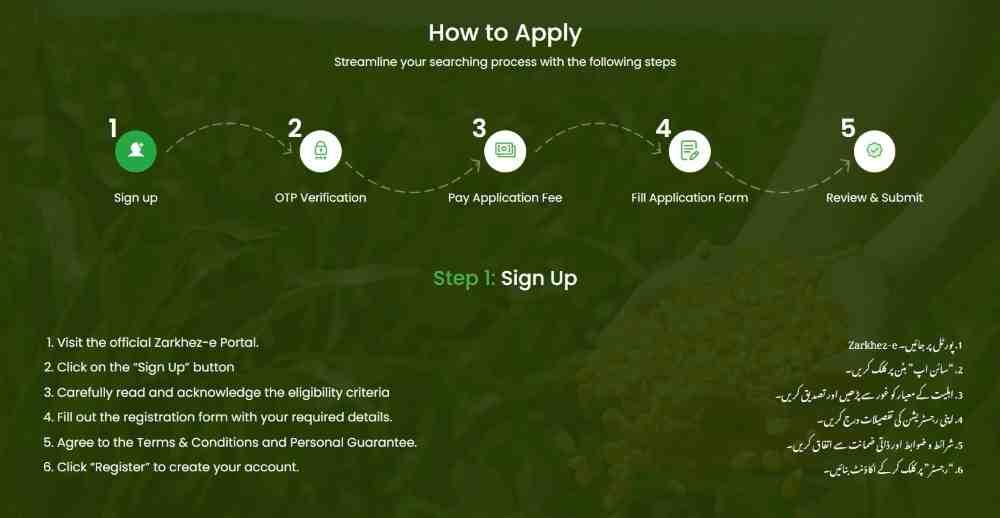
Step 1: Sign Up & Account Creation on the Zarkhez-e Portal.
Visit the official Zarkhez-e portal or open the mobile app. Click the “Sign Up” button and carefully read the eligibility criteria. Fill out the registration form with your personal details, including full name, CNIC number, mobile number, and email address. Agree to the Terms & Conditions and Personal Guarantee, then click “Register” to create your account.
Step 2: OTP Verification & CNIC Validation.
After registration, an OTP (One-Time Password) will be sent to your registered mobile number. Enter this OTP to verify your mobile SIM. The system then performs real-time NADRA ID verification and PMD mobile SIM cross-checking to confirm that your identity documents match your mobile registration.
Step 3: Filling the Online Application Form (Crop type, land size, etc.).
Log in to your account and start a new loan application. Provide detailed information about:
- Type of farming activity and crops planned (wheat, rice, cotton, sugarcane, etc.)
- Land ownership status (owner or tenant)
- Land size in acres, with specific location details
- Productivity history and farming experience
- Preferred bank or microfinance institution for loan processing
The system uses satellite imagery and Land Information Management System (LIMS) data to verify the agronomic information you provide.
Step 4: Paying the Application Processing Fee of Rs. 1,200.
A processing fee of Rs. 1,200 must be paid online through the portal. This fee covers the necessary verification costs, including PMD mobile SIM validation, NADRA database checks, and LIMS agronomic assessment. The fee is non-refundable and must be paid for the application to proceed to bank review.
Step 5: Digital Review & Submission of the Zarkhez-e Application.
Review all entered information carefully. Once submitted, the application undergoes automated verification checks. It is then forwarded to your chosen bank for credit assessment and approval decision. The entire submission process is paperless and digital.
What documents are required to register on the Zarkhez-e app?
The document requirements are minimal and fully digital:
- Scanned copy or clear photograph of your valid CNIC (front and back)
- Digital photograph of the applicant (selfie or passport-style)
- Land records or tenancy proof (digital or photograph of document)
- Mobile SIM registered in your name (verified via OTP)
No physical document submission is required at any stage of the application process.
How does the app verify my land ownership through LIMS and satellite imagery?
The Land Information Management System (LIMS) is a centralized database of land records and agronomic data. When you submit your application, the system:
- Cross-references your declared land location against digital land records
- Uses satellite imagery to verify crop patterns and land productivity
- Assesses agricultural suitability based on historical farming data
- Flags inconsistencies between declared and actual land use
This automated verification eliminates the need for manual land inspection and reduces opportunities for fraudulent applications.
How long does the Zarkhez-e loan approval process take?
The standard approval timeframe is 7 to 10 working days from the date of complete application submission. This includes digital verification, bank credit assessment, and final approval. The digital nature of the process significantly reduces the waiting time compared to traditional agricultural loans, which can take weeks or months.
How to Track Your Zarkhez-e Loan Application Status Using Your CNIC.
After submission, you can track your application status at any time by:
- Logging into the Zarkhez-e app or portal using your CNIC and password
- Checking the “My Applications” section for real-time status updates
- Receiving SMS notifications at key milestones (verification complete, under bank review, approved, disbursed)
Which banks are providing loans through the Zarkhez-e app?
List of Participating Banks:
- Zarai Taraqiati Bank Limited (ZTBL)
- Bank of Punjab (BOP), with its own BOP Zarkhez-e app
- Habib Bank Limited (HBL), via HBL Zarai Services Limited
- MCB Bank
- Multiple Microfinance Banks (MFBs)
Most banks and microfinance banks have integrated their systems with the centralized Zarkhez-e portal. The State Bank has encouraged remaining institutions to complete their integrations at the earliest.
Is the Zarkhez-e program available at Zarai Taraqiati Bank Limited (ZTBL)?
Yes. ZTBL is a major participating bank in the Zarkhez-e initiative. The bank has partnered with HBL Zarai and State Life Insurance Corporation (SLIC) to provide integrated financing, life insurance coverage, and in-kind agricultural services under the scheme.
How to apply for the ZTBL Loan Scheme 2026 through the Zarkhez-e Portal.
The application process for ZTBL is identical to the standard Zarkhez-e process. During the application form, simply select ZTBL as your preferred bank. Your application will be routed to ZTBL’s digital credit assessment team for processing.
Can I apply for the Zarai Qarza Scheme without the app, perhaps through a web portal?
Yes. Farmers can access the Zarkhez-e digital portal through any web browser on a computer or smartphone. The portal offers the same functionality as the mobile app, including registration, application submission, and status tracking. Bank branches also offer assistance for digital onboarding for farmers who need help with the online process.
4. Supporting Features: Agri-Advisory Services, Insurance, and Risk Coverage
The Zarkhez-e scheme goes beyond simple loan disbursement by integrating advisory services, insurance coverage, and risk mitigation mechanisms designed to protect both farmers and lenders.
What Agri-Advisory Services (AAS) are included with the Zarkhez-e loan?
Agri-advisory services are provided to all farmers availing the Zarkhez-e loan. These services include:
- Guidance on modern farming methods and sustainable cultivation practices
- Crop management recommendations based on satellite agronomic data
- Optimal water and fertilizer usage advice to improve yields
- Pest and disease management strategies
- Seasonal planning and crop rotation recommendations
Financial institutions arrange these advisory services by partnering with approved Agri-Service Providers (ASPs) like LIMS and HBL Zarai.
Is life insurance provided under the Zarkhez-e Asaan Digital Zarai Qarza?
Yes. All farmers availing loans under this initiative receive group life insurance coverage equivalent to the loan amount disbursed and outstanding. In the unfortunate event of the farmer’s death, the loan recovery is effected through the insurance claim, protecting the farmer’s family from debt burden.
What is the Crop Loan Insurance Scheme (CLIS) under Zarkhez-e?
Crop Loan Insurance under CLIS is mandatory for five major crops. This insurance protects farmers against crop failure due to natural calamities, pests, or diseases. For Islamic banking modes, Takaful arrangements apply as per Sharia compliance. An upgraded framework, CLIS+, is being developed under the ADB-funded Pakistan Insurance Transformation Program to expand coverage and introduce technology-based calamity assessment.
What is the Risk Coverage Scheme for Small Farmers?
The Risk Coverage Scheme for Small Farmers and Underserved Areas is a government-backed mechanism that provides a first-loss portfolio basis risk coverage to participating banks. This coverage is available to financing extended under Zarkhez-e as long as the scheme remains in place.
What is the 10% first-loss coverage provided to participating banks?
The government provides a 10% first-loss guarantee to banks participating in the Zarkhez-e scheme. This means that if a farmer defaults on the loan, the government covers the first 10% of the loss incurred by the bank. Additionally, banks receive an operational cost subsidy for each new borrower added to their portfolio. These incentives make small-ticket agricultural lending commercially viable for banks that would otherwise consider such lending too risky.
5. Digital Vouchers, In-Kind Disbursement, and Approved Agri-Merchants
The in-kind disbursement model is the most distinctive feature of the Zarkhez-e scheme, fundamentally changing how agricultural credit is delivered and utilized.
Where can I spend the digital vouchers provided in the scheme?
Digital vouchers can only be redeemed at approved agricultural merchants (agri-merchants) that have been onboarded by participating banks and microfinance institutions. These merchants are verified for product quality and fair pricing. Farmers can view the list of approved vendors within the Zarkhez-e app.
How to Find Approved Vendors for Seeds, Fertilizers, Pesticides, and Diesel.
The Zarkhez-e app includes a merchant locator feature that shows nearby approved agri-merchants. Farmers can search by location, input type, and distance. As the scheme scales, HBL Zarai operates a network of Zarai Deras and Zarai Dost Shops across Punjab and Sindh, providing physical access points for in-kind financing.
Can I get the full 10 lakh loan in cash from the Zarkhez-e scheme?
No. The scheme is specifically designed to prevent full cash disbursement. At least 75% of the loan is provided as digital vouchers for agricultural inputs. Only the remaining portion (up to 25% for landowners, up to 15% for tenant farmers) is disbursed in cash. This structure ensures that loan funds are used for productive farming purposes rather than diverted to non-agricultural expenses.
What is the cash component limit for landowners vs. tenant farmers?
- Landowners: Up to 25% of the approved loan amount can be disbursed in cash for other farming expenses beyond the four input categories.
- Tenant Farmers: Up to 15% of the approved loan amount can be disbursed in cash.
The lower cash component for tenants reflects their lower collateral position and higher risk profile from a bank’s perspective.
How do digital vouchers eliminate middlemen and reduce loan diversion?
In traditional agricultural lending, farmers receive full cash disbursement. This often leads to:
- Diversion of loan funds to non-farming expenses (weddings, medical bills, debt repayment)
- Exploitation by middlemen who sell inferior inputs at inflated prices
- Difficulty for banks to verify that funds were used productively
The digital voucher system addresses all three problems. Vouchers can only be used for specific inputs at verified merchants. Banks can track redemption in real time. Farmers receive quality-assured inputs at transparent prices.
6. Loan Repayment, Markup Rates, and Default Consequences
Understanding the repayment terms, interest structure, and consequences of default is essential for any farmer considering the Zarkhez-e loan.
How do I repay the Zarkhez-e loan?
Repayment is made through the same digital channels used for disbursement. Farmers can repay via:
- Direct debit from their linked bank account or digital wallet
- Over-the-counter payment at participating bank branches
- Mobile banking apps integrated with the Zarkhez-e platform
The repayment amount includes the principal plus the applicable markup or profit, depending on whether the financing is structured under conventional or Shariah-compliant modes.
What is the markup rate for the Zarkhez-e digital agricultural loan?
The scheme operates at a “competitive market rate” that takes into account the affordability of small farmers. Markup rates are subsidized by the State Bank to make the loans affordable. While the exact rate varies by bank and borrower risk profile, the rates are significantly lower than informal moneylender rates and competitive with standard agricultural loan products.
Is the Zarkhez-e farmer loan interest-free?
No. The Zarkhez-e loan is not universally interest-free. However, banks may structure the facility using Shariah-compliant modes of financing (such as Murabaha, Salam, or Ijarah) where profit replaces interest. Farmers seeking Shariah-compliant financing should select a bank offering Islamic banking services and confirm the mode of financing before approval.
What is the Zarkhez-e scheme interest rate calculator and how does it work?
The Zarkhez-e portal includes an interest rate calculator that helps farmers estimate their total repayment amount. To use the calculator:
- Enter the requested loan amount
- Select the repayment period (3, 6, 9, or 12 months)
- View the estimated markup amount and total repayment
- Compare across different banks if multiple options are available
The calculator provides transparency before the farmer commits to the loan.
What happens if a farmer fails to repay the loan on time?
Late or non-repayment has serious consequences:
- Late payment penalties and additional markup accrue
- The default is reported to the Electronic Credit Information Bureau (ECIB), damaging the farmer’s credit history
- Future loan applications (under Zarkhez-e or any other scheme) will be rejected
- The bank may initiate recovery proceedings as per its internal policies
- The government’s 10% first-loss guarantee does not absolve the farmer of repayment obligation; it only reduces the bank’s loss
Farmers facing repayment difficulties should contact their bank immediately to discuss restructuring options before default occurs.
Can I apply for a second loan after paying back the first one?
Yes. Farmers who successfully repay their first Zarkhez-e loan in full and on time are eligible to apply for a subsequent loan. Successful repayment improves the farmer’s credit score and may facilitate faster approval and potentially better terms on future applications.
Does the Zarkhez-e loan affect my credit history at the credit bureau (ECIB)?
Yes. The loan and your repayment behavior are reported to ECIB (Electronic Credit Information Bureau). Timely repayment builds a positive credit history, making it easier to access credit in the future. Late payments or defaults will appear on your credit record and can negatively affect your ability to obtain loans from any formal financial institution.
7. Special Section: The Zarkhez-e Scheme for Tenant and Landless Farmers
The inclusion of tenant farmers represents a fundamental shift in Pakistan’s agricultural credit landscape. For the first time, landless cultivators can access formal financing without collateral.
What is the maximum loan limit for a tenant farmer under the Zarkhez-e scheme?
The maximum loan limit for a tenant farmer is Rs. 500,000, calculated at Rs. 100,000 per cultivated acre. This is half the limit available to landowners but still represents a substantial amount for crop input financing.
How can a landless farmer prove cultivation rights without land ownership documents?
The digital verification system uses multiple data points to establish cultivation rights:
- LIMS agronomic data showing historical cultivation patterns on specific land parcels
- Satellite imagery confirming current crop cultivation
- Verified tenancy agreements uploaded digitally
- NADRA-verified identity of the tenant farmer
- Optional on-site visits by banks to verify tenant-landlord relationships
The scheme prioritizes “capacity over ownership,” assessing creditworthiness based on farming activity rather than land titles.
Do tenant farmers need a rent agreement or tenancy proof to apply?
While not strictly mandatory for application, having documented tenancy proof (a rent agreement or written cultivation arrangement) significantly strengthens the application. The LIMS system and satellite verification can establish cultivation patterns even without formal documents, but written proof helps accelerate verification.
What is the cash disbursement percentage for tenant farmers under the Asan Qarza Scheme?
Tenant farmers receive a lower cash component than landowners: up to 15% of the approved loan amount can be disbursed in cash, compared to 25% for landowners. The remaining 85% is provided as digital vouchers for seeds, fertilizers, pesticides, and diesel. This conservative cash ratio reflects the higher perceived risk of tenant lending.
8. Regional, Provincial, and Area-Wise Application Details
The Zarkhez-e scheme has been designed on an equitable regional basis, ensuring farmers in all provinces and territories can access financing.
Can farmers from Gilgit-Baltistan and Azad Jammu & Kashmir apply for the Zarai Qarza Scheme?
Yes. The scheme explicitly includes farmers from Gilgit-Baltistan and Azad Jammu & Kashmir. Landholding limits in these regions follow the same per-acre calculation up to the maximum loan caps. Farmers in these areas may need to visit participating bank branches for onboarding assistance if digital infrastructure is limited.
Zarai Qarza Scheme in Punjab: Application Process and Participating Banks.
Punjab has the highest concentration of participating banks, including ZTBL, BOP, HBL, and MCB. The landholding limit in Punjab is 12.5 acres. The Zarkhez-e app and portal are fully operational throughout the province. Farmers can also visit BOP’s extensive branch network for onboarding assistance.
How to Apply for the Zarai Qarza Scheme in Sindh (Karachi, Hyderabad, Sukkur).
Sindh’s landholding limit is 16 acres. The application process is identical to the national standard. Farmers in Sindh can select from multiple participating banks, with HBL Zarai operating Zarai Deras and Zarai Dost Shops in the province. The digital platform is accessible from all districts.
Zarkhez-e Loan Availability in KPK (Peshawar, Mardan, Abbottabad).
KPK follows the 12.5-acre landholding limit. The scheme is fully available throughout the province. Farmers in remote areas of KPK can access the digital portal via web browser and receive SMS-based updates even with basic mobile phones.
Zarai Qarza Scheme 2026 in Balochistan (Quetta, Turbat, Gwadar).
Balochistan has the highest landholding limit (32 acres) to account for lower per-acre productivity and larger average farm sizes. The scheme is available throughout the province. Given the geographic challenges, farmers are encouraged to use the digital portal and visit bank branches for onboarding support where available.
9. Troubleshooting, Helpline, and Common Application Issues
Despite the digital design, farmers may encounter issues during the application process. This section addresses the most common problems and their solutions.
What should I do if my CNIC is not verified on the Zarkhez-e app?
CNIC verification failure typically occurs due to:
- Mismatch between entered CNIC number and NADRA records
- CNIC expiry or blocked status
- Typographical errors during data entry
Solution: Double-check your CNIC number for accuracy. Ensure your CNIC is valid and not expired. If the problem persists, visit any NADRA office to verify your CNIC status before reapplying.
Why is my mobile SIM not recognized during registration on the Zarkhez-e portal?
The system requires that your mobile SIM be biometrically verified and registered in your own name. Common causes of SIM verification failure include:
- SIM registered under a different person’s name (common with family-shared connections)
- SIM not biometrically verified with PMD
- Use of a non-registered SIM or a SIM registered to a business entity
Solution: Visit your mobile network operator’s franchise with your CNIC to verify and correct SIM ownership. Only use a SIM registered in your own name for Zarkhez-e registration.
What is the Zarkhez-e scheme helpline number for technical support or complaints?
Farmers experiencing technical issues should contact their chosen bank’s customer support or the Zarkhez-e portal’s help desk. Contact options include:
- In-app support chat feature
- Email support through the portal
- Helpline numbers displayed on the official Zarkhez-e website
- In-person assistance at participating bank branches
What if my loan application is rejected by the bank?
Application rejection can occur for several reasons:
- Failure to meet eligibility criteria (age, landholding, SIM registration)
- Poor credit history (ECIB defaults or overdues)
- Negative psychometric assessment score
- Inconsistent information between application and LIMS/satellite verification
- Bank’s internal risk assessment policies
Solution: The bank will provide a reason for rejection. Address the specific issue (e.g., correct SIM registration, improve credit score, ensure accurate land information) before reapplying. Farmers can also apply through a different participating bank, as each bank has its own risk appetite and assessment criteria.
How to resolve issues with digital voucher usage at approved agri-merchants.
If a digital voucher is not accepted at an approved merchant:
- Verify that the merchant is still on the approved list (merchants can be delisted)
- Check that the voucher is being used for approved input categories (seeds, fertilizers, pesticides, diesel)
- Ensure the voucher has not expired
- Contact the bank’s support team through the app for voucher reissuance or technical resolution
What is the role of the Pakistan Banks Association (PBA) in resolving disputes?
The PBA serves as the coordinating body between the State Bank, the Ministry of Finance, and participating banks. While the PBA does not handle individual farmer complaints directly, it oversees the scheme’s implementation and can escalate systemic issues. Farmers with unresolved bank-level complaints should first exhaust the bank’s internal grievance mechanism before contacting the PBA through its official channels.
10. Advanced Insights & Future Outlook for the Zarkhez-e Initiative
The Zarkhez-e scheme represents not just a loan product but a fundamental restructuring of agricultural finance in Pakistan. Understanding its broader context helps farmers and stakeholders appreciate its significance.
What are the benefits of the Zarkhez-e scheme over traditional agricultural loans?
The comparison below highlights the key advantages:
| Feature | Zarkhez-e Digital Loan | Traditional Agricultural Loan |
|---|---|---|
| Collateral | Not required | Usually land or property needed |
| Application | Fully online | Paper-based, multiple bank visits |
| Processing | Fast, automated (7-10 days) | Slow, manual verification (weeks) |
| Disbursement | 75% in-kind, 25% cash | Full cash; farmer purchases inputs separately |
| Advisory Support | Included (agri-advisory services) | Usually not provided |
| Insurance | Life and crop insurance included | Optional, extra cost |
| Accessibility | Small, marginalized, and underserved farmers | Mostly larger landowners |
| Risk Coverage | 10% first-loss for lenders, operational subsidy | Lender bears most risk |
How does the Zarkhez-e portal integrate with the Land Information Management System (LIMS)?
LIMS is a centralized digital database of land records, agronomic data, and satellite imagery. Integration occurs at multiple levels:
- Pre-application: Farmers can view land data through the portal
- During application: Declared land information is cross-verified against LIMS
- Post-approval: Crop health and farming activity are monitored via LIMS for advisory services
- Repayment assessment: Crop yields estimated through satellite data inform repayment capacity
This integration eliminates manual land inspection, reduces fraud, and enables real-time monitoring.
How does the Zarkhez-e Digital Portal align with the Prime Minister’s Youth Business & Agriculture Loan?
The Zarkhez-e scheme operates under the broader National Subsistence Farmers Support Initiative (NSFSI), which aligns with the Prime Minister’s vision for agricultural transformation and financial inclusion. While the Youth Business & Agriculture Loan focuses on young entrepreneurs, Zarkhez-e targets subsistence farmers of all ages. Both schemes share the common goal of expanding formal credit access to underserved segments of the rural population.
What is the operational cost subsidy of Rs. 10,000 for banks?
To further incentivize bank participation, the government provides an operational cost subsidy of Rs. 10,000 per borrower for the net increase in the number of outstanding borrowers at each bank. This subsidy covers the additional costs banks incur for onboarding small farmers, including digital verification fees, merchant onboarding expenses, and customer support resources.
What is the future of digital agriculture financing in Pakistan beyond the Zarkhez-e app?
The State Bank has called for scaling up Zarkhez-e as a core delivery channel for agricultural finance. Future developments include:
- Expanded integration with fintechs and agri-tech firms
- Enhanced crop loan insurance framework (CLIS+) with technology-based calamity assessment
- Electronic Warehouse Receipt Financing (EWRF) for post-harvest liquidity
- National Insurance Policy for Agriculture extending coverage to non-borrowing farmers
- Complete digitization of land records through provincial government coordination
- Closed-loop ecosystems linking credit, production, and market access
The SBP Governor has emphasized that Zarkhez-e must be scaled up to make small-ticket lending commercially viable and expand outreach beyond traditional high-volume regions.
Conclusion
Final Verdict: Is the Zarai Qarza Scheme the Right Solution for Pakistani Farmers?
For the 93% of Pakistani farmers who have historically been excluded from formal credit due to lack of collateral, the Zarai Qarza Scheme through the 10 Lakh Zarkhez-e App is a transformative solution. It eliminates the primary barrier of collateral, replaces it with digital verification, and ensures that loan funds are used productively through the in-kind disbursement model.
Summary of Key Benefits: Collateral-Free, Digital Access, Insurance Coverage, and Verified Inputs.
The Zarkhez-e scheme offers four fundamental advantages over traditional agricultural lending:
- Collateral-Free Access: Loans based on farming capacity, not land ownership
- Fully Digital Journey: From application to disbursement, no bank branch visits required
- Comprehensive Insurance: Life insurance and mandatory crop insurance protect farmers and their families
- Verified Quality Inputs: Digital vouchers ensure farmers receive genuine seeds, fertilizers, pesticides, and diesel from approved merchants
A Final Checklist for Farmers Before Applying for the 10 Lakh Zarkhez-e Loan.
Before submitting your Zarkhez-e application, confirm the following:
- You are between 21 and 60 years of age
- Your landholding does not exceed the provincial limit (12.5 acres for Punjab/KPK, 16 for Sindh, 32 for Balochistan)
- Your CNIC is valid and NADRA-verified
- Your mobile SIM is registered in your own name
- You have digital copies/photos of your CNIC and land/tenancy documents
- You have Rs. 1,200 available for the processing fee
- You understand that 75% of the loan will be in digital vouchers, not cash
- You are prepared to repay the loan within 12 months
How to Stay Updated on Future Loan Schemes, Interest Rate Changes, and New Features of the Zarkhez-e App.
To stay informed about Zarkhez-e developments:
- Enable notifications on the Zarkhez-e mobile app
- Check the official Zarkhez-e portal regularly for announcements
- Monitor SMS updates from your registered bank
- Follow the Pakistan Banks Association (PBA) communications
- Visit your bank branch for in-person updates on new features and participating banks
The Zarkhez-e scheme is a living initiative that will continue to evolve. As more banks integrate their systems, more merchants are onboarded, and digital infrastructure expands, access will improve and processes will become even faster. For the small farmer who has long been ignored by the formal banking system, Zarkhez-e represents not just a loan, but a pathway to financial dignity and agricultural prosperity.
Frequently Asked Questions (FAQs)
Q1: Is the Zarkhez-e app available for iPhone users?
The primary Zarkhez-e app is available on the Google Play Store for Android devices. iPhone users can access the Zarkhez-e digital portal through any web browser on their iOS device. The portal offers the same functionality as the mobile app. Farmers without smartphone access can also visit their nearest bank branch for digital onboarding assistance.
Q2: What is the processing fee for the Zarkhez-e loan application?
The processing fee is Rs. 1,200 per application. This fee covers the necessary verification costs including PMD mobile SIM validation, NADRA database checks, and LIMS agronomic assessment. The fee is non-refundable and must be paid online through the portal or app before the application is submitted to banks for review.
Q3: Can I apply for the Zarai Qarza Scheme if I have an existing bank loan?
Having an existing loan does not automatically disqualify you, but your debt-to-burden ratio (DBR) must be acceptable as per the bank’s credit underwriting standards. The bank will check your ECIB credit history for any overdues or write-offs. If your existing loan is in good standing and your DBR is within acceptable limits, you may still be eligible.
Q4: What crops are covered under the mandatory crop insurance?
Crop Loan Insurance under CLIS is mandatory for five major crops. While the specific crop list can vary by region and season, it generally includes staple crops such as wheat, rice, cotton, and sugarcane. The insurance protects farmers against crop failure due to natural calamities, pests, and diseases. An upgraded CLIS+ framework is being developed to expand coverage.
Q5: How do I know if my chosen agri-merchant is approved for digital vouchers?
The Zarkhez-e app includes a merchant locator feature that shows all approved agri-merchants near your location. You can search by input type (seeds, fertilizers, pesticides, diesel) and distance. Only merchants appearing in this list are authorized to accept Zarkhez-e digital vouchers. The list is regularly updated as banks onboard new merchants.
Q6: What is the maximum loan limit for a landowner in Sindh province?
Landowners in Sindh province can borrow up to Rs. 100,000 per acre, with a maximum limit of Rs. 1,000,000 (10 Lakh). The landholding eligibility limit for Sindh is up to 16 acres. This means a landowner with 16 acres can theoretically access the full Rs. 1,000,000 (at Rs. 100,000 per acre for 10 acres, as the per-acre calculation applies only up to the provincial cap).
Q7: Can women farmers apply, and is there any special quota?
Yes, women farmers are fully eligible to apply under the same criteria as male farmers. The scheme includes specific provisions to encourage female participation, including reserved quotas and targeted training programs for women farmers. Women should ensure their CNIC and mobile SIM are registered in their own name before applying.

Add a Comment