
Did you know that Punjab loses millions of gallons of freshwater to urban flooding every monsoon while its groundwater table declines at an alarming rate of one meter per year? The CM Punjab Rainwater Harvesting Scheme 2026 arrives as a transformative government initiative that tackles this paradox head-on by offering cash rewards, substantial subsidies, and regulatory compliance pathways for citizens who capture rainwater where it falls. Whether you own a home in Lahore, farm in the Thal region, or operate a car wash in Gujranwala, this comprehensive guide walks you through eligibility criteria, online application procedures, financial incentives, technical specifications, and legal requirements you need to participate successfully.
Key Takeaways
- Rainwater harvesting now mandatory: New commercial buildings on plots above 100 square meters must install harvesting structures with emphasis on both storage and groundwater recharge.
- Earn Rs 10,000 per Green Credit: Individual homeowners can earn one full Green Credit worth Rs 10,000 by installing a minimum 1,000-liter rainwater harvesting system and submitting verified evidence through the PGCP portal.
- Farmers receive 70 percent subsidies: Agricultural landowners in designated areas qualify for 70 percent government subsidies for on-farm rainwater harvesting ponds and groundwater recharge wells.
- Car washes face strict compliance: All service stations must install water recycling systems of minimum 1,000-liter capacity with fines up to Rs 100,000 for non-compliance following the Lahore High Court orders.
- Two-phase verification process: Applicants must complete registration with GPS-tagged photos in Phase 1 followed by video evidence of rainfall collection and water reuse in Phase 2 to receive rewards.
- Read More: Punjab Super Seeder Subsidy Scheme: Apply Now!
- Read More: CM Punjab Internship Program Apply Online (Get PKR 70K)
- Read More: CM Punjab Agriculture Internship Program (60K/Month)
- Read More: Maryam Nawaz 3 Marla Scheme | Apni Zameen Apna Ghar 3 Marla Scheme
CM Punjab Rainwater Harvesting Scheme

Table Of Contents
What Is the CM Punjab Rainwater Harvesting Scheme 2026 and Why Was It Launched?
The CM Punjab Rainwater Harvesting Scheme 2026 represents the most comprehensive water conservation initiative in the province’s history, integrating financial incentives through the Punjab Green Credit Program with mandatory compliance regulations for urban and commercial sectors. This multi-dimensional program addresses the critical water security challenges facing Punjab, where rapid urbanization, climate change-induced rainfall variability, and decades of groundwater extraction have created an urgent need for sustainable water management practices.
The scheme fundamentally differs from previous government water initiatives by creating a direct financial link between individual conservation actions and tangible monetary rewards. Earlier programs relied primarily on awareness campaigns or limited subsidies, whereas the 2026 framework establishes a market-based mechanism where every liter of rainwater harvested translates into verifiable Green Credits redeemable for cash. This structural shift ensures sustained participation because citizens see immediate financial returns on their investment in rainwater harvesting infrastructure.
The specific environmental challenges driving this scheme include the catastrophic urban flooding witnessed in Lahore during recent monsoon seasons, where inadequate drainage systems combined with impermeable surfaces caused widespread property damage and loss of life. Simultaneously, rural areas face declining water tables that have rendered thousands of tube wells useless, forcing farmers to dig deeper at exponentially higher costs. The scheme tackles both problems simultaneously by encouraging rainwater capture at the source, reducing runoff volume that overwhelms urban drains while replenishing aquifers through recharge structures.
The legal backbone supporting this initiative derives from the Lahore High Court’s landmark verdict on water conservation, which banned the wasteful washing of cars at homes and mandated recycling systems at commercial car wash stations. The court explicitly recognized that individual water conservation efforts must be supported by government incentives, leading directly to the creation of the Green Credit mechanism. Following this verdict, the Punjab Environment Protection Department issued notifications making rainwater harvesting compulsory for twenty-three categories of new constructions, including commercial buildings, educational institutions, healthcare facilities, and industrial units.
Who Is Eligible for the CM Punjab Rainwater Harvesting Scheme?
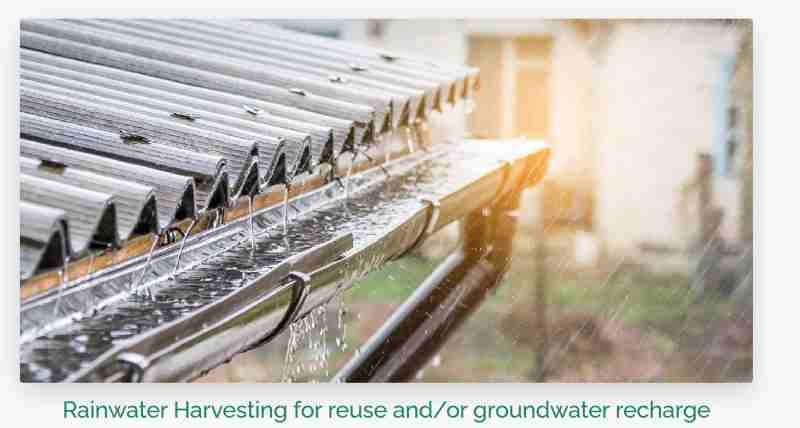
Eligibility for the CM Punjab Rainwater Harvesting Scheme extends across a remarkably broad spectrum of Punjab residents, encompassing individual homeowners, tenants with formal rental agreements, farmers with agricultural land holdings, commercial establishments including schools and shops, and even large organizations requiring higher-capacity systems. The program designers deliberately created inclusive criteria recognizing that water conservation must involve every sector of society to achieve meaningful impact.
Who Is Eligible to Apply for the Punjab Green Credit Program for Rainwater Harvesting?
Any Pakistani citizen holding a valid Computerized National Identity Card with a permanent or temporary residential address in Punjab province can apply for the Punjab Green Credit Program specifically for rainwater harvesting activities. The program does not discriminate based on property size, income level, or urban versus rural location, meaning a small shop owner in a village has equal standing with a large factory owner in Faisalabad. The only universal requirement is physical presence in Punjab and the ability to install a compliant rainwater harvesting system meeting minimum technical specifications.
Can Tenants Apply for Rainwater Harvesting Rewards, or Is It Only for Property Owners?
Tenants can absolutely apply for rainwater harvesting rewards provided they submit the rental agreement or tenancy contract during the Phase 2 documentation process. The program explicitly recognizes that renters occupy properties and can implement conservation measures with the landlord’s implicit or explicit permission. The ownership verification requirement is satisfied by the rental agreement, which serves as legal proof of the applicant’s right to occupy and modify the premises for rainwater harvesting installation. This inclusive approach acknowledges that a significant portion of Punjab’s urban population lives in rented accommodations and should not be excluded from participating in environmental conservation and earning financial rewards.
Can I Apply If I Live Outside of Lahore or Murree?
Residents of all Punjab districts can apply for the scheme regardless of whether they live in major cities like Lahore, Rawalpindi, Faisalabad, Multan, or smaller towns and rural villages. While initial pilot phases concentrated on Lahore and Murree due to their distinct water challenges, the program has now expanded province-wide with dedicated verification officers assigned to each district. Applicants from areas with lower average rainfall must still meet the same technical requirements, and the verification process includes specific evidence of rainfall events in their particular locality measured in millimeters.
How Can Schools and Shops Register for the Rainwater Harvesting Scheme?

Schools, shops, and commercial establishments register through the same PGCP web portal using the organization’s NTN number or the owner’s CNIC. Educational institutions from primary schools to colleges qualify for registration, with the additional benefit that schools can use harvested rainwater for gardening and toilet flushing, significantly reducing their monthly water bills. Shops of all sizes qualify provided they have rooftop access or space for a ground-level tank, and the scheme explicitly encourages market associations to register collectively, though each shop must install its own metered system to qualify for individual Green Credits.
What Are the Specific Eligibility Criteria for Farmers Under the On-Farm Rainwater Harvesting Project?
Farmers qualify for specialized on-farm rainwater harvesting support if they own agricultural land in designated districts including areas of the Thal desert region, cotton-growing belts, and zones identified as having critical groundwater depletion. The scheme prioritizes small and medium farmers with land holdings between five and twenty-five acres, though larger farms remain eligible for technical assistance and subsidies. Farmers must demonstrate that the harvested water will support crop production during dry spells, with priority given to those cultivating water-intensive crops like cotton, sugarcane, and rice that benefit most from supplemental irrigation.
Are Housing Societies and Industrial Units Eligible for Subsidies or Credits?
Registered housing societies and industrial units qualify for both Green Credits and technical subsidies, though the scale requirements differ from individual applicants. Housing societies must install centralized rainwater harvesting systems with minimum capacity calculated based on rooftop area and projected collection volumes, with credits distributed proportionally among members or retained by the society management for common area maintenance. Industrial units face stricter requirements because of their larger water consumption patterns, and they must integrate rainwater harvesting with existing effluent treatment plants to qualify for the highest credit tiers.
What Financial Incentives and Subsidies Can You Earn?
The financial structure of the CM Punjab Rainwater Harvesting Scheme combines immediate cash rewards through the Green Credit mechanism with substantial capital subsidies for infrastructure installation, creating multiple pathways for participants to recover their investment and generate ongoing returns. Understanding the precise value of each credit, the conversion mechanisms, and the additional subsidy programs available for specific sectors enables applicants to maximize their financial participation.
How Much Cash Reward Can an Individual Earn Through the Green Credit Program for Rainwater Harvesting?
Individual participants can earn up to one full Green Credit valued at Rs 10,000 for installing a standard 1,000-liter rainwater harvesting system that meets all technical specifications and passes the two-phase verification process. The program employs a tiered reward structure where larger installations generating proportionally greater water conservation benefits can earn multiple credits, though each 1,000 liters of verified storage capacity typically corresponds to one credit unit. Early applicants in the current cycle receive priority processing, and those who complete installation before peak monsoon months benefit from higher likelihood of successful rainfall capture during the verification window.
What Is the Value of One Green Credit in Pakistani Rupees?
One Green Credit holds a fixed monetary value of Rs 10,000 when redeemed through the Punjab Green Credit Program portal, and this value remains constant regardless of application timing or location within Punjab. The credit converts directly to Pakistani rupees deposited into the applicant’s designated bank account within thirty days of successful Phase 2 verification. Participants can accumulate multiple credits by installing larger systems or combining rainwater harvesting with other approved activities such as tree plantation or greywater recycling, with each activity generating separate credits that combine for total rewards up to prescribed annual limits.
How Much Is the Government Subsidy for On-Farm Rainwater Harvesting for Farmers?
Farmers receive government subsidies covering 70 percent of total installation costs for on-farm rainwater harvesting ponds and groundwater recharge wells, with maximum subsidy amounts reaching Rs 500,000 per farm for comprehensive recharge well systems. The 70 percent subsidy applies to approved costs including excavation, lining materials, inlet and outlet structures, and basic filtration systems. Farmers must contribute the remaining 30 percent either through cash investment or in-kind contributions such as labor and locally available materials. The program targets construction of one thousand subsidized farm ponds in the current phase, with priority given to applications demonstrating the highest potential for crop yield improvement and groundwater recharge.
Is the Farmer Subsidy Provided as Upfront Cash or a Reimbursement?
The farmer subsidy operates as a reimbursement model where farmers initially bear the full installation cost, submit verified expense documentation, and receive the 70 percent subsidy amount upon successful inspection and approval. This approach ensures government funds are only disbursed for completed, functional systems while allowing farmers flexibility in selecting contractors and materials. Approved farmers receive subsidy payments directly to their bank accounts within forty-five days of final verification, and the program includes provisions for partial advance payments in exceptional circumstances where farmers demonstrate inability to finance the full upfront cost.
Is There a Maximum Limit on the Financial Assistance One Household or Farm Can Receive?
Individual households face an annual maximum limit of Rs 50,000 in combined Green Credit earnings across all eligible activities including rainwater harvesting, tree plantation, and greywater recycling. This limit ensures broad distribution of program benefits while preventing concentration of rewards among a small number of highly active participants. Farms face separate limits based on land holding size, with small farms up to twelve acres eligible for maximum Rs 300,000 in combined subsidies and credits, while larger farms qualify for proportionally higher limits subject to detailed project approval.
Are There Subsidies Available for Installing Drip or Sprinkler Irrigation Systems Alongside Rainwater Harvesting?
The scheme actively encourages integration of rainwater harvesting with water-efficient irrigation technologies by offering bonus subsidies for farmers who install drip irrigation or sprinkler systems concurrently with their rainwater harvesting infrastructure. Farmers combining these technologies receive an additional 10 percent subsidy on the combined installation cost, recognizing that harvested water delivers maximum benefit when applied through efficient delivery systems. The bonus applies to both on-farm ponds supplying gravity-fed drip systems and pressurized systems where harvested water pumps into sprinkler networks.
What Is the Minimum Technical Requirement for a System?
The technical foundation of the CM Punjab Rainwater Harvesting Scheme rests on clear, achievable minimum requirements designed to ensure meaningful water conservation while remaining accessible to average homeowners and small businesses. Understanding these specifications prevents application rejection and maximizes the likelihood of successful credit earning.
What Is the Minimum Water Tank Capacity Required to Qualify for Green Credits?
Every rainwater harvesting system qualifying for Green Credits must have minimum storage capacity of 1,000 liters, whether configured as an above-ground tank, underground reservoir, or groundwater recharge structure. The 1,000-liter minimum represents the threshold at which water collection becomes meaningful for household use while remaining affordable for average families. Systems exceeding this minimum earn proportionally higher consideration, though the base credit value remains tied to the 1,000-liter increment. Multiple interconnected tanks collectively achieving 1,000 liters satisfy the requirement provided they function as an integrated system with common inlet and outlet arrangements.
Does the System Have to Be Underground, or Are Rooftop Tanks Allowed?
Both underground and above-ground configurations qualify for the scheme, with each design offering distinct advantages depending on available space, budget, and intended water use. Above-ground rooftop tanks cost less to install and simplify maintenance access, making them ideal for homes and shops with limited outdoor space. Underground systems require excavation and additional waterproofing but protect stored water from temperature fluctuations and algae growth while preserving aesthetic appearance of the property. The scheme also explicitly approves ground recharge wells where collected water flows directly into the earth without storage, though these systems require specific soil permeability testing and different verification criteria.
What Are the Specific Requirements for Car Wash Stations Regarding Water Recycling Capacity?
Car wash stations must install water recycling systems with minimum 1,000-liter capacity specifically designed to capture, filter, and reuse wash water rather than discharging to sewers. These systems require multi-stage filtration including sedimentation tanks, oil and grease separation units, and activated carbon filters to achieve water quality suitable for vehicle rinsing and floor cleaning. The treated water must meet Punjab Environmental Quality Standards verified through laboratory testing, with the system achieving 80 to 90 percent water reuse rates. Stations failing to install compliant systems face fines up to Rs 100,000 following the Lahore High Court orders.
What Is the Requirement for Greywater Recycling Systems in Mosques or Large Organizations?
Mosques must install greywater recycling systems of minimum 1,000 liters capacity specifically designed to capture ablution water, treat it through filtration and disinfection, and reuse the treated water for toilet flushing and garden irrigation. Larger organizations including educational institutions, commercial complexes, and industrial facilities must install systems with minimum 3,000 liters capacity reflecting their higher water usage patterns. Both categories require treated water quality testing with Biochemical Oxygen Demand values below 80 milligrams per liter verified by Punjab EPA certified laboratories.
What Are the Requirements for New Commercial Buildings Under the Mandatory Installation Law?
New commercial buildings constructed on plots exceeding 100 square meters must incorporate rainwater harvesting systems as a condition for plan approval and completion certification. The law requires both rooftop collection systems directing water to storage tanks and ground-level recharge structures where site conditions permit. Building designs must include dedicated plumbing for harvested water distribution to toilets, landscaping, and cleaning points, with meters measuring harvested water usage separate from municipal supply connections. Non-compliant buildings face revocation of occupancy certificates and potential legal action by the Punjab Environment Protection Department.
Step-by-Step Guide: How to Apply Online for the CM Punjab Rainwater Harvesting Scheme
The online application process follows a structured two-phase approach designed to verify both intent and successful implementation before any rewards disburse. Following these steps precisely ensures smooth processing and timely credit issuance.
Where Can I Find the CM Punjab Green Credit Program Apply Online Portal?
The official application portal resides at greencredit.punjab.gov.pk, which serves as the exclusive platform for all Punjab Green Credit Program registrations including rainwater harvesting applications. Applicants should verify they are accessing the correct government domain with .gov.pk extension to avoid fraudulent websites. The portal supports both desktop and mobile access with responsive design optimized for smartphone users, recognizing that many applicants will complete registration using mobile devices.
How Do I Register for the CM Punjab Green Credit Program Online?
Registration begins by creating an individual account using a valid CNIC number and mobile phone number that receives SMS verification codes. After account creation, applicants select Rainwater Harvesting from the list of eligible activities, then proceed to the detailed application form requesting information about property location, system type planned, and tentative installation date. The system automatically saves progress, allowing applicants to complete registration across multiple sessions if required.
Is There a Deadline for Registering for the Current Credit Cycle?
The current credit cycle operates on a rolling basis with quarterly verification cutoffs, meaning applicants can register at any time but must complete installation and submit Phase 2 evidence before the cycle closing dates to receive credits in that distribution round. The program announces specific cutoff dates through the portal dashboard and SMS alerts to registered users. Early registration before peak monsoon months maximizes the chance of capturing rainfall events needed for verification evidence.
What Documents Are Needed to Verify Property Ownership During Registration?
Phase 2 documentation requires either the property ownership deed showing applicant name or a valid rental agreement with minimum six months remaining validity. Additional documents include CNIC copy, recent utility bill establishing property address, and for commercial applicants, the business registration certificate or NTN document. All documents upload as scanned images or clear photographs through the portal interface.
Do I Need a Special Bank Account Like With the Bank of Punjab to Receive Rewards?
Applicants do not require any specific bank account and can receive reward payments in any scheduled bank account operating in Pakistan. The payment system uses standard interbank transfers through 1Link and Raast payment systems, with funds deposited within thirty days of approval. Applicants must provide accurate IBAN numbers during registration and verify account ownership through a small test transaction before final reward disbursement.
Phase 1: How to Submit Your Intent and Location Details
Phase 1 establishes your intent to participate and provides baseline documentation against which final installation will be verified. Completing this phase accurately prevents complications during final approval.
What Kind of GPS-Tagged Photos Are Required for the PGCP Portal?
Phase 1 requires GPS-tagged photographs of the exact location where the rainwater harvesting system will be installed, showing the proposed tank placement area, rooftop catchment surfaces, and downspout connection points. The GPS coordinates embedded in these photos must match the property address provided in registration, establishing geographic verification that prevents fraudulent claims from different locations. Photos should be taken using the mobile app camera with location services enabled, or standard cameras with subsequent coordinate verification through the portal interface.
How Do I Provide the Tentative Date for Installing the System?
The application form includes a calendar selection field where applicants specify the expected installation completion date, which must fall within the current credit cycle and allow sufficient time for subsequent rainfall capture and verification. The tentative date should account for contractor availability, equipment delivery times, and seasonal considerations. Applicants may update this date through the portal if circumstances change, though repeated rescheduling may trigger additional verification scrutiny.
Phase 2: How to Submit Proof of Installation and Claim Your Reward
Phase 2 represents the final verification stage where applicants demonstrate successful system installation and operation, triggering reward disbursement upon approval. This phase requires the most careful documentation preparation.
What Kind of Video Evidence Is Required to Prove the System Works?
The primary verification evidence consists of a one-minute video documentary showing the complete rainwater harvesting system in operation during an actual rainfall event. The video must clearly show rainwater flowing from rooftop catchment into gutters and downspouts, entering the storage tank through inlet pipes, and visibly filling the tank. Close-up shots should demonstrate the tank capacity markings or measurement indicators confirming minimum 1,000-liter volume. The video must include verbal announcement of the applicant’s name, CNIC number, and current date to establish identity.
Do I Need to Show Evidence of Actual Rainfall in My Area?
Yes, applicants must provide evidence of rainfall quantity measured in millimeters for their specific locality on the day the verification video was recorded. This evidence can include screenshots from the Pakistan Meteorological Department website showing local rainfall data, photographs of a rain gauge installed at the property with visible measurement, or official weather station reports from nearby government facilities. The rainfall reading must correlate with the video timing to prove the system captured actual precipitation rather than water from other sources.
Can I Use the Stored Rainwater for Drinking, or Is It Only for Gardening and Car Washing?
Harvested rainwater under this scheme qualifies only for non-potable uses including gardening, landscaping, vehicle washing, floor cleaning, and toilet flushing. The program does not certify rainwater for drinking or cooking purposes unless additional treatment systems meeting WHO drinking water standards are installed and separately verified. Applicants intending potable use must install filtration and disinfection systems with regular water quality testing, though this remains outside the standard Green Credit verification scope.
What Constitutes Valid Reuse of Harvested Rainwater?
Valid reuse evidence requires a separate thirty-second GPS-tagged video showing the harvested water being actively used for approved purposes such as garden irrigation, car washing, or toilet flushing. The reuse video must connect to the same storage tank shown in the collection video, with visible water flow from tank outlets to application points. Applicants should demonstrate multiple reuse events where possible, showing the system actively reducing reliance on municipal water supplies.
What Is the Alternative Evidence Required for Ground Recharge Wells Instead of Storage Tanks?
Ground recharge well applicants must provide GPS-tagged photographs showing the complete construction sequence including excavation, well lining installation, inlet pipe connection from rooftop catchment, and final surface completion. The verification video must demonstrate water flowing into the recharge well during rainfall, with evidence that the well accepts water without backup or overflow. Soil percolation test results may be required for sites with suspected clay layers that could impede recharge.
How Long Does It Typically Take to Receive the Reward After Application Approval?
Approved applicants receive reward payments within thirty calendar days of final Phase 2 verification approval, with most payments processing within fifteen to twenty days. The timeline includes internal audit checks, payment batch processing, and bank transfer clearing times. Applicants receive SMS and email notifications at each stage including submission receipt, verification completion, approval confirmation, and payment dispatch.
On-Farm Rainwater Harvesting: A Deep Dive for Farmers
Agricultural applications of rainwater harvesting receive specialized attention within the broader scheme because farming accounts for more than 90 percent of Punjab’s freshwater consumption. Farmers accessing these provisions can transform their operations while earning substantial government support.
What Is the On-Farm Rain Harvesting Project Announced for Thal and Other Areas?
The on-farm rain harvesting project targets arid and semi-arid regions including the Thal desert area where annual rainfall averages below 200 millimeters but occurs in intense, short-duration events. The project constructs farm ponds ranging from 5,000 to 50,000 liters capacity that capture monsoon runoff and provide critical irrigation during subsequent dry spells. These ponds incorporate plastic or clay lining to minimize seepage losses, with silt traps preventing sediment accumulation that would reduce storage capacity over time.
How Can Rainwater Harvesting Systems Help in Preventing Waterlogging and Crop Damage During Monsoon?
Farm-level rainwater harvesting ponds serve dual purposes by capturing excess water that would otherwise waterlog fields and damage standing crops, while storing that same water for dry season irrigation. During heavy monsoon events, fields with harvesting ponds experience reduced runoff and faster drainage because water moves intentionally toward collection points. This controlled drainage prevents the oxygen deprivation in root zones that causes crop yellowing and yield reduction in waterlogged conditions.
What Is the Rainwater Management in Cotton Fields Project?
The specialized cotton fields project integrates rainwater harvesting with raised bed farming techniques where cotton plants grow on elevated ridges between collection furrows. Monsoon rainfall flows into the furrows where it either infiltrates to deeper soil layers or collects in strategically placed storage ponds. This system protects cotton bolls from moisture damage while ensuring soil moisture availability during flowering and boll development stages critical for yield quality.
How Do Sunken Fields and Rainwater Harvesting Ponds Work Together to Save Cotton Crops?
Sunken field cultivation places cotton plants slightly below the surrounding ground level, creating natural collection basins for rainfall while harvesting ponds capture overflow beyond field capacity. The combination allows farmers to manage varying rainfall intensities, with light rains retained entirely within sunken fields while heavy downpours fill ponds for later use. This integrated approach has demonstrated cotton yield increases of 20 to 30 percent in trial areas compared to conventional flat cultivation.
Urban Applications: Homes, Car Washes, and Commercial Buildings
Urban residents face different water challenges than farmers, and the scheme addresses these through targeted requirements and incentives for homes, businesses, and commercial properties.
Why Has Punjab Banned Car Washing at Home, and How Does This Scheme Provide an Alternative?
The home car washing ban responds to research showing that a single home car wash consumes between 100 and 400 liters of fresh water that flows directly into storm drains without treatment, carrying detergents and road grime into natural water bodies. The rainwater harvesting scheme provides an alternative by enabling homeowners to capture and store rainwater specifically for vehicle washing, converting an environmentally harmful activity into a sustainable practice. Homes with harvesting systems can wash cars using stored rainwater without tapping municipal supplies or creating polluted runoff.
What Is the Fine for Service Stations Operating Without a Water Recycling System?
Service stations operating without approved water recycling systems face fines up to Rs 100,000 following Lahore High Court directives, with repeated violations potentially leading to license suspension or cancellation. The Punjab Environment Protection Department conducts regular inspections focusing on high-volume stations along major highways and in dense urban areas. Inspectors verify system presence, operational status, and water quality compliance through on-site testing and laboratory sample collection.
How Can a Car Wash Station Install a Compliant Recycling System and Earn Green Credits?
Car wash stations install compliant systems by contracting with approved vendors who provide integrated packages including collection tanks, filtration units, oil-water separators, and disinfection equipment. The complete system must achieve minimum 1,000-liter capacity with demonstrated ability to recycle 80 percent of wash water. Stations completing installation and passing verification earn Green Credits identical to residential applicants, with the added benefit of reduced municipal water bills that typically repay system costs within two years.
What Is the Tajpura Project, and How Does It Demonstrate Large-Scale Urban Rainwater Management?
The Tajpura project in Lahore represents the largest urban rainwater harvesting initiative under the scheme, constructing two massive storage tanks with capacities of 1.35 million and 2.46 million gallons respectively. These tanks collect stormwater from surrounding residential and commercial areas, preventing street flooding while providing irrigation water for nearby parks and green spaces. The project demonstrates how collective harvesting at neighborhood scale can achieve results impossible through individual systems alone, and serves as a model for replication in other urban centers.
How Does Rainwater Harvesting Help in Preventing Urban Flooding in Cities Like Lahore?
Urban flooding occurs when impermeable surfaces like roads, roofs, and parking lots prevent rainfall from infiltrating the ground, causing rapid runoff that overwhelms drainage systems. Rainwater harvesting intercepts this runoff at the source, storing it in tanks or directing it to recharge wells before it reaches streets and drains. Every 1,000-liter tank removes that volume from the immediate flood peak, and widespread adoption across neighborhoods cumulatively reduces drainage system load during intense rainfall events.
Environmental and Social Impact
Beyond individual financial benefits, the scheme generates measurable environmental improvements that benefit all Punjab residents through enhanced water security and climate resilience.
Can Rainwater Harvesting Systems Help Raise the Local Groundwater Table?
Groundwater recharge wells and infiltration ponds directly raise local water tables by returning captured rainfall to aquifers rather than allowing it to evaporate or flow to sea. Studies of areas with concentrated harvesting adoption show groundwater level increases of one to three meters over five years, reversing decades of decline. The effect is most pronounced in urban areas where recharge wells tap into rooftop runoff that previously flowed to drains, though rural recharge from farm ponds similarly benefits surrounding wells.
What Are the Environmental Benefits of Ground Recharge Wells?
Ground recharge wells provide environmental benefits beyond simple water quantity increases, including improved water quality as soil layers filter pollutants from infiltrating water, reduced land subsidence in areas where excessive pumping has caused ground settling, and maintained base flow in rivers and streams during dry periods when groundwater discharge sustains surface flows. Recharge wells also prevent the seawater intrusion threatening coastal aquifers by maintaining fresh water pressure gradients.
How Does This Scheme Contribute to Pakistan’s Sustainable Development Goals?
The scheme directly advances multiple United Nations Sustainable Development Goals including Goal 6 for clean water and sanitation through increased water availability, Goal 11 for sustainable cities through flood reduction, Goal 12 for responsible consumption through water conservation, and Goal 13 for climate action through enhanced resilience to rainfall variability. Pakistan’s voluntary national reviews specifically reference Punjab’s rainwater harvesting initiatives as demonstrating progress toward these international commitments.
What Is the Murree Rainwater Harvesting Project, and Who Does It Benefit?
The Murree project focuses on the hill station’s unique challenges where steep slopes cause rapid runoff, traditional water sources face depletion from tourism demand, and communities struggle with water shortages during peak visitor seasons. The project installs rooftop harvesting systems on hotels, restaurants, and public buildings, storing monsoon rains for use during dry periods. Benefits extend to local residents through improved water availability and to tourists through maintained services, while reducing pressure on natural springs that provide base flows to downstream rivers.
Compliance, Penalties, and Enforcement
The scheme includes robust enforcement mechanisms ensuring that mandatory requirements achieve their intended impact while voluntary participants receive their promised rewards without delay.
Are There Any Penalties for Not Installing These Systems in New Commercial Buildings?
New commercial buildings failing to install mandated rainwater harvesting systems face revocation of their construction approvals and denial of occupancy certificates, effectively preventing building use until compliance is achieved. The Lahore Development Authority and district municipal offices coordinate with EPA Punjab to verify system installation during final building inspections. Developers attempting to bypass requirements through false documentation face legal action including potential imprisonment under environmental protection laws.
How Will the EPA and Lahore High Court Monitor Compliance at Petrol Pumps and Service Stations?
The EPA conducts both scheduled inspections and surprise visits to petrol pumps and service stations, using mobile testing units capable of on-site water quality analysis. Stations must maintain daily logs of recycled water usage and monthly laboratory test reports available for inspector review. The Lahore High Court established a monitoring committee receiving quarterly compliance reports, with non-compliant stations publicly listed and subject to escalating penalties including publication of violations in local newspapers.
What Is the Fine for Individuals Caught Wasting Water or Washing Cars at Home?
Individuals violating the home car washing ban face fines of Rs 10,000 for first offenses, with subsequent violations attracting doubled fines and potential community service requirements involving water conservation awareness activities. The fine structure applies equally to all residents regardless of property ownership status, and enforcement relies on citizen reports through the EPA complaint system in addition to patrolling by municipal wardens.
Troubleshooting and Support
Applicants encountering difficulties during registration, installation, or verification have multiple support channels available to resolve issues and maintain progress toward reward earning.
Where Can I Find a List of Approved Vendors for Installing These Systems?
The PGCP portal maintains a searchable directory of approved vendors who have demonstrated technical competency and passed background verification by the Punjab Environment Protection Department. The directory includes vendor contact information, service areas, customer ratings, and sample installation photographs. Applicants remain free to select non-listed vendors, though installations by approved vendors receive expedited verification due to pre-qualified status.
Who Can I Contact at the Punjab Environment Protection Department for Technical Support?
The dedicated Green Credit Program support team operates from the 8th Floor, City Tower, Gulberg Lahore, reachable by phone at 0336 5558271 and 0336 5558273 during business hours. Email support is available at punjabgreencreditprogram@gmail.com, with responses guaranteed within two working days. The portal includes a live chat feature during peak application periods, and field support officers are assigned to each district for in-person assistance with complex installations.
What Should I Do If My Online Application or Login Fails?
Applicants experiencing technical difficulties should first clear browser cache and cookies, then attempt access using a different browser or device. The portal supports Chrome, Firefox, and Edge browsers on desktop and Android and iOS native browsers on mobile. Persistent login failures may indicate incorrect CNIC entry or account lockout after multiple failed attempts, requiring contact with the support team for manual account reset.
Can I Download an Official CM Punjab Green Credit Program PDF Guide?
The portal provides downloadable PDF guides in both English and Urdu covering the complete application process, technical specifications, and verification requirements. These guides include screenshots of each portal screen with explanatory notes, sample filled application forms, and checklists for Phase 1 and Phase 2 documentation. Applicants should download the latest version each time they begin a new application cycle to ensure they follow current requirements.
Frequently Asked Questions
Can I Apply for Both a Rainwater Harvesting Reward and a Tree Plantation Reward?
Applicants can participate in multiple Green Credit activities simultaneously and earn separate rewards for each approved installation. A single household can install a rainwater harvesting system for one credit and plant the required number of trees for another credit, with both rewards deposited to the same bank account. The combined annual limit of Rs 50,000 applies across all activities.
What Happens to My Application If It Doesn’t Rain in My Area During the Verification Phase?
Applications pending Phase 2 verification due to absence of rainfall receive automatic extension to the next verification cycle without penalty. Applicants must maintain their systems in ready condition and provide updated tentative dates. The program recognizes that rainfall patterns vary and does not penalize applicants for natural delays beyond their control.
Is the Reward Taxable Income?
The government has not specified tax treatment for Green Credit rewards, and participants should consult tax professionals regarding reporting requirements. The program itself does not deduct any taxes at source, and rewards are paid as full amounts based on approved credits. Future policy announcements may clarify tax treatment as the program matures.
Can I Install the System Myself, or Does It Have to Be Done by a Contractor?
Self-installation is permitted and encouraged for homeowners with technical skills, provided the completed system meets all specifications and passes verification. The verification process does not distinguish between professional and self-installation, focusing solely on functionality and compliance. Applicants should carefully follow technical guidelines and consider consulting experienced installers for complex aspects even if performing most work themselves.
What Type of Maintenance Do Rainwater Harvesting Systems Require?
Systems require regular gutter cleaning before monsoon seasons, tank inspection for cracks or leaks, first-flush diverter maintenance to exclude initial dirty runoff, and periodic desludging of settled solids. Underground tanks need vent inspection to prevent mosquito breeding, and above-ground tanks require paint or coating maintenance to prevent UV degradation. Well-maintained systems operate effectively for fifteen to twenty years with minimal component replacement.

Add a Comment